









Executive Overview
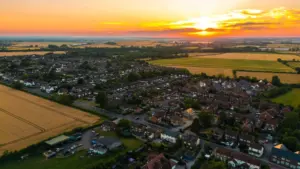
Nestled strategically between the bustling urban epicenters of Manchester and Birmingham lies a captivating, time-capsuled sanctuary known as Leek. Affectionately dubbed the "Queen of the Moorlands," this historic market town in Staffordshire, England, offers a masterclass in architectural preservation, artisanal commerce, and rugged British countryside geography. Though positioned approximately 35 miles south of Manchester and 55 miles north of Birmingham, stepping into Leek feels less like navigating a modern commuter satellite and more like stepping across a chronological threshold into the 19th century.
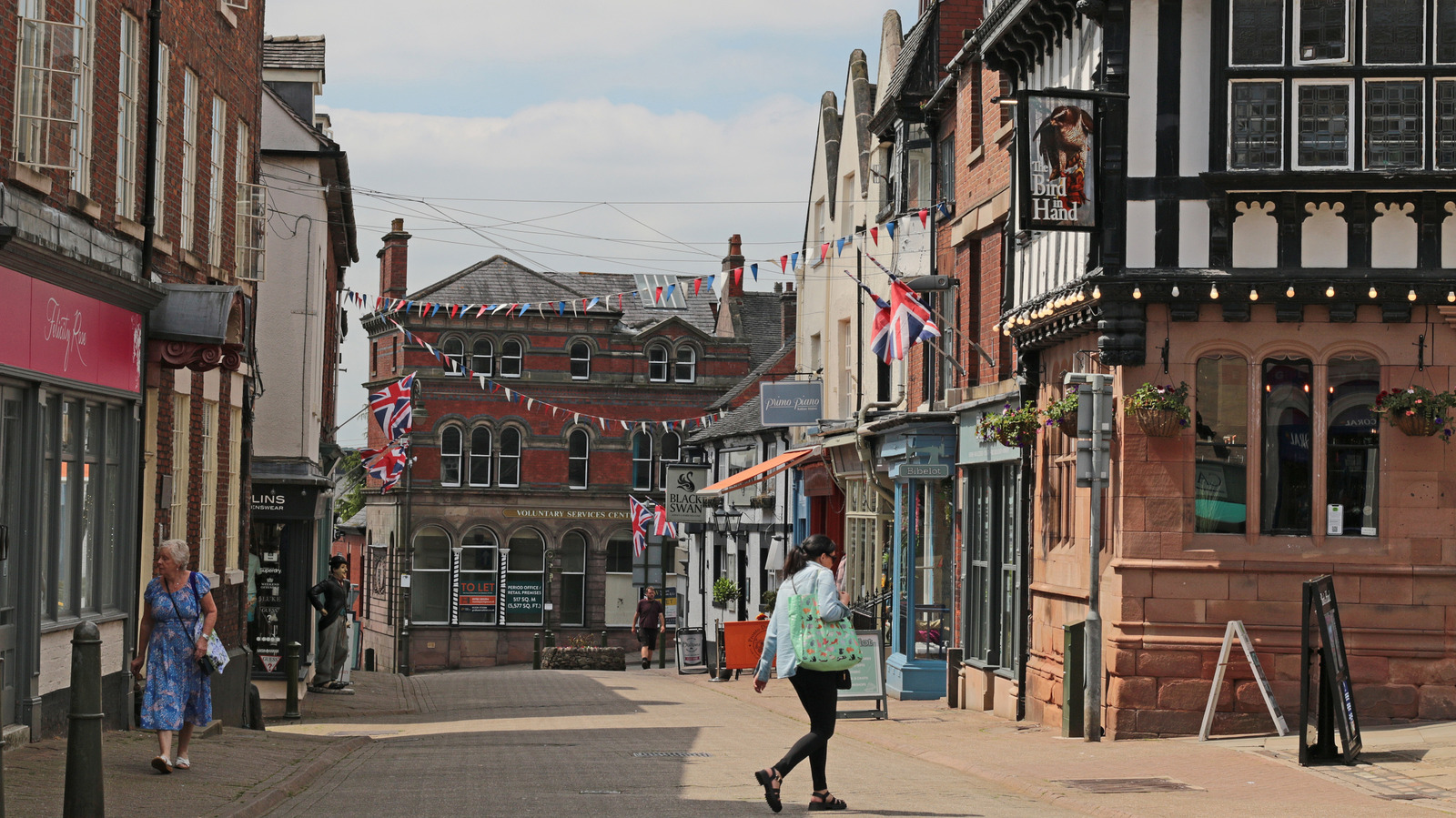
Characterized by its striking Victorian and Gothic Revival facades, intricate brickwork, and centuries-old charter markets, Leek serves as an indispensable cultural and economic nexus for the surrounding Staffordshire Moorlands. Its identity is deeply rooted in a royal charter granted as far back as 1214, anchoring its marketplace as the beating heart of local civic life for over eight centuries. Furthermore, the town’s deep ties to the influential Arts and Crafts movement—bolstered by legendary figures like William Morris—impart an aesthetic richness rarely found in contemporary high streets.
Beyond its architectural pedigree, Leek acts as an unrivaled gateway to the great outdoors. Bordering the dramatic gritstone escarpments of the Peak District National Park, the town bridges the gap between sophisticated heritage tourism and unadulterated wilderness exploration. This report provides a comprehensive examination of Leek’s structural evolution, its vibrant retail and market ecosystem, the environmental geography that surrounds it, and its forward-looking trajectory as a premier sustainable tourism destination in the British Midlands.
Detailed Chronology: From Medieval Charter to Victorian Haven
To fully comprehend the unique architectural and cultural fabric of Leek, one must retrace the historical milestones that shaped its physical landscape and administrative evolution.
- 1214 (The Royal Charter): Leek’s formal integration into the economic framework of medieval England began when King John granted the town its official market charter. This pivotal document transformed a modest settlement into a recognized regional trading hub, setting the precedent for weekly commercial gatherings that persist to this day.
- The Industrial and Arts & Crafts Era (19th Century): While the Industrial Revolution transformed much of Northern England into heavy manufacturing zones, Leek retained a unique artisanal identity, specializing in silk production and textile dyeing. During the latter half of the 18th and throughout the 19th centuries, the town experienced a massive building boom. This era birthed the distinct Victorian Gothic architecture that defines the town center today—featuring steeply pitched roofs, decorative chimney stacks, and expansive arched windows. It was also during this period that luminaries of the Arts and Crafts movement, most notably William Morris, found inspiration in Leek’s dyeing techniques and traditional craftsmanship, cementing the town’s reputation as a sanctuary for handmade goods.
- The 20th Century Consolidation: As the modern age introduced standardized retail, Leek remarkably resisted hyper-commercialization. The establishment of the indoor Trestle Market in the 20th century complemented the historic Butter Market, ensuring that local trade traditions adapted to changing hygienic and commercial standards without sacrificing community character.
- The Modern Heritage Era (21st Century): Today, Leek has successfully transitioned into a heritage-tourism destination. Local conservation efforts have meticulously protected its Grade II-listed structures. Residents often remark, much like the local quoted in The Yorkshire Post, that if a Victorian ancestor were to walk down the town’s primary shopping arteries today, they would recognize the streetscape instantly—a testament to a community dedicated to preserving its spatial memory.
Supporting Context & Metrics: Commerce, Culture, and Geography
Leek’s allure is grounded in quantifiable attributes that balance economic vitality with geographical accessibility. The town operates as a self-sustaining micro-economy driven by independent commerce, periodic markets, and regional tourism inflows.
Market Infrastructure and Retail Metrics
The commercial calendar of Leek is dense, rhythmic, and deeply integrated into the social habits of Staffordshire residents. The retail ecosystem can be broken down into several key components:
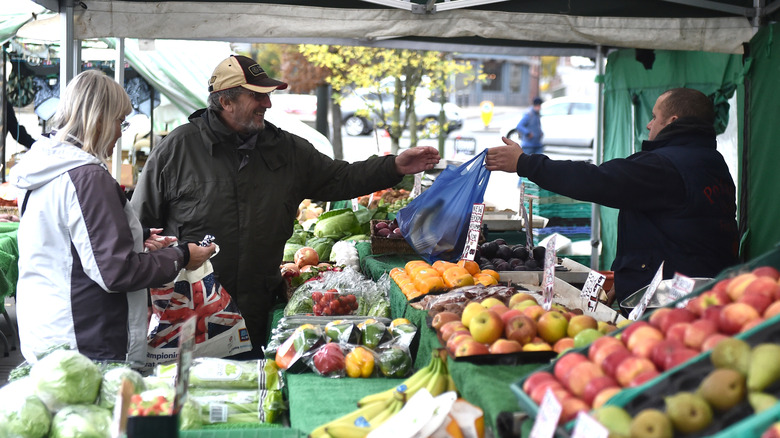
- The Wednesday Charter Market: Operating weekly from 8:30 a.m. to 4:00 p.m., this open-air market brings together dozens of regional vendors. It serves as the primary distribution point for locally sourced agricultural produce, artisanal cheeses, butchery, and handmade dry goods.
- The Butter Market and Trestle Market: These historic indoor structures operate multiple days a week (specifically Wednesday, Friday, and Saturday). The Victorian Butter Market and the 20th-century Trestle Market house an eclectic mix of permanent and semi-permanent vendors trading in fresh confectionery, bespoke jewelry, floristry, and apparel.
- Specialty and Collectors’ Fairs: On Saturdays, the town center plays host to the Archer Fairs Vintage, Craft and Collectors Market, attracting antique dealers, bibliophiles, and memorabilia collectors from across the Midlands.
- The Sunday Supplement Makers Market: Held on the first Sunday of every month under the Totally Locally Leek initiative, this is the town’s premier economic showcase. It features approximately 70 specialized stalls, live musical performances, street theater, and hyper-local street food vendors, driving significant weekend foot traffic to local brick-and-mortar boutiques.
Geographic and Accessibility Metrics
- Distance to Manchester: ~35 miles south (approx. 1 hour and 10 minutes by automobile).
- Distance to Birmingham: ~55 miles north (approx. 1 hour and 30 minutes by automobile).
- Distance to Peak District National Park/Staffordshire Moorlands: Immediate proximity, with major geological formations located within a 15-minute drive.
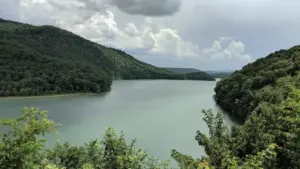
- Key Outdoor Proximities: The Roaches ridge (3 miles out-and-back trail; 15-minute drive); Rudyard Lake (2.5-mile long reservoir; 25-minute drive); Bakewell (40-minute northeastern drive).
Official Statements and Local Perspectives
The preservation of Leek’s distinct character is no accident; it is the result of conscious civic stewardship, active community engagement, and regional policy frameworks designed to protect heritage assets.
Local stakeholders, traders, and municipal planners frequently emphasize the delicate balance between economic modernization and historical fidelity. Representatives from the Staffordshire Moorlands District Council have consistently highlighted the importance of supporting independent high street vendors against the pressures of national corporate chains.
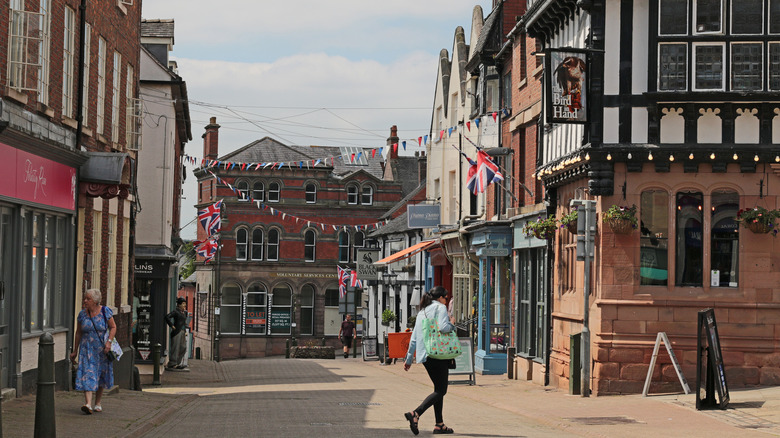
"Leek possesses a rare visual and cultural integrity," notes a local civic heritage spokesperson. "When visitors walk past our Grade II-listed buildings, they aren’t just looking at old bricks; they are interacting with an unbroken lineage of community commerce that stretches back to King John’s charter in 1214. Our responsibility is to provide modern comforts while refusing to compromise the architectural soul of the town."
Artisans and independent shop owners share this sentiment. Business owners along the historic Sheep Market—such as those operating Mosaic Boutique and the independent bookshop Picture Book—proactively market Leek as an antidote to homogenized retail culture.
"This is a time-stood-still place," reiterates a lifelong resident and downtown merchant. "People come here because they are exhausted by cookie-cutter shopping malls. They want a chat with the butcher, they want to flick through hand-selected books by local authors, and they want to step out of a pub straight onto cobblestones that have echoed with footsteps for centuries."
Future Outlook: Sustainability, Heritage Tourism, and the Road Ahead
As the tourism landscape shifts toward sustainable, slower-paced travel experiences, Leek is uniquely positioned to capitalize on its core strengths. Rather than pursuing aggressive, high-impact urban expansion, municipal authorities and local business networks are focusing on qualitative growth—enhancing the visitor experience while protecting the delicate ecosystems of the surrounding Peak District.
1. Sustainable Tourism and Green Corridors
With the Peak District National Park acting as its backyard, Leek is increasingly marketing itself as a basecamp for eco-conscious hikers, cyclists, and nature enthusiasts. Future infrastructure planning prioritizes the expansion of green transit links between Manchester, Birmingham, and the Staffordshire Moorlands, encouraging visitors to reduce carbon footprints by utilizing rail and bus networks supplemented by local walking trails.
2. Digital Adaptation for Independent Retail
While Leek prides itself on being a "time-stood-still" destination, local merchants are quietly adopting hybrid retail models. Initiatives like Totally Locally Leek successfully leverage digital platforms to promote physical foot traffic, ensuring that independent boutiques, vintage traders, and artisan food producers remain financially resilient against shifting macroeconomic tides.
3. Preserving Architectural Integrity
Urban planning guidelines within the town remain fiercely protective of its Victorian and Gothic Revival assets. Future development proposals are subjected to rigorous heritage assessments to ensure that new commercial ventures respect the distinct rooflines, window configurations, and material palettes established in the 19th century.
In conclusion, Leek remains a shimmering jewel in the English Midlands. By honoring its medieval roots, celebrating its vibrant weekly markets, and embracing its proximity to some of Europe’s most breathtaking natural landscapes, the "Queen of the Moorlands" secures its status as an essential, timeless destination for travelers seeking authenticity, history, and natural beauty.