







By the Streetsblog USA Editorial Desk
Published September 4, 2026
Executive Overview
For decades, the cultural narrative surrounding intercity bus travel in the United States has been one of managed decline. Images of desolate roadside depots, dwindling rural routes, and the steady contraction of legacy carriers like Greyhound painted a bleak picture for anyone relying on rubber-tire transit.
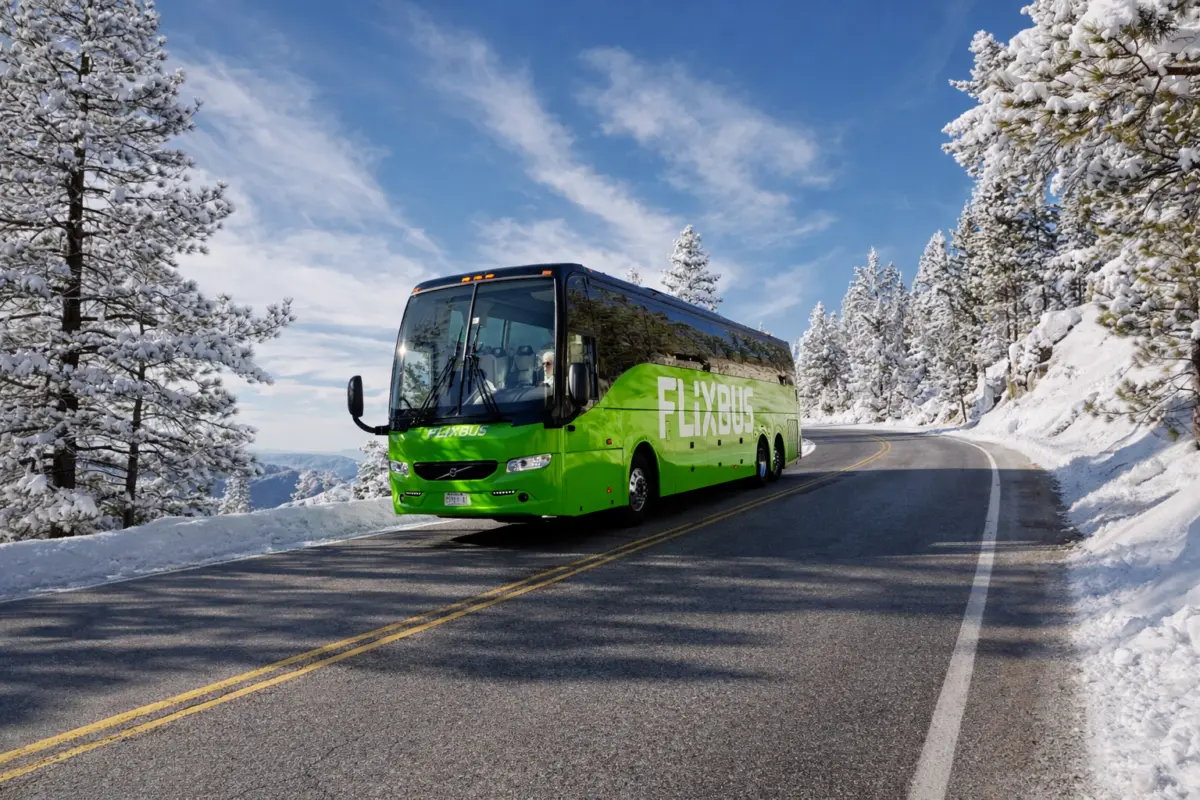
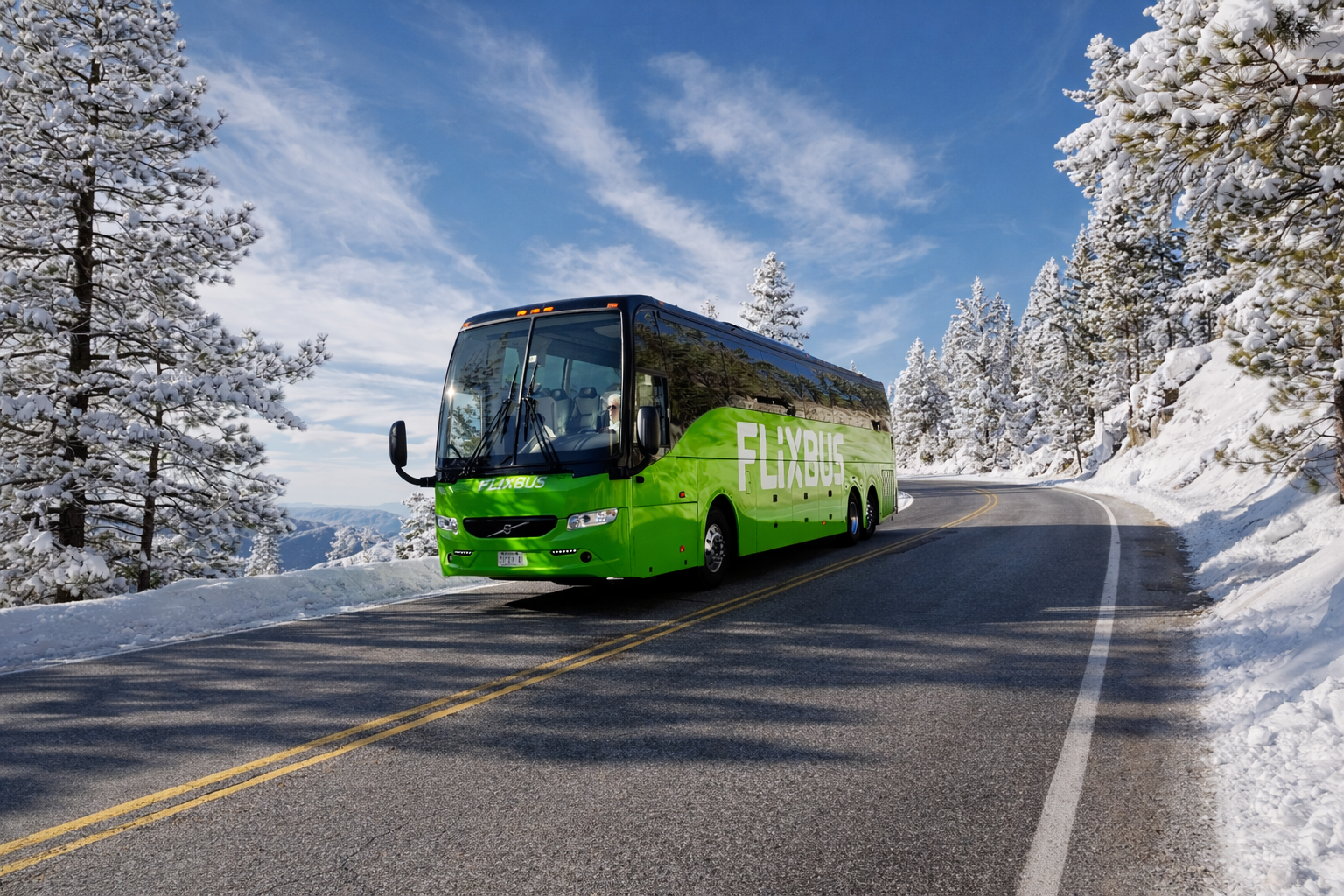
Yet, a quiet revolution is underway across America’s highways and byways. Contrary to popular belief and the persistent trope of the "bus bound for nowhere," intercity buses actually go to more places now than they did a decade ago. Driven by evolving corporate business models—exemplified by carriers like FlixBus and its network integration—alongside a desperate post-pandemic resurgence in regional mobility demand, the intercity coach industry is experiencing an unexpected renaissance.
Rather than relying solely on legacy downtown terminals that are expensive to maintain, modern operators are deploying agile, decentralized hubs, digital-first ticketing, and dynamic route adjustments. This evolution is stitching smaller towns back into the national transportation grid while offering affordable, lower-carbon alternatives to driving. As cities grapple with climate targets, congestion, and the high cost of car ownership, the humble intercity bus is emerging as an indispensable, if often overlooked, backbone of American transit.
Detailed Chronology: The Transformation of the Coach Industry
To understand how intercity buses arrived at this unexpected juncture of expansion, it is helpful to trace the trajectory of the industry over the past twenty years—a timeline marked by deregulation shocks, private equity maneuvering, and a digital overhaul.
Phase 1: The Legacy Era and Infrastructure Decay (Pre-2010s)
For much of the late 20th century, the American intercity bus network was defined by consolidation and austerity. Following the Bus Regulatory Reform Act of 1982, carriers were granted broad freedom to abandon unprofitable routes. Over the next thirty years, thousands of rural communities lost their only connection to the national transit network.
Legacy operators struggled under the weight of aging physical infrastructure. Downtown bus terminals, once bustling hubs of commerce and travel, fell into disrepair, became targets for closure, or were sold off to real estate developers. By the 2010s, taking the bus was frequently stigmatized as a mode of last resort—slow, unreliable, and geographically limited.
Phase 2: The Low-Cost Interloper Disruption (2010–2020)
The first wave of modernization came not from legacy brands, but from low-cost, point-to-point operators like Megabus and early iterations of curbside carriers. By bypassing traditional bus stations altogether and operating street-side curbside pickups in major metropolitan areas, these companies slashed overhead costs and captured price-sensitive travelers, particularly college students and budget-conscious commuters.
However, these early digital disruptors often focused exclusively on high-density, highly profitable corridors—such as the Northeast Corridor or major city pairs in the Midwest and Texas. Smaller towns and secondary markets remained largely ignored, deepening the transit deserts across rural America.
Phase 3: The Pandemic Precipice and Consolidation (2020–2023)
The COVID-19 pandemic brought existential threat to the industry. Passenger volumes plummeted by upwards of 90% in early 2020, pushing iconic brands like Greyhound to the brink. Financial restructuring became inevitable.
During this period, European-born models of aggregation and platform-based operations began to take root in North America. Notably, Flix North America acquired Greyhound in 2021, setting the stage for a massive infrastructural and logistical overhaul. Instead of operating as a closed, proprietary network, the strategy shifted toward an open-platform model—similar to how modern ride-hailing or hotel-aggregation apps function—incorporating independent regional bus operators into a unified digital booking ecosystem.
Phase 4: The Modern Hub-and-Spoke Renaissance (2024–2026)
By 2026, the fruits of this platform consolidation are visible nationwide. Rather than abandoning smaller markets, modern operators are using algorithmic routing, localized partnerships, and decentralized curbside models to expand footprints into cities and towns that haven’t seen regular intercity bus service in a generation.
Supporting Context & Metrics: Where the Growth Is Happening
While traditional media outlets continue to run obituaries for the classic bus station, data tells a radically different story.
The Expanding Geographic Footprint
According to transportation logistics data compiled across major private intercity carriers, the total number of unique destinations served by national coach networks has grown by roughly 18% since 2021. While mega-cities continue to drive the bulk of raw passenger volume, the steepest percentage gains are occurring in secondary and tertiary markets—cities with populations between 30,000 and 150,000 that were previously cut off when legacy carriers consolidated their schedules.

| Metric Category | Historical Trend (2010–2019) | Modern Trend (2023–2026) |
|---|---|---|
| Primary Route Focus | High-density mega-city pairs | Integrated networks linking metros to secondary towns |
| Terminal Infrastructure | Centralized, decaying downtown depots | Curbside micro-hubs & partnered local transit centers |
| Booking & Customer Interface | Brick-and-mortar ticket windows, basic websites | Dynamic mobile apps, real-time GPS tracking, contactless boarding |
| Operator Ecosystem | Standalone corporate monopolies | Platform aggregators partnering with local regional bus lines |
The Carbon Advantage and Equity Impact
From an environmental perspective, intercity buses remain the most fuel-efficient motorized mode of transport per passenger mile, significantly outperforming domestic air travel and single-occupancy electric or gas-powered vehicles.
Furthermore, the expansion of these routes carries profound equity implications. In a nation where car dependency is heavily subsidized through sprawling highway networks, low-income households, seniors, and students living outside major metropolitan areas often face extreme mobility poverty. The resurgence of rural and regional bus connectivity provides a lifeline for medical appointments, higher education access, and workforce participation without the crippling financial overhead of maintaining an automobile.
Official Statements and Industry Perspectives
Transportation planners, advocates, and corporate leadership are increasingly acknowledging that rubber-tire transit must be a core component of a modern, multi-modal American transportation strategy.
"For too long, American transportation policy has suffered from a binary mindset: you either fund massive rail projects or you build more highway lanes, while completely ignoring the flexible, high-capacity transit asset sitting right in front of us on our existing roads," notes an independent transit policy researcher. "The fact that private operators are expanding their footprints into smaller communities proves that the demand for non-car mobility is vast and largely unmet."
Industry executives emphasize that technology has been the primary catalyst for this turnaround.
"When you decouple intercity bus travel from the massive capital expenditure of maintaining decaying, 20th-century downtown bus terminals, the economics of route expansion change entirely," shared a logistics strategist close to modern coach network developments. "By utilizing curbside digital ticketing hubs, partnering with local municipalities to share transit centers, and dynamically adjusting schedules based on real-time data, we can profitably serve communities that legacy systems had to write off decades ago."
Advocacy groups like Streetsblog have consistently highlighted the need for municipal governments to integrate intercity buses into local planning. Instead of pushing bus stops to remote highway interchanges or industrial parks out of sight, forward-thinking cities are welcoming buses directly into multimodal transit hubs alongside commuter rail, light rail, and municipal bus fleets.

Future Outlook: What Lies Ahead for Regional Bus Transit
As we look toward the remainder of the decade and into the 2030s, the trajectory of intercity bus travel will depend heavily on regulatory support, infrastructure integration, and continued technological innovation.
1. Integration with Multi-Modal Mobility Hubs
The most successful cities will be those that treat intercity buses as equal partners in the transit ecosystem. Integrating private coach networks into municipal transit apps—allowing a traveler to book a local light-rail ticket, a regional bus trip, and a final-mile micro-mobility rental in a single transaction—will be the gold standard of seamless regional travel.
2. Fleet Electrification
Just as municipal transit agencies are transitioning their fleets to zero-emission battery-electric and hydrogen fuel-cell vehicles, intercity carriers face mounting pressure to green their operations. While long-distance coach routes present unique battery-range challenges compared to urban transit buses, advancements in fast-charging infrastructure along major highway corridors are making electric intercity travel increasingly viable.
3. Policy and Funding Recognition
Historically, federal and state transportation funding has overwhelmingly favored highways and aviation, leaving intercity bus lines entirely to the private market. As climate goals tighten and infrastructure bills are evaluated for their carbon ROI, advocates are pushing for public-private partnerships that subsidize essential lifeline routes in remote areas—ensuring that private profit motives do not leave vulnerable rural populations stranded.
Conclusion
The narrative that intercity bus travel is a dying relic of the past is demonstrably false. Through adaptive business models, digital integration, and a willingness to venture where legacy operators feared to tread, modern bus networks are quietly weaving a tighter, more resilient mobility net across America. For millions of travelers looking for an affordable, sustainable alternative to car dependency, the bus isn’t bound for nowhere anymore—it’s headed straight for the future.