




Executive Overview
While the state of Illinois is historically celebrated as the quintessential "Prairie State"—once blanketed almost entirely by rolling, far-reaching prairie grasses—a more accurate geographical descriptor might easily be the "Land of Water." Beneath the fertile agricultural topsoil and urban sprawls lies a vast, interconnected network of natural underground reservoirs. Above ground, this subterranean wealth manifests in thousands of freshwater bodies. Among them, Central West Illinois emerges as a prime example of an aqua-rich ecosystem.
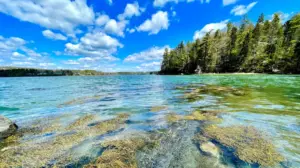
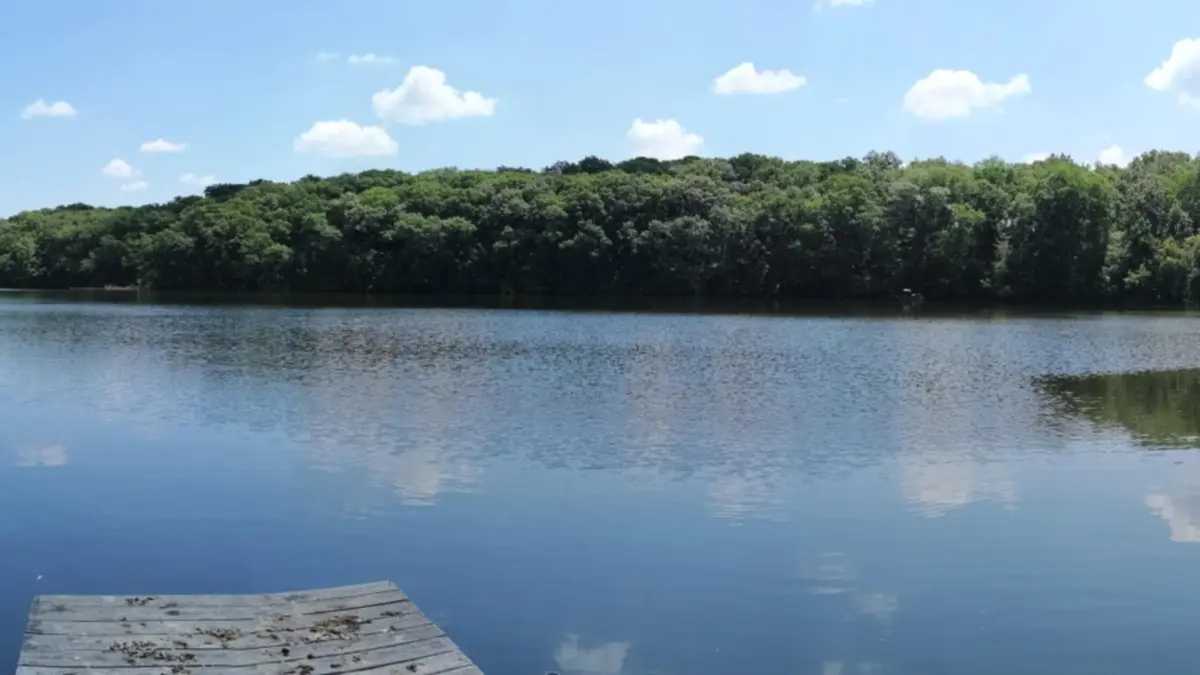
Nestled quietly in Macoupin County, roughly an hour south of Springfield and an equidistant drive north from St. Louis, Missouri, lies Carlinville Lake (also designated as Carlinville Lake #1). Spanning an impressive 155 acres with 5.5 miles of scenic shoreline stretching eastward from Honey Creek, this body of water has quietly transitioned from a local secret into a premier regional destination.
Recent operational milestones—including the formal summer reopening of its swimming beach—have catalyzed a resurgence in outdoor recreation. Paired with the rustic appeal of the adjacent Carlinville Lake Campground and the vintage Americana charm of the neighboring historic town of Carlinville along Route 66, this destination offers an idyllic blueprint for Midwestern eco-tourism and weekend escapes. This report provides a comprehensive analysis of Carlinville Lake’s recreational offerings, regulatory frameworks, accommodation landscape, and its broader economic and regional significance within Central West Illinois.
Detailed Chronology
Understanding the current allure of Carlinville Lake requires mapping out the sequence of milestones, regulatory updates, and seasonal shifts that shape the visitor experience year-round.
Historical Context to Modern Accessibility
- Mid-20th Century Development: Originally constructed to serve municipal water and resource management needs for Macoupin County, Carlinville Lake evolved over decades into a dual-use utility and recreational asset.
- Spring 2026 Season Launch: The momentum for the current tourism cycle began when localized community networks, notably highlighted by regional social media announcements in June 2026, officially confirmed the full operational opening of the Carlinville Lake swim beach.
- Department of Public Health Certification: Concurrently, the Illinois Department of Public Health (IDPH) issued safety and water quality compliance clearances, certifying the designated beach area for public swimming through the peak summer window.
Seasonal Operational Timeline
- Shoulder Seasons (Late Spring / Early Fall): Offering cooler ambient temperatures and reduced humidity, periods spanning May and September provide optimal conditions for hikers, birdwatchers, and bank-anglers seeking solitude.
- Peak Summer Season (Memorial Day through Labor Day): This window marks the official operation of the designated swim beach, attracting families, campers, and day-trippers from the St. Louis and Springfield metropolitan corridors.
- Off-Season / Winter Maintenance: While the campground and lake remain accessible for winter activities subject to local ordinances, amenities such as staffed beach zones and active water-safety patrols scale back.
Supporting Context & Metrics
To fully appreciate the scope of Carlinville Lake and its surrounding infrastructure, one must examine the quantitative metrics and geographical parameters that define the area.
Geographic and Physical Metrics
- Total Surface Area: ~155 acres of accessible freshwater.
- Shoreline Length: Approximately 5.5 miles of continuous, tree-lined perimeter extending eastward from Honey Creek.
- Proximity to Urban Centers:
- ~1 hour drive south of Springfield, Illinois.
- ~1 hour drive north of St. Louis, Missouri.
- ~10-minute drive west to downtown Carlinville.
Biodiversity and Angling Metrics
Managed closely in cooperation with ecological databases, the lake hosts a robust warm-water fishery. According to the Illinois Department of Natural Resources (IDNR) and verified angler tracking via platforms like Fishbrain, the primary species distribution includes:
- Channel Catfish: Noted for high population densities and consistent catch rates from the bank.
- Largemouth Bass: Subject to strict conservation creel limits (six-bag limit) to preserve healthy trophy demographics.
- Crappie & Bluegill: Abundant panfish populations providing steady activity for recreational fishers.
Infrastructure and Campground Specifications
The Carlinville Lake Campground, situated along the northwestern shore, provides structured amenities designed to support short- and medium-term stays:
- Site Diversity: Accommodations for both modern RVs (featuring electrical and water hookups) and traditional tent-camping pitches.
- Sanitation Facilities: On-site comfort stations equipped with hot showers and a dedicated waste-station dump facility.
- Family Amenities: Designated children’s play areas integrated within the wooded campground footprint.
Official Statements and Regulatory Frameworks
Managing a multi-use municipal and recreational watershed requires strict adherence to state health guidelines, environmental oversight, and conservation laws.
Public Health and Water Safety
The operational status of the Carlinville Lake swimming beach is governed by the rigorous water quality standards enforced by the Illinois Department of Public Health (IDPH) under public bathing beach codes. Routine testing monitors microbial levels, clarity, and temperature to ensure safe recreational contact. Lifesaving equipment and designated swim-zone buoys delineate the safe-water areas, reinforcing that swimming is strictly prohibited outside the sanctioned beach perimeter.
Fisheries Management and Angling Regulations
The Illinois Department of Natural Resources (IDNR) mandates specific compliance protocols for all individuals engaging with the lake’s aquatic life:
- Licensing Requirements: All anglers aged 16 and older must possess a valid Illinois sport fishing license, secured prior to casting a line. Regulations and fee structures are managed directly via the official state dnr portal.
- Gear Restrictions: Fishing at Carlinville Lake is strictly restricted to line fishing from the bank. Anglers are prohibited from deploying more than two hooks or artificial lures concurrently per line.
- Creel and Size Limits: To protect native breeding stocks, particularly largemouth bass populations, a strict six-fish daily bag limit is enforced. Conservation officers routinely patrol the shoreline to ensure compliance with statewide and local ordinances.
Future Outlook and Regional Integration
As urban populations in St. Louis and Springfield increasingly seek accessible, low-impact nature retreats—often referred to as "micro-cations"—Carlinville Lake is positioned for steady economic and infrastructural growth.
The Historic Carlinville Connection
The vitality of the lake is intrinsically linked to its proximity to the historic town of Carlinville. Located just a 10-minute drive away, this Route 66 community of fewer than 6,000 residents bridges outdoor recreation with cultural heritage. Visitors frequently transition from a morning of fishing or swimming at the lake to exploring local architectural landmarks, such as the historic Macoupin County Courthouse (famously known as the "Million Dollar Courthouse"), or dining at local establishments offering classic Midwestern diner fare, Italian, and Mexican cuisine.
Lodging Infrastructure: Heritage vs. Budget
Travelers extending their stay have access to a diversified lodging ecosystem:
- The Carlinville Grand: A meticulously restored 1904 Victorian estate featuring four distinct high-end guest rooms (including a master suite and a signature cupola room). Bookable through major platforms like Vrbo and Airbnb, the property caters to heritage tourists seeking luxury and historic ambiance.
- Carlin Villa Motel: Situated off Route 4 on the town’s periphery, this two-star establishment provides clean, economical, and well-maintained accommodations praised by motorists and budget-conscious travelers alike.
Broader Regional Tourism Networks
Carlinville Lake also serves as a strategic stepping stone for broader regional itineraries. For travelers looking to expand their aquatic explorations, Clinton Lake—an under-the-radar Midwest haven renowned for expansive swimming, camping, and hiking infrastructure—lies less than a two-hour drive to the northeast. Furthermore, a short 30-minute excursion from Clinton Lake bridges travelers into Decatur, Illinois, providing access to urban cultural amenities, extensive public art installations, and community zoos.
Conclusion
Carlinville Lake encapsulates the evolving face of Central West Illinois recreation. By successfully balancing active ecological conservation, rigorous public health management, and community-driven tourism initiatives, the lake offers a sustainable blueprint for regional development. Whether utilized for a tranquil afternoon of bank-fishing, an overnight camping retreat beneath the canopy of Macoupin County’s woodlands, or as a scenic anchor during a historic Route 66 road trip, Carlinville Lake remains a glittering, vital jewel in the heart of the Prairie State’s water-rich landscape.