For decades, the concept of a "high cost of living" has been synonymous with concrete jungles, high-powered financial districts, and congested metropolises. However, economic realities are shifting. According to Numbeo’s Cost of Living Index for 2026, the world’s most exorbitant addresses are no longer confined to traditional powerhouses like Manhattan or Tokyo. Instead, they increasingly comprise remote island territories, alpine safe-havens, and flourishing Asian financial hubs.
Using New York City as the baseline standard—assigned an index score of 100%—Numbeo’s latest data meticulously measures local purchasing power, rent, grocery prices, transportation, and restaurant expenditures. While these figures dictate financial burdens for permanent residents, they also reveal a fascinating paradox: the world’s priciest places to live are frequently its most sought-after global travel destinations.
From the volcanic peaks of the North Atlantic to the turquoise waters of the Caribbean and the high-tech corridors of East Asia, this report explores the top ten most expensive places to live in 2026. It examines the structural economics driving these astronomical costs, the historical trajectories that shaped them, and the unique allure that continues to captivate both high-net-worth émigrés and intrepid travelers alike.
Detailed Chronology: The Economic Evolution of Global Expense Hubs
To understand why certain geographies command such high financial premiums in 2026, one must look at the historical, geopolitical, and economic catalysts that transformed them. The evolution of these regions highlights a recurring theme: geographical isolation combined with global financial integration creates an economic pressure cooker.
Post-WWII to 1965 (The Industrial & Financial Foundation): While post-war Europe rebuilt its shattered infrastructure, places like Singapore and Hong Kong embarked on rapid industrialization initiatives. Singapore’s independence in 1965 catalyzed a radical transformation from a resource-poor colony into a global financial titan. Concurrently, Hong Kong solidified its status as an economic "Asian Tiger," cementing a trajectory of extreme population density and skyrocketing land values.
The Late 20th Century (The Rise of Offshore Tax Havens): During the 1970s and 1980s, British Overseas Territories and Crown Dependencies—such as Bermuda, the Cayman Islands, and Jersey—leveraged their legal frameworks to establish zero-percent corporate and income tax structures. This successfully attracted global wealth management firms, international corporations, and high-net-worth individuals, permanently altering local real estate markets and consumer price indexes.
The 21st Century (Globalization, Supply Chain Pressures, and Remote Isolation): Entering the 2000s, globalization drove up land and resource competition. Insular economies reliant on maritime and aerial imports—such as Iceland, the Solomon Islands, and the Bahamas—became acutely vulnerable to global inflationary spikes and shipping volatility.
The 2026 Landscape: Today, Numbeo’s index reflects the culmination of these historical pressures. Bermuda stands alone as the sole territory exceeding New York City’s cost baseline, while other specialized economies closely trail, proving that paradise, security, and global connectivity come at a steep financial price.
Supporting Context & Metrics: Breaking Down the 2026 Index
Numbeo’s Cost of Living Index synthesizes multiple economic sub-metrics to calculate a holistic score. These include the Local Purchasing Power Index, Rent Index, Groceries Index, Restaurants Index, and Consumer Price Index (including rent).
Below is an analytical breakdown of the top ten most expensive places to live in 2026, ranked relative to New York City’s 100% baseline:
1. Bermuda (Index Score: 123.5)
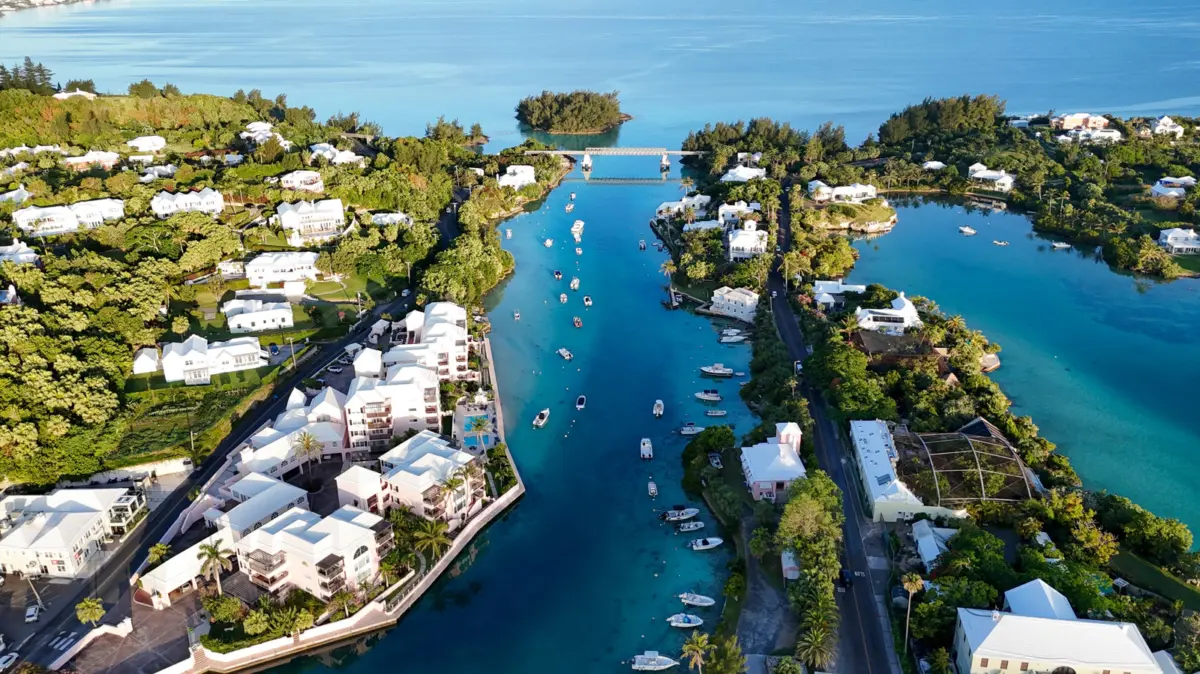
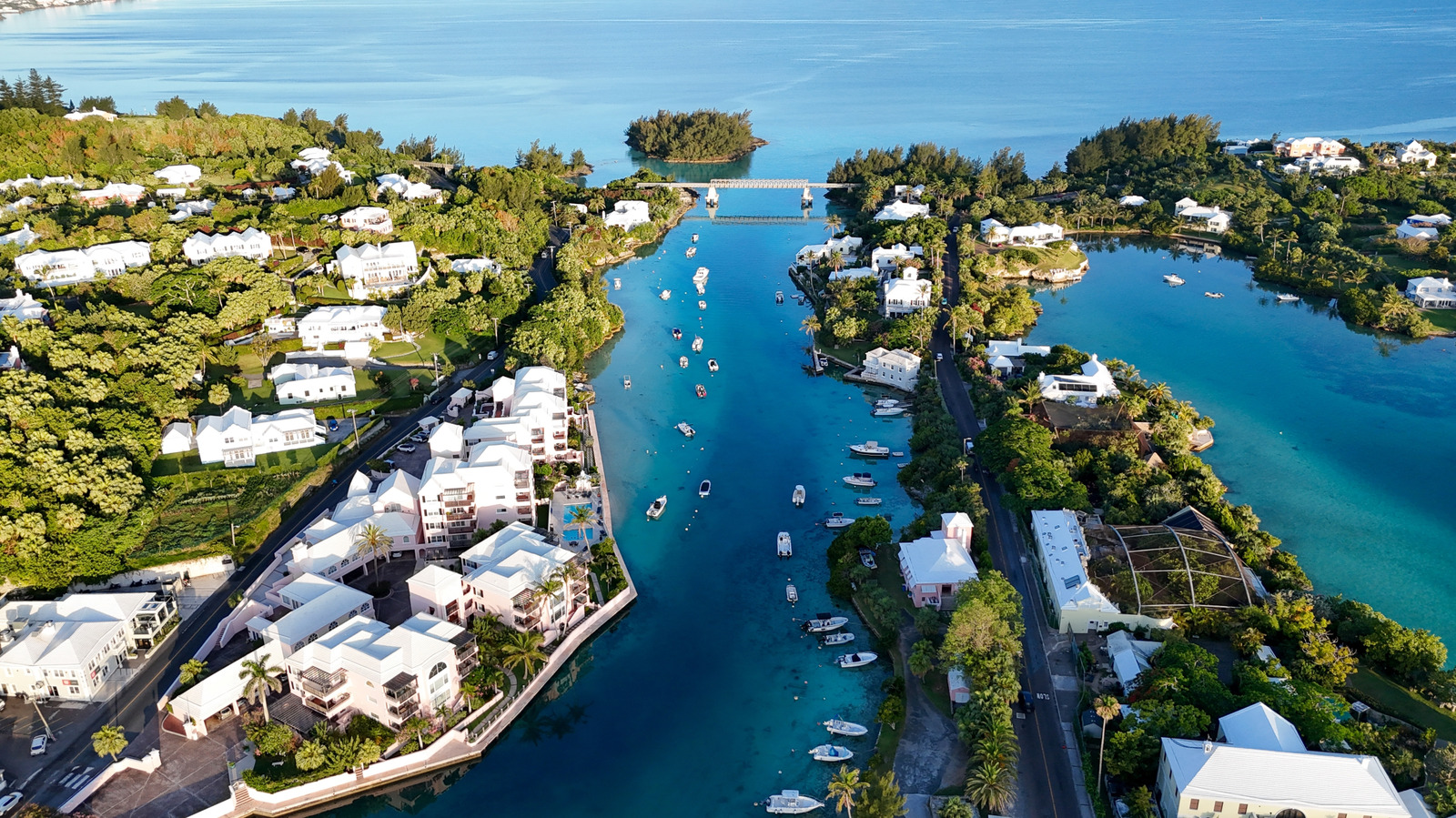
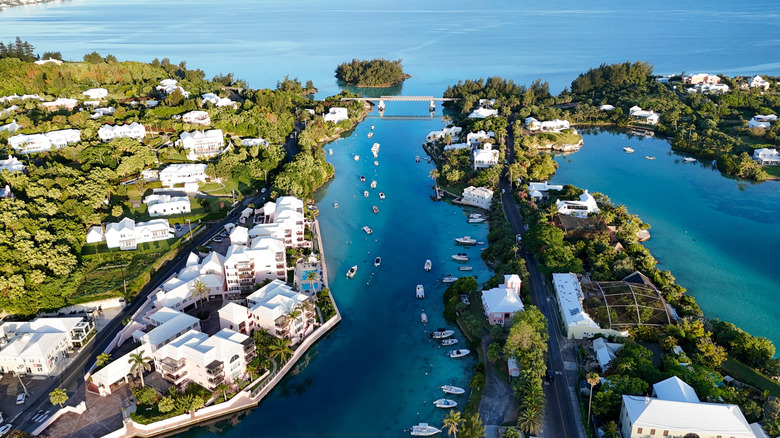
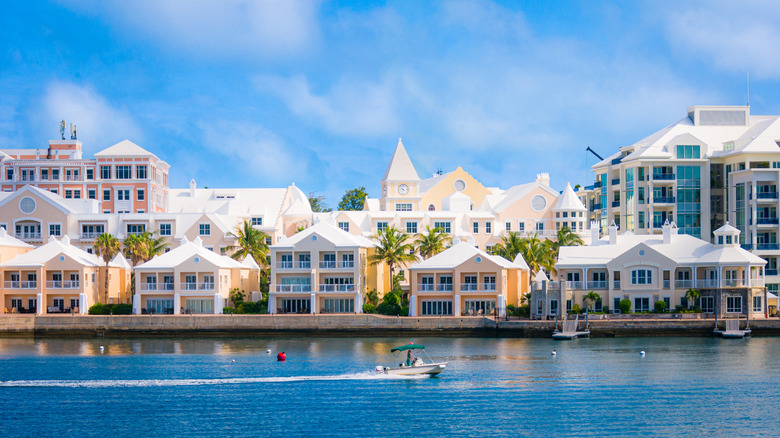
Holding the number one spot globally, Bermuda is the only territory on the index to surpass New York City. As a British Overseas Territory in the North Atlantic, its remote location mandates that nearly all consumer goods, food, and energy supplies be imported. Furthermore, its local currency is pegged directly to the U.S. dollar, driving domestic prices up. Yet, for visitors, Bermuda offers world-class pink-sand beaches, exceptional coral reef diving, and historical maritime lore tied to the legendary Bermuda Triangle.
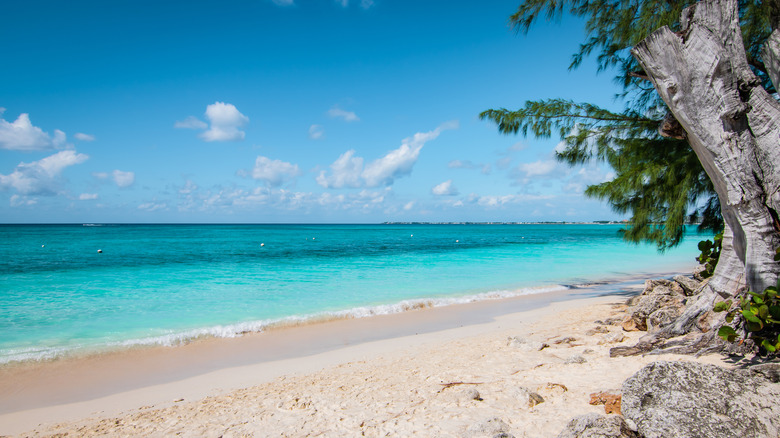
Once dogged by a reputation as a secretive hub for tax shelters, the Cayman Islands have evolved into a sophisticated, highly regulated international financial center. As a British Overseas Territory, its high cost of living is propped up by luxury real estate demands and heavy reliance on imported commodities. Beyond the balance sheets, the archipelago boasts the world-famous Seven Mile Beach, the Blue Iguana Reserve, and unique ecological wonders like the bioluminescent plankton at Rum Point.
3. Switzerland (Index Score: Approximately High Tier / European Leader)
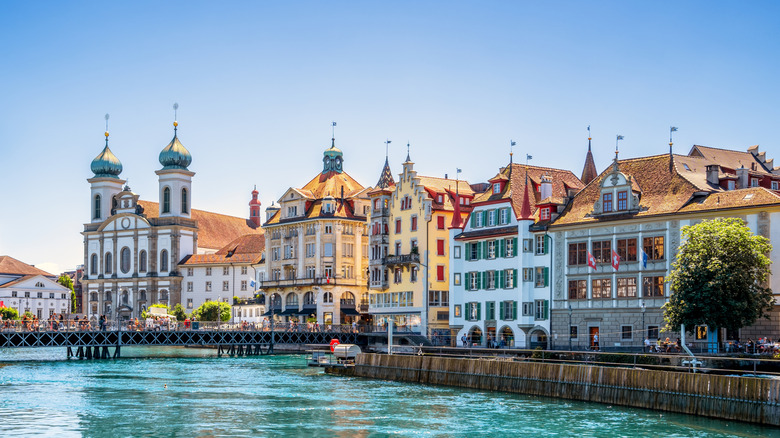
Switzerland’s inclusion near the apex of global cost rankings comes as no surprise. Famed for its political neutrality, world-class banking sector, and wealth management services, the country demands sky-high wages to match its living expenses. However, residents and travelers are compensated with pristine alpine environments. From skiing the Matterhorn and exploring fjord-like Lake Lucerne to navigating the cobblestone streets of the UNESCO-recognized Old City of Bern, Switzerland monetizes its unmatched natural and infrastructural quality.
4. The U.S. Virgin Islands (Index Score: Upper Tier)
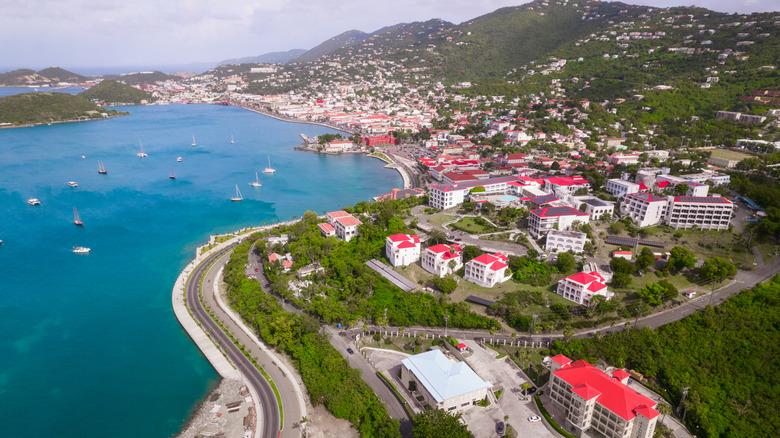
Situated in the northeastern Caribbean, the U.S. Virgin Islands experience magnified utility, energy, and grocery expenses due to maritime shipping logistics. While U.S. citizens enjoy frictionless travel without passport requirements—spurring heavy tourism and cruise traffic—residents face mainland-surpassing costs of living. In return, the islands offer a blend of old-world European colonial architecture in Charlotte Amalie, lush rainforest treks along the Reef Bay Trail, and idyllic tropical bays.
5. Singapore (Index Score: Upper Tier Asian Leader)
Singapore represents one of the most remarkable socio-economic transformations of the 20th century. Moving from a developing post-colonial port in 1965 to a hyper-modern global financial powerhouse, Singapore’s extreme land scarcity and strict governmental land-use policies have driven property and vehicle ownership costs to elite levels. Culturally rich districts like Chinatown, Little India, and Kampong Glam sit alongside iconic billionaire-class developments like Marina Bay Sands and Gardens by the Bay.
6. The Bahamas (Index Score: Upper Tier)
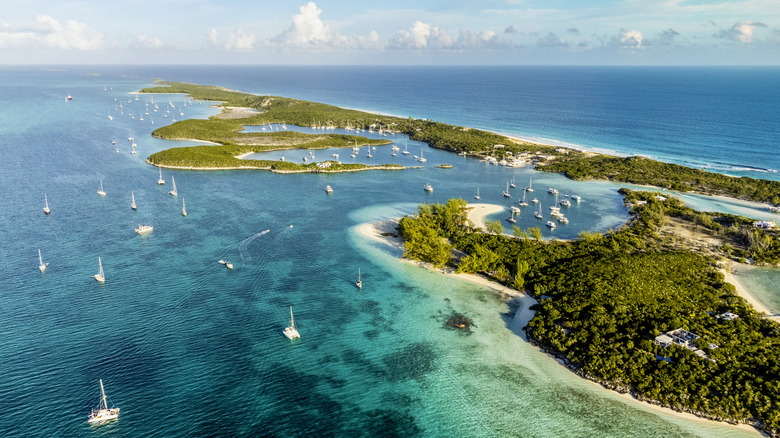
The Bahamas shares economic pain points common to island archipelagos: absolute reliance on imported goods and a strong influx of ultra-wealthy expatriates seeking favorable tax policies. Spanning hundreds of picturesque islands off the coast of Florida, the Bahamas balances high daily living expenses with legendary natural beauty, from the mangroves of Lucayan National Park to the famous swimming pigs of Big Major Cay.
7. Iceland (Index Score: Upper Tier European Island)
As Europe’s most geographically isolated nation, Iceland battles the compounding effects of high shipping costs, import dependency, limited internal market competition, and national inflation. While living in Reykjavik or the rural regions requires a robust financial cushion, the island nation rewards those willing to pay the price with otherworldly landscapes: the roaring Goðafoss waterfall, the geothermal warmth of the Blue Lagoon, volcanic highlands, and the ethereal dancing of the northern lights.
8. Jersey (Index Score: Upper Tier Crown Dependency)
Located in the English Channel closer to the coast of France than the UK, Jersey operates as a self-governing Crown Dependency with its own fiscal policies and a 0% corporate tax rate for most enterprises. This positioning has made it a formidable offshore financial hub. Culturally distinct, Jersey fuses British administrative systems with French continental flair, offering residents and tourists sweeping Atlantic-facing coastlines like St. Ouen’s Bay and medieval historical sites like Mont Orgueil Castle.
9. Hong Kong (Index Score: Upper Tier Megacity)
Hong Kong’s high cost of living is driven by a simple economic reality: hyper-extreme population density squeezed onto a severely limited landmass, compounded by its legacy as a foundational Asian Tiger economy and global trading nexus. While housing costs can be astronomical, the city-territory offers a vibrant, dynamic urban experience. Night markets brimming with steamed dim sum, Victoria Harbour ferry crossings, and attractions like Hong Kong Disneyland define its unique cultural texture.
10. Solomon Islands (Index Score: 65.4)
Squeezing into the bottom of the global top ten, the Solomon Islands highlight the complex economic vulnerabilities of South Pacific developing nations. While general wages and local purchasing power face severe constraints, imported fuel, electricity, and manufactured goods come at staggering premiums due to extreme ocean remoteness. Despite these domestic economic hurdles, the archipelago east of Papua New Guinea provides a breathtaking frontier of dense cloud forests, volcanic peaks like Kolombangara, and pristine World War II historical dive sites.
Official Statements & Expert Analysis
Economic analysts tracking Numbeo’s 2026 release emphasize that "cost of living" must be evaluated through a dual lens: resident survival versus traveler expenditure.
"When evaluating Numbeo’s index, we must distinguish between the structural burdens placed on local labor forces and the discretionary spending of international visitors," notes Dr. Elena Vance, Senior Global Macro-Economist at the Institute for International Development. "Island territories and isolated micro-states face an inescapable ‘import tax’ baked into their geography. When every apple, barrel of oil, and sheet of drywall must arrive via cargo ship or aircraft, high consumer price indices are structurally guaranteed. Yet, these exact same geographic barriers preserve the pristine natural assets that make these locations globally desirable in the first place."
Financial planners additionally point out that tax-haven policies—implemented successfully in jurisdictions like Jersey, the Cayman Islands, and the Bahamas—act as a double-edged sword. While they stimulate massive inward capital investment and swell GDP figures, they simultaneously inflate real estate values and consumer goods pricing, pricing out foundational local workforce populations.
Future Outlook: What Lies Ahead Beyond 2026?
As global trade dynamics, climate adaptation policies, and shipping logistics continue to transform through the late 2020s, the economic topography of these top ten locations will face continuous testing.
Supply Chain Resiliency and Green Energy Transition: For isolated island territories like Bermuda, the Bahamas, and the Solomon Islands, heavy reliance on imported fossil fuels remains the primary driver of high utility costs. Future cost stabilization will largely depend on aggressive investments in local renewable energy infrastructure—such as solar, wind, and geothermal power (as successfully modeled by Iceland).
Housing Policy Interventions: In hyper-dense urban and territorial centers like Hong Kong, Singapore, and Jersey, government intervention in public housing supply and foreign buyer stamp duties will dictate whether the cost-of-living curve can be flattened. Without robust zoning reforms, the affordability gap between ultra-wealthy expatriates and local service workers threatens to widen.
The Digital Nomad and Expatriate Shift: The proliferation of remote work policies globally has altered migration patterns. As more high-earning digital professionals seek out scenic locales with high standards of living—such as Switzerland, the U.S. Virgin Islands, and the Cayman Islands—demand for premium housing and lifestyle services will likely keep index scores elevated well into the next decade.
Ultimately, whether viewed as permanent homes for the global elite or bucket-list destinations for the discerning traveler, these ten places remind us that exceptional beauty, security, and strategic global connectivity command an undeniable market premium.