










Executive Overview
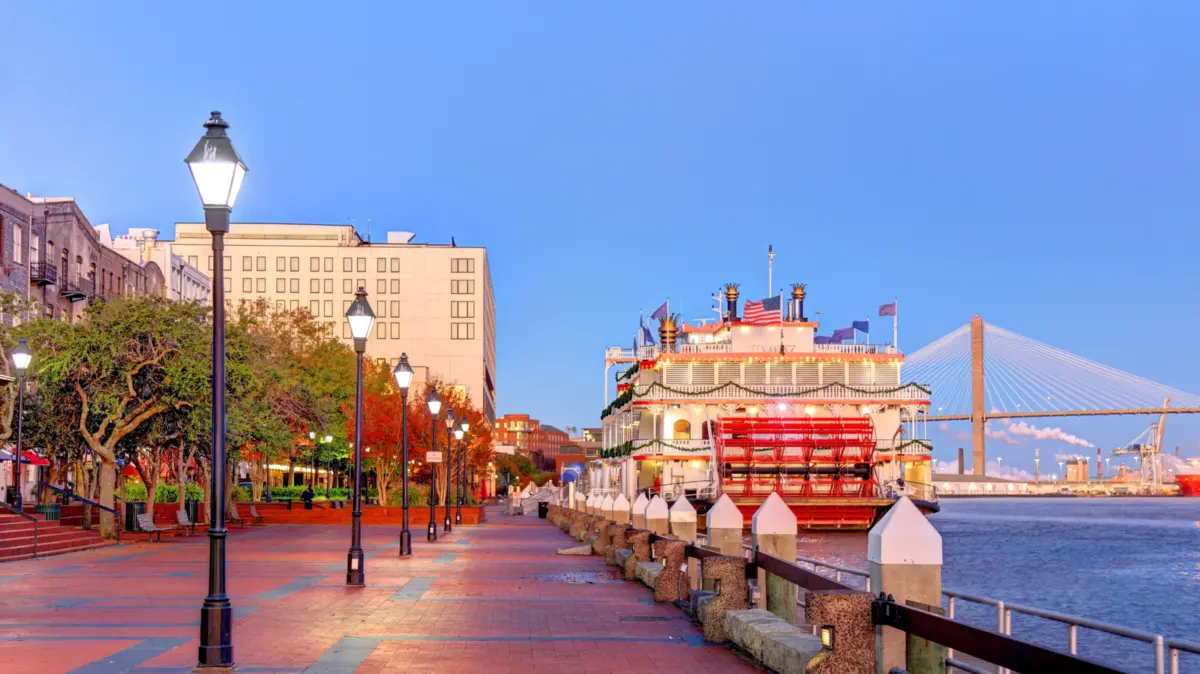
Savannah, Georgia, holds a prestigious and cherished place in the American architectural and cultural landscape. Widely celebrated as America’s first planned city, the coastal gem captivates travelers from across the globe with its awe-inspiring network of verdant public squares, cobblestone thoroughfares, and grand, centuries-old live oak trees draped in ethereal curtains of Spanish moss. For decades, the city has maintained a stellar reputation as a premier destination for travelers seeking a deep, immersive dive into antebellum history, romantic Southern hospitality, and world-class regional cuisine.
Yet, beneath the glossy veneer of southern charm and postcard-perfect aesthetics lies a growing tension between authentic cultural preservation and the relentless commercialization of historic spaces. This friction is most vividly embodied in City Market, a sprawling, open-air pedestrian and commercial district located in the historic heart of downtown Savannah.
While City Market remains an undeniably popular waypoint for thousands of visitors daily—drawing high marks for its lively atmosphere, open-container alcohol laws, and vibrant street performances—it has simultaneously earned a much more cynical distinction. In a recent comprehensive ranking by Yahoo! Finance surveying the worst tourist traps across every U.S. state, City Market was singled out as Georgia’s premier offender. Critics, travel writers, and local residents alike argue that the historic marketplace has devolved into an overpriced, inauthentic commercial zone dominated by generic retail and underwhelming dining options.
This report investigates the complex duality of Savannah’s City Market. By examining its 18th-century origins, analyzing contemporary public sentiment, evaluating economic factors, and exploring alternative local destinations, this piece uncovers the reality behind one of the South’s most fiercely debated public spaces.
Detailed Chronology: From Colonial Provision Ground to Modern Entertainment Hub
To understand how City Market arrived at its current polarizing status, one must look back through more than two and a half centuries of urban evolution. The history of the marketplace is inextricably linked to the founding and layout of Savannah itself.
The 18th Century: Establishment and Early Commerce
The roots of City Market stretch back to 1755, decades before the birth of the United States. During the early colonial period under British rule, the site was conceived as a vital open-air market square. Designed to serve the immediate survival and economic needs of Savannah’s burgeoning population, it functioned as a bustling nexus where local farmers, fishermen, trappers, and merchants gathered to trade fresh provisions, agricultural goods, and imported dry goods. In an era before refrigeration or centralized supply chains, the market was the literal heartbeat of daily life in Georgia’s colonial capital, establishing an early precedent for the location as a center of community gathering and commerce.
The 19th and Early 20th Centuries: Expansion, Decay, and Demolition
As Savannah grew throughout the 1800s, the physical infrastructure of the market expanded to accommodate a rapidly industrializing port city. Stalls were formalized, brick structures were erected, and the surrounding streets became choked with wagons, merchants, and shoppers. However, as the twentieth century progressed, urban migration patterns, changing consumer habits, and the rise of modern grocery stores and supermarkets led to the gradual economic decline of traditional downtown markets. By the mid-20th century, the original historic market buildings had fallen into severe disrepair, ultimately leading to their demolition as part of urban renewal initiatives—a decision that many historic preservationists later viewed as a tragic loss of architectural heritage.

The Late 20th Century: The Urban Renewal and Reconstruction Era
The modern incarnation of City Market is not an unbroken 18th-century survival, but rather the product of a massive late-20th-century urban revitalization effort. During the 1980s and 1990s, city planners, historical societies, and private developers sought to breathe new economic life back into downtown Savannah by reimagining the historic market footprint.
Modeled loosely on the architectural vernacular of the past, the newly constructed pedestrian zone—encompassing open-air courtyards, renovated brick warehouses, and restored loft spaces—was explicitly designed to capture tourist dollars. This calculated shift transformed the district from a utilitarian civic marketplace into a leisure-oriented entertainment and retail zone, setting the stage for the modern debate over authenticity versus commercialism.
Supporting Context & Metrics: The Anatomy of a Modern Tourist Trap
Defining a "tourist trap" is an exercise in balancing subjective visitor satisfaction with objective economic and logistical indicators. In the case of Savannah’s City Market, public data, digital review platforms, and resident commentary paint a nuanced picture of high foot traffic juxtaposed with growing consumer dissatisfaction.
The Economic Realities: Inflation and Price Gouging
One of the primary criticisms leveled against City Market by both budget-conscious travelers and local residents is the steep inflation of prices. Because the district holds prime real estate within the National Historic Landmark District, commercial lease rates are exceptionally high. Business owners pass these overhead costs directly onto consumers, resulting in marked-up menus and souvenir pricing that routinely shocks visitors.
For instance, iconic regional novelties like Wet Willie’s—famous for its high-octane, self-serve alcoholic slushies—have faced mounting criticism on platforms like Google Reviews and TripAdvisor. While visitors once found the novelty drinks reasonably priced, contemporary reviews highlight a stark economic reality: a large beverage can easily exceed $14 before gratuity. When multiplied across a family vacation or a weekend bachelorette party, the costs accumulate rapidly, leaving many patrons feeling financially exploited for a relatively standard beverage experience.
Pedestrian Dynamics and Safety Concerns
City Market spans a multi-block pedestrian-only zone that encourages lingering, day-drinking, and outdoor socializing. Savannah’s famous municipal ordinances allowing open containers of alcohol contribute heavily to the festive, carnival-like atmosphere that peaks during weekend evenings and holiday seasons.
However, this high-energy environment introduces distinct operational challenges. Local residents frequently point out in community forums, such as the popular Reddit community r/savannah, that the district shifts dramatically in character after sundown. While families and daytime sightseers navigate the cobblestones safely, evening crowds can become unruly, leading to localized security concerns, petty theft, and an overall degradation of the historic ambiance that draws visitors to Savannah in the first place.
The Saving Grace: Art Galleries and Specialty Craft Shops
Despite widespread criticism of the district’s bars, casual eateries, and souvenir shops, consumer metrics reveal a clear bright spot within City Market: the visual arts.
While mass-produced trinket shops dominate certain storefronts, the historic lofts and restored buildings house several well-regarded local art spaces. Establishments such as the contemporary A.T. Hun Art Gallery and the Signature Gallery of Savannah consistently earn high praise from visitors. These spaces showcase original works, hand-crafted jewelry, and fine art by regional creators, offering a genuine cultural anchor in an otherwise heavily commercialized environment.
Official Statements & Community Perspectives
The friction between local preservationists, everyday residents, and the tourism industry provides a critical lens through which to evaluate City Market’s place in Savannah’s cultural ecosystem.
Resident Sentiments: Navigating the "Trap"
Within the local community, the consensus regarding City Market is overwhelmingly skeptical. Long-term Savannah residents generally avoid the district, preferring to frequent locally owned establishments in the Victorian District, the Starland District, or along the quieter residential squares.
In a widely discussed discussion thread on the r/savannah forum, local contributors did not mince words when evaluating the commercial hub. One prominent user summarized the local perspective bluntly:
"Tourist trap, dangerous after sundown, all the establishments are underwhelming. The coolest places in City Market are the art galleries."
This sentiment underscores a broader cultural disconnect: spaces created specifically for tourist consumption often fail to resonate with locals who value quiet authenticity, community utility, and high culinary standards over manufactured charm.
Tourism Industry Defense: Entertainment and Accessibility
Conversely, defenders of City Market—including tourism boards, hospitality operators, and many out-of-town visitors—argue that the district fulfills an essential role within the broader Savannah tourism portfolio. Proponents emphasize that City Market provides an accessible, high-energy environment where visitors can experience Savannah’s relaxed open-container laws, enjoy live street music, and find convenient dining without needing to navigate complex logistical hurdles.
Positive reviews on travel platforms frequently highlight standout exceptions to the general critique. For example, patrons of venues like the Wexford Irish Pub routinely award five-star reviews, praising the quality of live musical acts and reasonably priced pub fare. For the casual traveler seeking an animated social atmosphere, the market delivers exactly what it promises: a centralized, accessible entertainment zone.
Future Outlook: Evolving Beyond the Trap
As Savannah continues to experience unprecedented tourism growth, city planners, real estate developers, and local business leaders face mounting pressure to evolve the historic district to meet modern expectations of quality, sustainability, and authenticity.
Diversifying the Historic Core
To shed the "tourist trap" label, urban planning experts suggest that City Market must incorporate a more balanced mix of locally driven retail, cultural programming, and community-centric spaces. Relying solely on high-turnover bars, souvenir stands, and overpriced eateries risks alienating sophisticated travelers who increasingly demand authentic, immersive cultural experiences. By elevating local artisans, expanding fine-dining options, and tightening safety and crowd-management protocols, the district could reclaim some of its historical dignity.
Exploring Alternative Destinations in Savannah
Fortunately for travelers who find City Market’s commercialized atmosphere underwhelming, Savannah offers a wealth of alternative districts that showcase the city’s genuine architectural and cultural splendor:
- The Plant Riverside District: Located along the scenic Savannah River, this massive, state-of-the-art entertainment hub transformed a historic power plant into a premier destination. It blends striking industrial architecture with upscale dining, luxury lodging, and vibrant public spaces, offering a polished alternative to City Market.
- The Paris Market: Situated on vibrant Broughton Street, this curated emporium channels European elegance blended with Southern sensibility. It serves as an ideal destination for travelers seeking unique, high-end treasures, antiques, and artisan goods rather than mass-produced souvenirs.
- The Historic Residential Squares: A simple walking tour through Savannah’s iconic historic squares—such as Chippewa Square, Madison Square, and Monterey Square—provides an unmatched encounter with the city’s antebellum architecture, lush gardens, and tranquil atmosphere, entirely free of commercial clutter.
Conclusion
Savannah’s City Market remains a fascinating study in modern tourism dynamics. While it has earned its reputation as a commercialized tourist trap characterized by inflated prices and generic offerings, it simultaneously serves as a lively social hub for thousands of visitors seeking effortless entertainment. Whether City Market is an essential stop or a destination to bypass entirely depends on what a traveler seeks: a quiet, authentic glimpse into Savannah’s historic soul, or a high-energy evening of drinks, music, and bustling street life.