








Executive Overview
For decades, the high-end yacht charter market has been gripped by a relentless pursuit of the new. Shipyards across Northern Europe and the Mediterranean continuously push the boundaries of naval architecture, rolling out futuristic mega-yachts equipped with glass-bottomed pools, helipads, and cutting-edge propulsion systems. However, the latest boat show season has brought a profound paradigm shift to the forefront of the luxury maritime industry. Seasoned brokers, discerning charterers, and industry veterans are increasingly turning their backs on fresh-from-the-shipyard novelties, championing instead the enduring appeal of established, meticulously maintained classic yachts.
This trend is far more than a passing nostalgic fancy; it is a structural evolution within the superyacht ecosystem. Today’s luxury travelers are discovering that some of the most admired, comfortable, and reliable vessels on the water were built decades ago. Elevated by multi-million-dollar refits, these proven platforms combine the robust engineering of a bygone era with the ultra-modern connectivity and luxury amenities expected by contemporary elites. Recognizing this cultural shift, leading international yacht awards have introduced dedicated refit and restoration categories, celebrating the exceptional craftsmanship, structural longevity, and timeless pedigree that these seasoned vessels embody.
Chartering a classic or established yacht offers a masterclass in value, volume, and service. Far from being outdated relics, these vessels represent the golden intersection of historical soul and modern high-tech luxury. From legendary historical vessels that once hosted royalty and Hollywood icons to family-run charter favorites helmed by crews with decades of collective experience, the case for choosing an established yacht over a brand-new build has never been more compelling.
Detailed Chronology: The Evolution of the Refit and Restoration Movement
To understand how the modern charter market arrived at this crossroads, it is necessary to examine the historical trajectory of yacht construction and the evolution of the refit sector.
The Era of Over-Engineering (1940s–1990s)
Yachts constructed 15, 20, 30, or even 80 years ago were born out of a fundamentally different manufacturing philosophy. During the mid-to-late 20th century, commercial efficiency and rapid production schedules took a backseat to sheer structural integrity. Shipyards such as Heesen, Palmer Johnson, and historical builders like Canadian Vickers engineered vessels with exceptionally heavy-gauge steel hulls, generous interior volumes, and materials chosen for lifelong endurance rather than lightweight aesthetic trends.
Notable milestones from this era include:
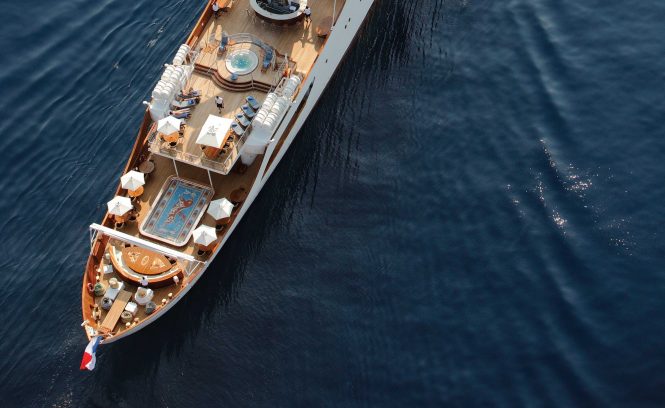
- 1943: The birth of CHRISTINA O. Built by Canadian Vickers as a Canadian Frigate, she would later be transformed by shipping tycoon Aristotle Onassis into the ultimate floating social club, hosting world leaders, artists, and royalty.
- 1963: The launch of TEMPEST WS by Chantiers Navals De Lesterel in France, originally built as a high-performance patrol boat before her transformative conversion into a deluxe charter yacht four decades later.
- 1992 & 1997: The launches of Dutch pedigree builder Heesen’s MAGIX and Palmer Johnson’s charter staple LADY J, respectively. Both vessels were constructed during a period when classic lines and heavy-duty naval architecture reigned supreme.
The Refit Revolution (2000s–Present)
As technology advanced exponentially at the turn of the millennium, older yachts faced a stark choice: modernize or fade into obsolescence. This sparked the modern refit revolution. Owners began pouring significant capital into comprehensive rebuilds.
Crucial turning points include the extensive rebuilding of CHRISTINA O in the early 2000s—and her subsequent major technical refit in 2022—which proved that historical vessels could successfully integrate contemporary luxury without erasing their past. Similarly, contemporary industry awards began establishing dedicated "Best Refit" categories, formally validating the immense engineering feats required to update vintage hulls with modern stabilization, hybrid propulsion, and high-speed satellite communications like Starlink.
Supporting Context & Metrics: Value, Volume, and Crew Longevity
When analyzing why experienced charterers systematically bypass new builds in favor of mature yachts, four core pillars emerge: spatial volume, economic value, technological integration, and crew stability.
1. Spatial Volume and Generous Proportions
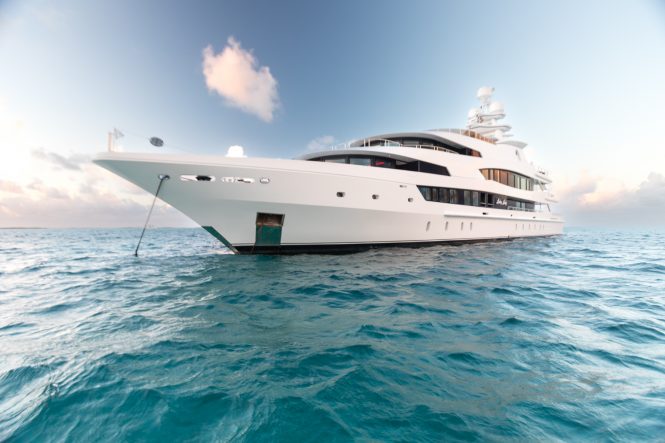
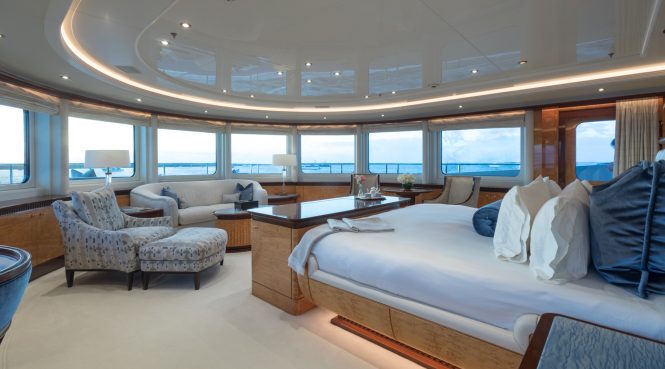
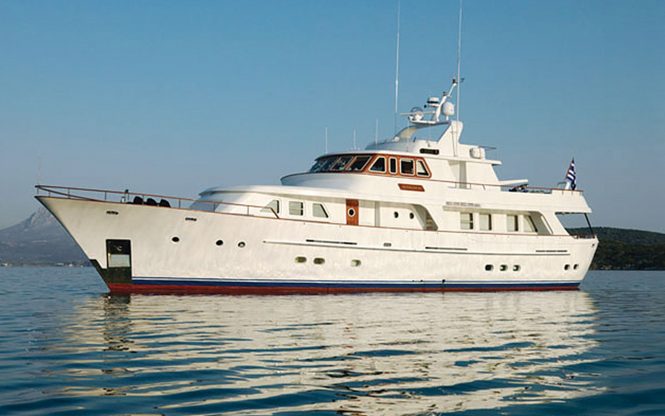
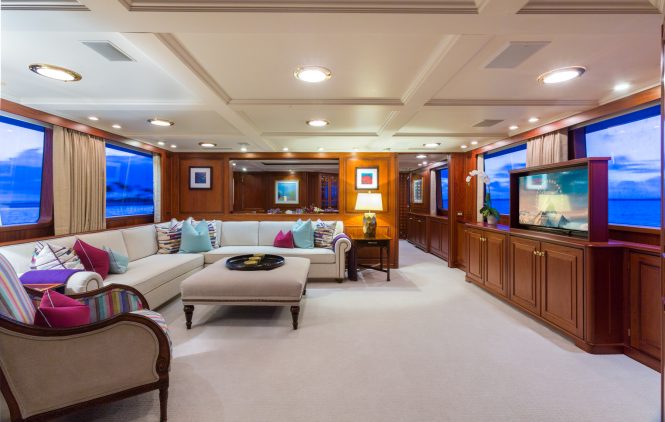
One of the most striking differences between contemporary yacht design and historical construction is interior volume. Modern minimalist trends often prioritize sleek, low-profile exterior lines that can occasionally compromise interior headroom and guest space. Conversely, older vessels were built during an era when spacious staterooms, wide corridors, and expansive ceiling heights were standard. Yachts like the 62m LUCKY LADY and the 42m LADY J offer an abundance of living space that modern builds of comparable lengths struggle to match without sacrificing exterior deck real estate.
2. The Economic Value Proposition
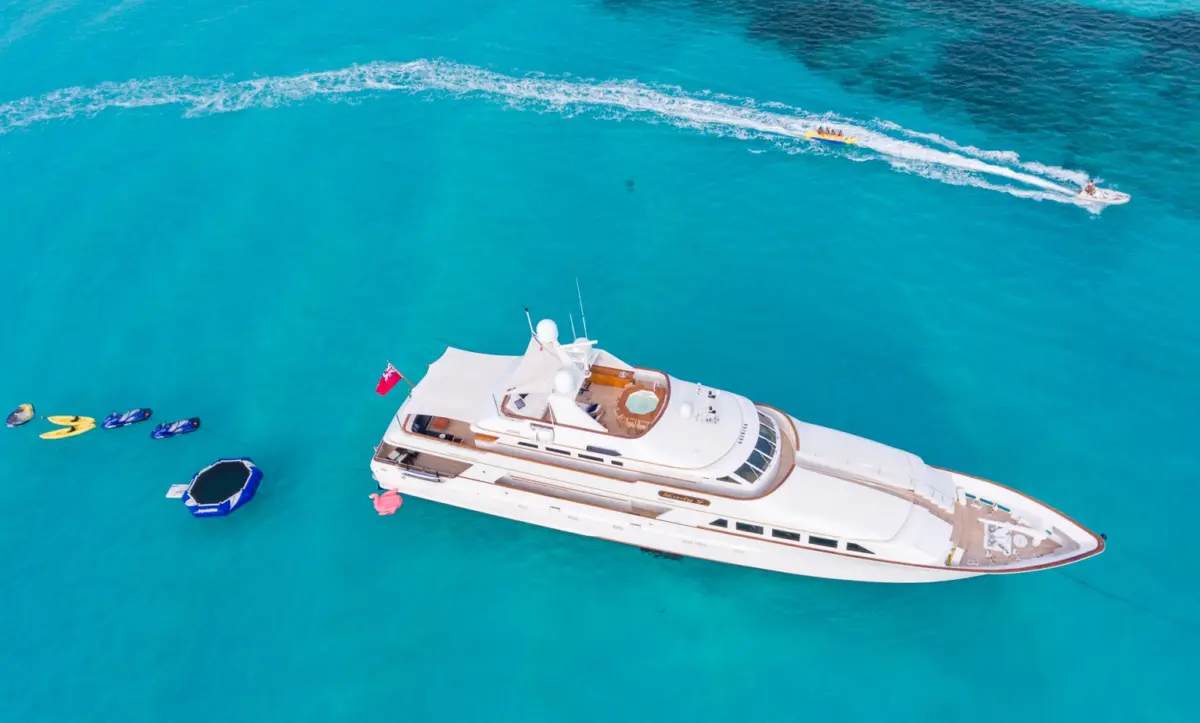
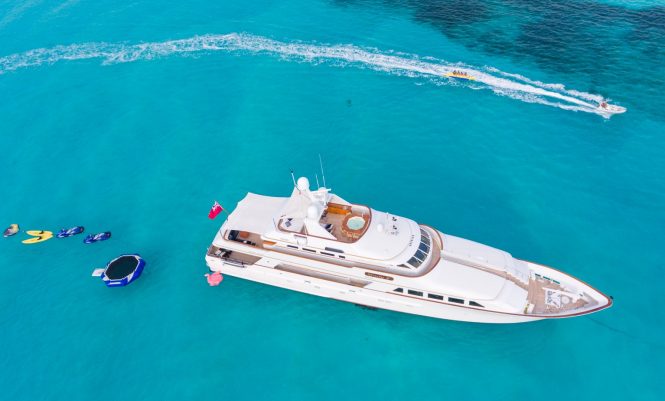
Economics play a decisive role for many charter syndicates and families. Chartering a brand-new, cutting-edge superyacht often commands a massive financial premium simply due to its novelty. In contrast, mature yachts deliver extraordinary financial value. Guests frequently secure significantly larger deck footprints, expansive sun decks, fully equipped beach clubs, and extensive water toy inventories for a charter fee substantially lower than that of a newly delivered vessel of equivalent size.
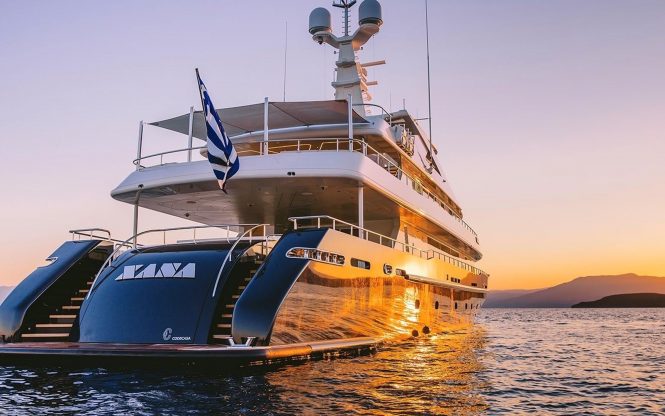
A prime example is the 31m SUNCOCO, which has cultivated a stellar reputation on the Greek charter market. She provides impeccably curated living areas and classic elegance, offering unmatched value within her size category.
3. Technological Parity via Modern Upgrades
A common misconception is that choosing an older yacht means sacrificing modern conveniences. Thanks to continuous reinvestment by passionate owners, seasoned yachts are routinely outfitted with the latest technological infrastructure. High-speed Starlink maritime internet, state-of-the-art audiovisual entertainment systems, zero-speed stabilization fins, and eco-friendly waste management systems are now standard across top-tier charter fleets.
4. Crew Harmony and Operational Excellence
Perhaps the most overlooked asset of an established charter yacht is its crew longevity. While a brand-new yacht often debuts with a newly assembled crew still learning how to operate together seamlessly, seasoned charter yachts frequently boast captains and core crew members who have worked in absolute synchronization for a decade or more.
Yachts such as LADY J—whose captain has served onboard for over ten years—exemplify this operational synergy. These crews know every nuance of the vessel’s systems, understand precise service flows, and possess deep, localized destination knowledge that cannot be read from a manual. This operational clockwork transforms a standard holiday into an effortless, highly personalized maritime journey.
Official Statements & Expert Perspectives
Industry leaders who manage elite superyacht fleets offer profound insights into this shifting consumer mindset. LJ Houghting, an esteemed Charter Manager overseeing an exceptional portfolio of luxury vessels, highlights the emotional and functional disconnect between a yacht’s launch year and its actual onboard experience:
"Often, a yacht’s launch year bears little resemblance to the sophistication of her interiors or the modern comforts she offers today," explains Houghting. "Many of these beautifully seasoned vessels have been continuously refined over the years, blending timeless craftsmanship with contemporary amenities such as Starlink connectivity and state-of-the-art upgrades. What people sometimes overlook is the extraordinary passion their owners have for preserving these classics—investing in them not simply out of necessity, but out of genuine love and admiration for the vessel herself. You can truly feel that devotion the moment you step aboard yachts like the 42m LADY J and the 62m LUCKY LADY."
This sentiment is echoed by seasoned charter guests, many of whom realize too late that prejudices against older vessels can rob them of exceptional experiences. As one returning charterer noted:
"Many charterers who exclude yachts that are over 20 years old miss the opportunity to stay on the most delightful, comfortable, well-appointed, luxurious pleasure craft."
Industry professionals also point to standout vessels currently dominating the charter market and award circuits. The 43m TALIA, led by the pioneering sole female charter captain operating in Greece, earned a coveted nomination at the World Superyacht Awards in the refit category. Her success, alongside the 54m SOJO (formerly Blue Narwhal), proves that historical pedigree paired with intelligent modern redesigns can successfully captivate the most demanding critics in global yachting.
Future Outlook: The Enduring Appeal of Authenticity
As the luxury tourism and charter markets look toward the future, the valuation of authenticity over mass-produced novelty is gaining unprecedented momentum. In a hyper-connected, fast-paced world where consumers are increasingly fatigued by temporary trends, historical pedigree offers a grounding sense of permanence.
The superyacht charter sector is projected to see continued growth in specialized refit divisions. Shipyards specializing in restorations are experiencing record backlogs as owners recognize that preserving and modernizing a proven hull is both an environmentally responsible choice and an aesthetic triumph.
For future charter guests, the message is clear: the most rewarding maritime holidays are not necessarily found on the newest vessel to slide down a slipway. Instead, they are found on yachts with a soul—vessels that have weathered oceans, hosted generations of elite travelers, and been lovingly preserved by crews and owners dedicated to timeless excellence. When planning a bespoke escape, looking backward to established history often proves to be the most luxurious step forward a traveler can take.