











Executive Overview
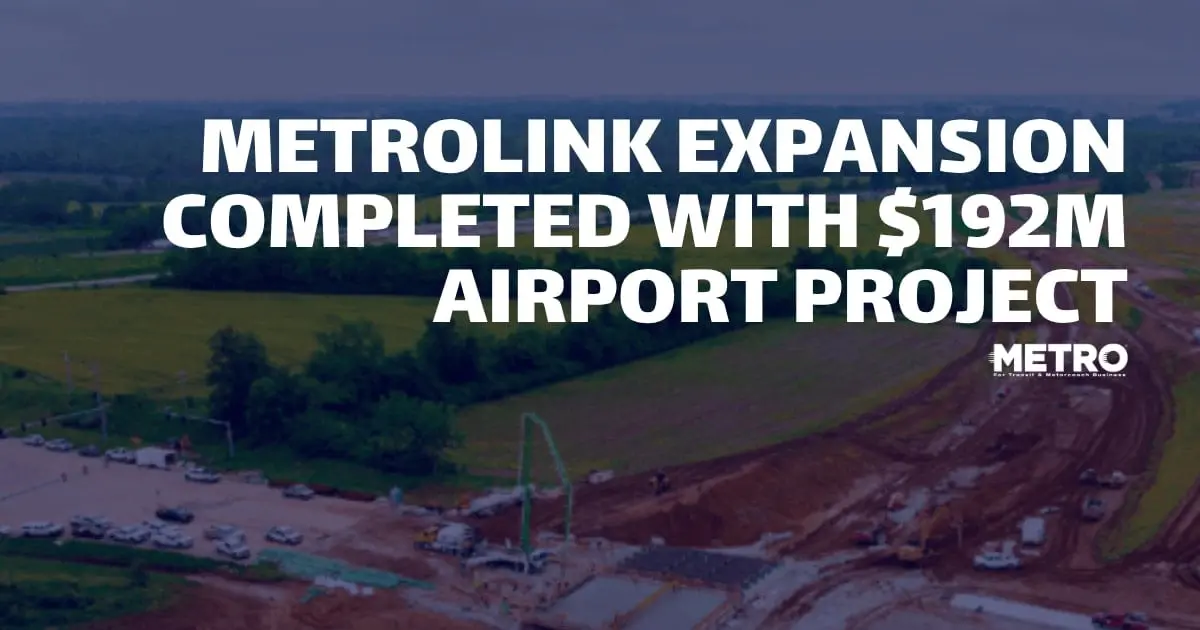
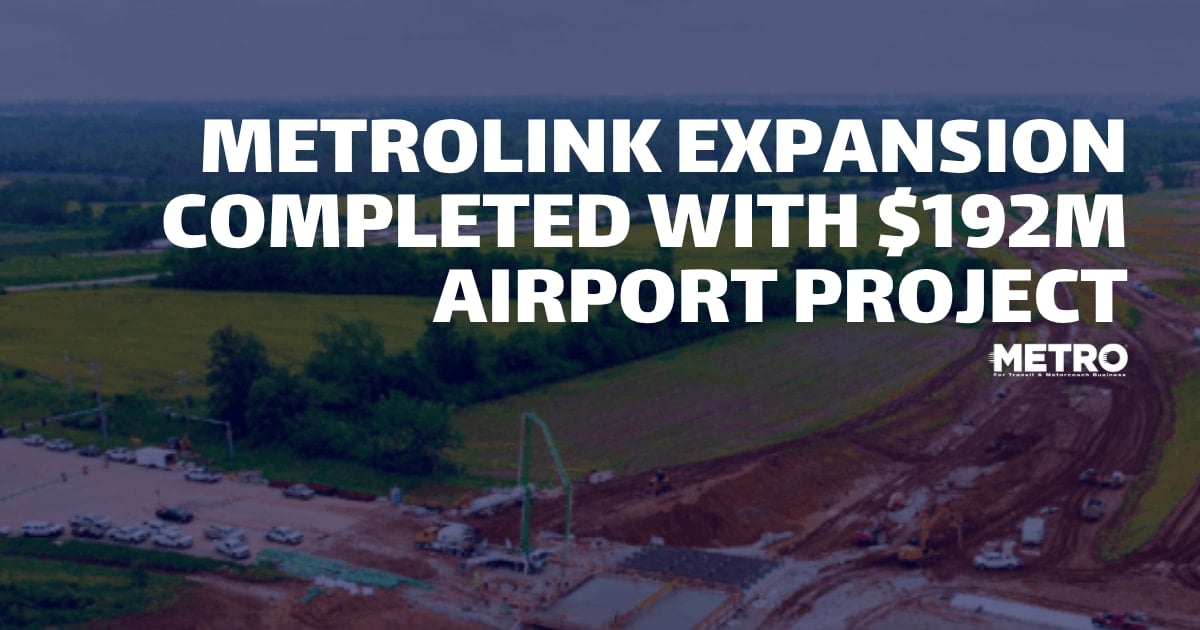
In a milestone achievement for Midwestern infrastructure, regional leaders, transit officials, and state dignitaries recently gathered to celebrate the official construction completion of the MetroLink Extension to MidAmerica St. Louis Airport. This transformative $192 million multimodal initiative links two major St. Louis-area airports via light rail, creating a seamless transit corridor across state lines while drastically upgrading regional roadways, active transportation networks, and economic development potential.
Spanning St. Clair County, Illinois, and extending deep into the bi-state St. Louis metropolitan area, the project represents a masterclass in regional collaboration, fiscal discipline, and strategic planning. Funded entirely without federal assistance or new taxpayer debt, the infrastructure marvel was brought to life through an innovative partnership between the State of Illinois and the St. Clair County Transit District (SCCTD).
As the project transitions from construction to rigorous safety testing, anticipation builds for the official launch of revenue service in the coming months. Once operational, the extension will add MetroLink’s 39th station, establishing a direct, unbroken rail connection between MidAmerica St. Louis Airport and St. Louis Lambert International Airport along a comprehensive 43-mile light rail system. Beyond the rails, the initiative delivers critical roadway expansions, bike trail integration, and a profound economic catalyst for two of southern Illinois’ most vital employment engines: MidAmerica St. Louis Airport and Scott Air Force Base.
Detailed Chronology and Project Scope
The realization of the MidAmerica St. Louis Airport MetroLink extension is the culmination of decades of regional planning, intensive engineering, and meticulous execution. While the ribbon-cutting ceremony marked the ceremonial end of construction, the journey to this milestone required navigating complex logistical, environmental, and financial landscapes.
The Path to Completion
Planning for improved transit access to MidAmerica St. Louis Airport has long been a priority for regional planners seeking to unlock the full commercial and passenger potential of the joint-use facility. The breakthrough came through a robust financial and operational coalition that leveraged state capital programs alongside local transit district investments.
The project broke ground following rigorous pre-construction phases that included extensive archaeological surveys and coordination with Native tribes to identify, document, and preserve culturally and historically significant resources along the alignment. Despite supply chain hurdles and complex civil engineering challenges that typically plague major rail projects, the extension was delivered on time and within its strict financial parameters.
A Three-Part Multimodal Blueprint
The $192 million investment was not merely a single-track rail project; it was architected as a comprehensive, three-part multimodal infrastructure overhaul designed to cater to transit riders, motorists, cyclists, and logistics operations alike.

- The Light Rail Extension: The core of the project is the single-track MetroLink alignment extending from its previous terminus toward the airport. This expansion introduces the state-of-the-art MidAmerica St. Louis Airport MetroLink Station, complete with striking architectural and artistic features—most notably "Taking Flight," a large-scale sculpture by Massachusetts artist Dale Rogers featuring five 12-foot gulls in flight at the station entrance.
- Comprehensive Roadway Enhancements: To ease vehicular congestion and streamline access for airport travelers, defense personnel, and freight, the project incorporated significant highway and surface street improvements. This includes a brand-new 2.4-mile access roadway extending from Rieder Road to Airport Boulevard, creating a direct connection to Interstate 64 and establishing a modernized, efficient entryway into the airport. Additionally, a one-third-mile extension of Rieder Road was constructed from Wherry Road to Scott Air Force Base’s Cardinal Creek Gate, providing a much more direct, secure route for military personnel and base employees.
- Active Transportation Integration: Recognizing the importance of sustainable, active transit, the initiative integrated cycling and pedestrian infrastructure. Furthermore, a newly approved task order by the SCCTD will extend the MetroBikeLink Trail the final 0.7 miles directly to the new airport station, with construction slated for completion within the year.
Supporting Context, Financial Metrics, and Economic Impact
A defining characteristic of the MetroLink extension to MidAmerica St. Louis Airport is its unique financial structure and its profound projected impact on the regional economy. In an era where major capital transit projects frequently rely heavily on federal grant programs and incur long-term public debt, this initiative stands apart.
Fiscal Independence and Smart Funding
The project was financed through a targeted, bi-level partnership between the State of Illinois and the St. Clair County Transit District:
- $127 million was secured through the State of Illinois’ landmark Rebuild Illinois Capital Program.
- $65 million was contributed directly by the St. Clair County Transit District.
Remarkably, agency representatives confirmed that the project was executed with zero federal funding, resulting in no additional cost or debt burden for taxpayers. This financial discipline allowed project managers to maintain strict control over timelines and budgets, ensuring the endeavor was delivered precisely as scheduled.
Powering the Local Economy
While the transportation metrics are impressive, the socio-economic footprint of the project is equally staggering. The SCCTD already generates an annual economic impact of $129.5 million within St. Clair County, and the new extension is designed to aggressively accelerate that figure.
- Local Workforce Investment: A vast majority of project contracts were awarded locally, pumping millions of dollars directly back into the regional economy. The construction phase supported local contractors, union labor, and Disadvantaged Business Enterprises (DBEs), fostering skill development and job security across the trades.
- Fortifying Critical Economic Hubs: The alignment strategically enhances accessibility to two of the region’s premier economic powerhouses: MidAmerica St. Louis Airport and Scott Air Force Base. By linking these hubs directly to the broader St. Louis transit grid, the project creates an attractive environment for workforce recruitment and retention.
- Infill Development Potential: The corridor was intentionally designed with transit-oriented infill development in mind. Land parcels adjacent to the alignment and the new station are now primed for commercial, industrial, and residential investments, transforming what was once underutilized acreage into vibrant economic nodes.
Official Statements and Leadership Perspectives
The successful completion of construction drew praise from a broad coalition of state, county, and municipal leaders, all of whom emphasized the collaborative spirit required to bring the vision to fruition.
Illinois Governor JB Pritzker, whose administration championed the Rebuild Illinois funding, has consistently highlighted the project as a prime example of how strategic state investments can bridge geographical divides and stimulate downstate economic vitality.
St. Clair County Chairman Mark Kern addressed the broader societal implications of the build during the ribbon-cutting ceremony:
"This project is much more than a transit expansion. It is an investment in our communities, workforce, and future. By connecting MidAmerica St. Louis Airport, Scott Air Force Base, employers, and neighborhoods to the region’s transit network, we are creating new opportunities for residents while positioning St. Clair County for continued economic growth."
Ken Sharkey, managing director of the St. Clair County Transit District, underscored the immense coordination required behind the scenes:
"This project demonstrates what can happen when a bold vision is backed by strong partnerships and a commitment to follow through. A tremendous amount of planning, coordination, and hard work went into making this extension a reality."
The collaborative framework extended across a wide array of public agencies and private entities. Key project partners included:
- St. Clair County Transit District (SCCTD)
- Illinois Department of Transportation (IDOT)
- Bi-State Development / Metro Transit
- St. Clair County government
- MidAmerica St. Louis Airport
- Gonzalez Companies (engineering and design)
- Southwestern Illinois Building Trades Council
- Dozens of specialized prime contractors and subcontractors
Future Outlook: The Road Ahead
With heavy construction officially in the rearview mirror, the project has entered its next critical phase: comprehensive safety testing, operational integration, and system commissioning.
Transition to Revenue Service
Over the coming months, Metro Transit operators, safety engineers, and maintenance crews will subject the new track infrastructure, signaling systems, and station facilities to rigorous testing protocols. This phase ensures that every component meets or exceeds federal and local safety standards before the first paying passengers board. Once cleared, the opening of revenue service will officially inaugurate the 39th station in the MetroLink network.
Unlocking Regional Synergy
The long-term outlook for the corridor is exceptionally bright. By establishing a direct, one-seat or seamless transfer rail link between MidAmerica St. Louis Airport—a rapidly growing passenger and cargo facility—and St. Louis Lambert International Airport, the region significantly bolsters its aviation competitiveness. Business travelers, defense contractors visiting Scott Air Force Base, and leisure tourists will enjoy unprecedented mobility options that bypass highway gridlock entirely.
Furthermore, the imminent completion of the final 0.7-mile stretch of the MetroBikeLink Trail will cement the project’s status as a truly multi-modal marvel. Cyclists and pedestrians will soon enjoy uninterrupted, off-road pathways connecting residential communities directly to the airport terminal and transit platforms.
As St. Louis and St. Clair County look toward the future, the MetroLink Extension stands as an enduring testament to what can be achieved through visionary leadership, fiscal prudence, and a steadfast commitment to regional connectivity. It is not merely a transit line connecting two points on a map; it is a runway for the region’s long-term prosperity.


