When travelers turn their gaze toward England’s northernmost county of Northumberland, their itineraries are often dominated by high-profile tourist destinations. Massive fortifications like Bamburgh Castle and Alnwick Castle—the latter famously immortalized as a filming location for the Harry Potter film franchise—regularly draw thousands of sightseers seeking dramatic architecture and sprawling, windswept beaches.
Yet, tucked away along a rugged and atmospheric stretch of the North Sea coastline between Newcastle upon Tyne and Eyemouth lies a far more intimate, slower-paced destination. Craster, a historic fishing village with a population of just 269 residents recorded in the 2021 Census, offers an authentic glimpse into maritime heritage untouched by mass commercialization.
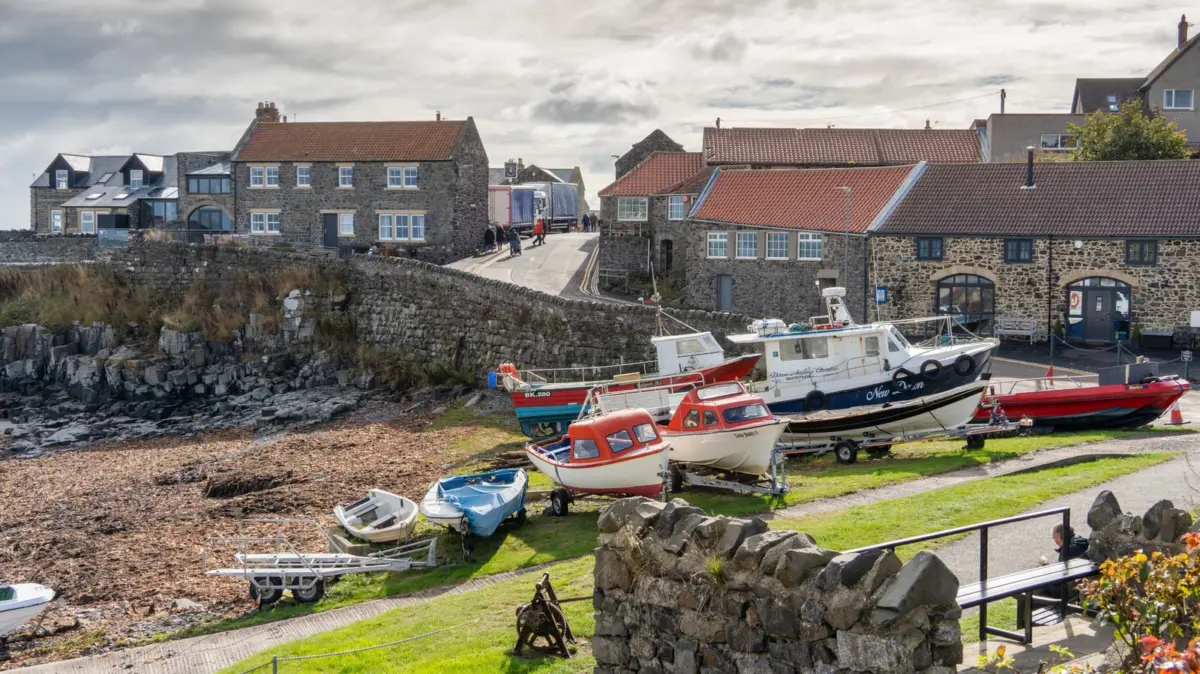
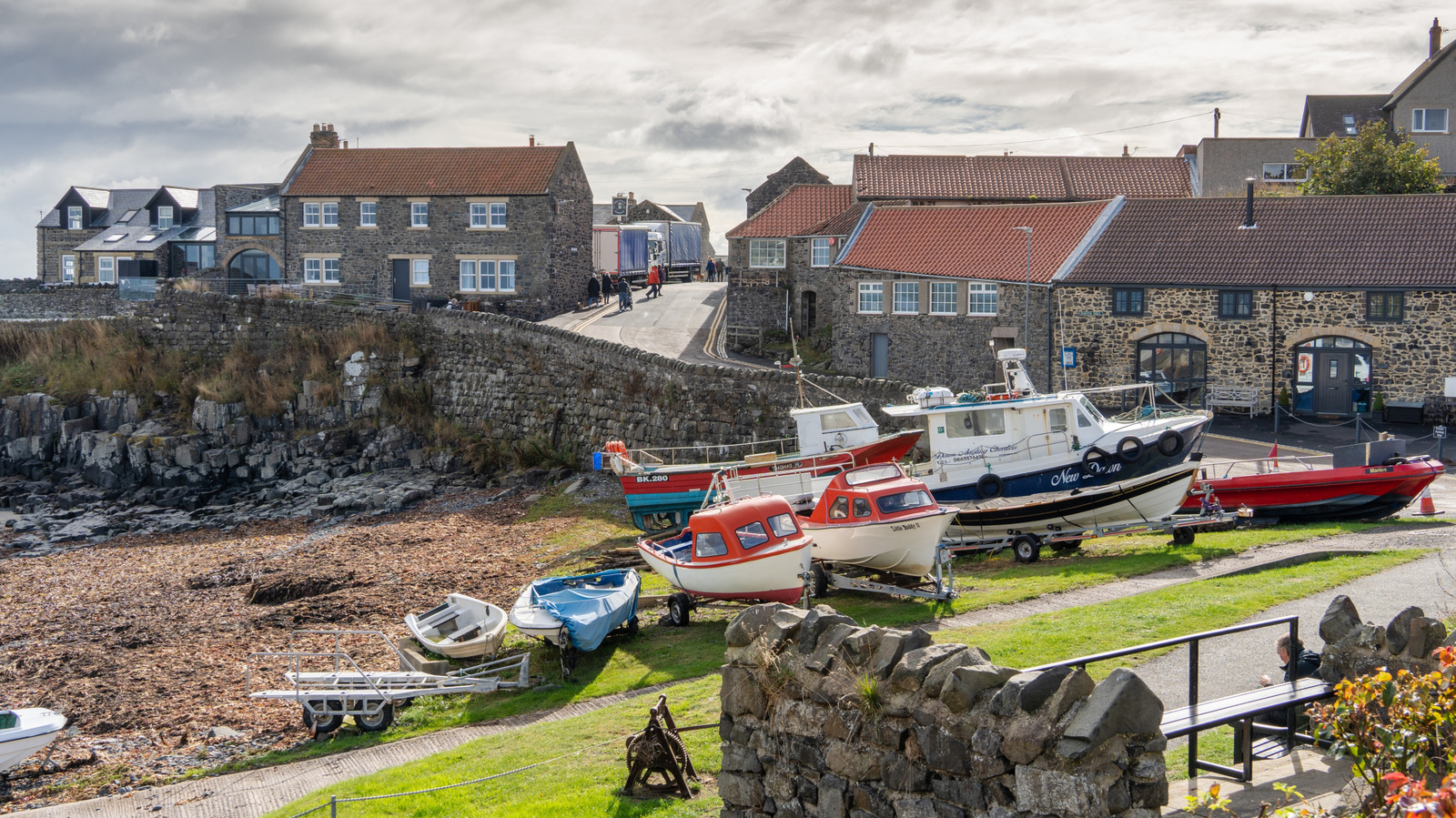
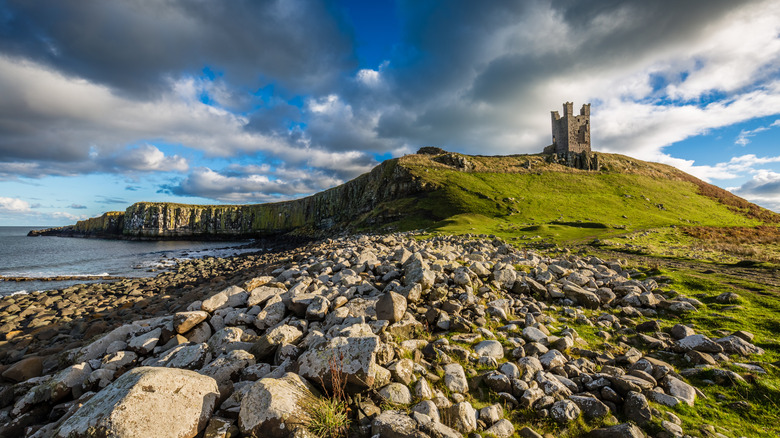
Revered by travel publications and culinary connoisseurs alike, Craster is defined by three enduring characteristics: its striking proximity to the 14th-century ruins of Dunstanburgh Castle, its traditional stone cottages lining a sheltered harbor, and its world-renowned smokehouses. Celebrated for producing some of the finest smoked kippers in the British Isles—a delicacy reportedly favored by the British Royal Family—this tiny village shifts the focus from rushed sightseeing to deep immersion in local culture, coastal walks, and artisanal food traditions.
Detailed Chronology: The Evolution of Craster and Dunstanburgh
To truly understand Craster, one must trace its history backward through centuries of borderland conflict, industrial development, and maritime survival. While the village itself grew as a modest hub for local fishermen, its fortunes and landscape have long been anchored by its dramatic neighbor to the north: Dunstanburgh Castle.
The 14th Century: The Rise of a Royal Fortress
The history of the Craster coastline took a monumental turn in the early 1300s. Construction on Dunstanburgh Castle began in 1313 under the direction of Thomas, 2nd Earl of Lancaster, one of the most powerful and wealthy barons in medieval England and a cousin to King Edward II. Positioned strategically on a high basalt promontory with naturally fortified cliffs dropping directly into the churning waters of the North Sea, the castle was designed to be both an imposing military stronghold and a grand statement of political defiance against the crown.
However, Earl Thomas’s vision was cut short. He was executed for treason following his defeat at the Battle of Boroughbridge in 1322. Despite this, the castle passed through various royal hands and saw significant fortification during the turbulent decades of the 15th-century Wars of the Roses, serving as a strategic stronghold for the Lancastrian faction before falling under Yorkist sieges.
The 16th to 19th Centuries: Decline and Industrialization
By the Tudor period in the 16th century, Dunstanburgh Castle had fallen into a state of severe disrepair. Its remote location, high maintenance costs, and shifting military tactics rendered it obsolete. Military garrisons were withdrawn, and the fortress was left to the elements, its stone slowly decaying into the romantic ruins that modern visitors admire today.
While the castle crumbled, the coastal settlement of Craster evolved around its working harbor. By the 19th century, the village was expanding as an operational fishing port. The construction of the Craster Memorial Harbour in the early 20th century provided a safe haven for local cobles—traditional open wooden fishing boats—allowing fishermen to launch reliably in pursuit of North Sea herring.
The 19th Century to Present: The Birth of a Culinary Legacy
It was during the 19th century that Craster’s most famous export truly took root. Local family smokehouses, most notably L. Robson & Sons, established artisanal smoking methods that have remained virtually unchanged for over 130 years. Using locally caught herring and smoking them slowly over smoldering oak sawdust, these processors turned a local preservation technique into a globally recognized culinary art form.
Today, while large-scale industrial fishing has faded from much of the British coast, Craster’s small-scale fishing boats still pull up onto the rocky shoreline, maintaining a living link to the village’s storied past.
Supporting Context & Metrics: Geography, Access, and Demographics
Geographical Positioning and Accessibility
Craster occupies a prime geographic sweet spot on the Northumberland Coast Area of Outstanding Natural Beauty (AONB). Situated roughly one hour’s drive north of Newcastle upon Tyne and two hours south of Eyemouth across the Scottish border, the village is easily accessible by car, though its infrastructure is deliberately preserved to prevent modern congestion.
Driving Times: Approximately 60 minutes north of Newcastle upon Tyne; 120 minutes south of Edinburgh and Eyemouth.
Parking Logistics: A single, large municipal parking lot is situated on the immediate periphery of the village to keep vehicular traffic out of the historic core. During peak summer months, this lot reaches full capacity rapidly, prompting local authorities and frequent visitors to advise early-morning arrivals.
Demographic Snapshot
According to the 2021 Census data, Craster maintains a tight-knit community of precisely 269 residents. This small population contributes to the village’s peaceful atmosphere, ensuring that daily life revolves around the tides, the weather, and the rhythms of local businesses rather than transient tourism.
Architectural and Natural Metrics
The Walk to Dunstanburgh Castle: A scenic, relatively flat 1.3-mile trail links the southern edge of Craster to the castle headland. The path winds across grassy coastal farmland, making it accessible to walkers of varying physical abilities.
Ecological Significance: The northern perimeter cliffs of the Dunstanburgh complex serve as protected nesting grounds for marine bird species, notably kittiwakes and fulmars, which occupy the rocky crags during the summer breeding season.
Official Statements & Expert Perspectives
Major cultural institutions, travel authorities, and frequent visitors consistently emphasize Craster’s unique ability to transport visitors back in time while offering top-tier culinary experiences.
The Media and Tourism Perspective
The Telegraph has frequently ranked Craster among the United Kingdom’s most beautiful seaside villages, praising its "extremely atmospheric" quality. The publication highlights how the juxtaposition of traditional stone cottages, bobbing fishing vessels, and the fragrant smoke drifting from historical chimneys creates a sensory experience unmatched elsewhere on the British coastline.
According to Visit Northumberland, the official regional tourism body, Craster’s signature smoked kippers have transcended their working-class roots to become a delicacy enjoyed at the highest levels of British society:
"The kippers produced in Craster are so distinctly flavorful and meticulously prepared using traditional oak-smoking techniques that they have earned a dedicated following, finding favor even with members of the British Royal Family."
A Local Resident and Visitor Perspective
Frequent travelers to the region note that Craster serves as an essential introduction to Northumbrian culture. Having spent years visiting the village from nearby Cumbria, regional travel commentators observe:
"Craster is a place designed for strolling and soaking up the surroundings rather than rushing around ticking off a checklist of tourist sights. It gives first-time visitors an unfiltered taste of life in a genuinely traditional Northumberland coastal community."
Future Outlook: Preservation vs. Sustainable Tourism
As domestic tourism within the United Kingdom continues to experience high demand, coastal villages like Craster face a delicate balancing act. Preserving the fragile balance between welcoming travelers and safeguarding the peaceful, authentic character of a community of fewer than 300 people remains a top priority for local planners and parish councils.
Conservation of Architectural and Natural Heritage
Future management of the Craster coastline focuses heavily on environmental stewardship. Organizations such as English Heritage—which manages the Dunstanburgh Castle ruins—and local conservation groups work in tandem to maintain footpaths, protect ground-nesting seabirds along the cliff faces, and prevent over-tourism from eroding the fragile coastal ecosystem.
Maintaining Traditional Industries
The survival of multi-generational smokehouses like L. Robson & Sons ensures that Craster will not transform into a sterile "postcard-only" village. By anchoring its economy in authentic craft production—such as oak-smoked kippers, locally caught lobster, crab, and whitefish—the village retains its working-port identity.
For travelers willing to trade the bustling commercialized hubs for a quieter, more reflective coastal escape, Craster stands as an enduring testament to Britain’s maritime soul. Whether walking the windswept trail to the shadow of Dunstanburgh Castle or savoring a hot, buttered kipper bun overlooking the harbor, visitors to this Northumberland gem are participating in a tradition that has endured for centuries—and one carefully protected for generations to come.