Executive Overview
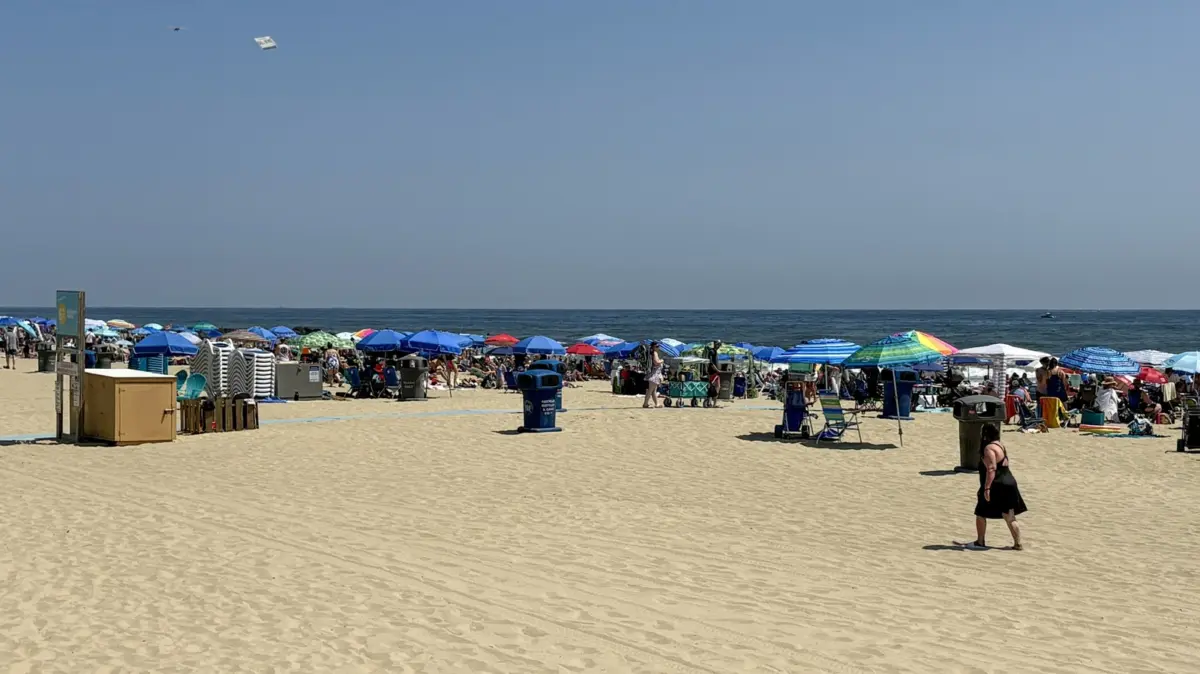
For generations, the 130 miles of Atlantic coastline known collectively as the Jersey Shore have served as an invaluable socio-economic and cultural anchor for the Mid-Atlantic region. Stretching from Sandy Hook down to Cape May, this dynamic coastal ecosystem welcomes millions of visitors annually. Yet, despite its heavy saturation in popular culture, reality television, and regional folklore, the Shore remains widely misunderstood by first-time travelers and casual tourists.
The prevailing cultural caricature—largely amplified by early-2000s media—paints the entire region as an endless loop of rowdy nightlife, synthetic tans, and frenetic boardwalk mayhem. While specific pockets like Seaside Heights and portions of Asbury Park genuinely cater to high-energy party crowds, this image represents only a fraction of the Shore’s vast geography. In reality, the New Jersey coastline is an intricate mosaic of distinct micro-destinations. It accommodates everyone from families seeking quiet, wholesome beach days to history buffs navigating Victorian architecture, romantics looking for secluded coastal luxury, and budget-conscious travelers hunting for free public access.
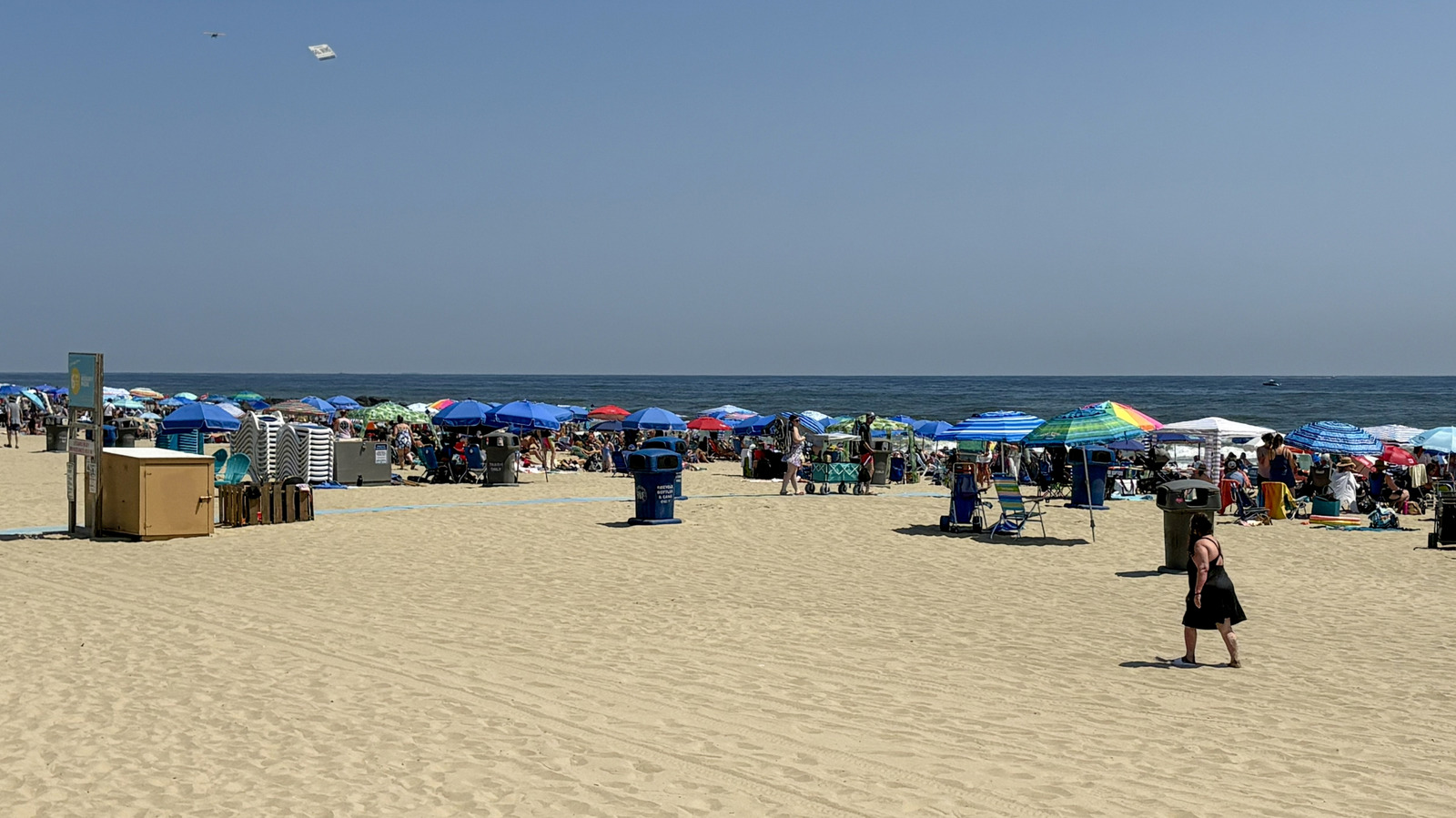
Understanding how to successfully navigate the Jersey Shore requires more than just picking a town on a map. Visitors must decode a complex web of local ordinances, regional culinary traditions, ecological shifts, and logistical hurdles. Whether you are catching an express train from Manhattan, trying to avoid costly miscalculations on beach tags, or preparing for unpredictable water temperatures, preparation is paramount. This comprehensive guide breaks down the essential, unwritten rules of visiting the Jersey Shore, arming travelers with the insider knowledge required to transform a standard coastal getaway into a seamless, highly optimized experience.
Detailed Chronology & Historical Evolution
To truly appreciate the modern Jersey Shore, one must understand the unique historical forces that shaped its towns. The region’s development did not occur uniformly; rather, it evolved through distinct waves of industrial expansion, religious idealism, and post-war suburban migration.
The 19th Century: Religious Retreats and the Birth of the "Dry" Town
During the mid-to-late 1800s, much of the upper and central Jersey Shore was shaped by religious movements, most notably Methodism. Seeking relief from the sweltering, unhygienic conditions of post-industrial Philadelphia and New York City, religious groups established structured summer camps along the coast.
Communities such as Ocean City and Ocean Grove were explicitly founded as spiritual sanctuaries. To preserve a pious, family-oriented environment, founders embedded strict municipal codes prohibiting the sale, distribution, and public consumption of alcohol. These foundational laws persist today, establishing a distinct subset of "dry towns" that continue to attract families looking to escape the conventional nightlife culture associated with beach resorts.
The Mid-20th Century: The Golden Age of Boardwalks and Rail
Following the conclusion of World War II, the Jersey Shore experienced an unprecedented boom. The widespread adoption of the automobile, paired with massive infrastructure projects like the Garden State Parkway, connected working-class families from North Jersey and New York directly to the sand.

Concurrently, municipal authorities and private investors heavily developed the classic American boardwalk. Amusement parks, roller coasters, and arcade alleys transformed towns like Wildwood and Point Pleasant Beach into legendary entertainment capitals. Simultaneously, the North Jersey Coast Line solidified its role as a vital commuter and leisure artery, allowing car-free travelers to escape the concrete jungle of Manhattan and step directly onto coastal sands in under two hours.

The 21st Century: Cultural Rebranding and Modern Realities
In recent decades, the Jersey Shore underwent a rapid cultural reckoning. High-profile media productions brought intense global scrutiny to specific locales, forcing many municipalities to rebrand. While towns like Seaside Heights leaned into their reputation as premier nightlife hubs, neighboring upscale communities—such as Spring Lake, Sea Girt, and Avalon—doubled down on historic preservation, high-end boutiques, and quiet exclusivity.
Today, the region operates as a sophisticated tourism economy balancing environmental conservation, infrastructure modernization, and the balancing act of managing millions of seasonal residents without sacrificing local charm.

Supporting Context & Metrics: Decoding the Shore Economy
Navigating the financial and logistical landscape of the Jersey Shore requires a firm grasp of the region’s operational mechanics. Unlike many coastal destinations in the American South or the Caribbean, New Jersey’s beaches operate under a decentralized model of municipal governance, resulting in wildly different rules, fee structures, and cultural norms from one town to the next.
The Economics of Beach Access: Understanding "Tags"
Perhaps the most jarring shock for first-time visitors accustomed to the free public beaches of Florida, Virginia, or Maryland is the widespread implementation of beach tags. Under New Jersey law, municipalities are legally permitted to charge fees for beach maintenance, lifeguards, and sanitation services.
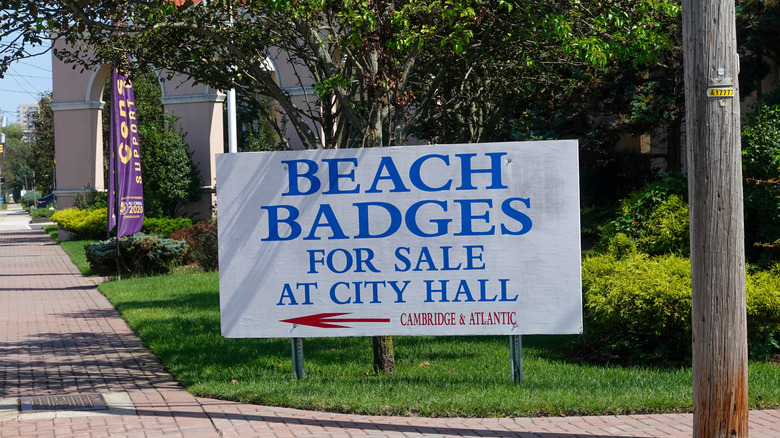
- The Cost Disparity: Daily wristbands or metal badges typically range from $7 to $14 per person, depending on the exclusivity and demand of the municipality.
- The Season Pass Hack: For travelers planning a stay exceeding five to seven days, purchasing a half-season or full-season pass almost always yields a net financial savings. For instance, in Point Pleasant Beach, a single weekday tag hovers around $14, whereas a half-season pass sits at approximately $95. Smart travelers calculate their total beach days in advance to prevent compounding daily expenses.
- The Pre-Memorial Day Discount: Many municipalities offer steep discounts on seasonal passes if purchased online prior to the official start of the summer season (Memorial Day weekend).
The Rental Market Dynamics
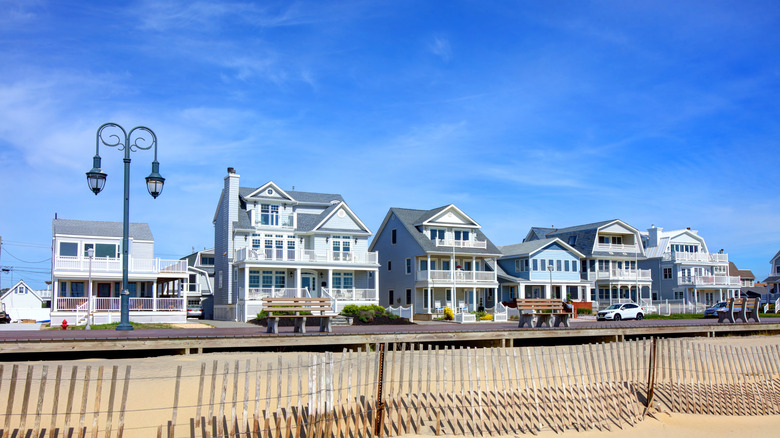
Securing lodging along the coast is an exercise in early bird logistics. According to regional real estate data, peak-season rentals—particularly in high-demand family markets like Ocean City, Cape May, and Point Pleasant Beach—frequently book out months in advance.
Real estate experts note that booking activity for prime summer dates, particularly the Fourth of July and Labor Day weekends, routinely begins as early as January. Proximity to the shoreline directly correlates with steep pricing curves, making early-year reservation planning an essential strategy for budget-conscious families.
Official Guidelines & Local Insights
Traveling the Jersey Shore successfully means respecting localized laws, ecological realities, and cultural quirks. Below are the definitive guidelines every visitor must internalize before departure.
1. Match Your Travel Style to the Town
Not all Jersey Shore towns are created equal. Failing to match your vacation goals with the appropriate municipality is the fastest way to ruin a trip.
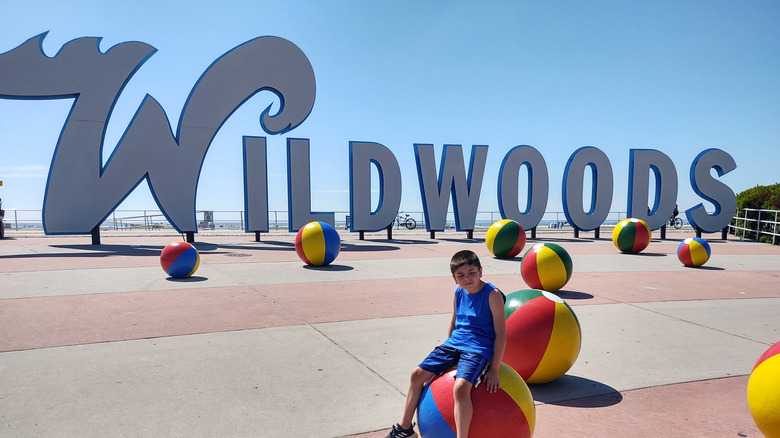
- For Families: Point Pleasant Beach, Wildwood, and Ocean City feature expansive boardwalks, dedicated amusement rides, and strict family-oriented ordinances. Ocean City’s status as a dry town ensures a remarkably peaceful, rowdy-free environment after dark.
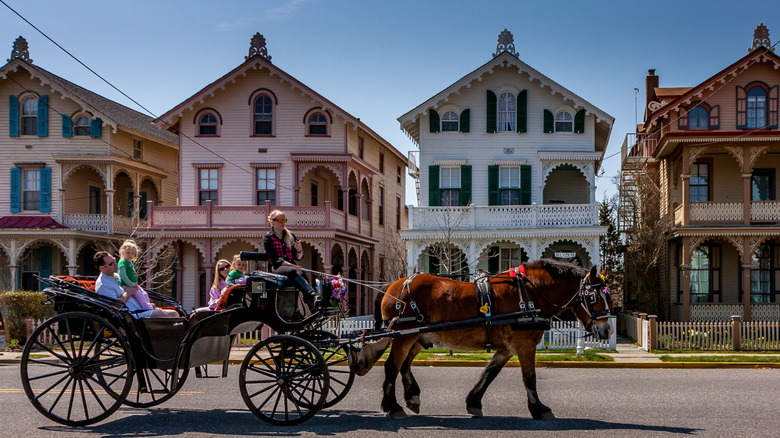
- For Romantics: Cape May offers a stunning backdrop of Victorian-style architecture, horse-drawn carriages, and upscale culinary establishments.
- For Luxury & Quiet: Spring Lake, Sea Girt, and Avalon provide posh boutiques, historic home tours, yacht clubs, and serene, uncrowded beach days.
- For Nightlife & Gaming: Atlantic City offers legal casino gambling paired with free public beach access, while Seaside Heights commands the premier party-beach demographic.
2. Embrace the Regional Culinary Staple: Taylor Ham (or Pork Roll)
No trip to the Shore is complete without partaking in New Jersey’s most fiercely debated culinary tradition. Known as Taylor Ham in the northern and central parts of the state, and simply as pork roll in the south, this savory, slightly sweet processed meat product is a breakfast staple.
- Note: Despite its name, it is not traditional ham; it is a finely minced pork product seasoned with salt, sugar, and proprietary spices.
- Typically served on a hard roll with fried egg and melted American cheese, it can be sampled at iconic local establishments like Hooked on Breakfast in Ocean City or Bagel Time Cafe in Cape May and the Wildwoods.
3. Master Transportation: The Train Alternative
Visitors originating from New York City do not need to subject themselves to grueling traffic on the Garden State Parkway or pay exorbitant parking fees.
- The New Jersey Transit North Jersey Coast Line operates regular express and local services directly from Manhattan’s Penn Station straight to the heart of the Shore.
- Travelers can effortlessly disembark in Asbury Park, Long Branch, Spring Lake, or Point Pleasant Beach in under two hours, making spontaneous day trips entirely feasible without a personal vehicle.
4. Know Your Marine Life: Jellyfish Protocols
While the Atlantic offers a refreshing escape, coastal waters are subject to periodic influxes of marine wildlife.
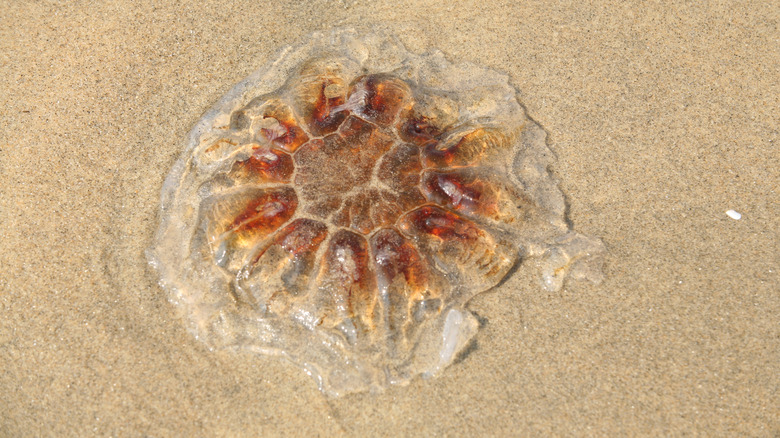
- Clinging Jellyfish: Found primarily in coastal bays from late spring through July, these invasive creatures deliver a powerful neurotoxic sting. Their populations typically decline around the Fourth of July as water temperatures rise.
- Standard Species: Sea nettles, lion’s mane jellyfish, and cannonball jellies also appear during peak summer months.
- Safety Protocols: If stung, medical experts recommend rinsing the area with saltwater, applying hot compresses (or soaking the affected area in hot water for 20 to 45 minutes), and utilizing tweezers to remove remaining stingers. Avoid using fresh water, which can trigger additional stinging cells. Always heed lifeguard flag warnings (such as a purple flag indicating dangerous marine life).
5. Adjust Expectations Regarding Ocean Temperatures
Do not mistake New Jersey beaches for the Caribbean. While towns like the Wildwoods and Ocean City boast pristine white-sand aesthetics, Atlantic water temperatures lag far behind tropical climates.
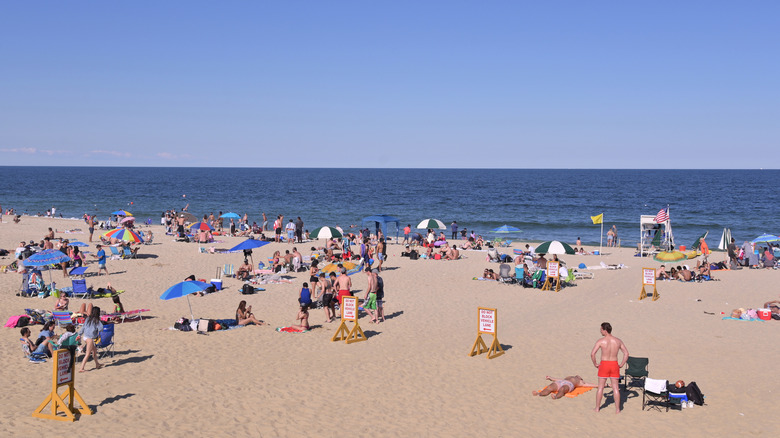
- Summer Averages: Average sea temperatures hover between 66°F and 75°F during the peak summer months.
- Upwelling Events: Strong coastal winds frequently trigger upwellings—a meteorological phenomenon that pulls freezing deep-water currents up to the surface, dropping temperatures drastically overnight.
- Strategic Timing: For travelers prioritizing comfortable swimming conditions, late July and August offer the highest statistical probability of tolerable water temperatures.
Future Outlook
As the Jersey Shore looks toward the future, coastal municipalities face a complex balancing act. Climate adaptation, rising sea levels, and beach replenishment projects represent ongoing multi-million-dollar investments required to safeguard the region’s physical infrastructure. Local governments are increasingly tasked with reinforcing dune systems, upgrading stormwater management, and modernizing public transit links to handle growing tourist volumes sustainably.
Concurrently, the cultural identity of the Shore continues to mature. While traditional family resorts and historic preservation districts remain fiercely protected, towns are simultaneously embracing modern culinary innovations, craft breweries, and eco-tourism initiatives that extend the tourism season well beyond the traditional summer window.
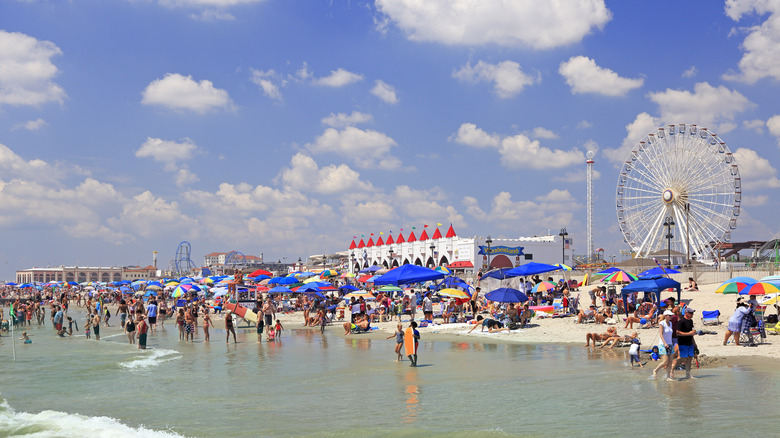
Ultimately, the enduring appeal of the Jersey Shore lies in its remarkable adaptability. By honoring its rich historical foundations while thoughtfully modernizing its infrastructure, the coast ensures that generations of future visitors will continue to find their own version of summer magic along the Atlantic edge.