











Executive Overview
For decades, the standard playbook for American retirement pointed unmistakably south. Sun-drenched coastlines, palm trees, and the total absence of state income tax made Florida the undisputed destination for retirees seeking a slower, warmer pace of life. However, shifting demographic priorities, healthcare access anxieties, and updated state-by-state livability metrics are quietly redrawing the map of America’s retirement landscape.
According to a comprehensive 2026 study conducted by the home care agency 24 Hour Caregivers, the traditional retirement capital of Florida has slipped to a surprisingly modest 14th place nationwide. This evaluation weighed critical metrics including environmental conditions, air quality, violent crime rates, and municipal healthcare investments. More astonishingly, Massachusetts—long stereotyped as a high-tax, frigid sanctuary from which seniors inevitably flee—cracked the top ten, securing the 10th overall spot.
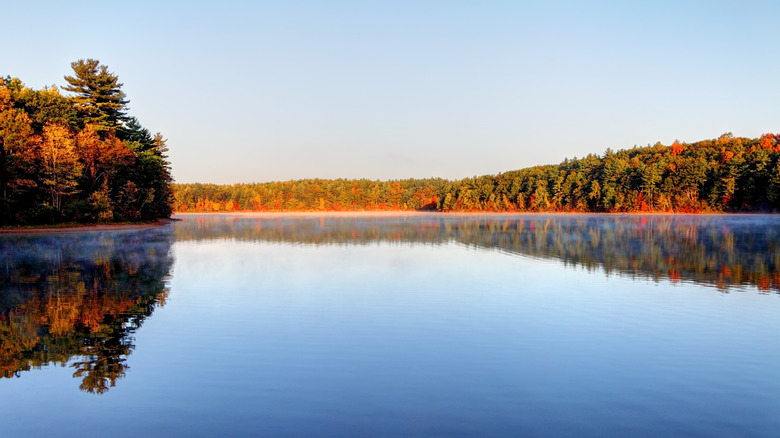
Zooming in past the state level reveals an even more compelling narrative: Middlesex County, Massachusetts, has been crowned the absolute best place to retire within the Commonwealth by platforms like RetireScorecard. Boasting an impressive overall retirement index score of 74, Middlesex County blends elite healthcare infrastructure, academic vibrancy, and deep-rooted historical significance with thousands of acres of pristine parklands and tranquil lakes.
While its cost of living remains notably higher than the national average, the region offers a culturally rich, intellectually stimulating, and physically active environment that is rapidly convincing seniors to trade year-round humidity for New England charm.
Detailed Chronology: The Evolution of Middlesex County
The story of Middlesex County is not merely one of modern suburban convenience; it is a tapestry woven across centuries of American evolution. Understanding why this region appeals so strongly to today’s retirees requires looking back at the milestones that shaped its unique geography and cultural identity.

- Pre-Colonial and Early Settlement Era: Long before European arrival, the Indigenous peoples of the Massachusett and Nipmuc tribes navigated the expansive river systems, fertile valleys, and kettle ponds that define Middlesex geography today. By the mid-17th century, European settlers began carving out agrarian and merchant communities, establishing towns that still retain their rustic footprints.
- The Crucible of the American Revolution (1775): Middlesex County occupies a permanent seat in the bedrock of American history. On April 19, 1775, following Paul Revere’s legendary midnight ride, the opening skirmishes of the American Revolutionary War erupted on the green in Lexington and along the North Bridge in Concord. These events transformed quiet farming towns into symbols of global resistance and freedom.
- The Transcendentalist Awakening (Mid-19th Century): As the nation industrialized, Middlesex became a cradle for American intellectualism. Near the shores of Walden Pond in Concord, philosopher and author Henry David Thoreau retreated to a modest cabin in 1845. His two-year experiment in self-reliance gave birth to Walden; or, Life in the Woods (1854), cementing the county’s association with environmental stewardship and quiet contemplation.
- The Academic and Technological Boom (20th Century): The rise of institutions like Harvard University in Cambridge and the Massachusetts Institute of Technology (MIT)—situated just across the county border—propelled Middlesex into a global epicenter for education, medical breakthroughs, and technological innovation.
- The Modern Retirement Renaissance (Present Day): Today, Middlesex County bridges its historic roots with modern excellence. Recognized officially for its high-performing municipal services, world-class medical networks, and expansive conservation lands, the county has evolved into an unexpected haven for retirees seeking engagement, health security, and natural beauty.
Supporting Context & Metrics: Healthcare, Geography, and Cost
Choosing a retirement location requires balancing lifestyle aspirations with hard logistical realities. Middlesex County presents a unique profile that challenges traditional cost-first retirement assumptions.
Healthcare Infrastructure and Accessibility
One of the primary drivers behind Middlesex County’s high retirement index score (74) is its unparalleled proximity to world-class medical institutions. Situated directly adjacent to Boston—globally renowned as a medical mecca—residents have near-instant access to top-tier teaching hospitals, specialized geriatric care, and advanced clinical trials. Major medical systems operate robust satellite facilities throughout the county’s larger municipalities, ensuring that routine checkups and emergency interventions are always close at hand.

Furthermore, the region’s strategic geography places it just a short drive from Logan International Airport (BOS), a major transit hub ideal for retirees with family spread across the country or those planning post-career international travel.
Demographics and Metropolitan Access
Middlesex County is home to some of the most dynamic cities and towns in the Greater Boston area, including Cambridge, Somerville, Newton, Watertown, and Framingham. This metropolitan integration offers seniors an energetic urban interface complete with fine dining, theater, continuing education programs, and diverse cultural events. Yet, despite housing major population centers, the county retains a collection of sprawling historic suburbs and rural pockets that offer profound peace and quiet.
The Financial Equation: Weighing Cost Against Quality
Skeptics frequently point to Massachusetts’ high cost of living as a deterrent for retirees on fixed incomes. Housing costs, property taxes, and energy expenditures run notably higher than the national median and well above Florida’s figures.
However, housing analysts note that many retirees moving into Middlesex are downsizing from high-value suburban homes elsewhere in the Northeast or cashing in appreciated equity from coastal markets. For these individuals, the premium price tag is offset by superior public infrastructure, lower violent crime rates, highly funded social services, and robust environmental protections that directly impact daily quality of life.
Official Statements and Expert Perspectives
Urban planners, senior care advocates, and municipal officials have increasingly pointed toward regional lifestyle shifts when analyzing modern retirement migrations.
Dr. Elena Vance, a senior demographic researcher specializing in New England housing trends, notes that the definition of an ideal retirement destination has fundamentally transformed:
"For decades, the retirement narrative was purely climate-driven—retirees chased heat. Today, we are seeing a much more holistic evaluation. Seniors are prioritizing cognitive stimulation, proximity to top-tier healthcare networks, walkability, and civic engagement. While places like Florida offer tax advantages and warm weather, they occasionally fall short in public health infrastructure and environmental quality metrics. Middlesex County offers an intellectual and physical ecosystem that keeps retirees active, sharp, and deeply connected to their communities."
Local conservation leaders have similarly highlighted the deliberate efforts made to accommodate older populations within outdoor recreational spaces. State park administrators emphasize programs designed to ensure nature remains accessible to all demographics:
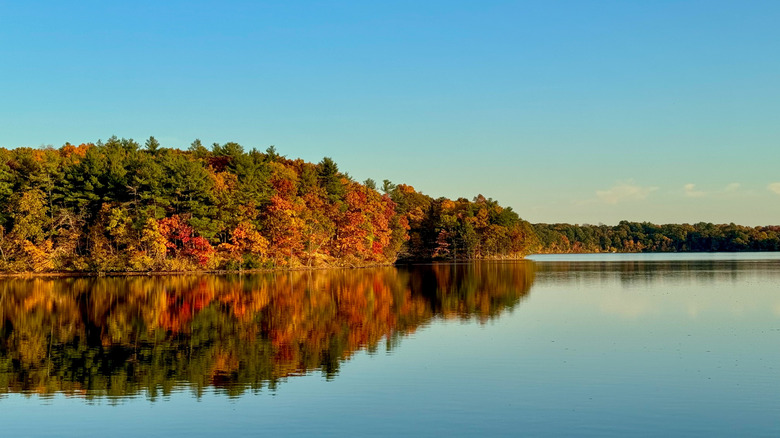
"Our goal is to make sure that retirement doesn’t mean stepping back from nature; it means having the time to fully immerse yourself in it," shared a representative from the Massachusetts Department of Conservation and Recreation. "Through initiatives like the Universal Access Program, offering adaptive boating and barrier-free trails, older residents can continue to explore our state parks safely and actively, regardless of physical limitations."
Future Outlook: Why the New England Escape is Gaining Momentum
As the Baby Boomer generation continues to redefine post-work life, the traditional retirement blueprint will undoubtedly face further decentralization. The dominance of sun-belt states is no longer absolute, as future retirees increasingly weigh the long-term value of community safety, intellectual vitality, and environmental preservation.
Middlesex County stands well-positioned to capitalize on this shifting mindset. Future infrastructure investments aimed at expanding greenways, enhancing public transit connectivity, and bolstering senior-friendly housing developments suggest that the region will only grow more accommodating to aging populations in the coming decade.
For those willing to embrace crisp autumns, snowy vistas, and a genuine four-season climate in exchange for unmatched historical depth, pristine lake recreation, and proximity to world-class healthcare, Middlesex County offers an East Coast sanctuary that makes forgetting Florida remarkably easy.