







Executive Overview
When travelers close their eyes and dream of adrenaline-fueled escapes, majestic alpine vistas, or sun-drenched coastal expeditions, their minds invariably drift westward toward the continental United States. They picture the snow-draped, monumental peaks of the Colorado Rockies, the dramatic Pacific swells hammering the jagged California coast, or the pristine, emerald-hued expanses of Oregon’s Crater Lake National Park. For generations, these mainland giants have monopolized the nation’s adventure narrative.
However, a groundbreaking new analysis shatters conventional wisdom. According to the newly released Adventure Access Index compiled by outdoor apparel brand Kuhl, the undisputed champion of American outdoor exploration is located nearly 2,300 miles southwest of the mainland Pacific Coast. America’s most "adventure-friendly" state for 2026 is not California, Colorado, or Oregon. Say "Aloha" to Hawaii.
While traditional "Best Destination" lists rely on broad metrics like sheer square mileage or total raw wilderness, Kuhl’s Index took a distinctly modern, consumer-centric approach: accessibility. By quantifying how efficiently and frequently travelers can engage with the outdoors—factoring in local climate reliability, trail density, public land availability per capita, and robust local economic support—the study turned conventional travel rankings upside down. Hawaii emerged victorious, beating out historical heavyweight adventure states through a potent mix of year-round favorable weather, compact geography, and a booming outdoor-recreation economy. Yet, this crown comes with a profound irony: while the islands are exceptionally friendly to adventure once you arrive, getting there and navigating between them remains one of the greatest logistical hurdles in American travel.
Detailed Chronology: Rethinking How We Measure Outdoor Access
The genesis of the Adventure Access Index marks a significant shift in how travel researchers and outdoor brands evaluate recreational infrastructure. For decades, legacy publications ranked states based on acreage or the sheer volume of peaks, systematically favoring sprawling Western territories.
Phase One: Shifting the Paradigm from Size to Access
In developing the index, researchers moved away from rewarding vast, unnavigable expanses of wilderness. Instead, they asked a more practical question for the modern traveler: How much of this landscape can you realistically access, enjoy, and safely explore without encountering extreme logistical barriers or prohibitive weather windows?
By analyzing federal government datasets, geographical information systems (GIS), and economic indicators, the study evaluated states on four primary pillars:
- Climate Reliability: The percentage of days per year featuring weather conducive to outdoor recreation.
- Trail and Public Land Density: The ratio of accessible public lands and trails relative to the state’s population and total area.
- Economic Integration: The degree to which local municipal and state economies support, rely upon, and invest in outdoor recreation infrastructure.
- Friction of Travel: The ease with which visitors can transition from urban support centers (lodging, dining, gear rentals) to wilderness trailheads.
Phase Two: The Fall of the Heavyweights
When the data was synthesized, the traditional adventure capitals found themselves lower on the list than expected:

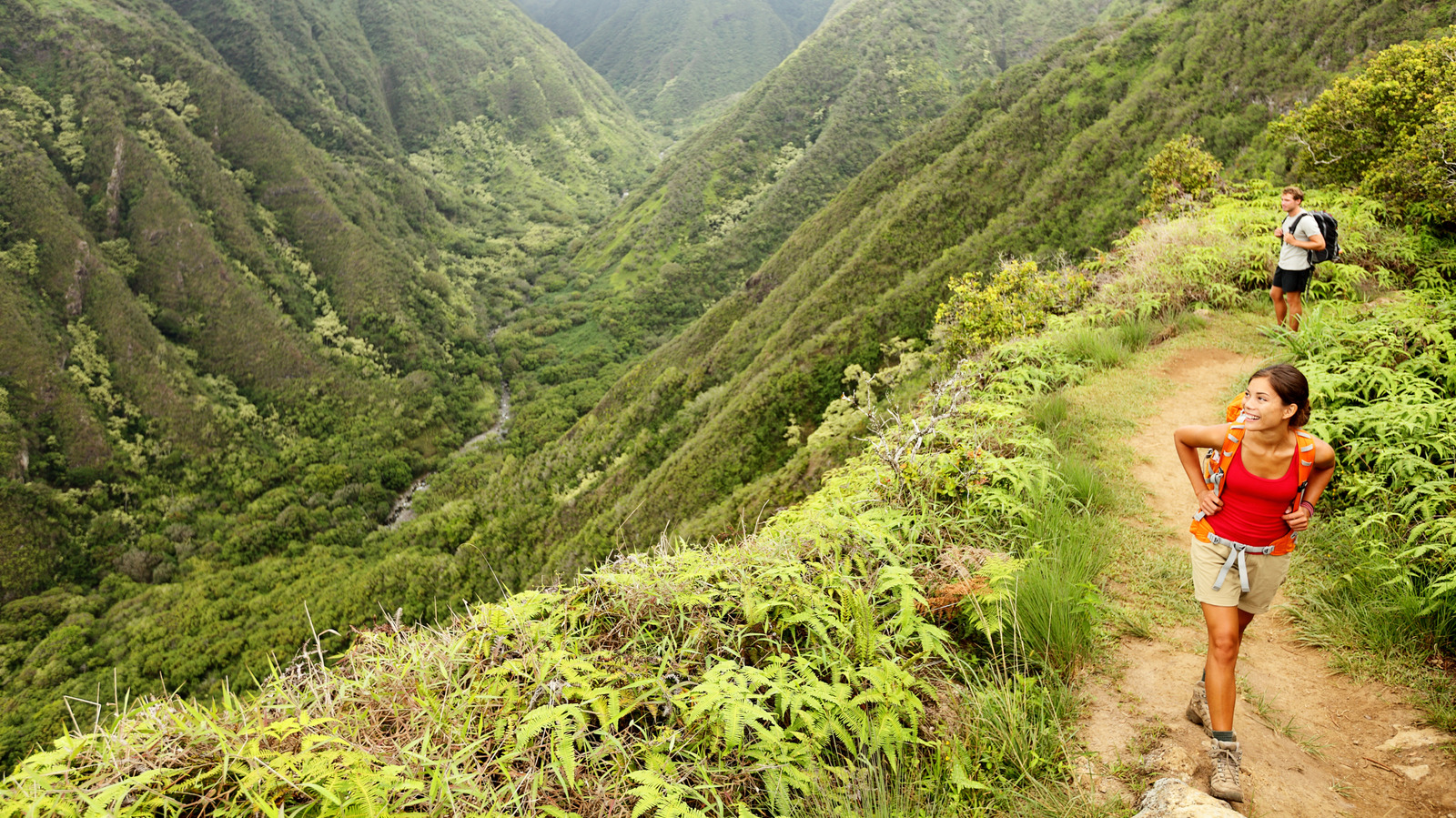
- Colorado (Ranked outside the top tier): Despite housing dozens of world-class ski resorts and iconic mountain ranges, Colorado’s immense geographic scale creates massive distances between adventure hubs. Furthermore, its high-altitude alpine zones suffer from severely restricted weather windows for a large portion of the year.
- Oregon (Ranked No. 9): Oregon scored exceptionally well due to its staggering number of hiking trails and vast tracts of public land. However, Pacific Northwest precipitation patterns and remote trailheads pulled down its overall accessibility score.
- California (Ranked No. 5): The Golden State benefited enormously from nearly a year-round supply of temperate weather, allowing visitors to access its 18,500 miles of coastal and mountain trails with minimal seasonal interruption. Yet, its sheer size meant that traffic congestion and transit times diluted its overall "friendliness" rating.
Phase Three: The Rise of the Archipelago
When all metrics were weighted, Hawaii claimed the No. 1 spot, outperforming every continental state. Its victory was built on a unique combination of year-round sunshine, a hyper-concentrated infrastructure of outdoor services, and an economy profoundly tethered to the natural landscape.
Supporting Context & Metrics: Decoding the Data
To understand why Hawaii outperformed states hundreds of times its geographic size, one must examine the specific metrics that fueled its top-tier ranking in the Adventure Access Index.
Sunshine and Climate Consistency
Hawaii stands as the only U.S. state boasting a virtually uninterrupted year-round season for outdoor recreation. According to climate metrics, the islands capture approximately 71% of their possible annual sunshine, placing them firmly among the top five sunniest states in the nation.
This consistent climate eliminates the "shoulder season" dead zones that plague northern and high-altitude states. Whether visiting in January or July, outdoor enthusiasts can plan hikes, surf sessions, and coastal walks without factoring in snowpack closures or freezing torrential downpours. Even when liquid sunshine (rain) does fall, it typically triggers Hawaii’s famous, vibrant rainbow phenomena rather than washing out an entire day of travel plans.
Economic Dependency on the Outdoors
The index heavily rewarded states where outdoor recreation is baked into the local economic foundation. In Hawaii, outdoor recreation accounts for a staggering 6% of the state’s Gross Domestic Product (GDP).
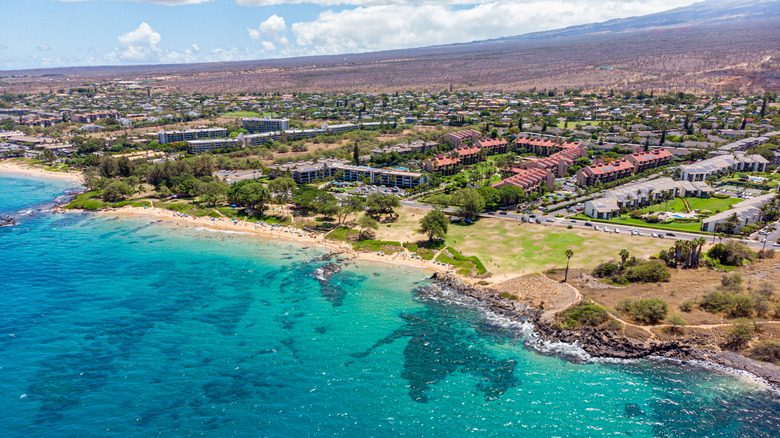
This high economic stake translates into superior infrastructure. Consider towns like Kihei on Maui’s sunniest southern shore. Within a compact 38-square-mile radius, visitors have access to six miles of beachfront alongside an ecosystem of specialized local businesses—ranging from expert hiking outfitters and whale-watching charters to surf schools and coastal boardwalk management teams. This dense economic clustering ensures that travelers do not have to drive for hours to find a qualified guide or rent equipment.
Demographic Appeal: A Magnet for All Generations
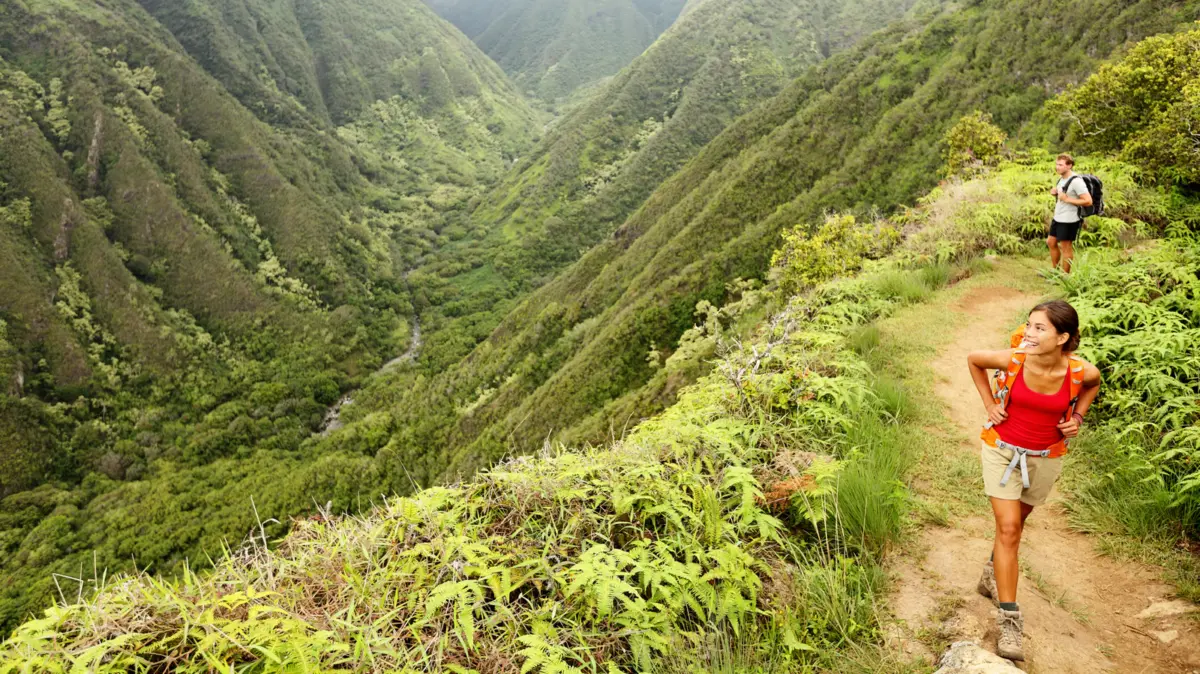
Because Hawaii’s adventures are structured, accessible, and supported by robust tourism services, it appeals to a remarkably broad demographic. Notably, demographic data reveals that Hawaii is the No. 1 U.S. travel destination for Baby Boomers. Unlike grueling, multi-day backcountry treks in Alaska or rugged mountaineering in Wyoming, Hawaii’s outdoor experiences offer a high reward-to-effort ratio, making coastal strolls, valley hikes, and marine sanctuaries accessible to travelers of varying physical fitness levels.
Official Statements and Industry Insights
The release of the Adventure Access Index has sparked intense debate among outdoor gear manufacturers, tourism boards, and travel analysts regarding what constitutes a true "adventure" destination.
Industry analysts note that Kuhl’s metrics reflect a broader cultural shift among contemporary travelers. No longer satisfied with simply looking at a distant peak on a postcard, modern tourists demand seamless integration between leisure, accessibility, and environmental stewardship.
"The modern traveler’s definition of adventure has evolved," notes a prominent outdoor industry analyst. "People are no longer measuring trips by how isolated or punishing the terrain is. They are measuring adventure by how frictionless the experience can be—how quickly you can step off a plane, rent your gear, hit a world-class trail, and return to a supportive local economy before sunset. By that metric, sprawling states with massive logistical dead-zones simply cannot compete with compact, well-supported destinations."
However, travel advocates also emphasize the responsibility that comes with such rankings. With Hawaii heavily reliant on tourism and its delicate ecosystems facing ongoing conservation challenges, the state’s top ranking serves as both an invitation and a warning. Tourism boards continue to stress the importance of mindful travel—urging visitors to respect local ecosystems, adhere to cultural protocols, and support regenerative tourism initiatives that protect the very landscapes that earned the islands the No. 1 spot.
The Great Irony: Access Versus Accessibility
For all of Hawaii’s dominance on the Adventure Access Index, its top ranking harbors a profound, almost comical irony. While the islands are remarkably "adventure-friendly" once you are there, reaching them is an exercise in logistical patience.
The Continental Divide
For the vast majority of Americans residing in the "lower 48," getting to Hawaii requires a significant international-style journey without leaving domestic airspace. The absolute shortest flight from the continental United States—departing from Los Angeles International Airport (LAX) to Honolulu—clock in at approximately 5.5 hours over open ocean. For travelers originating from the East Coast or the Midwest, travel times easily push past 10 to 12 hours, accompanied by substantial financial outlays for airfare.
Upon landing at Daniel K. Inouye International Airport in Honolulu, travelers are greeted not only by island trade winds but also by a unique piece of travel lore: the airport is frequently cited by paranormal enthusiasts and travel publications as one of America’s most historically storied (and occasionally dubbed "haunted") aviation hubs.
Ground Transportation and Inter-Island Hurdles
Once visitors successfully navigate the airspace, terrestrial mobility presents a new set of challenges:
- Walkability Deficits: Hawaii’s major metropolitan centers historically score poorly on standard national walkability indices, necessitating a vehicle for serious exploration.
- Driving Frustrations: Paradoxically, once travelers rent a car, the experience can turn stressful. Personal finance platforms like WalletHub have previously ranked Hawaii near the bottom of national indexes concerning the best—and safest—states to drive in, citing narrow roads, heavy tourist traffic, and complex local traffic patterns.
- The Inter-Island Void: For those wishing to island-hop, maritime travel is virtually non-existent. Due to open-ocean conditions, lack of passenger ferry infrastructure, and strict federal regulations, travelers cannot take a boat between the Hawaiian Islands; every inter-island transition requires boarding another commercial flight.
Future Outlook: Where Will Travelers Go Next?
As we look toward the broader travel landscape of 2026 and beyond, the Kuhl Adventure Access Index serves as a fascinating roadmap for outdoor enthusiasts looking to optimize their vacation time.
While Hawaii rightfully claims the crown for its unmatched climate consistency, dense tourism infrastructure, and high concentration of accessible natural wonders, its logistical hurdles leave plenty of room for alternative exploration.
For travelers unable to stomach a 5-plus-hour oceanic flight or complex inter-island itineraries, the lower 48 states—and particularly the Northeast—offer intriguing alternatives. Notably, four of the top ten states on the Adventure Access Index are located in New England. Driven by a dense web of historic hiking trails, abundant state and national forest acreage per capita, and short driving distances between major cultural hubs, New England states like Rhode Island (ranking No. 3 overall) prove that world-class outdoor access doesn’t always require crossing an ocean.
Ultimately, whether a traveler chooses to brave the flights to surf the sun-drenched shores of Maui, or load up the car for a weekend trek through New England’s dense trail networks, the 2026 data sends a clear message: the best adventure is the one you can actually reach, enjoy, and experience without friction. And for those willing to make the journey across the Pacific, paradise is waiting with open arms—and a lei.