



Executive Overview
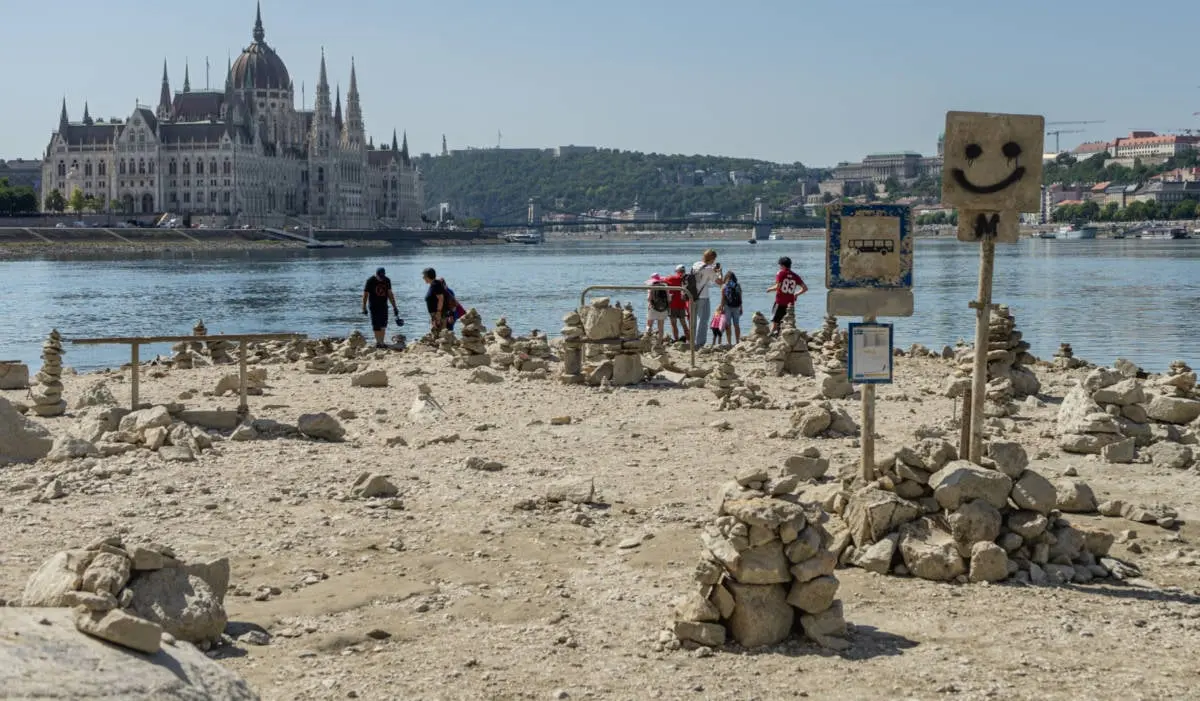
For the thousands of travelers who look forward to the gentle, unhurried pace of a European river cruise, the summer season has brought an unwelcome test of patience and adaptability. Historic, prolonged droughts across Central Europe have drastically depleted water levels on the continent’s most vital commercial and leisure waterways, most notably the Danube and the Rhine.
While recent, much-needed rainfall across parts of France, Germany, and Central Europe has offered a temporary reprieve and eased harsh navigation restrictions along the upper sections of the Danube, river cruise operators and passengers are far from out of the woods. According to the European Drought Observatory—overseen by the European Commission’s Joint Research Centre—drought conditions remain critically elevated across the majority of the continent.
As a result, major river cruise lines, including Emerald Cruises, Saga River Cruises, and Viking River Cruises, are maintaining a posture of heightened vigilance. Operators are actively monitoring changing hydrological conditions day-by-day, issuing advance warnings, swapping vessels, tweaking itineraries, and reassuring anxious travelers that their long-planned dream vacations will not be derailed entirely.
This comprehensive report examines the ongoing challenges facing the European river cruise sector, the adaptive strategies deployed by major lines, and what future passengers need to know as they prepare to set sail on unstable waterways.
Detailed Chronology: How Low Water Levels Unfolded
The current operational disruptions are the culmination of a multi-year trend toward extreme weather volatility across Europe, characterized by sparse winter snowfall, unusually dry springs, and scorching summer heatwaves. These environmental pressures have severely strained the watersheds that feed the Rhine and the Danube, Europe’s twin arteries for river tourism.
Spring to Early Summer: The Onset of Critical Shallows
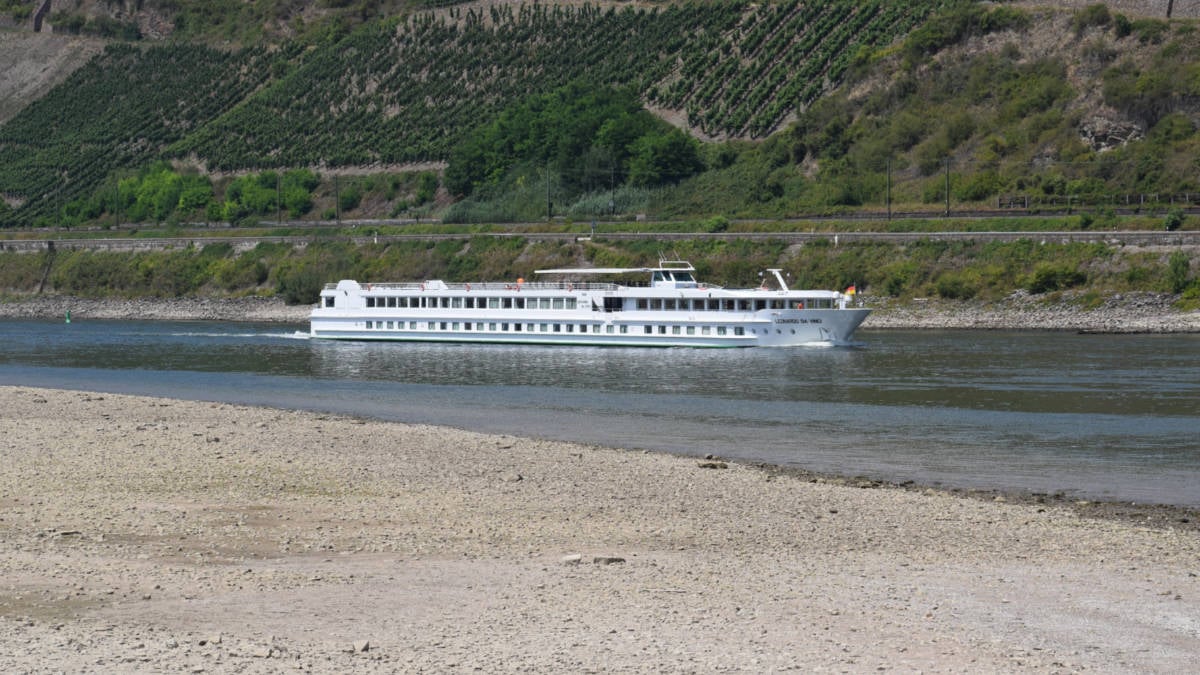
As early as May and June, hydrological reports warned of receding water levels along critical chokepoints on the Rhine—particularly around the Middle Rhine Gorge near Kaub—and upper stretches of the Danube in Germany and Austria. Riverbeds that normally accommodate heavily laden cargo barges and multi-level passenger vessels began to emerge, exposing mudflats and reducing draft limits to levels that made standard navigation impossible for deeper-hulled ships.
Mid-Summer: Widespread Itinerary Alterations
By July, the situation deteriorated to the point where several high-profile cruise lines were forced to implement emergency contingency plans. Historic chokepoints became impassable, forcing operators to cancel specific port stops, substitute alternative excursions, or redesign entire voyages. Companies that rely heavily on seamless, dock-to-dock sailing found themselves scrambling to secure bus transfers, hotel accommodations, and alternate docking space in congested European ports.
Late August: The Rain Arrives, But Uncertainty Persists
By mid-to-late August, weather patterns shifted, bringing bouts of beneficial precipitation to parts of France, Germany, and Central Europe. This rainfall injected fresh volume into upper river systems, providing immediate relief and allowing some navigation restrictions to be lifted on the upper Danube.
However, hydrologists warn that isolated downpours are insufficient to reverse deep-seated hydrological deficits. Lower stretches of rivers, dependent on broader regional drainage basins, continue to experience dangerously low water marks. Consequently, cruise lines remain caught between the optimism of short-term weather forecasts and the harsh reality of long-term environmental instability.
Supporting Context & Metrics: The Science Behind the Shallows
To truly understand why river cruise lines are forced into such defensive postures, one must examine the unique environmental and logistical constraints governing European waterways.
The Anatomy of a River Drought
Unlike ocean-going mega-ships that operate in deep, open waters with virtually limitless clearance, river cruise vessels are bound by strict physical dimensions. They must fit beneath historic stone bridges, navigate narrow locks, and float safely over shallow riverbeds. When rainfall is scarce and glacial meltwater dwindles, the margin for error shrinks to mere inches.
A river is considered at "low water" when the depth falls below thresholds required for safe passage. When this happens, vessels risk grounding, which can damage hulls, disable propulsion systems, and strand hundreds of passengers in remote locations.
The Critical Role of the Rhine and Danube
- The Rhine: Flowing from the Swiss Alps through Germany and the Netherlands to the North Sea, the Rhine is a powerhouse of European commerce and tourism. Chokepoints like Kaub dictate whether ships can transit between northern routes (such as Amsterdam) and southern routes (such as Basel).
- The Danube: Stretching from Germany’s Black Forest all the way to the Black Sea, the Danube is the lifeblood of Central and Eastern European cruising. Cities like Vienna, Budapest, and Bratislava depend on the steady flow of tourism brought by river liners. Droughts in the German and Austrian segments frequently isolate these major capitals from upstream itineraries.
Official Warnings from the European Drought Observatory
Data published by the European Drought Observatory underscores the systemic nature of the crisis. Their early-August assessments clearly indicate that drought conditions "remain critical in most of Europe." Soil moisture is severely depleted, and groundwater tables have failed to recharge adequately. Until a sustained, continent-wide rainy season arrives—typically not anticipated until late autumn or winter—river levels will remain acutely sensitive to daily meteorological shifts.
Official Responses and Fleet Strategies from Major Cruise Lines
Faced with the prospect of disgruntled guests and ruined vacations, river cruise operators have developed sophisticated, albeit complex, toolkits to manage low-water events. Rather than outright cancellations, companies are leveraging fleet architecture, alternative routing, and transparent communication.
Emerald Cruises: Strategic Vessel Swaps on the Danube
Emerald Cruises has taken proactive measures to safeguard upcoming itineraries while acknowledging localized uncertainty. Passengers booked on the Emerald Sky for the August 30, 2026, 7-night Danube River cruise departing from Budapest received detailed communications outlining the line’s operational strategy.
While Emerald remains confident that the majority of the voyage will proceed smoothly—anticipating normal operations from Bratislava through to Regensburg—the initial leg between Budapest and Bratislava presents a stubborn challenge due to lingering shallow patches.
To ensure maximum operational flexibility, Emerald has instituted a preventative ship swap. Guests will embark aboard the Emerald Destiny instead of the originally scheduled Emerald Sky. Because both vessels belong to the same class and feature an identical passenger capacity of 182 guests, the guest experience, cabin configurations, and onboard amenities remain entirely uncompromised. The cruise line has promised to release final embarkation details as water level data solidifies.
Saga River Cruises: Protecting the "River" Experience
Saga River Cruises, catering heavily to discerning travelers seeking immersive cultural journeys, took to social media on August 18 to reassure its clientele. Saga has adopted a granular, cruise-by-cruise review process to assess conditions dynamically.
Crucially, Saga has made a firm public commitment to its passengers: altered itineraries will not degrade into bus tours. In an official statement addressing customer anxieties, the line declared:
"We won’t turn your itinerary into a coach holiday; the ship will be sailing."
When primary routes become unnavigable, Saga is rerouting ships to alternative, water-rich regions. These include the picturesque Dutch Waterways, the Main River, and other fully navigable segments of the Danube. Furthermore, to minimize travel fatigue, Saga is making every effort to retain original flight schedules, bypassing lengthy and uncomfortable overland bus transfers wherever feasible. Affected guests receive direct, personalized updates from the line’s customer service teams.
Viking River Cruises: Innovative "Ship Swaps" Across Obstacles
As an industry giant with an extensive, uniform fleet, Viking River Cruises utilizes a uniquely scaled approach to combat low-water disruptions. In an update issued on August 20, Viking maintained an optimistic outlook while prudently preparing travelers for potential itinerary tweaks.
Viking’s signature operational maneuver during severe low-water events is the coordinated "ship swap." Because Viking constructs near-identical sister ships that frequently mirror each other’s itineraries in opposite directions, the company possesses a built-in logistical safety valve.
When a specific river sector becomes impassable:
- Passengers disembark from Ship A on one side of the shallow zone.
- Guests are transported across the short, impassable land barrier via private motorcoach.
- Passengers board Ship B—an identical vessel waiting on the other side of the shallow zone—and continue their journey.
In many cases, because the ships share identical blueprints, Viking can even accommodate guests in the exact same stateroom category they originally booked on the first vessel. This minimizes displacement, preserves the rhythm of the cruise, and ensures that the vacation remains fundamentally a river voyage rather than a land-based tour.
Future Outlook: What Travelers Need to Know Moving Forward
As Europe adapts to a shifting climate, low-water phenomena are transforming from rare "black swan" events into predictable seasonal challenges that the river cruise industry must systematically manage. For travelers planning a European river voyage in the near term, several key takeaways emerge from the current crisis:
- Flexibility is Paramount: Booking a river cruise during late summer or early autumn now requires a mindset of adaptability. Itineraries may shift, ports may be substituted, and departure logistics can change at relatively short notice.
- Communication Channels are Active: Cruise lines have significantly improved their communication protocols. Passengers and travel advisors are being notified well in advance of embarkation, allowing travelers to weigh their options, understand contingency plans, or adjust travel insurance coverage.
- The Industry is Innovating: Through strategic vessel matching, mid-river passenger transfers, and flexible regional rerouting (such as shifting to the Dutch Waterways or the Main), cruise operators are proving highly resilient. The core promise of river cruising—unpacking once while waking up in a new historic destination—is being vigorously defended by lines determined to keep their ships afloat.
Ultimately, while recent rainfall has brought a welcome sigh of relief to European riverbanks, the underlying hydrological reality demands continued vigilance. By staying informed, working closely with knowledgeable travel advisors, and choosing lines with robust contingency fleets, travelers can still experience the magic of Europe’s majestic waterways safely and comfortably.