






Executive Overview
As the warm winds of summer sweep across the jagged, picturesque coastline of southern Maine, Casco Bay Lines (CBL) enters its busiest and most demanding operating season. Millions of tourists, daily commuters, and tight-knit island residents rely on the historic ferry service to traverse the chilly, glittering waters of Casco Bay. Behind the seamless execution of daily sailings, freight deliveries, and passenger accommodations lies a dedicated maritime workforce. At the heart of this intricate operation are the deckhands—the physical backbone of the fleet who ensure that vessels remain safe, schedules are met, and cargo arrives intact.
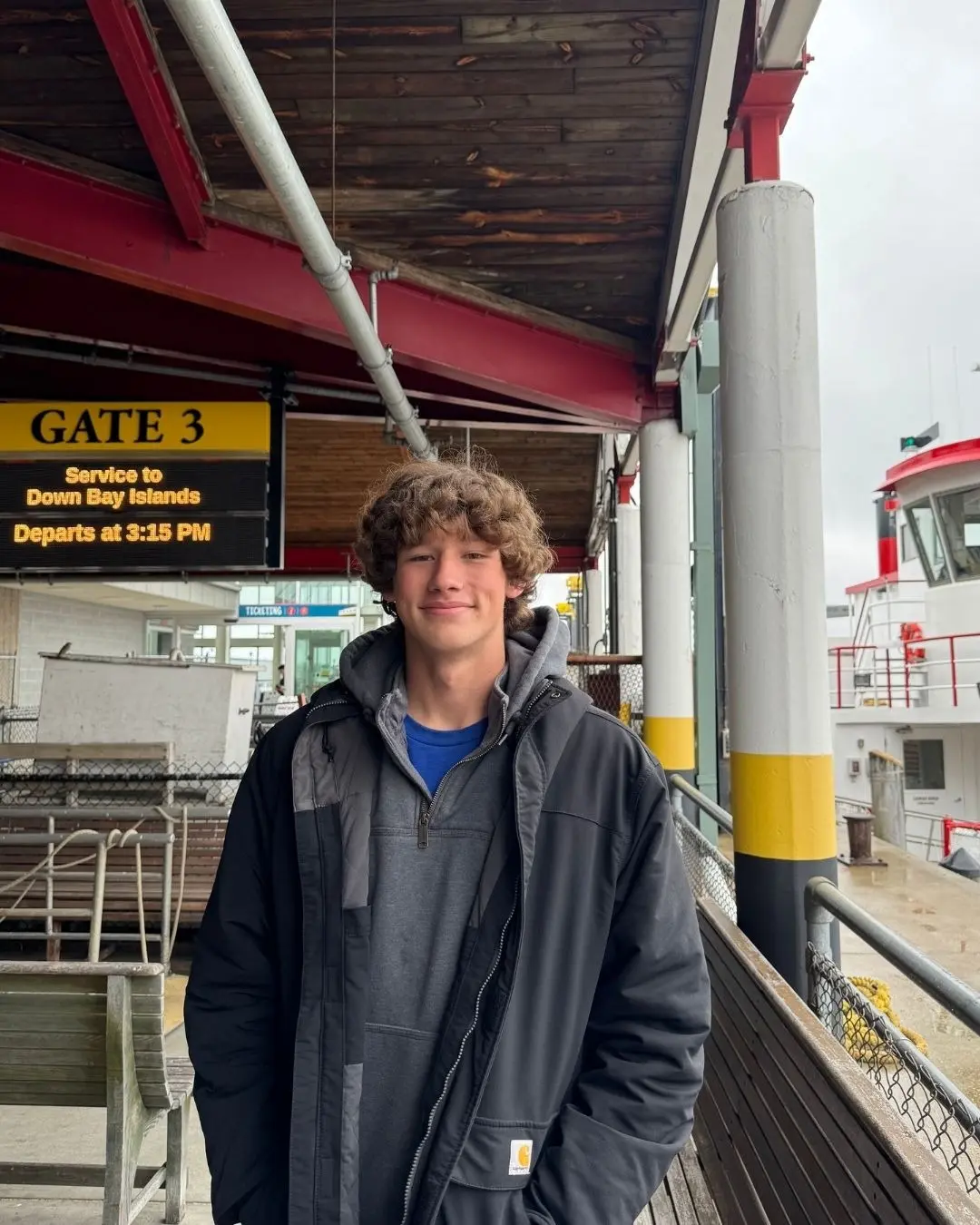
To understand the heartbeat of Casco Bay Lines during peak season, this report examines the daily operations, challenges, and cultural significance of the ferry service through the eyes of Camden Zsiga, a 19-year-old veteran deckhand and college student entering his fourth summer with the company. Blending frontline logistics with human-interest narrative, this feature explores how Casco Bay Lines serves not merely as a commercial transportation provider, but as an indispensable lifeline for Maine’s offshore island communities.
Detailed Chronology: A Multi-Year Journey on the Bay
The Roots of a Maritime Career
Camden Zsiga’s path to the deck of a Casco Bay Lines vessel is deeply rooted in local tradition and family heritage. Born in Portland and raised in nearby Scarborough, Zsiga graduated from Scarborough High School before heading south to pursue a business degree at the College of Charleston in South Carolina. However, despite his academic pursuits in the Southeast, the pull of coastal Maine remains irresistible.
Zsiga’s introduction to Casco Bay Lines was facilitated by familial ties. His father serves as a firefighter on Peaks Island, a profession that embedded the young Zsiga into the close-knit network of island workers. "A lot of people who work here have some kind of connection to the islands, and I think that’s one of the things that makes this place special," Zsiga notes.
Rising Through the Ranks: From Shoreside Freight to Open Waters
Zsiga’s tenure with Casco Bay Lines began at age 16, far from the passenger decks, starting shoreside within the company’s rigorous freight department. In this foundational role, he was tasked with managing the vast array of goods required to sustain island life—everything from personal luggage and weekly groceries to heavy commercial deliveries and large construction materials destined for offshore developments.
[Shoreside Freight Operations]
       │ (Ages 16–17: Sorting, organizing, crane loading)
       ▼
[Cross-Training & Certification]
       │ (Mastering cargo weight distribution & vessel safety)
       ▼
[Deckhand Operations]
       │ (Ages 18–19: Passenger assistance, line handling, navigation support)
       ▼
[Maritime Leadership & Community Integration]
Working in freight provided Zsiga with an unvarnished masterclass in logistics. He and his peers were responsible for receiving, organizing, and staging cargo so that deckhands could seamlessly load it onto outgoing vessels. After two years mastering the complexities of shoreside logistics, Zsiga transitioned to the water, completing the necessary training to become a certified deckhand. Now spending his fourth consecutive summer with Casco Bay Lines—and his second operating actively as a deckhand—he possesses a rare, dual-sided perspective of the business that bridges dockside operations with on-water execution.
Supporting Context & Metrics: The Lifeline of Casco Bay
Understanding the Casco Bay Route Network
Casco Bay Lines operates year-round, connecting mainland Portland to the islands of the inner bay. While casual visitors often view the fleet as a leisurely way to sightsee or tour local lighthouses and historic Civil War-era fortifications, the operational reality is far more utilitarian.
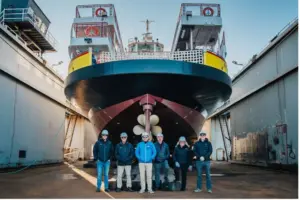
The freight and passenger boats service a diverse string of island communities, including:
- Little Diamond Island
- Great Diamond Island
- Diamond Cove
- Long Island
- Cliff Island
- Chebeague Island
For the permanent residents of these islands, Casco Bay Lines is not an amenity; it is public infrastructure. Without the daily rotations of cargo and passenger ferries, basic societal functions—ranging from educational attendance to medical appointments—would grind to a halt.
The Rigors of a Deckhand’s Daily Routine
The working day for a Casco Bay Lines deckhand is characterized by precision timing and physical labor. Depending on the specific assignment and vessel schedule, crew members report for duty anywhere from 30 minutes to an hour and a half prior to departure.
The morning sequence follows a strict operational protocol:
- Vessel Preparation: Crews board the ship, verify safety gear, and coordinate with the captain regarding weather, tide conditions, and expected passenger volume.
- Line Handling: Deckhands manage the mooring lines, casting off or securing the vessel as it transitions between docks.
- Cargo Operations: Utilizing cranes, rolling carts, and specialized cages, deckhands hoist and stow freight efficiently, ensuring weight is balanced across the vessel.
- Passenger Boarding: Crew members assist travelers, manage ticketing inquiries, and ensure safe embarkation.
- En-Route Management: Once underway, deckhands continuously monitor cargo stability, assist passengers, prepare documentation for upcoming stops, and execute rapid turnarounds at each island port.
The Psychology of Cargo Logistics
One of the most complex elements of deck operations is cargo management. Loading a vessel for multiple consecutive island stops requires a high degree of spatial reasoning and strategic planning. Freight must be organized in reverse-unload order; items destined for the final stop must be stowed deep within the cargo hold, while goods for the first stop remain immediately accessible.
"You’ve got freight going to multiple islands, different-sized cargo, and limited space," Zsiga explains. "You have to think ahead and load things in a way that makes unloading efficient later on. It takes practice, but I enjoy that part of it. I like having to solve problems and figure things out."
Official Statements & Frontline Perspectives
Balancing Maritime Labor and Emergency Services
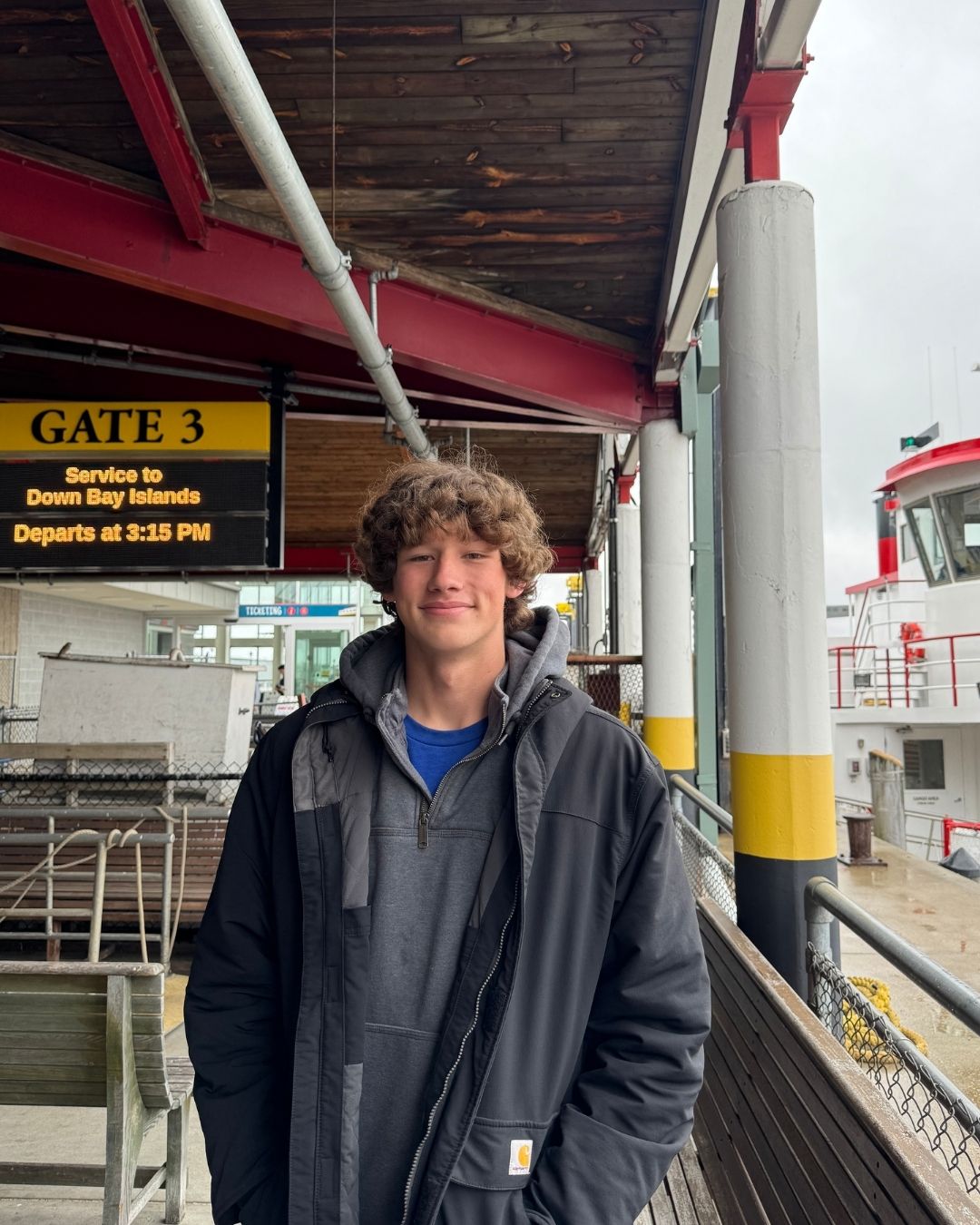
Beyond his responsibilities on the water, Zsiga maintains a rigorous commitment to public safety on land. He serves as a Call Company Firefighter with the Scarborough Fire Department, an involvement that began at age 15 through the department’s Explorer Program. Currently, he is actively working toward earning his Emergency Medical Technician (EMT) certification.
This background in emergency response heavily influences his approach to maritime work. The discipline, situational awareness, and calm demeanor required in firefighting translate directly to the high-tempo environment of commercial ferry operations.
The Cultural Fabric of Casco Bay Lines
When asked why he returns to Casco Bay Lines summer after summer—bypassing typical indoor office gigs or food service jobs common among college students—Zsiga points directly to the occupational culture.
"This company is really, really great. Being 18 or 19 years old and getting to work on the water is pretty unmatched. I’m not the type who wants to be inside working in the food industry or an office. If I can work with my hands and be outside all summer long, I’m completely happy and content. Everyone here is great. It’s a big community. Everyone looks out for each other, and over the years I’ve built a lot of friendships here. It really feels like one big family."
Bridging Generations and Cultures
A surprising element of the deckhand experience is the interpersonal engagement with passengers. Far from merely checking tickets or securing lines, deckhands often serve as informal ambassadors of Casco Bay. Zsiga notes that striking up conversations with passengers—whether they are birdwatchers scanning the horizon with binoculars or tourists curious about local lore—adds a deeply rewarding layer to the job.
Through daily interactions with veteran captains, deckhands absorb a wealth of regional history. They learn intimate details about the 19th-century coastal fortifications, nineteenth-century lighthouses, and the ecological dynamics of the Gulf of Maine. This knowledge is then shared organically with visitors, enriching the public’s understanding of coastal Maine heritage.
Future Outlook: Sustaining Maine’s Maritime Workforce
The Realities of Island Dependence
One of the most profound realizations for young workers entering the Casco Bay system is the stark contrast between mainland perceptions and island realities. While tourists experience the bay as a playground of scenic vistas, island residents experience it as an umbilical cord.
Zsiga highlights the extraordinary dedication of island youth, noting that students living on remote outposts like Cliff Island must wake up in the pitch-black early morning hours to catch the initial ferry into Portland just to make it to school on time. Witnessing this unwavering commitment instills a deep sense of responsibility in young maritime workers. They realize that their labor is not just a seasonal summer job, but a vital link ensuring the survival and continuity of island communities.
Recruitment, Retention, and the Next Generation
As Casco Bay Lines looks toward the future, attracting and retaining motivated young professionals like Camden Zsiga remains essential. The maritime industry faces nationwide labor challenges, yet companies that offer authentic outdoor work, strong community bonds, and clear operational pathways continue to find success.
For young adults deciding on their career trajectories, Zsiga offers an unequivocal endorsement of the profession:
"I’d absolutely recommend it. If you enjoy being outdoors, working with your hands, meeting people, and being part of a team, it’s a great job. You learn responsibility, time management, problem-solving, and how to work hard. Every day feels rewarding, and you’re part of something that really matters to the island communities. For me, it’s been one of the best experiences I’ve had."
Conclusion
As summer operations reach their zenith across Casco Bay, the steady hum of ferry engines and the synchronized movement of cargo carts will continue to define the rhythm of coastal life. Through the dedication of crew members who balance rigorous physical labor with genuine community engagement—exemplified by young leaders like Camden Zsiga—Casco Bay Lines successfully bridges the gap between mainland Maine and its treasured island sanctuaries, ensuring that the maritime traditions of the region endure for generations to come.