








Executive Overview
For over a century, the American landscape has been fundamentally shaped by a single, unyielding premise: the private automobile is the ultimate vehicle of human freedom. From the sprawling network of interstate highways to the acres of asphalt parking lots sprawling across every suburb and city center, U.S. transportation policy has poured trillions of dollars into a system predicated on car ownership. Today, however, that foundational premise is showing catastrophic cracks.
As urban centers grapple with chronic congestion, spiraling infrastructure maintenance costs, staggering carbon footprints, and a relentless public health crisis driven by pedestrian and cyclist fatalities, a consensus is emerging among urban planners, economists, and communities: what the United States is doing transportation-wise simply is not working.
The consequences of our hyper-automotive dependency extend far beyond frustrating morning commutes. They affect economic mobility, environmental health, and the very fabric of our communities. As we look toward the horizon, the pressing question is no longer whether our current trajectory is unsustainable, but rather how—and how fast—we can pivot toward a future defined by sustainable transit, walkable neighborhoods, and active mobility.
This comprehensive investigation explores the systemic failures of the modern American transportation paradigm, examines the hard data underpinning the crisis, highlights recent policy missteps regarding infrastructure and public transit, and outlines the visionary roadmap required to build the cities and towns of tomorrow.
Detailed Chronology: How America Paved Its Way Into a Corner
To understand the current crossroads of American transportation, one must trace the historical milestones that cemented the nation’s reliance on cars while systematically dismantling alternative modes of transit.
The Mid-20th Century: The Highway Boom and Suburban Flight
The structural transformation of American mobility began in earnest following World War II. Bolstered by the Federal-Aid Highway Act of 1956, the federal government initiated the construction of the Dwight D. Eisenhower National System of Interstate and Defense Highways. While designed for national defense and rapid interstate commerce, the new highways slashed through established urban neighborhoods, often displacing minority and low-income communities, and triggered a massive wave of suburbanization.
Real estate development patterns shifted dramatically. Single-family homes with large setbacks, separated entirely from commercial zones, became the American dream. Concurrently, powerful industrial lobbying—spanning auto manufacturers, oil conglomerates, and tire companies—systematically bought up and dismantled functional urban streetcar and light rail networks across hundreds of cities. The streetcar was out; the sedan was in.

The Late 20th Century: The Sprawl Epidemic
By the 1970s and 1980s, the "car-first" model had institutionalized itself across municipal zoning codes. Minimum parking requirements mandated that every new apartment building, strip mall, and office park provide a massive surplus of off-street parking, rendering pedestrian access hazardous and inefficient. Public funding heavily favored road expansions and maintenance, while public transit budgets starved. Despite periodic energy crises that sparked brief revivals of interest in mass transit, federal policy consistently prioritized highway funds over rail and bus investments.
The 21st Century: The Awakening and Backlash
Entering the 2000s, the unsustainable nature of perpetual road-widening became mathematically undeniable. Urban cores began experiencing congestion so severe that it choked economic productivity. A nascent "complete streets" movement emerged, advocating for roadways designed to accommodate pedestrians, bicyclists, transit riders, and motorists alike.
However, progress has been deeply uneven. Even as cities attempted to build bike lanes and expand light rail, federal and local funding mechanisms remained heavily skewed toward road repair and highway expansion. Flashpoints in recent years—such as school districts walking back commitments to electric bus fleets while simultaneously approving school locations completely inaccessible by foot or bike—demonstrate that the cultural shift away from car dependency faces deeply entrenched institutional inertia.
Supporting Context & Metrics: The Cost of Car Dependency
The human, financial, and environmental toll of America’s car-centric infrastructure is quantified by staggering metrics that reveal a system in deep distress.
Economic and Environmental Toll
According to recent transportation analytics, the average American household spends more than 15% to 20% of its annual income on vehicle ownership, maintenance, insurance, and fuel—making transportation the second-largest household expense after housing. When cities are built exclusively for cars, lower-income families who cannot afford reliable vehicles are functionally locked out of economic opportunities.
From an environmental standpoint, the transportation sector remains the single largest contributor to greenhouse gas emissions in the United States, surpassing even the power generation sector. While the transition toward electric vehicles (EVs) offers a partial remedy to tailpipe emissions, EVs do nothing to solve chronic traffic congestion, the massive land consumption of parking lots, or the physical danger vehicles pose to non-motorists.
The Public Health Crisis: Pedestrian and Cyclist Safety
Perhaps the most alarming metric of America’s failed transportation model is the surge in traffic violence. Over the past decade, pedestrian and cyclist fatalities have climbed to levels not seen in 40 years. Thousands of Americans lose their lives each year simply trying to cross wide, high-speed stroads—hybrid street-road designs that encourage rapid vehicular movement while trying to serve local storefronts.

School transit metrics underscore this disconnect. As highlighted in recent educational infrastructure reports, districts across the country frequently scale back investments in sustainable student transit while continuing to approve suburban school campus locations that necessitate drop-off lines stretching for miles, ensuring that no child can safely walk or bike to class.
Official Statements and Expert Perspectives
As municipalities struggle to balance shrinking budgets with mounting infrastructure liabilities, urban planners, public health advocates, and municipal leaders are speaking out against the status quo.
"We have spent the better part of a century engineering our cities around the storage and movement of metal boxes rather than the health and well-being of human beings," notes a leading urban transit policy researcher. "Every dollar spent on widening a highway that induces more traffic is a dollar stolen from building a reliable, dignified public transit network."
Advocacy networks, including Streetsblog and allied national organizations, have consistently emphasized that fixing American transportation requires a fundamental paradigm shift. Rather than asking how to move more cars faster through residential neighborhoods, planners must ask how to design communities where cars are an option rather than a mandatory survival tool.
Local officials across progressive and conservative municipalities alike are also voicing frustration with federal funding silos. Current transportation funding formulas often make it extraordinarily difficult for cities to redirect highway maintenance dollars toward pedestrian safety improvements, dedicated bus lanes, or protected cycle tracks.
Future Outlook: Building the Cities of Tomorrow
What, then, does the future hold for U.S. transportation? Reversing decades of poor planning will not happen overnight, but a clear blueprint for a sustainable future is beginning to take shape across the nation.
1. Embracing Complete Streets and Traffic Calming
The immediate future of urban design lies in retrofitting existing infrastructure. Cities are increasingly turning to "road diets"—reducing the number of vehicle lanes to make room for protected bike lanes, wider sidewalks, and landscaping. Traffic calming measures, such as raised crosswalks, bulb-outs, and lower speed limits, are transforming dangerous stroads back into vibrant, human-scale streets.

2. Revolutionizing Public Transit and Micro-Mobility
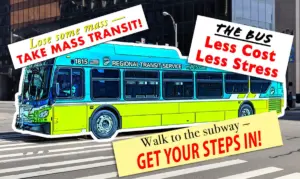
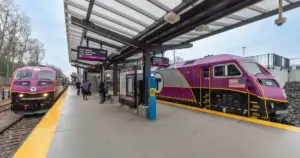
For mass transit to compete with the convenience of private vehicles, it must be fast, reliable, and frequent. Future-focused cities are investing in Bus Rapid Transit (BRT) systems equipped with signal priority and dedicated lanes, making bus commutes faster than driving in mixed traffic. Concurrently, the integration of micro-mobility options—such as e-bikes and shared scooters—provides critical "first-mile, last-mile" connections to rail and bus stations.
3. Overhauling Zoning and Land-Use Policies
True transportation reform cannot succeed without concurrent land-use reform. Eliminating mandatory parking minimums, legalizing missing middle housing (duplexes, triplexes, and townhomes), and encouraging mixed-use neighborhood developments will shorten trip lengths and make walking and biking viable everyday choices. When people can live within a 15-minute walk of grocery stores, schools, and workplaces, the necessity for constant vehicular travel evaporates.
4. Shifting Federal and State Funding Priorities
Ultimately, systemic change requires legislative action at the federal and state levels. Transportation trust funds must be restructured to prioritize maintenance and multi-modal transit over highway expansion. By aligning financial incentives with sustainable growth, federal policy can empower local communities to design transportation networks that serve people, not just cars.
Conclusion
The realization that current U.S. transportation policies are failing is the vital first step toward recovery. The future of American mobility does not lie in more congested highways or larger parking lots, but in a courageous return to human-centric design. By prioritizing safety, sustainability, and equitable access, the United States can break the cycle of car dependency and construct vibrant, accessible, and resilient cities for generations to come.