








Executive Overview
Washington state is globally celebrated for its rugged landscapes, where towering evergreens, jagged mountain ranges, and dynamic coastlines dictate the geography. Yet, beneath the Pacific Northwest’s damp, gray winter skies, a different kind of wilderness thrives entirely indoors. Tucked away within the 27-acre historic arboretum of Wright Park in downtown Tacoma sits the W.W. Seymour Botanical Conservatory—an architectural marvel that offers a lush, tropical respite from the elements.
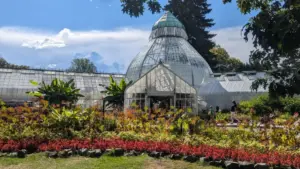
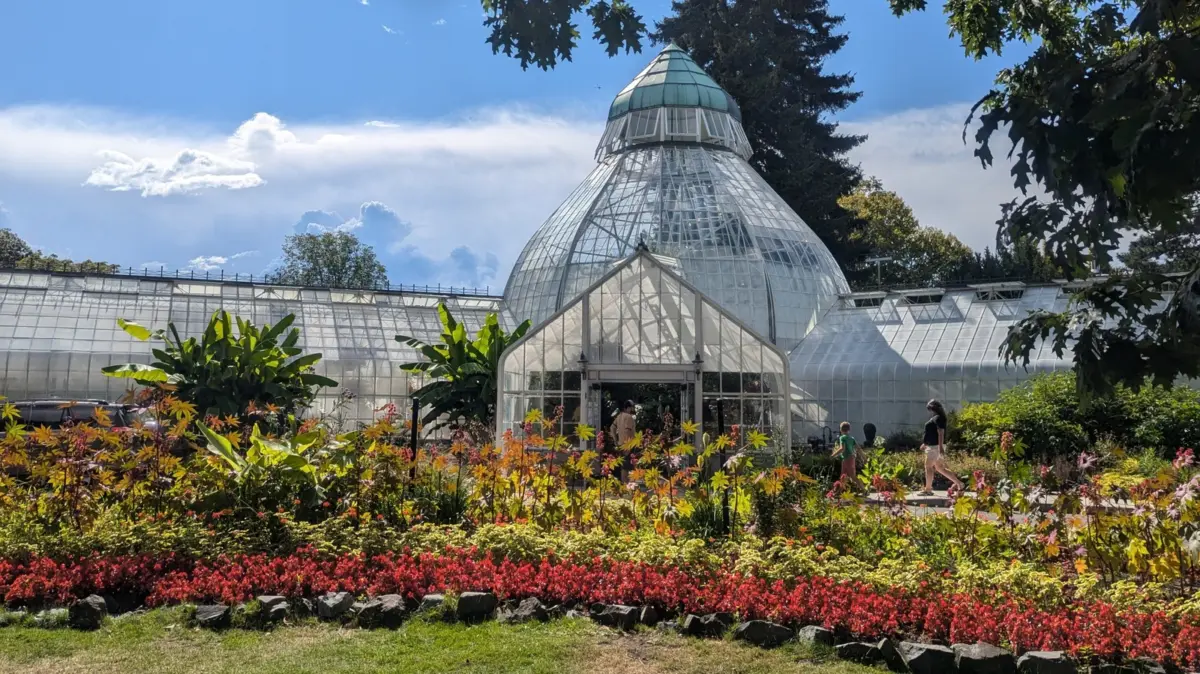
Constructed in 1908 from roughly 3,000 individual panes of hand-fitted glass, this Victorian-style greenhouse is far more than a simple repository for exotic vegetation. It is an enduring civic monument, a listed property on the National Register of Historic Places, and one of only three operational public Victorian-style glass conservatories on the entire United States West Coast.
Behind its gleaming white frame and soaring 12-sided central dome lies a living collection of over 250 species of plants gathered from across the globe. From vibrant, year-round orchids to exotic carnivorous pitcher plants and towering subtropical palms, the conservatory transports visitors thousands of miles away from the damp chill of western Washington. Beyond its botanical value, the conservatory has functioned for over a century as a cultural cornerstone. It plays host to community gatherings, educational programs, weddings, and artistic exhibits, securing its place as both an architectural masterpiece and a beloved civic sanctuary.
Detailed Chronology: From Late-Victorian Vision to Modern Heritage
The origins of the W.W. Seymour Botanical Conservatory are deeply intertwined with the rapid urbanization and civic maturation of Tacoma at the turn of the 20th century. A comprehensive timeline traces the evolution of Wright Park and the iconic glasshouse that calls it home:
- 1886: The foundational land for what would become Wright Park is officially donated to the city of Tacoma, establishing a pristine green space on the southern terminus of the Puget Sound. Initial planning focuses on creating an accessible urban arboretum.
- Early 1900s: As Tacoma grows into a bustling industrial and maritime hub, civic leaders increasingly look to emulate the grand urban parks of the eastern United States and Europe, emphasizing the therapeutic and aesthetic value of manicured public landscapes.
- 1907–1908: William W. Seymour, a prominent local businessman and community leader who serves as a commissioner and president on the Metropolitan Park Board, steps forward with a generous financial contribution. Seymour donates the funds required to construct a modern conservatory within Wright Park.
- 1908: Designed by noted local architect Isaac J. Knapp, the conservatory officially opens its doors to the public. Built to mirror the ornate, light-filled glasshouses of Victorian England—such as the Palm House at the Royal Botanic Gardens, Kew—the structure is named in honor of its primary benefactor.
- Mid-20th Century: The conservatory undergoes various operational adjustments and periodic maintenance cycles to preserve its delicate iron-and-wood framework and manage its growing botanical inventory against the corrosive moisture of the Pacific Northwest climate.
- 2008: The structure celebrates its centennial anniversary. Recognizing its architectural significance and deep roots in the community, readers of the Tacoma Weekly vote it "the Best Place to Relax in Tacoma."
- Present Day: The conservatory maintains its status as a vital urban sanctuary, welcoming thousands of annual visitors, hosting public programming, and serving as a protected habitat for rare and exotic plant species under the stewardship of Metro Parks Tacoma.
Supporting Context & Metrics
To fully appreciate the W.W. Seymour Botanical Conservatory, one must examine the quantitative and architectural dimensions that set it apart from standard urban park amenities.
Architectural Specifications
- Glass Panes: Approximately 3,000 distinct panes of glass are meticulously arranged to form the intricate walls and curved roofing panels.
- Dome Structure: The architectural centerpiece is a 12-sided main dome that rises dramatically like an ornate glass vase, capped with a decorative ceramic tile apex.
- Wings: Two sweeping lateral wings branch outward from the central rotunda, creating varied microclimates and distinct pathways for exhibition displays.
- Regional Rarity: The facility is exceptionally rare, standing as one of only three public Victorian-style glass conservatories operational on the entire West Coast of the United States.
Botanical Diversity
- Species Inventory: The conservatory houses over 250 distinct plant species imported from tropical, subtropical, and arid regions worldwide.
- Orchid Collection: More than 200 individual orchids are maintained within the collection, engineered to ensure continuous, year-round blooming cycles regardless of external weather patterns.
- Specialized Flora: Alongside delicate palms and ferns, the greenhouse features carnivorous species, such as pitcher plants, which highlight botanical adaptations to nutrient-poor soils.
Wright Park Context
- Total Acreage: The surrounding Wright Park encompasses 27 meticulously maintained acres within walking distance of downtown Tacoma.
- Arboretum Assets: The park grounds feature more than 600 mature trees representing over 100 distinct species, complemented by historical monuments, water features, and public art installations.
Official Statements and Civic Perspectives
Local historians, botanical curators, and municipal authorities have long emphasized the unique value the conservatory brings to the urban fabric of the Pacific Northwest.
Metro Parks Tacoma officials frequently highlight the dual mission of the facility: preserving a rare piece of late-19th-century architectural heritage while providing free, equitable access to nature for the surrounding community.
"The W.W. Seymour Botanical Conservatory bridges the gap between our region’s rugged outdoor identity and the refined, classical traditions of historic European horticulture," notes local preservation documentation. "It serves as an indoor classroom, an architectural monument, and a peaceful refuge that remains entirely accessible to the public."
Architectural historians point out that structures of this vintage require meticulous, specialized maintenance. The survival of the building’s delicate framework through more than a century of seismic activity, windstorms, and relentless winter moisture is a testament to both the quality of Isaac J. Knapp’s original engineering and the ongoing commitment of Tacoma’s preservation community.
Furthermore, community organizers note the psychological and social benefits of the space during the dreary winter months. As sunlight grows scarce in western Washington, the humid, sun-drenched interior of the glass dome provides a documented psychological lift for visitors, functioning effectively as an urban sanctuary for mental health and relaxation.
Future Outlook: Preservation, Programming, and Regional Integration
As the W.W. Seymour Botanical Conservatory looks toward the future, its operational strategy balances historic preservation with modern community engagement and environmental education.
Infrastructure and Preservation
Maintaining a structure composed of thousands of glass panes and aging framing materials presents ongoing engineering challenges. Metro Parks Tacoma continues to prioritize structural assessments and targeted restorations to ensure the building meets modern safety standards while maintaining its historic National Register integrity. Climate control systems are continually optimized to balance the needs of fragile tropical specimens with energy-efficiency goals.
Expanded Public Programming
In addition to serving as a quiet sanctuary, the conservatory is expanding its footprint as an educational and cultural hub. Plans include enhanced youth programs, botanical workshops focused on orchid cultivation and sustainable gardening, and expanded partnerships with local schools. Seasonal events—ranging from spring flower shows to festive holiday displays—continue to draw record numbers of visitors from across the Puget Sound region.
Integration with Broader Regional Tourism
The conservatory is increasingly positioned as a vital anchor within a broader Tacoma and Pierce County tourism ecosystem. Visitors exploring the glasshouse are encouraged to extend their itineraries into the surrounding Wright Park, or venture outward to nearby regional attractions. These include:
- Fox Island: Located a brief 30-minute drive away, offering quiet suburban shorelines ideal for fishing, paddling, and coastal relaxation.
- Vashon Island: Situated less than an hour away via ferry, known for uncrowded rural roads, scenic vistas, and a thriving farm-to-table culinary scene.
By anchoring historic preservation, ecological education, and accessible civic space under one magnificent glass roof, the W.W. Seymour Botanical Conservatory ensures that William Seymour’s early-20th-century vision will continue to inspire, educate, and shelter generations of plant lovers and history enthusiasts for decades to come.