







Executive Overview
As the warm winds of summer sweep across the jagged coast of Maine, the waters of Casco Bay burst into a vibrant symphony of bustling ferries, salt-kissed air, and the steady hum of maritime commerce. For generations, Casco Bay Lines (CBL) has served as the nautical heartbeat of the region, seamlessly bridging the gap between mainland Portland and the outlying islands. Behind the effortless choreography of ferry departures, passenger embarkation, and multi-ton cargo deliveries lies an essential, high-performing workforce. At the center of this operation are the deckhands—the hardworking, fast-thinking mariners who make daily life on the water possible.
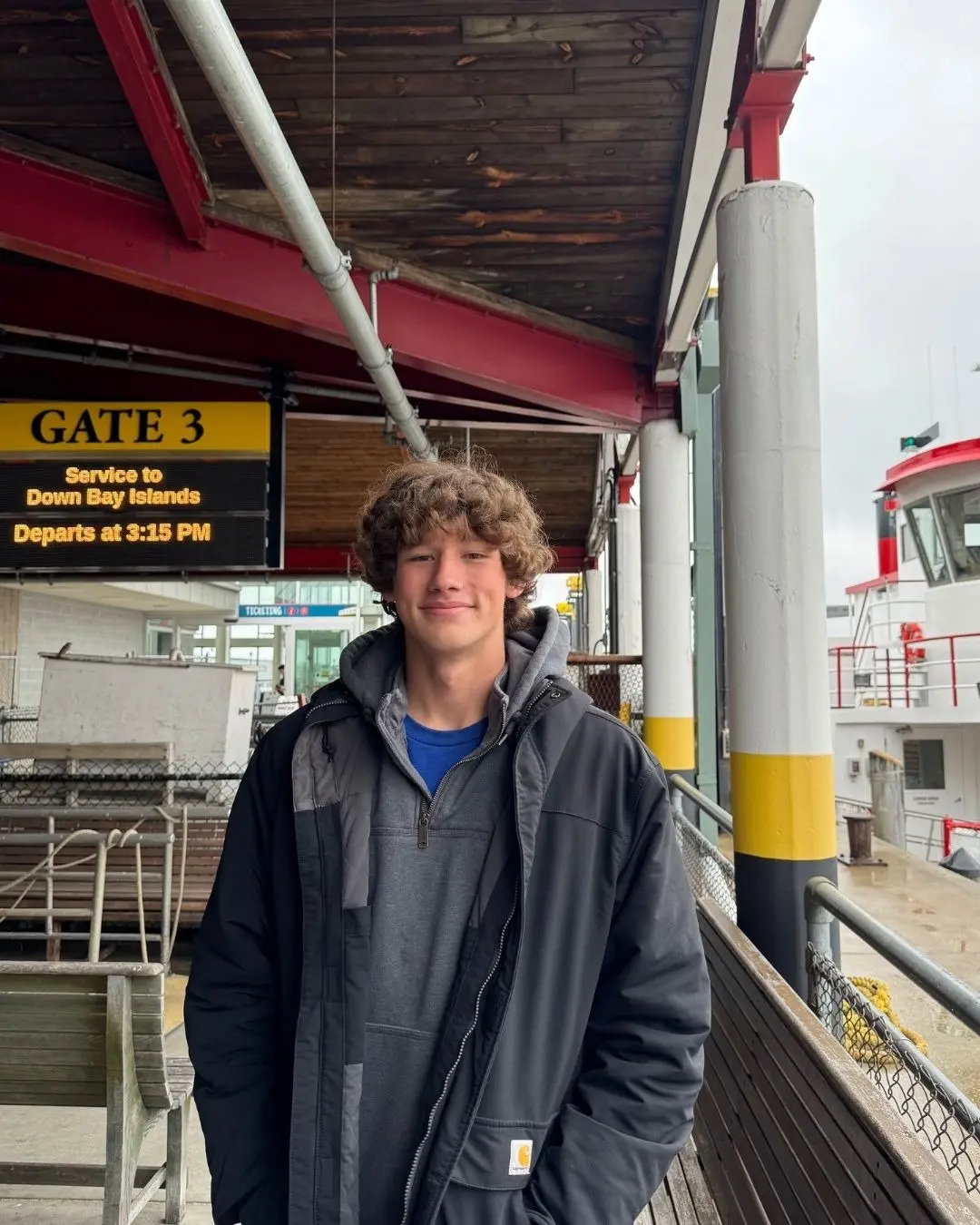
To understand the modern dynamics of Casco Bay Lines during its peak summer season, one need look no further than its emerging young talent. Nineteen-year-old Camden Zsiga represents a new generation of maritime professionals. Balancing a rigorous collegiate business curriculum, volunteer emergency services, and a demanding operational role on the water, Zsiga is currently navigating his fourth summer with Casco Bay Lines and his second as a full-fledged deckhand.
This in-depth feature explores Zsiga’s trajectory within the company, unpacks the logistical intricacies of managing a bustling island transit system, and examines the profound community interdependence that defines life in Casco Bay. Through a journalistic lens, we examine what it takes to keep Maine’s island lifelines running smoothly, the unique challenges of modern deckhand operations, and the enduring appeal of a career forged on the open water.
Detailed Chronology: From Shoreside Freight to the Open Water
The pathway to becoming a skilled deckhand at Casco Bay Lines is rarely accidental; rather, it is forged through local ties, mentorship, and a steady progression of responsibility. For Camden Zsiga, that journey began well before he ever stepped foot on the deck of a CBL ferry.
Roots in the Community and Early Beginnings
Born in Portland and raised in nearby Scarborough, Zsiga’s introduction to the maritime world was facilitated by familial proximity. With a father serving as a firefighter on Peaks Island, Zsiga grew up adjacent to the island-mainland transit ecosystem. This early exposure instilled in him a deep appreciation for the unique culture of coastal Maine.
At age 15, Zsiga joined the Scarborough Fire Department’s Explorer Program, laying the groundwork for a life centered around public service and operational discipline. Today, he serves as a Call Company Firefighter while actively working toward his Emergency Medical Technician (EMT) certification. This commitment to emergency response parallels the resilience required in maritime operations, where sudden shifts in weather, scheduling, and cargo demands require split-second problem-solving.
The Shoreside Apprenticeship: Learning the Freight System
When Zsiga joined Casco Bay Lines at the age of 16, he did not immediately step onto the ferry decks. Instead, his tenure began in the demanding shoreside freight department. This foundational phase is critical for understanding the entire logistics chain of the bay.

Working in the freight yard requires processing an eclectic mix of goods:
- Essential Domestic Supplies: Groceries, personal luggage, and household goods destined for year-round island residents.
- Commercial Deliveries: Construction materials, heavy equipment, and retail inventory required to sustain island businesses.
- Oversized Cargo: Large, bulky items requiring meticulous organization, crane operation, and strategic sequencing.
In this role, Zsiga and his colleagues were responsible for receiving, organizing, and staging freight so that it could be efficiently loaded onto the vessels. Working shoreside first provided Zsiga with an invaluable perspective. By understanding how cargo arrives, how it is documented, and how it must be sequenced for delivery, he built a comprehensive mental map of the supply chain before ever untying a dock line.
Transition to the Water: Becoming a Deckhand
After two seasons mastering the logistics of the freight yard, Zsiga transitioned to the water, stepping up as a deckhand for his third and fourth summers with the company. Having completed his freshman year at the College of Charleston in South Carolina—where he is currently studying business—Zsiga returned to Maine for the summer season, seamlessly blending his academic insights with hands-on nautical operations.
Today, trained on both sides of the operation (shoreside freight and maritime deck work), Zsiga embodies the versatility that Casco Bay Lines requires of its seasonal staff. His trajectory serves as a case study in youth employment success, demonstrating how regional transit authorities can cultivate young talent into dependable, highly skilled maritime professionals.
Supporting Context & Metrics: The Logistical Ecosystem of Casco Bay
To fully appreciate the scope of Zsiga’s daily responsibilities, one must examine the operational scale of Casco Bay Lines. Operating year-round out of Portland’s Maine State Pier, CBL moves millions of passengers and substantial tons of cargo annually across the peaks, valleys, and rocky shores of Casco Bay.
The Islands and Their Lifelines
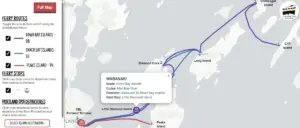
Casco Bay Lines services a constellation of islands, each with its own distinct character, population dynamics, and infrastructural needs. The primary islands serviced by the freight and passenger vessels include:
- Peaks Island: The most populous island, characterized by a bustling year-round community and a massive influx of summer visitors.
- Little Diamond Island & Great Diamond Island (including Diamond Cove): Historic resort and residential communities that swell significantly during the warmer months.
- Long Island: A tight-knit municipality with a vibrant year-round school and independent community infrastructure.
- Cliff Island: The farthest island on the regular route, maintaining a deeply self-reliant character and requiring intricate logistics for daily commutes.
- Chebeague Island: A major island community supported by both CBL services and dedicated local ferry infrastructure.
The Freight Boat Operation
While passenger ferries transport commuters and tourists, the freight boat operations form the economic circulatory system of the bay. Deckhands assigned to these vessels engage in heavy-duty physical labor that contrasts sharply with the romanticized view of coastal cruising.
A typical day on the freight boat involves:
- Coordinated Crane Operations: Using onboard lifting equipment to hoist heavy cages of freight, construction pallets, and large appliances from the dock to the cargo deck.
- Dynamic Weight Distribution: Ensuring that heavy cargo is distributed evenly across the vessel to maintain structural stability, optimal draft, and smooth handling in varying sea states.
- Multi-Stop Sequencing: Because the freight boat serves multiple islands in a single run, deckhands must load cargo in "reverse order" of delivery. Items destined for the final stop must go on first, while the first stop’s cargo remains easily accessible near the exit gates.
The Human Element: Maritime Realities
Beyond cargo management, deckhands are front-line customer service representatives and safety officers. They manage mooring lines, guide passengers across gangways during surging tides, and monitor the safety decks during peak tourist hours.
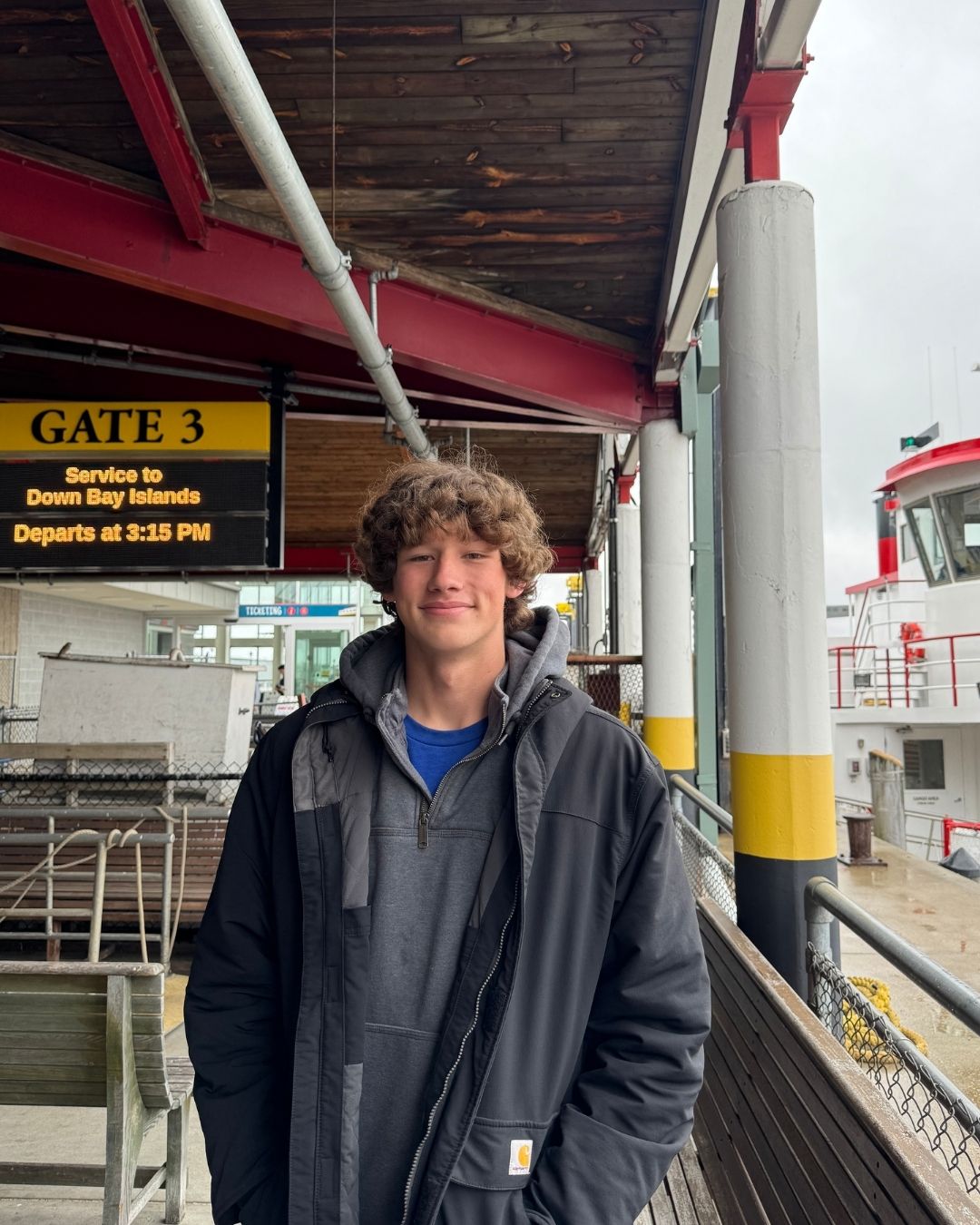
The physical demands of the job—standing for long hours, lifting heavy items in adverse weather conditions, and maintaining constant situational awareness—require a high level of physical fitness and mental endurance. For college students like Zsiga, the summer season is an intensive bootcamp in time management, leadership under pressure, and interpersonal communication.
Official Statements and Insider Perspectives
The corporate philosophy of Casco Bay Lines centers heavily on community integration, safety, and employee retention. Leadership frequently emphasizes that the success of the transit network relies on the character and dedication of its personnel.
Camden Zsiga on the Realities of Deckhand Life
Reflecting on his experiences, Zsiga highlights the stark contrast between traditional summer employment—such as indoor retail or food service—and the dynamic environment of maritime transit:
"This company is really, really great. Being an 18- or 19-year-old and getting to work on the water is pretty unmatched. I’m not the type who wants to be inside working in the food industry or an office. If I can work with my hands and be outside all summer long, I’m completely happy and content. Everyone here is great. It’s a big community. Everyone looks out for each other, and over the years I’ve built a lot of friendships here. It really feels like one big family."
On the Intricacies of Cargo Management
When asked about the most challenging aspect of his daily routine, Zsiga points directly to the cognitive load required for cargo logistics:
"Learning how to load the boats properly can definitely be challenging. You’ve got freight going to multiple islands, different-sized cargo, and limited space. You have to think ahead and load things in a way that makes unloading efficient later on. It takes practice, but I enjoy that part of it. I like having to solve problems and figure things out."
On Discovering the True Nature of Island Life
Perhaps the most profound takeaway from Zsiga’s tenure is his shifting perspective regarding the relationship between the mainland and the islands:
"What surprised me most is how connected the islands are to daily life. A lot of visitors see the boats as a fun way to explore Casco Bay, but for island residents this is their transportation system. This is how they get to work, school, appointments—everything. For example, some students on Cliff Island wake up incredibly early to catch the boat into Portland before school. It’s a different lifestyle than most people experience on the mainland."
Advice for Future Mariners
For young adults contemplating seasonal employment with Casco Bay Lines, Zsiga offers an unreserved endorsement:
"I’d absolutely recommend it. If you enjoy being outdoors, working with your hands, meeting people, and being part of a team, it’s a great job. You learn responsibility, time management, problem-solving, and how to work hard. Every day feels rewarding, and you’re part of something that really matters to the island communities. For me, it’s been one of the best experiences I’ve had."
Future Outlook: Sustaining Maine’s Maritime Workforce
As Casco Bay Lines looks toward the future, the integration of young, motivated professionals like Camden Zsiga points toward a resilient and capable workforce. Maritime transit systems across the United States face persistent challenges in recruitment and retention, particularly within seasonal markets where competition for young labor is fierce.
The Value of Local Pathways
CBL’s strategy of drawing talent from local municipal connections—such as families rooted in island firefighting, municipal services, and coastal communities—serves as an effective model for sustainable hiring. By offering meaningful responsibilities, competitive skills training (such as crane operation, line handling, and maritime safety), and pathways for personal growth, companies like Casco Bay Lines transform seasonal jobs into foundational life experiences.
Balancing Tourism and Essential Infrastructure
Looking ahead, Casco Bay Lines must continue to balance the soaring demands of summer tourism with its constitutional obligation to serve as a year-round public utility for island residents. As commercial development evolves and coastal populations shift, the operational expertise of deckhands who understand both shoreside logistics and open-water navigation will remain indispensable.
For Camden Zsiga, the immediate future involves returning to the College of Charleston to continue his business studies, backed by four years of high-level operational experience, emergency medical training, and a deep appreciation for Maine’s coastal heritage. Whether his ultimate career path leads into corporate business administration, maritime management, or emergency services, the lessons learned on the decks of Casco Bay Lines will undoubtedly leave an indelible mark.
Ultimately, the story of Camden Zsiga is a testament to the enduring appeal of Maine’s maritime trades. It highlights how young people, when given the opportunity to engage in meaningful, physically demanding, and community-oriented work, can rise to the occasion—ensuring that the ferries of Casco Bay continue to sail smoothly, come rain or shine, summer after summer.