











Executive Overview
For any mariner, the deep-water hum of a healthy engine is a source of absolute confidence. Yet, beneath the fiberglass and chrome, marine propulsion systems operate in one of the most punishing environments known to engineering. Among the myriad mechanical failures that can occur on the water, few are as insidious, rapid, and catastrophic as water intrusion into the engine’s lubrication system.
When water mixes with boat engine oil, it fundamentally alters the fluid chemistry, stripping away essential viscosity and anti-wear properties. The resulting mixture—often described by mechanics as having the consistency and color of a coffee milkshake—is a ticking time bomb for internal combustion engines. Within minutes of operation, contaminated oil fails to lubricate critical bearings, cylinder walls, and valve trains, leading to accelerated friction, extreme heat generation, and catastrophic engine seizure.
This comprehensive advisory examines the mechanics of water intrusion, outlines the primary failure points that cause it, and provides a strict protocol for mariners facing this emergency on the water. Backed by insights from marine assistance leaders like Sea Tow®, this report details why "limping back to port" is a dangerous gamble and highlights the operational imperatives of timely professional towing and dockside repair.
Detailed Chronology: The Anatomy of a Marine Engine Failure
Understanding how water contaminates engine oil requires examining the typical sequence of events that leads to this mechanical failure. While a failure can manifest abruptly, the underlying causes usually follow a distinct chronological progression of stress, component degradation, and ultimate breach.
Phase 1: Precursor Stress and Thermal Shock
The timeline of water intrusion frequently begins long before a milky dipstick is ever pulled. Engines subjected to severe thermal cycling—such as rapid overheating due to raw water pump failure, clogged sea strainers, or blocked through-hull fittings—undergo extreme thermal expansion and contraction. Aluminum cylinder heads warp against cast-iron blocks, and composite gaskets endure pressures they were never designed to withstand. Alternatively, operations in freezing temperatures without proper winterization can cause trapped raw water to expand, cracking engine blocks from the inside out before the boat even touches the spring water.
Phase 2: The Breach
Once structural integrity is compromised through a blown head gasket, a cracked exhaust manifold, a corroded riser, or hull-breach flooding, water finds its path of least resistance. In a raw-water-cooled engine, seawater rich in corrosive minerals begins to seep past compromised seals or cracks directly into the crankcase. In fresh-water-cooled (closed-loop) systems, coolant mixes with the oil, introducing glycols and water that immediately break down oil film barriers.
Phase 3: Chemical Breakdown and Lubrication Failure
The moment water introduces itself to engine oil, the compound degrades. Oil relies on specific molecular structures to maintain a barrier between high-speed moving metal parts. Water molecules disrupt this matrix, creating an emulsion. The lubricating film strength drops precipitously.

As the oil pump circulates this milky emulsion, friction spikes. Microscopic metal-on-metal contact begins at high-stress points, such as the rod and main bearings. If the operator ignores the warning signs and keeps the engine running, temperatures in the lower end skyrocket, leading to warped crankshafts, scored cylinder walls, and thrown rods. The engine transitions from a repairable component failure to total, irrecoverable destruction in a matter of minutes.
Supporting Context & Metrics: The Mechanics of Contamination
To fully appreciate the severity of water in engine oil, one must look at the mechanical vulnerabilities unique to marine propulsion systems. Unlike automotive engines, which operate in dry, temperature-regulated environments, marine engines pull water directly from their surroundings to cool exhaust systems and internal blocks.
Common Vectors of Water Intrusion
- Blown Head Gaskets: The head gasket seals the combustion chamber to the engine block while keeping oil and coolant passages isolated. When a gasket fails due to age, detonation, or overheating, pathways open up, allowing fluids to cross-contaminate.
- Exhaust Manifold and Riser Failures: Marine exhaust systems sit dangerously close to the waterline. Over time, internal raw-water cooling passages within manifolds and risers corrode, particularly in saltwater environments. Once the internal partition walls thin out or rust through, raw water pours directly downward into the exhaust valves and into the cylinders, eventually draining past the piston rings directly into the oil pan.
- Cracked Engine Blocks and Exhaust Components: Freezing water is a primary culprit during off-season storage, but severe on-water overheating can also thermally shock an engine block, creating hairline fractures that leak water into the crankcase under operating pressures.
- Submersion and Heavy Flooding: Severe weather, rogue waves, heavy sea conditions, or accidental groundings can cause a vessel to take on substantial water. If water levels in the bilge rise high enough to submerge the starter, bell housing, or air intake, or if the boat suffers hull impacts that compromise internal systems, water can force its way into the engine via the exhaust or air intake.
Warning Signs Beyond the Dipstick
While inspecting the dipstick for a milky, creamy, or light-brown appearance is the gold standard for diagnosis, mariners should remain vigilant for secondary indicators of internal water contamination:
- Unexplained Fluid Loss: A sudden drop in coolant levels without an external puddle or visible leak often points to internal consumption or leakage into the oil.
- Exhaust Anomalies: Excessive white or gray-colored steam from the exhaust at normal operating temperatures can indicate that water is entering the combustion chambers.
- Rough Idle and Misfires: Water in the cylinders fouls spark plugs and prevents proper fuel ignition, leading to a noticeable drop in RPMs, engine shaking, or a complete stall.
- Unusual Engine Noises: A ticking or knocking sound from the lower end often signals that bearing clearances have widened due to oil starvation caused by contamination.
Official Statements & Professional Guidance
Marine safety organizations and emergency on-water assistance providers maintain an unwavering consensus regarding water in engine oil: It is a zero-tolerance emergency that demands immediate shutdown.
Industry safety bulletins emphasize that attempting to operate an engine with compromised lubrication is the fastest way to turn a manageable mechanical repair into a catastrophic financial loss. Marine mechanics frequently note that while replacing a head gasket or swapping out a corroded exhaust manifold is a standard dockside procedure, rebuilding a seized engine block requires a complete powerhead replacement or a brand-new repower—costs that can run into the tens of thousands of dollars.
According to maritime assistance authorities, the human element is just as critical as the mechanical one. When an engine fails offshore or in heavy traffic lanes, the focus must shift immediately from troubleshooting to vessel safety:
- Assess the Drift: Determine how wind, current, and tide are moving the vessel. Establish whether the boat is drifting toward shoals, rocks, or heavy commercial traffic.
- Establish Communication: Ensure radios and communication devices are operational. Know how to signal for help using VHF Channel 16 or dedicated dispatch applications.
- Avoid "Limping": Professional captains stress that the temptation to "just make it back to the slip" must be resisted. The phrase "limping back" usually translates to "destroying the engine completely before reaching the dock."
Future Outlook: Preparation, Prevention, and Professional Assistance
Mitigating the risks of water intrusion requires a proactive approach to routine maintenance and emergency preparedness. As marine propulsion systems grow more complex, the margin for error narrows.
Routine Maintenance Protocols
- Annual Exhaust Inspection: Have a certified marine technician inspect exhaust manifolds and risers every 3 to 5 years (sooner in saltwater environments) to catch corrosion before internal walls fail.
- Cooling System Flushing: Regularly flush raw-water cooling systems after operating in saltwater, and replace impellers according to manufacturer schedules to prevent overheating events that lead to blown gaskets.
- Pre-Departure Checks: Make pulling the dipstick a non-negotiable part of your pre-engine-start routine. Catching a change in oil color at the dock is infinitely better than discovering it five miles offshore.
The Role of Professional On-Water Assistance
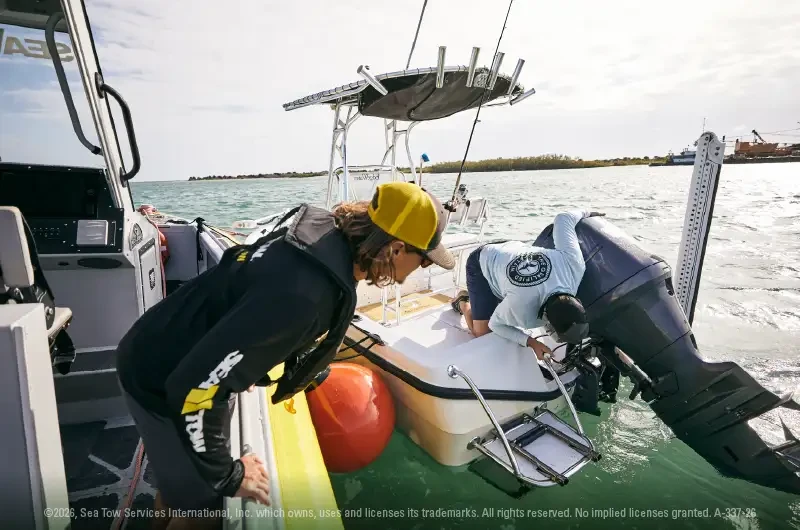
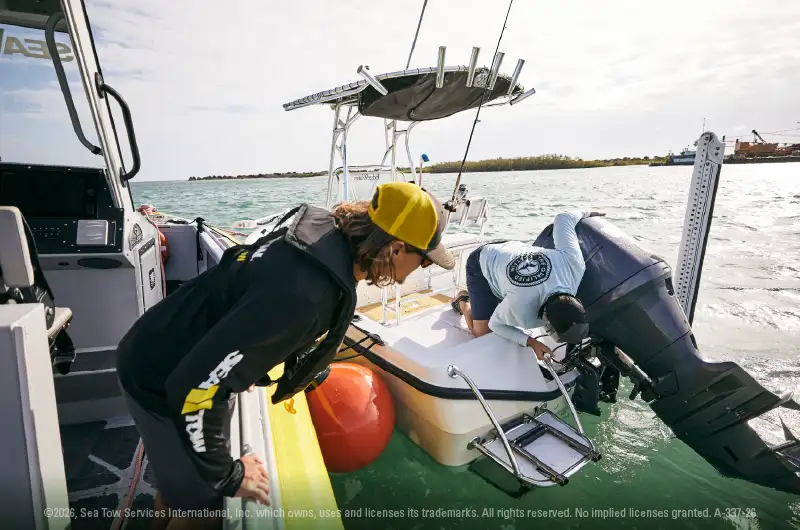
When mechanical failure strikes, the presence of mind to call for professional assistance defines a safe skipper. Organizations like Sea Tow provide 24/7 nationwide boat towing and on-water support, ensuring that mariners are never left stranded with a compromised vessel.
Maintaining an active membership eliminates the hesitation associated with out-of-pocket towing costs, empowering boaters to make the safe choice: shutting down the engine and calling for a professional tow rather than risking personal safety and total engine destruction.
Emergency Contact Protocols
In the event of an engine shutdown due to water contamination or other critical failures, mariners can request immediate assistance through established channels:
- VHF Radio: Channel 16
- Telephone: 800-4-SEATOW (800-473-2869)
- Digital Dispatch: The Sea Tow mobile application for rapid location sharing and streamlined response coordination.
By combining rigorous preventative maintenance with a disciplined approach to emergency response, boaters can protect both their passengers and their investment against the hidden dangers of water intrusion.


