











Executive Overview
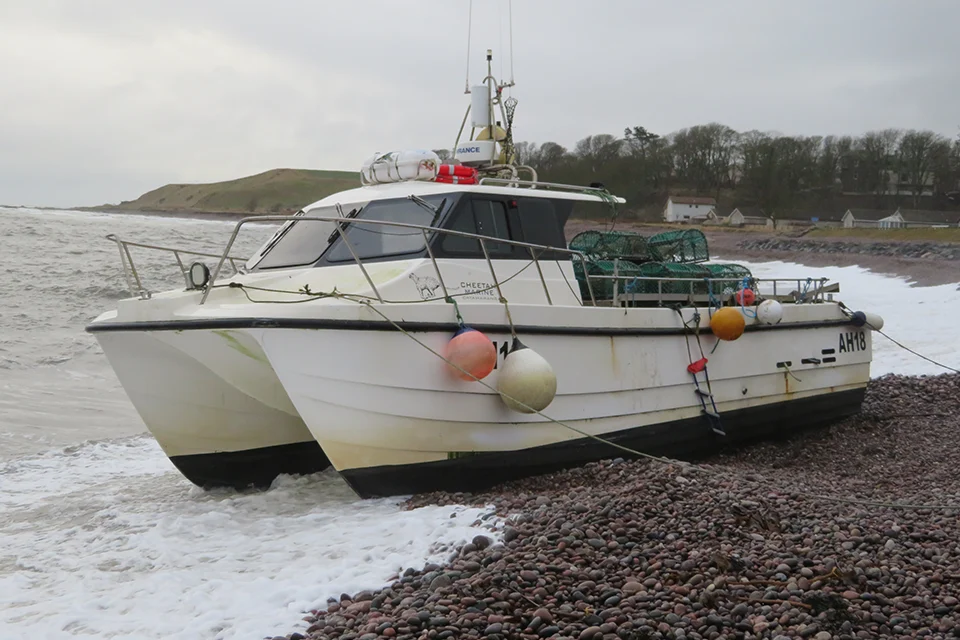
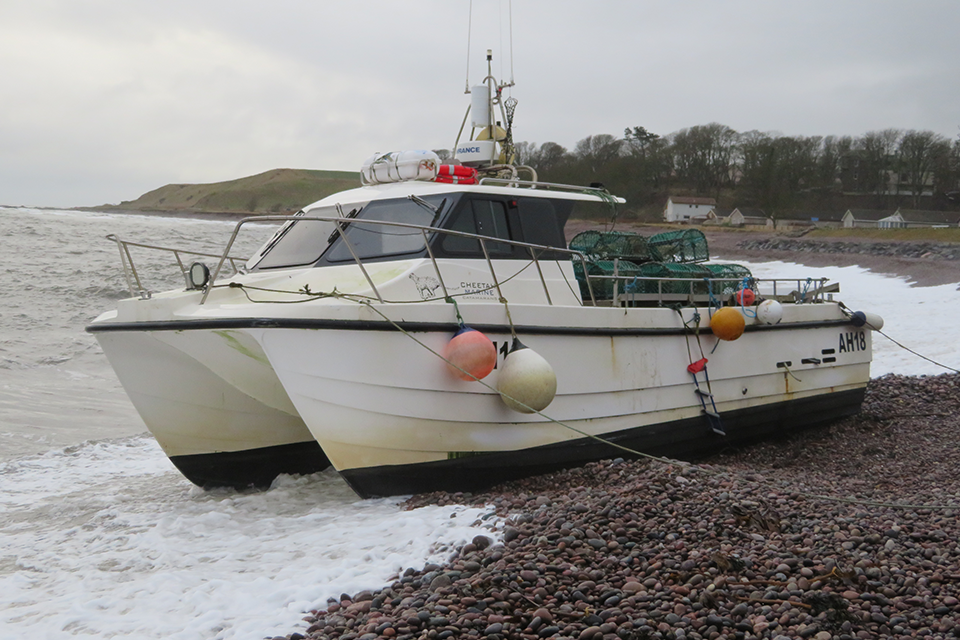
The hazards of commercial maritime labor—particularly within the unforgiving waters of the North Sea—have once again been brought into sharp focus following the publication of a comprehensive accident investigation report by the Marine Accident Investigation Branch (MAIB). Released on August 20, 2026, the report details the tragic events of December 20, 2025, when a fisherman was lost overboard from the lone-operated creel fishing vessel Sea Eagle (AH18), operating approximately south-east of Montrose, Scotland.
The incident, which has resulted in one presumed fatality, underscores the unique and compounding vulnerabilities associated with single-handed commercial fishing operations. Despite decades of safety campaigns, regulatory interventions, and technological advancements designed to protect mariners, lone operators remain disproportionately susceptible to fatal outcomes when emergencies occur at sea. The Sea Eagle tragedy is not merely an isolated maritime mishap; it serves as a critical case study illuminating the systemic safety gaps that persist within the smaller-scale commercial fishing sector.
This article provides an in-depth examination of the MAIB report, exploring the sequence of events leading up to the tragedy, the structural and operational contexts of lone-operated creel fishing, the safety recommendations issued by regulatory authorities, and the broader implications for maritime safety policy in the United Kingdom.
Detailed Chronology: The Final Voyage of the Sea Eagle
While the complete technical timeline and minutiae of the disaster are documented extensively within the official MAIB report, the overarching narrative of December 20, 2025, reflects the routine yet high-risk nature of creel fishing off the Scottish coast.
Setting Sail and Daily Operations
The Sea Eagle (AH18), a commercial creel fishing vessel configured for single-handed operation, departed port on the morning of December 20, 2025. Creel fishing—the practice of trapping shellfish such as crabs and lobsters using baited cages—is physically demanding work that typically requires the skipper to manage all phases of the operation independently: navigation, hauling lines, sorting catches, and resetting gear.
On the day of the incident, sea and weather conditions in the North Sea south-east of Montrose were characteristic of the mid-winter season: demanding, cold, and variable. For a lone operator, every task on the deck carries an elevated level of risk, as there are no secondary crew members available to monitor operations, halt machinery in an emergency, or initiate an immediate recovery maneuver should an individual fall overboard.
The Critical Incident
At a point during the hauling or shooting operations, an event occurred that resulted in the lone fisherman entering the water. Because the vessel was operating without additional crew, there was no immediate eyewitness to the fall, nor was there anyone on board to trigger an immediate "man overboard" (MOB) response, engage recovery equipment, or instantly cut engine power.

The absence of a second crew member fundamentally alters the survival timeline in a man-overboard scenario. In multi-crew operations, immediate shouts and swift bridge responses drastically reduce the time between immersion and recovery. For a lone operator, survival relies almost entirely on automated safety systems—such as personal locator beacons (PLBs), engine kill-switches, and automatic identification systems (AIS)—or the fortunate intervention of nearby vessels.
The Emergency Response
As the Sea Eagle continued without active command, concerns were eventually raised regarding the vessel’s status. Maritime rescue coordination centers, mobilizing search and rescue (SAR) assets including lifeboats and rescue helicopters, were deployed to the designated operational area south-east of Montrose.
Despite an exhaustive search effort conducted under challenging environmental conditions, the fisherman was not recovered. In the wake of the extensive search and the passage of time in freezing winter waters, the incident has been classified as a presumed fatality, leaving the maritime community and the affected family mourning yet another preventable loss of life at sea.
Supporting Context & Metrics: The Perils of Lone-Operated Commercial Fishing
To fully comprehend the gravity of the Sea Eagle incident, it is essential to examine the broader statistical and operational landscape of the UK commercial fishing industry. Fishing remains consistently identified by the Health and Safety Executive (HSE) and the MAIB as one of the most hazardous civilian occupations in the world.
The Vulnerability of Single-Handed Operations
In recent years, economic pressures, rising operational costs, and labor shortages have driven an increase in single-handed fishing operations, particularly among smaller vessels under 10 meters in length, such as creel boats. Operating alone offers financial autonomy to skippers but introduces severe safety deficits:
- The "No Second Chance" Factor: If a lone fisherman falls overboard while the vessel is underway or hauling gear, the vessel will continue moving away from them, leaving the person stranded in the water with minimal equipment and zero immediate assistance.
- Fatigue and Workload: Managing navigation, heavy deck machinery, and continuous physical labor concurrently accelerates physical and mental fatigue, increasing the likelihood of missteps, slips, trips, and falls.
- Deck Hazards: Creel lines, ropes, winches, and shifting catches create a hazardous working environment where a single snagged line can pull a person overboard in a fraction of a second.
Statistical Overview of Man Overboard Incidents
Data compiled by maritime safety agencies consistently highlights man-overboard events as one of the leading causes of fatalities in the commercial fishing sector. While overall safety standards across larger merchant shipping vessels have improved significantly due to stringent international conventions (such as SOLAS), the smaller fishing vessel fleet often operates within regulatory gray areas or struggles with voluntary compliance regarding advanced safety equipment.
- Survival Rates in Cold Water: In the waters off Scotland during December, sea temperatures are critically low (frequently dropping below 8°C). Cold water shock can incapacitate an unequipped swimmer within minutes, leading to rapid loss of motor control, hyperventilation, and eventual drowning if personal flotation devices (PFDs) and thermal protection are not immediately utilized.
- The Importance of Wearable Safety Gear: MAIB safety studies repeatedly emphasize that wearing a PFD equipped with an integrated personal locator beacon (PLB) drastically increases survival probabilities. However, resistance to wearing bulky gear during strenuous physical labor remains a persistent cultural challenge within the fishing community.
Official Statements and MAIB Findings
The publication of the Sea Eagle accident report marks the culmination of a rigorous, independent technical investigation designed to uncover the precise factors that contributed to the tragedy and to formulate actionable safety lessons for the wider maritime community.
The MAIB Mandate
As the independent branch of the UK Department for Transport responsible for investigating marine accidents, the MAIB operates under a strictly non-blame framework. Its objective is not to apportion criminal liability or civil fault, but rather to determine the causal and contributory factors of an accident and make recommendations intended to prevent recurrence.
In its official release regarding the Sea Eagle (AH18), the MAIB highlighted the core findings of its investigation:
"Today, we have published our accident investigation report into the man overboard from the lone-operated creel fishing vessel Sea Eagle (AH18) on 20 December 2025, resulting in one presumed fatality. The report contains details of what happened, subsequent actions taken and recommendations."
Key Areas Examined in the Report
While specific technical details are contained within the published document, investigations of this nature typically scrutinize several critical domains:
- Vessel Stability and Deck Layout: Evaluating whether modifications, working arrangements, or physical obstructions on the deck contributed to the risk of falling overboard.
- Safety Equipment and Utilization: Assessing what Personal Protective Equipment (PPE), PFDs, lifejackets, and distress signaling devices were on board, and whether they were being worn at the time of the incident.
- Operational Procedures: Reviewing safety management practices for single-handed operators, including communication protocols ashore, emergency shut-off mechanisms, and adherence to guidance published by maritime safety authorities.
- Technological Safeguards: Analyzing the presence and functionality of engine kill-cords, man-overboard alarm systems, and electronic tracking devices.
Future Outlook: Preventing Future Tragedies in the Fishing Industry
The loss of life aboard the Sea Eagle serves as a stark reminder that structural reforms and safety awareness initiatives must remain a continuous priority for regulatory bodies, industry associations, and individual fishermen alike. The recommendations issued in the MAIB report aim to drive tangible improvements across the sector.
Regulatory and Technological Innovations
To safeguard lone operators, the maritime sector is increasingly turning to technological solutions designed to bridge the gap left by the absence of a crew:
- Automatic Engine Kill-Systems: Advanced wearable transmitters and wireless kill-switches can automatically shut down a vessel’s engine the moment a crew member or skipper separates from the craft by a predetermined distance, preventing the boat from sailing away and keeping the individual closer to the point of entry.
- Mandatory PFD and PLB Integration: Continued advocacy and legislative scrutiny regarding the mandatory wearing of certified PFDs paired with AIS or DSC personal locator beacons are vital. These devices alert nearby vessels and rescue services instantly via satellite and VHF frequencies, bypassing the need for manual distress activation.
- Improved Safety Culture and Training: Outreach programs led by organizations such as the Fishermen’s Mission, Seafish, and the Maritime and Coastguard Agency (MCA) continue to emphasize practical safety drills, risk assessments tailored for single-handed vessels, and shore-contact protocols.
A Call to Action for the Maritime Community
Ultimately, preventing future tragedies akin to the Sea Eagle incident requires a dual approach: robust, practical regulatory frameworks that reflect the realities of modern single-handed fishing, and a cultural shift within the fishing community toward uncompromising safety compliance.
As the industry reflects upon the findings of the MAIB report published on August 20, 2026, the legacy of the skipper lost aboard the Sea Eagle must be honored through concerted efforts to make single-handed fishing operations safer, more resilient, and better equipped to handle the unpredictable perils of the sea.
For further information, media inquiries, or to read the full accident investigation report, stakeholders and journalists can access the official documentation via the Marine Accident Investigation Branch website. Media representatives may contact the MAIB press office during office hours at 01932 440015 or via the out-of-hours line at 0300 7777878.


