Executive Overview
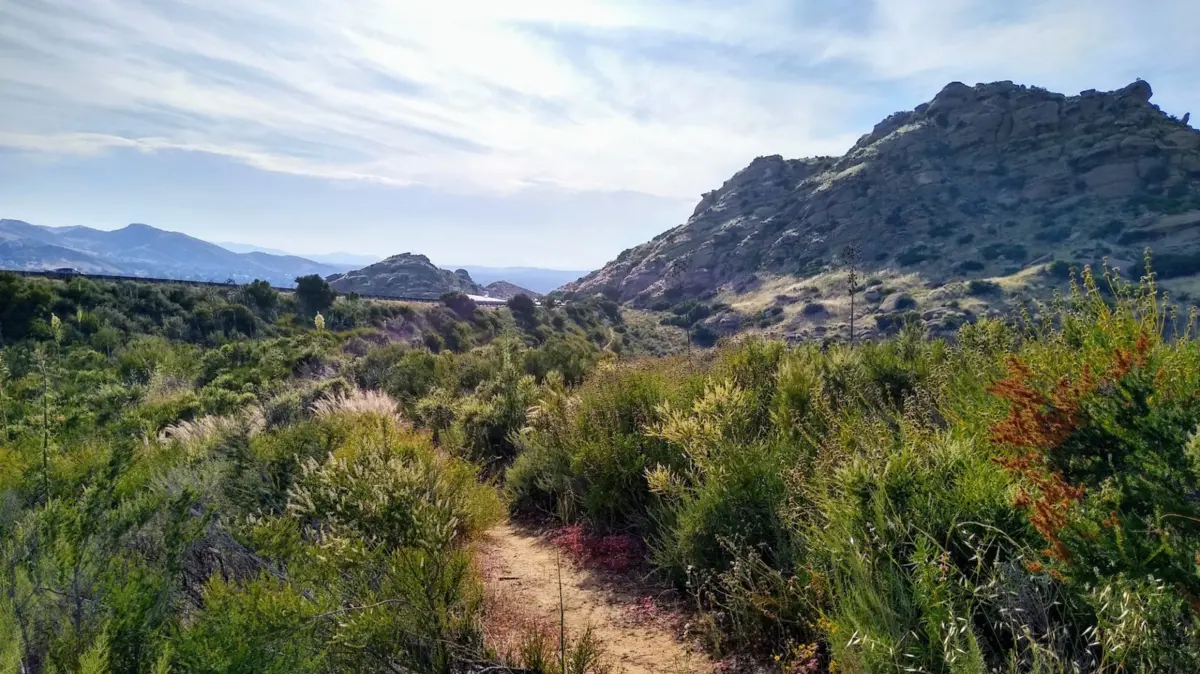
Tucked into the rugged topography of Southern California’s Simi Valley, roughly 35 miles northwest of downtown Los Angeles, lies a landscape that shaped the visual lexicon of American popular culture. Today, visitors traversing the shaded oak groves and sun-drenched sandstone outcroppings of Corriganville Park encounter a tranquil public green space. Yet beneath the serene surface of this 246-acre regional park rests the foundation of one of the most prolific, versatile, and storied filming locations in the history of American cinema: the Corriganville Movie Ranch.
Founded in the late 1930s by iconic Western film star and stuntman Ray "Crash" Corrigan, the original 1,500-acre property served as a blank canvas for Hollywood’s golden era. From swashbuckling adventures and gritty television cowboy shows to Academy Award-winning cinematic masterpieces, Corriganville was a chameleon backlot where directors could conjure anything from the American frontier to deep-jungle swamps or medieval forests. During its mid-century heyday, thousands of productions utilized its versatile terrain, Old West facades, and custom-built period sets.
Beyond its cinematic utility, Corriganville pioneered the concept of the entertainment-industry theme park, transforming into a weekend tourist destination as early as 1949. Visitors flocked to witness live stunt shows, rodeos, and staged gunfights, rubbing shoulders with the industry’s elite long before modern studio tours became mainstream tourism staples.

Though devastating fires in the 1970s consumed many of the ranch’s original wooden structures, and its acreage was substantially reduced over the decades, Corriganville’s DNA remains intact. Transitioning from a private cinematic playground to a municipal park in 1998, the site experienced a high-profile modern cinematic revival when it stood in for the infamous Spahn Ranch in Quentin Tarantino’s 2019 masterpiece, Once Upon a Time… in Hollywood. Today, Corriganville Park operates as a rare historical palimpsest—a place where hikers, cinephiles, and nature enthusiasts can walk the exact trails once roamed by Hollywood legends, bridging the gap between early motion picture history and contemporary environmental preservation.
Detailed Chronology
The history of Corriganville Movie Ranch is a sprawling narrative of ambition, cinematic evolution, commercial innovation, and municipal stewardship. Its timeline charts the transformation of raw Southern California wilderness into a bustling factory of dreams, and its subsequent return to the natural world.
The Genesis and Pre-War Era (Late 1930s–1940s)
The property’s cinematic trajectory began in the late 1930s when Ray "Crash" Corrigan—a celebrated B-movie Western star and legendary Hollywood stuntman renowned for his physical prowess and work in ape suits—recognized the immense potential of the remote Simi Valley terrain. Nestled within the rocky, chaparral-covered folds of the Santa Susana Mountains and Simi Hills, the sweeping acreage offered filmmakers a distinct advantage: absolute privacy, varied topography, and zero urban intrusion from the growing sprawl of Los Angeles.
Corrigan purchased the expansive tract of land and immediately set about turning it into an outdoor filmmaker’s paradise. Unlike standard studio backlots bound by soundstages and painted flats, Corriganville offered a genuine, rugged ecosystem complete with natural rock formations, seasonal streams, and native woodlands.

During the 1940s, the ranch became an indispensable asset to Hollywood studios churning out low-budget Western serials and action features. Its flexibility allowed production crews to construct permanent and semi-permanent Western towns, frontier cabins, and Mexican village facades. The ranch quickly established a reputation for reliability, speed, and logistical ease, attracting major studios and independent producers alike.
The Golden Age and Public Spectacle (1940s–1960s)
As post-war Hollywood reached its zenith, Corriganville cemented its status as an industry powerhouse. The ranch provided the dramatic backdrop for timeless classics of both cinema and early television. Productions such as John Ford’s award-winning 1948 Western Fort Apache and the 1953 biblical epic The Robe utilized the ranch’s sweeping vistas and stark landscapes to achieve epic visual scales.
Simultaneously, the advent of television brought a massive wave of western and action series to the backlot. Iconic shows like The Lone Ranger and Bonanza regularly deployed crews to Corriganville’s varied terrain. Furthermore, the property’s dense oak groves—affectionately dubbed "Sherwood Forest"—served as the authentic-looking English backdrop for 1950s television adaptations of the Robin Hood legend. To facilitate aquatic sequences, Corrigan’s team even constructed a large, man-made lake equipped with underwater cameras, which became the signature setting for the popular Jungle Jim film and television franchise starring Johnny Weissmuller.
Recognizing an untapped revenue stream outside of studio rentals, Corrigan made a pioneering move in 1949: he opened the ranch to the general public on weekends. For the modest price of a single dollar, everyday movie lovers could step through the gates of Corriganville to experience the magic of Hollywood firsthand. The ranch transformed into an early amusement park, featuring live Wild West stunt performances, dramatic staged gunfights, authentic rodeos, and stagecoach rides. This populist attraction drew crowds that rivaled other Southern California recreational landmarks of the era, such as the historic Ghost Town at Knott’s Berry Farm.
Ownership Transitions and the Fire Era (1960s–1990s)
As the golden age of traditional Hollywood westerns began to wane in the late 1960s and 1970s, the operational needs of the entertainment industry shifted toward location shooting overseas and modern urban soundstages. Ray Corrigan eventually sold the property, marking the end of its primary era as an active, bustling movie ranch.
In a notable chapter of its ownership history, legendary comedian and entertainer Bob Hope acquired the ranch. Hope’s stewardship preserved the property’s integrity during a period when suburban development began rapidly encroaching upon Simi Valley’s natural landscapes.
However, the ranch’s rich architectural history faced a devastating trial by fire. During the 1970s, a series of destructive wildfires swept through the Simi Hills, consuming many of Corriganville’s iconic wooden structures, Old West facades, and period sets. While the physical infrastructure of Hollywood’s past was largely reduced to ash, the foundational geography, concrete footings, and historical significance of the land remained steadfast.
Municipal Acquisition and Modern Revival (1998–Present)
Recognizing the ecological and historical value of the remaining acreage, local city officials orchestrated the acquisition of the property, preserving it from commercial real estate developers. In 1998, the site officially opened to the public as a protected regional park, transitioning from a private industrial backlot to a serene municipal sanctuary known officially as Corriganville Park.
For decades, the park served primarily as a local retreat for hikers, equestrians, and nature lovers, its cinematic roots whispered only through historical markers and local lore. That dynamic shifted dramatically in 2019, when acclaimed auteur Quentin Tarantino selected Corriganville Park to serve as the filming location for the Spahn Ranch scenes in his Academy Award-winning film Once Upon a Time… in Hollywood. Standing in for the notorious historical site associated with the Manson Family, Corriganville experienced a brief, highly publicized return to its cinematic origins, reminding a global audience of its enduring presence in movie history.
Today, managed under local conservation frameworks, the park balances public recreational access with the preservation of its fragile chaparral ecosystem and historical artifacts, ensuring that the legacy of Ray "Crash" Corrigan and Hollywood’s golden era endures for future generations.
Supporting Context & Metrics
To fully comprehend the scale, evolution, and contemporary footprint of Corriganville, it is valuable to examine the quantitative and qualitative metrics defining the property across its historical timeline and modern incarnation.
| Metric Category | Historical Data (Peak Era) | Modern Data (Corriganville Park) |
|---|---|---|
| Total Acreage | Approximately 1,500 acres | 246 acres |
| Distance from Downtown L.A. | ~35 miles northwest | ~35 miles northwest |
| Primary Geographic Zone | Santa Susana Mountains & Simi Hills | Santa Susana Mountains & Simi Hills |
| Weekend Admission Cost | $1.00 (circa 1949–1960s) | Free public access (Dawn to Dusk) |
| Primary Structures | Western towns, Mexican villages, Jungle sets | Concrete ruins, historical markers, foundations |
| Notable Productions | Fort Apache, The Robe, Bonanza, Jungle Jim | Once Upon a Time… in Hollywood (2019) |
| Recreational Trails | Staged stunt tracks, stagecoach roads | Interpretive Trail, Loop Trail, Wildlife Corridor |
Environmental and Geographic Context
The physical setting of Corriganville was—and remains—its greatest asset. Encompassing valleys, steep sandstone ridges, and dense riparian woodlands, the property bridges coastal Southern California ecosystems and inland chaparral environments.
The site features several distinct ecological zones:
- The Oak Groves: Dominated by towering native Coast Live Oaks, these shaded canopies provided filmmakers with natural light diffusion ideal for moody forest scenes and historically served as the physical setting for television iterations of Sherwood Forest.
- The Sandstone Formations: Craggy, wind-carved rock outcroppings blanket the higher elevations of the park. These geological features offered dramatic, high-contrast backdrops that instantly signaled the American West to theater audiences worldwide.
- Riparian and Wildlife Corridors: Seasonal creeks and valley floors support rich biodiversity. The integration of modern conservation corridors, such as the Wildlife Corridor Trail featuring specialized underpasses beneath State Route 118 (the Ronald Reagan Freeway), ensures that native fauna—including bobcats, coyotes, mule deer, and various small mammals—can safely navigate the fragmented urban-wildland interface.
Official Statements & Historical Perspectives
The enduring legacy of Corriganville Movie Ranch is best understood through the perspectives of those who built it, those who studied its cultural footprint, and the modern visitors who walk its historic trails.
Reflecting on the unique vision of his grandfather and industry pioneers, film historians often emphasize that Corriganville was never merely a business venture, but a physical manifestation of the cinematic imagination of the 1940s and 50s. Ray "Crash" Corrigan understood that the limitations of indoor soundstages constrained the raw energy required by the Golden Age action film. By anchoring his sprawling property in the dramatic topography of Simi Valley, he created an environment where the boundary between cinematic fiction and natural reality dissolved.
Archival records from the Ventura County Museum highlight the commercial ingenuity behind the ranch’s weekend amusement park operations. In an era when studio backlots were heavily guarded, sealed corporate fortresses, Corrigan’s decision to invite the public in for a dollar transformed passive movie consumption into active, participatory entertainment. This blueprint anticipated the experiential tourism models later perfected by major studio theme parks in Universal City and Buena Park.
Modern visitors continually note the psychological shift experienced upon entering the park boundaries. As one frequent visitor observed in archival public feedback logs:
"Stepping into Corriganville Park feels like entering a different world entirely. Amidst the suburban sprawl of Ventura County, the silence of the oak groves and the starkness of the sandstone formations carry the immediate weight of history."
Trail reviews on dedicated hiking platforms similarly praise the dynamic nature of the site. An AllTrails contributor noted regarding the park’s navigational layout:
"It’s a beautiful, well-maintained loop trail with a great mix of shaded sections and open views. The initial part of the trail has lots of shade from the towering oaks, while the backside has very little cover and includes a steady uphill climb."
These testimonials underscore the dual identity of the modern park: it is simultaneously an active, challenging recreational fitness hub and a hallowed, contemplative outdoor museum of cinematic archaeology.
Future Outlook
As Corriganville Park enters its third decade as a dedicated public green space, municipal planners, environmental conservationists, and local historical societies face a unique set of challenges and opportunities regarding its management and future preservation.
Balancing Conservation and Public Access
The primary objective for the management of Corriganville Park moving forward is the delicate equilibrium between accommodating recreational users—hikers, trail runners, and equestrians—and protecting the delicate chaparral ecosystem and historical archaeological remnants.
Because many of the ranch’s foundational elements (such as old concrete footings, structural remnants of the man-made lake, and historic grading) are exposed to natural elements and foot traffic, cultural resource management plans are increasingly focused on non-invasive preservation. Informational signage along the Interpretive Trail serves not only to educate the public on local biodiversity, but also to discourage off-trail wandering that could erode sensitive geological formations or disturb native flora and fauna.
Climate Resilience and Wildfire Mitigation
Given the history of the Simi Hills—a region notoriously susceptible to Southern California’s cyclical Santa Ana wind-driven wildfires—future outlooks for Corriganville Park heavily emphasize ecological resilience and fire safety infrastructure. Following the catastrophic fires of the 1970s and subsequent regional fire events over the decades, park management has prioritized proactive brush clearance, the maintenance of defensible space around public access points, and the health of native oak woodlands. Ensuring the survival of the ancient Coast Live Oaks is paramount, as these trees represent both the ecological anchor of the park and the literal living witnesses to Hollywood’s golden era.
Educational and Cultural Programming
Looking ahead, local historical preservation groups are actively exploring augmented reality (AR) and digital archival integrations to enhance the visitor experience. While physical remnants like the old studio lake and western facades have largely vanished or weathered away, digital mapping initiatives could soon allow hikers to hold up mobile devices at specific coordinate points along the trails and view historical photographs, film clips, and 3D reconstructions of the exact sets that stood there during the filming of The Lone Ranger, Bonanza, or Fort Apache.
Ultimately, Corriganville Park stands as a testament to the symbiotic relationship between human creativity and the natural landscape. From the hoofbeats of stunt horses in the 1940s to the quiet footsteps of modern hikers traversing the Wildlife Corridor Trail, this Simi Valley sanctuary continues to evolve without ever losing touch with its legendary cinematic past.