Executive Overview
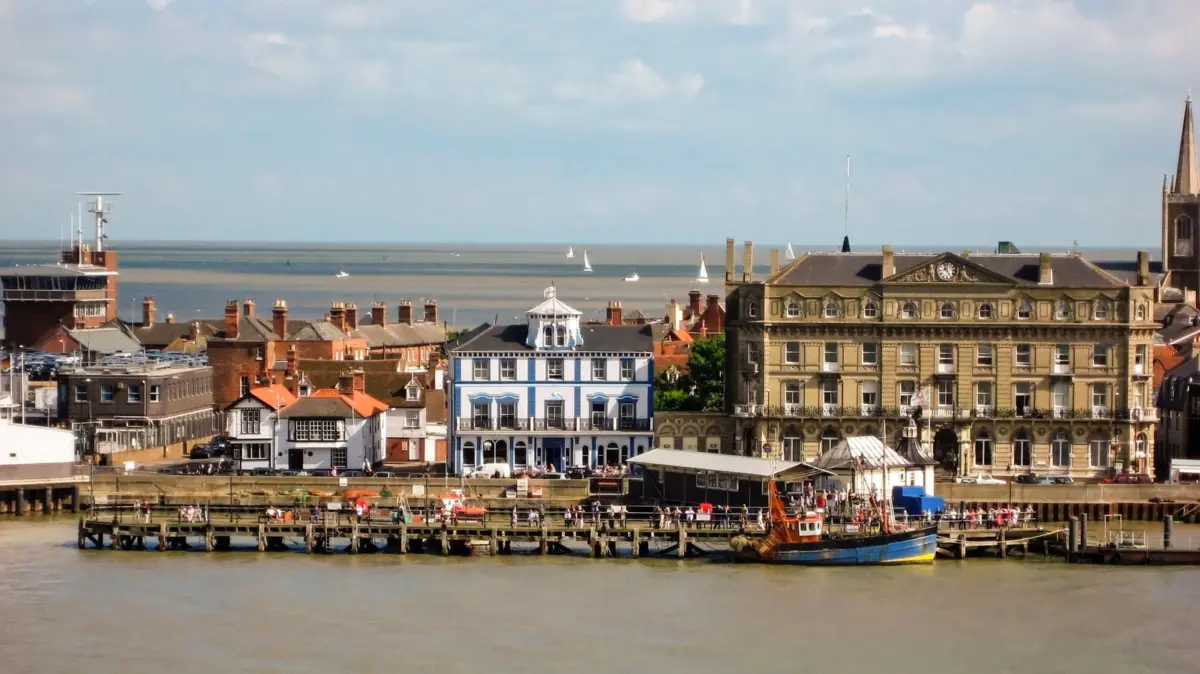
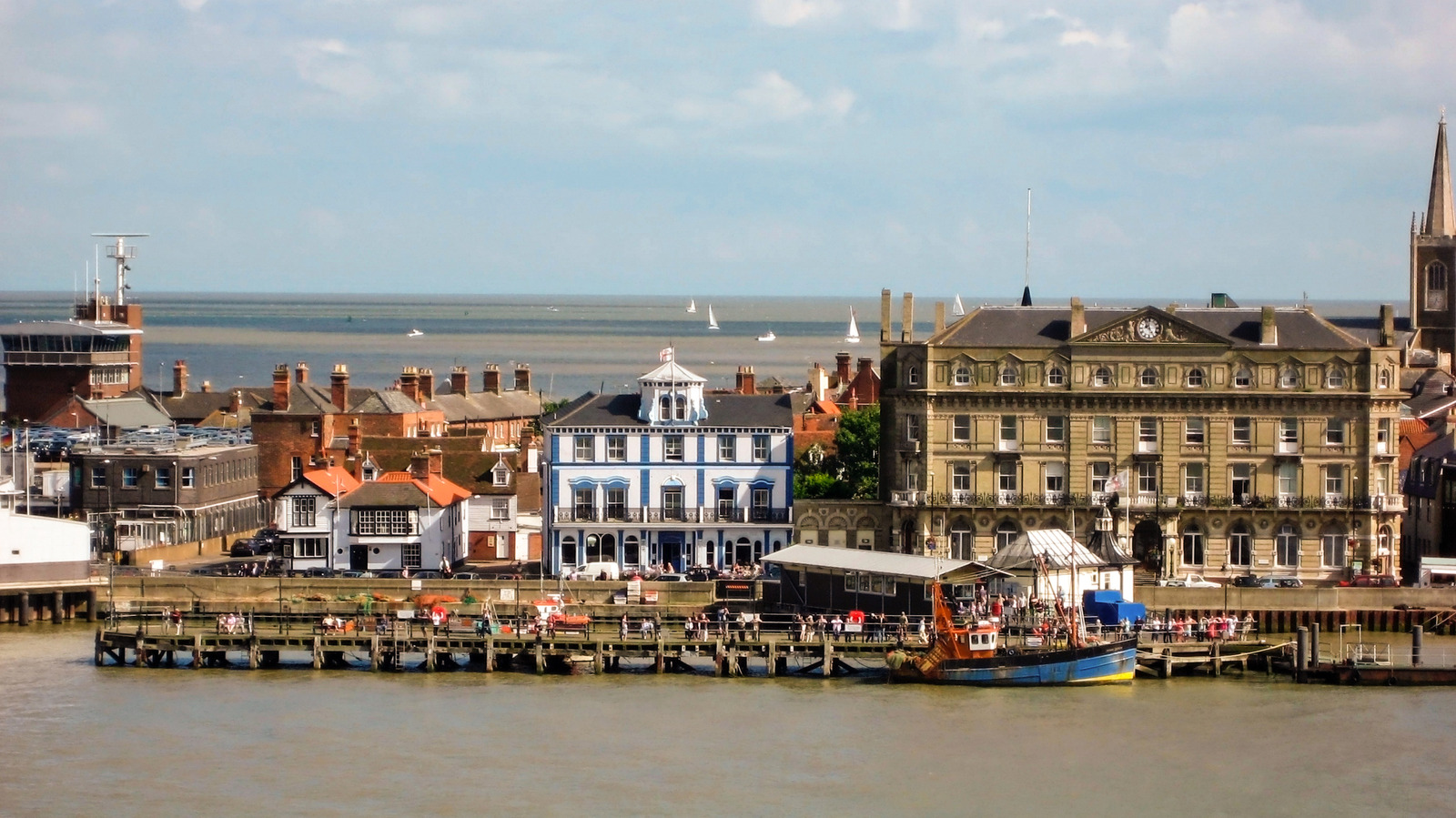
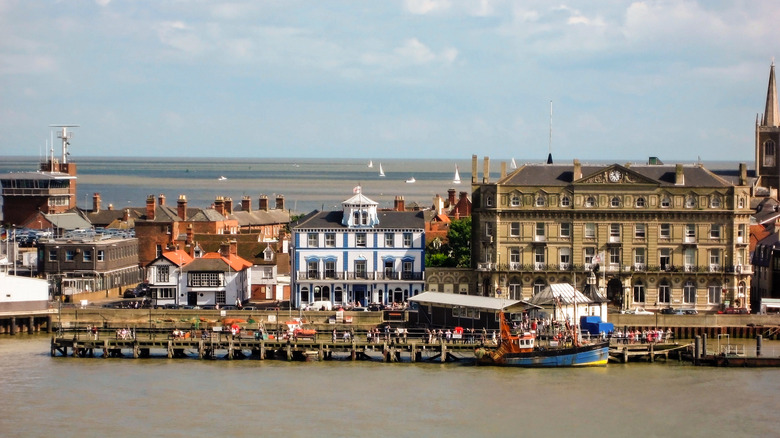
Tucked away on a narrow, windswept peninsula where the River Stour meets the expanse of the North Sea in Essex, England, lies Harwich—a historic coastal town that punches well above its weight in cultural, maritime, and military significance. While millions across the globe recognize 1620 as the legendary departure year of the Mayflower, fewer travelers are aware that this iconic vessel was most likely constructed right here in Harwich. Today, the town offers a compelling blend of deep-rooted American-British heritage, centuries-old fortifications, vibrant antique markets, and pristine, pebble-strewn beaches.
Positioned just a short journey from historic Colchester, accessible via a 30-minute rail link, and roughly 90 minutes from the heart of London, Harwich has quietly evolved from a strategic naval stronghold into a sought-after weekend getaway. With charming boutique inns like The Alma Inn and The Bottle Kiln, alongside culinary landmarks serving fresh daily catches, the town bridges the gap between historical reverence and relaxed coastal leisure. This report examines Harwich’s multifaceted appeal, charting its trajectory from a pivotal 17th-century shipbuilding hub to a modern, culturally rich destination for history enthusiasts and beachgoers alike.
Detailed Chronology: From Medieval Port to Modern Coastal Sanctuary
The historical narrative of Harwich is inextricably linked to the ebb and flow of maritime trade, naval defense, and global exploration. Understanding the town requires tracing its evolution across several defining epochs.

The Maritime and Shipbuilding Era (Pre-17th Century)
Long before it became a point of departure for New World pioneers, Harwich’s natural deep-water harbor made it an indispensable asset for trade and defense along England’s eastern seaboard. By the Middle Ages, the town had established itself as a bustling port, drawing carpenters, merchants, and mariners. Its strategic geography dictated that whoever controlled Harwich held a vital key to safeguarding the Thames estuary and the approaches to London.
The Mayflower Connection (1620)
The defining chapter in Harwich’s global renown occurred in the early 17th century. While the Mayflower is universally associated with Plymouth, Massachusetts, and the Pilgrim Fathers, historical consensus points to Harwich as its birthplace and home port. Christopher Jones, the legendary captain of the Mayflower, lived in Harwich, and his timber-framed home still stands along the town’s labyrinthine medieval lanes. The structure remains a pilgrimage site for genealogists and history buffs, offering a tangible link to the fateful voyage that birthed a nation.
The Napoleonic and Victorian Fortifications (19th Century)
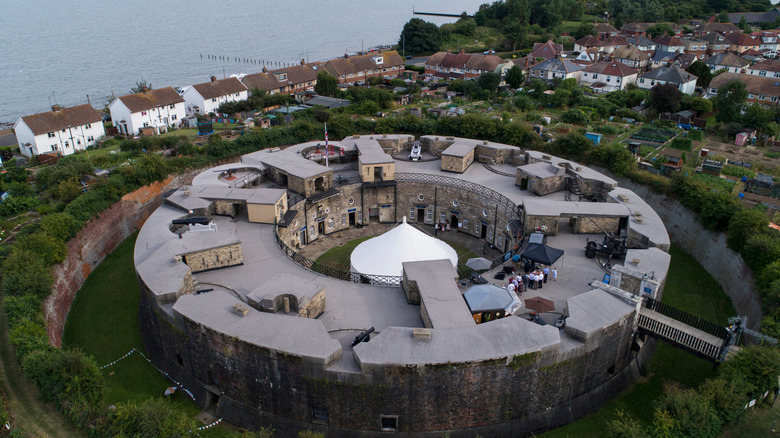
As European geopolitics shifted in the wake of the French Revolution and the Napoleonic Wars, the British Crown recognized the vulnerability of its coastline. To counter potential invasions, the military constructed the Harwich Redoubt Fort between 1804 and 1808. Designed with a distinct circular fortress structure and a central parade ground, the Redoubt was armed with heavy artillery, though it fortunately never had to fire in anger.
Later in the 19th century, as military technology advanced, the Crown supplemented these defenses by establishing Beacon Hill Fort on the elevated slopes overlooking the sea. These fortifications transformed Harwich into an impenetrable military node, a status that would be reinforced further during the turbulent geopolitical conflicts of the 20th century.

The Victorian Leisure Shift and Modern Revival
As naval warfare modernized, Harwich gradually pivoted away from active frontline defense. The late Victorian era ushered in the construction of iconic civic infrastructure, such as the historic Ha’penny Pier—named for the toll once charged to cross it—marking the town’s transition into a destination for day-trippers and maritime commerce.
In the 21st century, Harwich has experienced a cultural and economic renaissance. By leveraging its rich architectural heritage, eclectic antique trade, and proximity to major urban centers like Cambridge and London, the town has carved out a distinct identity as an authentic, crowd-free alternative to England’s more commercialized seaside resorts.
Supporting Context & Metrics: Accessibility, Geography, and Tourism Infrastructure
To fully appreciate Harwich as a travel and cultural destination, one must examine the logistical framework that supports its tourism economy and geographical setting.
Geographical Profile
- Location: Located in the Tendring district of Essex, England.
- Topography: Situated on a low-lying peninsula bordered by the tranquil estuary of the River Stour to the north and west, and the open waters of the North Sea to the east.
- Neighborhoods: The historic old town of Harwich blends seamlessly into the residential and coastal expanse of Dovercourt to the south.
Transportation and Accessibility Metrics
Harwich’s integration into the UK rail and road networks makes it exceptionally accessible for regional and international visitors:
- From Colchester: Direct rail services connect Colchester to Harwich in approximately 30 minutes, making it an ideal day-trip extension for visitors exploring Essex’s historic Roman capital.
- From London: Regular train connections from London Liverpool Street station deliver passengers to Harwich in roughly 90 minutes.
- From Cambridge: Direct or single-transfer rail links provide seamless access from one of England’s premier university cities.
- Regional Connectivity: Nearby coastal destinations like Clacton-on-Sea (situated roughly an hour south by train) and inland cultural hubs like Thetford allow travelers to build multi-stop itineraries across East Anglia.
Accommodation and Culinary Landscape
Harwich’s hospitality sector has evolved to cater to discerning travelers seeking character over corporate lodging:
- Boutique Inns: Establishments such as The Alma Inn and The Bottle Kiln provide historic charm combined with modern comfort, encouraging multi-night stays rather than brief afternoon visits.
- Gastronomic Offerings: Dining options lean heavily into the region’s maritime heritage. Lambard’s Salt House, located directly opposite Captain Christopher Jones’s historic home, offers hearty, seasonal menus anchored by fresh catches. Meanwhile, local institutions like Pieseas Chippy maintain high ratings for classic British comfort food, ranging from traditional fish and chips to artisanal meat pies.
Official Statements and Local Perspectives
Preserving and promoting Harwich’s extensive historical and cultural assets involves a coordinated effort between local preservation societies, municipal authorities, and community stakeholders.
Preserving Naval and Military Heritage
Organizations such as the Harwich Society play a pivotal role in maintaining the town’s architectural integrity and public-facing historical sites. Representatives of the society frequently emphasize the importance of grassroots preservation, noting that structures like the Harwich Redoubt Fort and the town’s dual lighthouses serve as physical textbooks for younger generations.
In public commentary regarding local heritage tourism, regional development advocates have noted:
"Harwich occupies a rare space in British history where local stories—from Mayflower maritime roots to Victorian engineering—are preserved in their authentic environments. Visitors are not looking at reconstructed museums; they are walking through living history."
Visitor Sentiment and Community Feedback
Travelers and independent reviewers consistently praise the unpretentious, immersive nature of Harwich. Modern visitor logs and digital mapping platforms highlight the town’s unique appeal:
- On Harwich Redoubt Fort: Contemporary reviews describe the Napoleonic garrison as "a really interesting piece of history, suitable for all ages," praising the efforts of volunteers who manage historical reenactments within the circular courtyard.
- On Beacon Hill Fort: Visitors frequently characterize the 19th-century hilltop installation as "a brilliant place for all the family," noting the exploratory value of its network of historic underground tunnels and coastal lookout turrets.
- On Natural Landscapes: The secluded stretch of Irlam’s Beach, situated just south of the main town and framed by protected marshy grasslands, has been hailed by national media and travelers alike as an "untouched paradise" that offers a stark, peaceful contrast to crowded commercial beaches.
Future Outlook: Sustainable Tourism and Heritage Conservation
As Harwich looks toward the future, municipal planners and tourism boards face the delicate challenge of balancing increased visitor interest with the preservation of the town’s fragile coastal ecosystem and historic fabric.
Sustainable Coastal Management
With climate change presenting ongoing challenges to low-lying coastal regions across East Anglia, protecting Harwich’s natural shorelines—including the pebble beaches of Dovercourt and the sensitive dune ecosystems surrounding Irlam’s Beach—remains a top priority. Local environmental initiatives focus on preventing erosion while maintaining unobstructed public access to the coastline.
Cultural Tourism Growth
Looking ahead, local stakeholders are seeking to leverage Harwich’s unique transatlantic connections, particularly in anticipation of future heritage anniversaries related to the Mayflower legacy. By encouraging visitors to extend their stays beyond a single afternoon—utilizing the town’s expanding network of boutique inns, antique shops, and specialized retailers like Little Piece of History (known for stocking authentic Roman coins and Viking artifacts)—Harwich is poised to cement its status as one of Essex’s premier cultural and recreational destinations.
Ultimately, Harwich stands as a testament to the enduring allure of the English coast. By harmonizing its profound historical pedigree with a slow-paced, community-driven approach to tourism, the town ensures that its storied past will continue to captivate explorers for generations to come.