








Executive Overview
For decades, the global narrative of California winemaking has been written in the fertile soils of Napa Valley and the breezy, coastal valleys of Sonoma County. These twin powerhouses have long anchored the state’s multi-billion-dollar wine tourism economy, establishing themselves as the undisputed epicenters of American viticulture. However, as congestion, soaring tasting fees, and saturation reshape the traditional wine country experience, intrepid travelers, enophiles, and boutique winemakers are looking eastward. Nestled within the rugged, gold-laden terrain of the Sierra Nevada foothills lies an alternative that is quietly rewriting the rules of California wine: Calaveras County.
Far from being a mere geographic curiosity, Calaveras County represents a fascinating intersection of deep-rooted California history and a modern viticultural renaissance. Boasting a winemaking heritage that stretches back over 170 years—predating Napa’s modern fame by decades—the region is shedding its long-held obscurity. Today, it operates as a vibrant, family-driven collective of approximately 30 intimate tasting rooms and a tight-knit community of winemakers.
While heavyweights like Forbes, the San Francisco Chronicle, and regional outlets have periodically sounded the alarm about this "hidden pulse," the region has managed to preserve its unpretentious, authentic charm. For travelers seeking world-class zinfandels, diverse Mediterranean varietals, and a relaxed atmosphere devoid of corporate bottlenecks, Calaveras County is no longer just an alternative; it is a revelation.
Detailed Chronology: From Gold Rush to Grape Crush
To understand the current resurgence of Calaveras County, one must look deep into the tumultuous, transformative history of the mid-19th century. The story of Calaveras wine is inextricably linked to the California Gold Rush—an era that brought a massive influx of prospectors, settlers, and immigrants to the Sierra Nevada foothills, creating a sudden and ravenous demand for agriculture, provisions, and, naturally, wine.
1851–1870s: The Genesis and Golden Era
The region’s viticultural journey officially began in 1851, when the first systematic grapevines were planted in the fertile earth nourished by the Calaveras River and the mineral-rich runoff of the Sierra Nevada mountains. European immigrants, recognizing the Mediterranean-esque climate of the foothills—characterized by warm, sun-drenched days and cool evening breezes plunging down from the mountains—quickly realized the terrain was uniquely suited for viticulture.
By the 1870s, Calaveras County had blossomed into a major agricultural producer, boasting over 110 active winemakers and nearly 300 acres of sprawling hillside vineyards. During its peak, the region ranked as the fourth-largest wine producer in the entire state of California. The local economy thrived on the symbiotic relationship between gold mining settlements and agricultural expansion, supplying miners and merchants with robust local vintages.
The Great Hiatus: A Century of Obscurity
However, the initial boom was not built to last. A combination of historic hardships—including the depletion of accessible gold, the broader economic shifts of the late 19th century, and, most decisively, the catastrophic blow of Prohibition in the 1920s—decimated the region’s burgeoning wine industry.

Unlike Napa, which managed to preserve some sacramental and medicinal wine production or rebound quickly post-Repeal, Calaveras County’s vineyards largely fell into a deep, century-long slumber. For generations, the land reverted to timber, cattle grazing, and quiet echoes of the past, leaving the area famous primarily for its Gold Rush lore, Mark Twain’s legendary jumping frog, and massive giant sequoia forests rather than its agricultural exports.
The Late 1970s–Present: The Modern Renaissance
The seeds of the modern renaissance were planted in the late 1970s, spearheaded by pioneers like fifth-generation local Barden Stevenot. Recognizing the slumbering potential of the Sierra foothills terroir, Stevenot founded his namesake winery, laying the groundwork for a brave new era of creative viticulture.
This momentum accelerated into the 1980s and beyond. In 1983, Liz and Steve Millier founded Milliaire Winery in the historic, artsy town of Murphys, establishing what would become the elder statesman of the contemporary local wine scene.
What followed over the next four decades was a slow, deliberate grassroots revival. Rather than falling victim to rapid, industrial-scale corporate development, Calaveras County’s wine culture grew organically. Family-owned operations set down roots, transforming historic downtown storefronts into welcoming tasting rooms and proving that the Sierra foothills could produce world-class varietals that rivaled their coastal counterparts—all without losing their soul.
Supporting Context & Metrics
Evaluating Calaveras County requires looking past the superficial metrics of massive production volumes and understanding the unique microclimate, economic structure, and demographic shifts driving its current appeal.
Terroir and Varietal Diversity
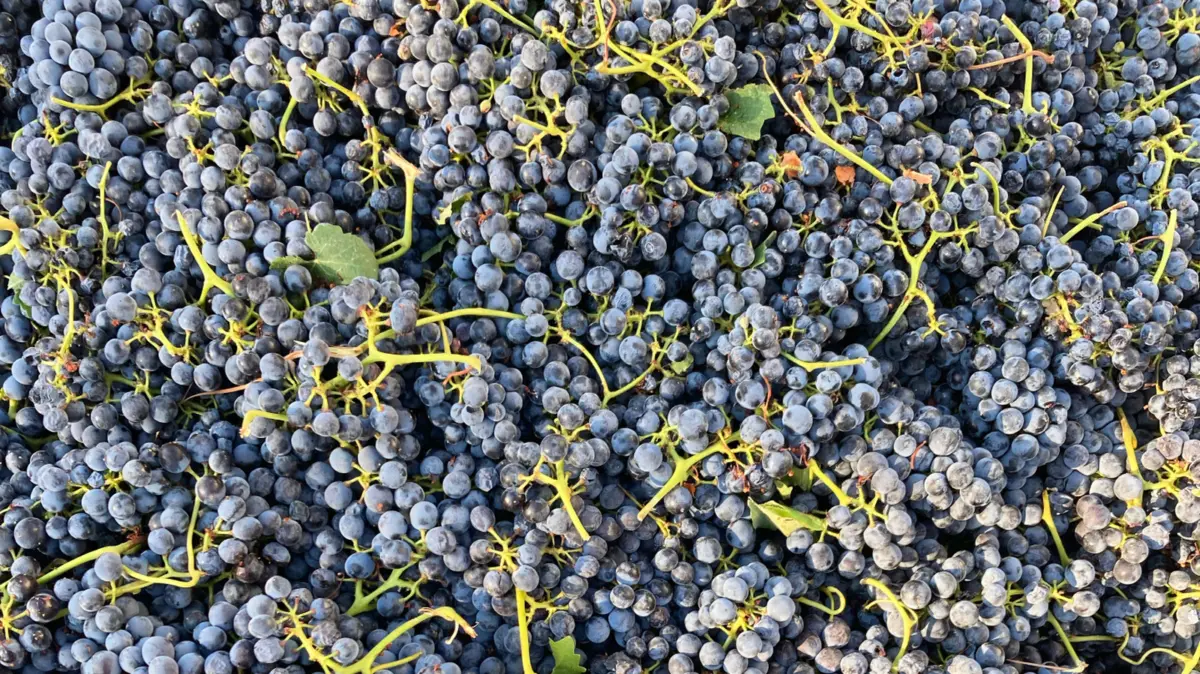
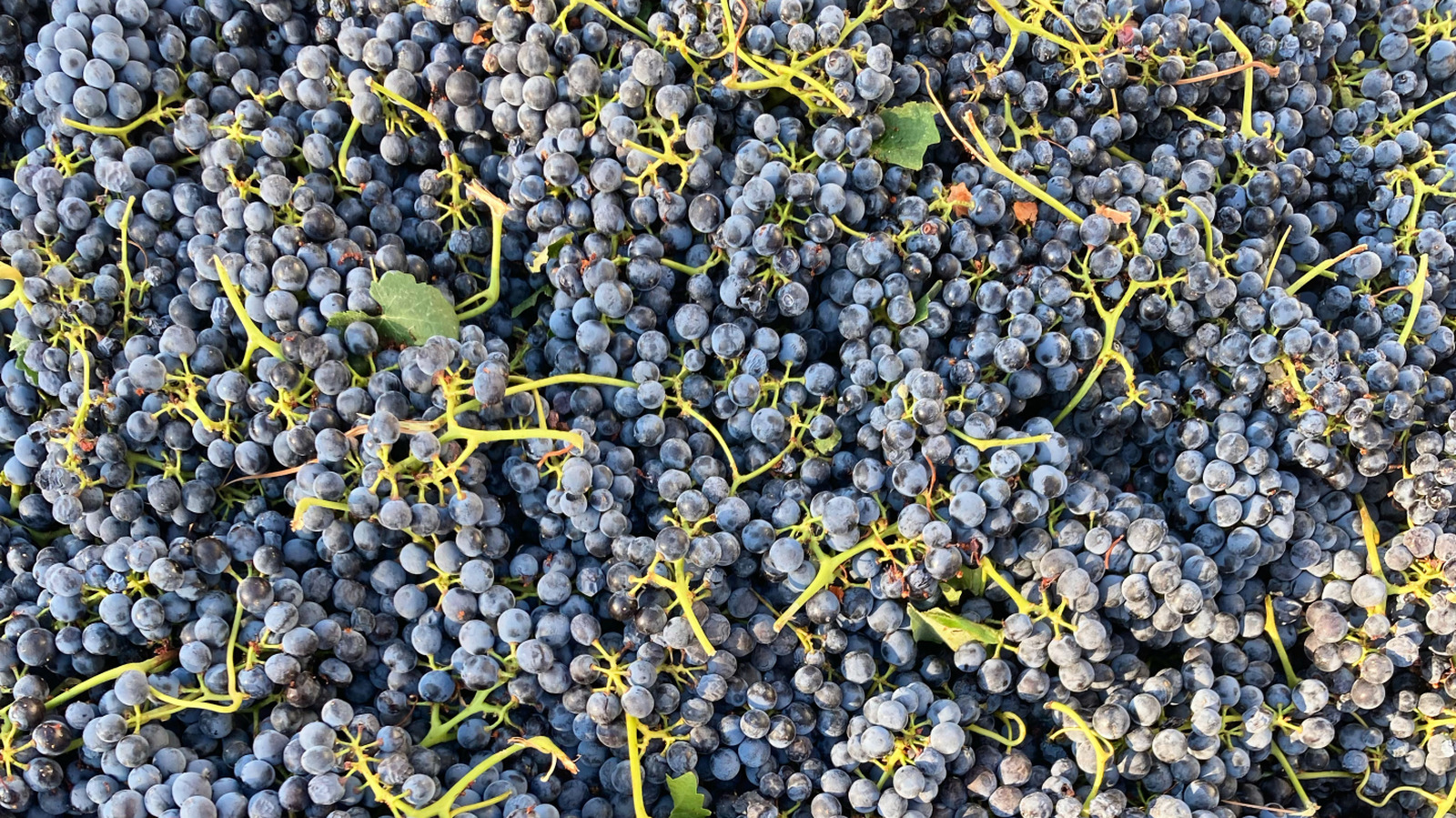
The success of Calaveras County wine lies in its dramatic topography and complex soil profiles. Ranging in elevation from roughly 1,000 to over 3,000 feet above sea level, the vineyards experience intense diurnal temperature shifts. Warm daytime sun allows grapes to achieve optimal phenolic ripeness and sugar accumulation, while chilly mountain nights preserve essential acidity.
This unique climatic blueprint allows Calaveras to excel far beyond the standard Cabernet Sauvignon and Chardonnay playbook. While the region is historically celebrated for its bold, spicy Zinfandels—which thrive in the ancient, iron-rich red clay soils—it has increasingly become a laboratory for diverse, warm-climate Mediterranean varietals. Visitors can readily sample exceptional expressions of:
- Tempranillo
- Barbera
- Syrah
- Danza Roja
- Viognier
Economic Scale and Tourism Metrics
Unlike Napa Valley, where tasting fees can easily surpass $100 to $150 per person and reservations must be booked months in advance, Calaveras County operates on an entirely different economic spectrum.
- Tasting Room Ecosystem: The county currently features approximately 30 boutique tasting rooms, heavily concentrated in walkable historic districts like downtown Murphys.
- Ownership Structure: The overwhelming majority of these operations remain proudly family-owned and operated, ensuring that visitors frequently find themselves chatting directly with the winemaker or proprietor.
- Accessibility & Affordability: Tasting fees are generally modest, often waived with bottle purchases, and walk-ins are routinely welcomed with warmth rather than skepticism.
Official Statements and Industry Insights
The transformation of Calaveras County has not gone entirely unnoticed by culinary critics, travel journalists, and regional experts who have chronicled its evolution over the past two decades.
In a landmark 2016 feature, Forbes wine contributor Tom Mullen famously dubbed the region "the new pulse of California wine country," highlighting how adventurous winemakers were revitalizing forgotten land and experimenting with unheralded European clones.
Four years later, as the wine industry faced unprecedented global shifts, the San Francisco Chronicle doubled down on this sentiment in 2020, characterizing Calaveras County as a "small but mighty California wine region" capable of punching well above its weight class in terms of quality and character.
Reinforcing its enduring status as a destination for the curious traveler, regional broadcaster Fox40 spotlighted the area in 2022 as a "hidden winemaking region in California’s Sierra foothills." Their reporting emphasized that despite decades of accumulated accolades, the destination successfully retains an under-the-radar aura, protecting it from the commercial homogeneity plaguing more heavily touristed valleys.
Local tourism boards and grower associations have continuously championed this grassroots ethos. Officials from bodies like Go Calaveras emphasize that the region’s charm stems from the seamless integration of its Gold Rush heritage with modern agricultural craftsmanship. As promotional literature frequently notes: “From gold rush to grape crush, we are Calaveras wine country.”
Future Outlook: Navigating Growth While Preserving Authenticity
As travelers increasingly seek out authentic, uncrowded, and experiential tourism destinations, Calaveras County stands at a fascinating crossroads. The challenge facing the Sierra foothills is no longer establishing its credibility, but rather managing its future trajectory without losing the very qualities that make it so enchanting.
Infrastructure and Accessibility
Reaching this hidden hotspot is remarkably straightforward, serving as a primary driver for weekend travelers from Northern California’s major metropolitan hubs.
- Driving Times: Visitors can comfortably drive to Calaveras County in approximately 2.5 hours from San Francisco or just 1.5 hours from Sacramento.
- Air Travel: For fly-in travelers, Sacramento International Airport (SMF)—frequently lauded as one of California’s most stress-free aviation hubs—provides seamless access just a short drive away.
For those planning an itinerary, historical towns such as Murphys, Angels Camp, and San Andreas anchor the lodging sector. Notably, the Murphys Historic Hotel remains one of the longest continuously operating hotels in the state, offering guests a chance to sleep where historical figures like Mark Twain and Ulysses S. Grant once rested.
Navigating Without the Stress
To ensure a sustainable and relaxing visitor experience, the region has fostered a robust support network for wine tasting logistics. Companies such as Coche Vino Wine Tours offer curated multi-stop packages ranging between $70 and $160 per person, while premium operators like Stagecoach Limousine provide full-service, eight-person luxury transport equipped with modern sound systems for visitors looking to indulge responsibly.
Furthermore, the community dynamic extends far beyond daytime tastings. Wineries throughout the county actively program weekly events that bridge agriculture with local culture—ranging from relaxed Sunday live music sessions and Taco Tuesdays to interactive Thursday trivia nights and specialized blending workshops at venues like the Murphys Wine Bar, where enthusiasts can craft and bottle their own custom blends.
The Path Forward
Calaveras County’s future relies on maintaining a delicate balance. By fiercely protecting its family-owned ethos, avoiding hyper-commercialization, and doubling down on agricultural innovation, the region is proving that the future of California wine country does not have to be bigger, louder, or more expensive. Instead, as the secret continues to slip out among discerning travelers, Calaveras County offers a refreshing reminder of what wine tasting was always meant to be: an intimate celebration of land, history, and community.