






Executive Overview
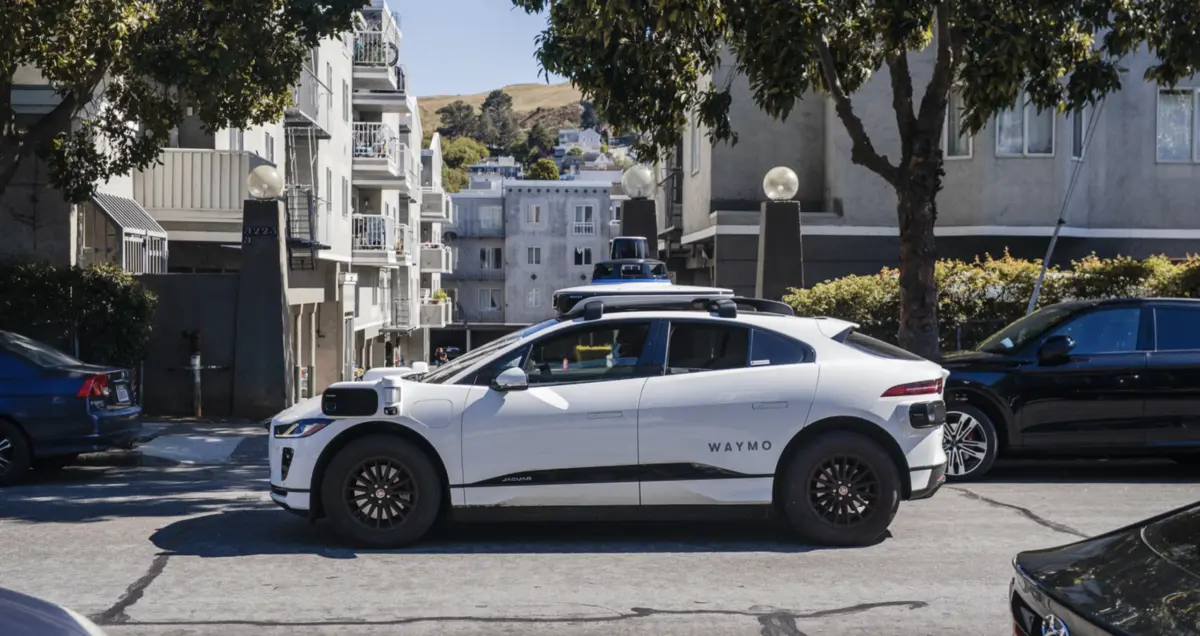
The landscape of modern urban transportation is undergoing a paradigm shift unlike anything seen since the mass adoption of the automobile a century ago. Today, headlines across the globe are dominated by a singular, transformative technological phenomenon: autonomous vehicles— colloquially referred to as "Mr. Roboto"—taking the wheel of urban mobility by operating commercial robotaxis on public streets.
Proponents champion this technological leap as the ultimate solution to traffic congestion, human error, and the inefficiencies of legacy mass transit systems. They envision a seamless, on-demand future where mobility is a service rather than an asset, drastically reducing the need for private car ownership and reclaiming vast swaths of urban real estate currently wasted on parking.
Conversely, urban planners, transit advocates, and pedestrian safety coalitions view the rapid, largely unregulated deployment of robotaxis with deep apprehension. Critics argue that introducing fleets of algorithmically controlled vehicles into dense, complex city environments exacerbates existing traffic bottlenecks, creates new hazards for vulnerable road users such as pedestrians and cyclists, and actively undermines investments in high-capacity public transit.
As cities across the United States race to adapt to this new frontier, a critical question emerges: Are robotaxis the vanguard of a sustainable urban renaissance, or are they simply a high-tech veneer masking the same old car-dependent paradigms that have plagued American cities for decades? This report provides an in-depth investigation into the rise of autonomous taxis, analyzing their operational realities, regulatory challenges, and the broader implications for the future of human-centric cities.
Detailed Chronology: From Science Fiction to Asphalt Reality
To understand the current state of autonomous ride-hailing, it is essential to trace the deliberate, often turbulent evolution of autonomous vehicle (AV) technology over the past two decades. What began as experimental military trials has rapidly morphed into a commercialized, venture-backed gold rush on public thoroughfares.
The Embryonic Stage: DARPA and the Spark of Innovation (2000–2010)
The modern autonomous vehicle movement traces its roots directly to the Defense Advanced Research Projects Agency (DARPA) Grand Challenges. Initiated in the mid-2000s, these desert and urban races challenged academic institutions and private engineering firms to build driverless vehicles capable of navigating complex, unmapped courses. Although these early prototypes moved at agonizingly slow speeds and relied on racks of fragile, expensive sensors, they proved that computer vision and automated control systems were technically feasible.
Following the success of the DARPA challenges, major technology conglomerates and well-funded startups realized the immense commercial potential of driverless technology. Early research labs transitioned into standalone entities, laying the groundwork for the modern AV industry.
The Testing Grounds and Safety Milestones (2011–2019)
Throughout the 2010s, tech giants and dedicated AV developers secured permits to test autonomous prototypes on public roads, primarily in Sunbelt cities with favorable weather conditions, such as Phoenix, Arizona, and Mountain View, California. These years were characterized by extensive data collection, closed-course simulations, and incremental real-world testing.
However, this era was also marred by growing pains. Engineers quickly realized that simulated environments could not fully replicate the chaotic, unpredictable nature of human behavior on public streets. High-profile testing incidents and, tragically, fatal collisions involving autonomous test vehicles forced regulatory bodies and developers to re-evaluate their safety protocols, leading to heightened scrutiny from federal oversight agencies.
Commercialization and Public Rollouts (2020–Present)
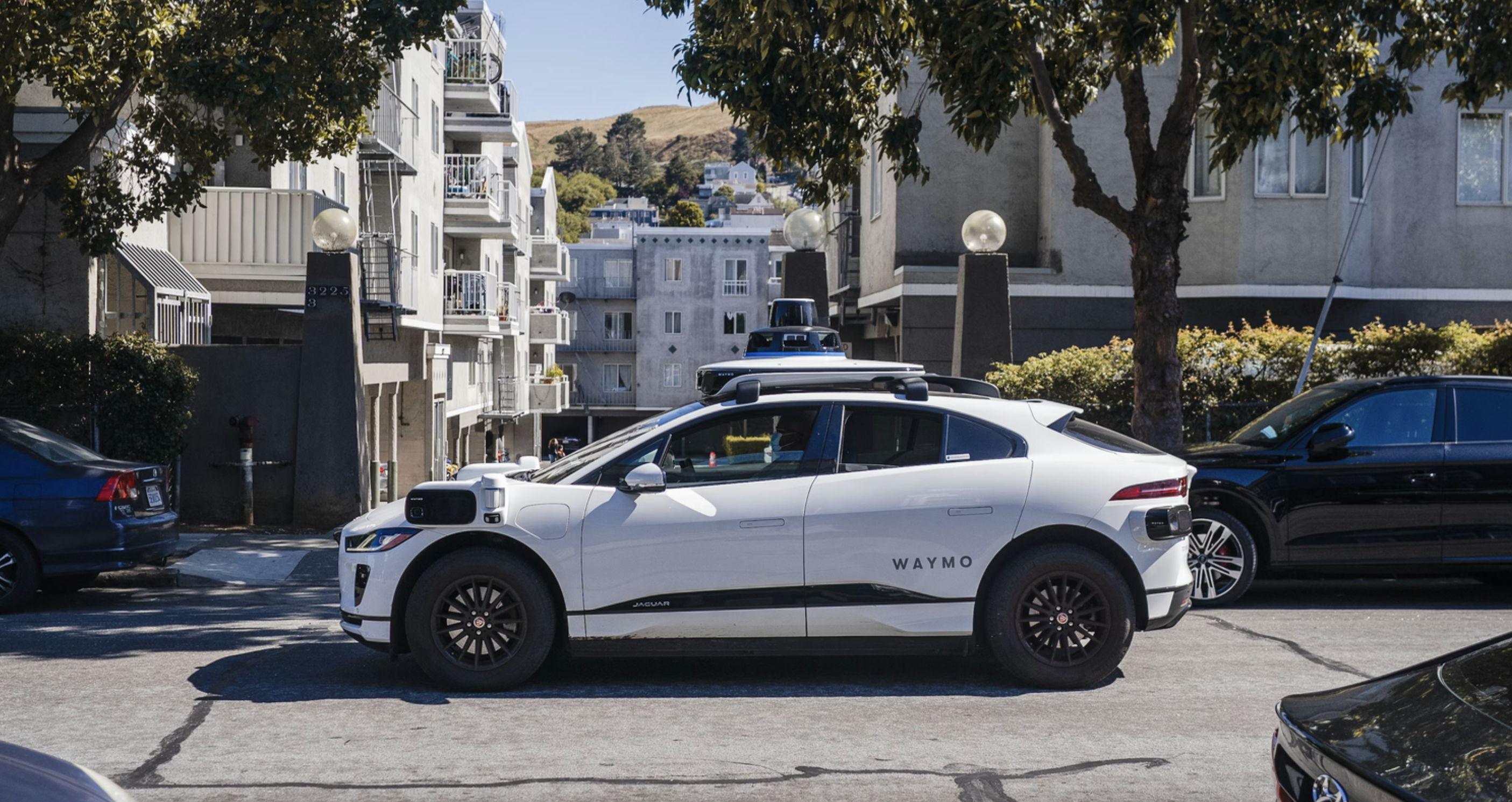
By the turn of the decade, leading AV developers transitioned from mandatory safety-driver testing to fully driverless commercial operations. Cities such as San Francisco, Austin, Phoenix, and Los Angeles became the primary battlegrounds for robotaxi dominance. Companies deployed fleets of electric vehicles equipped with advanced LiDAR, radar, and high-definition camera arrays, offering commercial ride-hailing services directly to consumers via smartphone applications.
As robotaxis expanded from geofenced testing zones into bustling downtown cores, interactions with emergency services, public transit vehicles, and pedestrians became frequent subjects of public debate. The narrative shifted rapidly from theoretical technological triumph to concrete urban friction, forcing municipal governments to confront a technology that was scaling faster than local regulatory frameworks could accommodate.
Supporting Context & Metrics: The Urban Impact of Automated Fleets
To evaluate the true societal value of robotaxis, analysts must look beyond marketing campaigns and examine hard data regarding traffic dynamics, environmental impact, and urban spatial efficiency.
Congestion and VMT (Vehicle Miles Traveled)
One of the most persistent selling points of autonomous fleets is their potential to optimize traffic flow through coordinated routing and smooth acceleration curves. However, independent transportation studies reveal a more concerning reality: robotaxis often contribute to an increase in Vehicle Miles Traveled (VMT).
Unlike privately owned vehicles that sit parked for roughly 95% of their lifecycle, robotaxis frequently cruise urban cores without passengers while awaiting their next dispatch. This "deadheading" behavior adds significant vehicle volume to already congested roadways. Furthermore, by offering a convenient, door-to-door alternative to walking, biking, or taking the bus, robotaxis frequently siphon riders away from high-capacity transit systems, compounding urban traffic woes.
Safety Records and Edge Cases
Proponents argue that autonomous vehicles do not get distracted, fatigued, or intoxicated—the leading human causes of traffic fatalities. Statistically, AVs have demonstrated lower rates of certain types of collisions, such as high-speed rear-end crashes, compared to human drivers.
Yet, robotaxis struggle significantly with unusual "edge cases" in complex urban environments. Unpredictable pedestrian movements, construction zones with conflicting temporary signage, severe weather events, and instructions from manual traffic controllers frequently confuse autonomous systems. When confused, these vehicles are programmed to come to a complete stop in the middle of the road, occasionally blocking entire lanes of traffic, public buses, and emergency response vehicles.

+-----------------------------------------------------------------+
|              Autonomous vs. Human Driving Dynamics              |
+--------------------------+--------------------------------------+
| Metric                   | Human Drivers vs. Robotaxis          |
+--------------------------+--------------------------------------+
| Cognitive Impairment     | Humans: Susceptible (fatigue/drugs)  |
|                          | AVs: Non-existent                    |
+--------------------------+--------------------------------------+
| Processing Consistency   | Humans: Variable attention           |
|                          | AVs: Constant sensor monitoring      |
+--------------------------+--------------------------------------+
| Edge-Case Handling       | Humans: Highly adaptable intuition   |
|                          | AVs: Prone to halting/system lock    |
+--------------------------+--------------------------------------+
| Spatial Efficiency       | Both: Subject to urban VMT inflation |
+--------------------------+--------------------------------------+
Spatial Reclamation vs. Parking Inducement
A compelling theoretical argument for robotaxis is the reduction of urban land dedicated to parking. If fleets of on-demand vehicles can efficiently transport citizens, cities can theoretically convert multi-story parking garages and surface lots into green spaces, affordable housing, or community centers.
However, critics caution that if robotaxis make personal car travel cheaper and more convenient, total automobile dependence could actually increase, leading to sprawling development patterns that require even more roadway infrastructure. Without strict municipal policies prioritizing transit and active mobility, the promise of spatial reclamation may remain unfulfilled.
Official Statements and Stakeholder Perspectives
The rapid expansion of autonomous ride-hailing has fractured urban stakeholders into distinct ideological camps, pitting tech developers against municipal leaders, labor unions, and transit advocates.
The Tech Sector Perspective: Innovation and Accessibility
Industry leaders maintain that autonomous vehicles represent an inevitable and progressive step in transportation evolution. Representatives from major AV firms emphasize safety improvements, pointing to millions of autonomous miles logged with zero human-error fatalities in core operational domains.
"We are building a transportation system that prioritizes human life by eliminating the primary cause of traffic accidents: human error," stated a senior software director at a leading AV developer. "Our technology learns from every mile driven, creating a safer, more reliable network that will eventually eliminate the need for private car ownership altogether."
Furthermore, tech advocates highlight the profound accessibility benefits robotaxis offer to elderly populations and individuals with disabilities, providing independent mobility options where traditional public infrastructure may fall short.
Municipal and Transit Advocate Concerns: Public Safety and Infrastructure
Conversely, city officials and urban advocacy organizations express deep frustration regarding preemptive state-level legislation that strips local governments of their authority to regulate commercial vehicle operations on municipal streets.
Urban planning coalitions argue that private tech companies are utilizing public infrastructure as an unregulated testing laboratory without compensating taxpayers for wear and tear, traffic management, or emergency intervention costs.

"Our streets are not testing tracks for Silicon Valley venture capitalists," said a representative from a prominent national transit advocacy group. "When a fleet of driverless cars stalls out across an intersection, it blocks emergency responders, disrupts bus schedules, and endangers pedestrians. Municipalities must retain the legal authority to govern their own rights-of-way."
Transit workers and labor unions have also raised alarm bells regarding job displacement, warning that automated fleets threaten the livelihoods of professional taxi, rideshare, and delivery drivers without guaranteeing equitable labor standards or community reinvestment.
Future Outlook: Charting the Course for Intelligent Urbanism
As the transportation sector looks toward the remainder of the decade and beyond, the trajectory of robotaxis will depend entirely on regulatory cooperation, technological maturation, and a renewed commitment to comprehensive urban planning.
The Need for Collaborative Governance
The era of unchecked, wild-west deployment of autonomous vehicles is rapidly drawing to a close. For robotaxis to successfully integrate into the urban ecosystem, a collaborative governance model must be established. This framework must balance the innovative potential of automated driving systems with the democratic rights of local municipalities to manage their public spaces.
Cities must be empowered to designate dedicated lanes, levy congestion pricing on commercial fleets, and mandate data-sharing agreements that allow urban planners to monitor real-time traffic impacts.
Synergy with Public Mass Transit
Rather than viewing robotaxis as direct competitors to high-capacity public transit, forward-thinking urban strategists advocate for a symbiotic relationship. Automated micro-transit fleets can serve as efficient "first-mile, last-mile" connectors, feeding passengers directly into high-speed rail, subway, and bus rapid transit (BRT) networks. By anchoring autonomous technology within a robust public transit framework, cities can reduce overall car dependency while maximizing passenger throughput.
Redefining the Ultimate Goal: Ending Car Dependency
Ultimately, the technological marvel of "Mr. Roboto" driving taxis must not distract from the foundational goal of modern urbanism: creating safe, livable, human-scaled cities that prioritize walking, biking, and sustainable mass transit.
If autonomous vehicles are deployed merely as a high-tech substitute for private automobiles, they will simply reinforce the traffic congestion and environmental degradation of the past century. However, if integrated wisely under strict public oversight, robotaxis can become a valuable tool in the ongoing global movement to end car dependency and reclaim our streets for the people who live, work, and play in them.