






Executive Overview
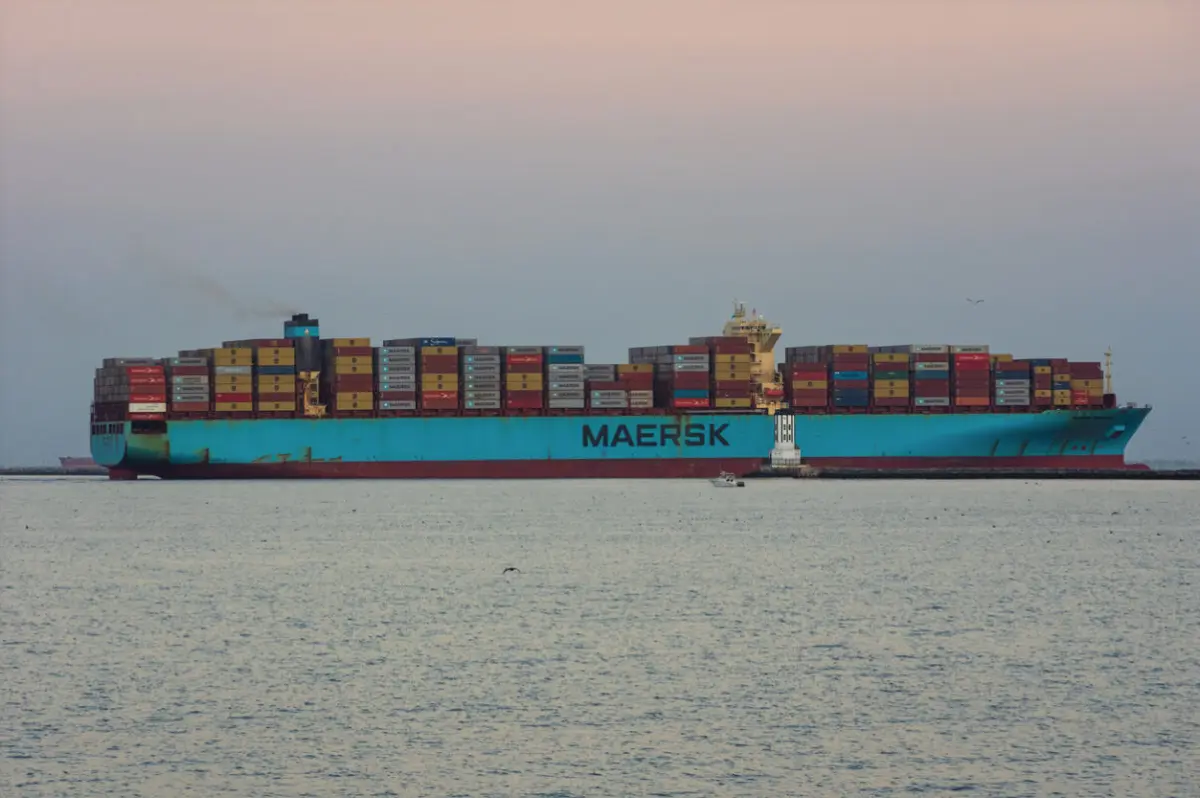
Global shipping giant A.P. Moller-Maersk (Maersk) has officially confirmed that the container vessel DELOS WAVE 630N will bypass its scheduled port call at Shanghai. The decision, driven by persistent adverse weather conditions that have severely impacted maritime schedules across East Asia, is part of a broader strategy to mitigate cascading delays throughout the vessel’s ongoing rotation.
By omitting one of the world’s busiest container hubs, Maersk aims to protect the integrity of the DELOS WAVE 630N‘s onward voyage. Cargoes originally designated for discharge at Shanghai have been urgently rerouted to alternative regional ports. However, the carrier has yet to publicly disclose the specific terminals tasked with absorbing these diverted volumes.
This operational adjustment underscores the mounting pressures faced by ocean carriers navigating increasingly volatile meteorological patterns. Schedule reliability has become a primary battlefield for supply chain managers, prompting shipping lines to prioritize network velocity over rigid port rotations. For terminal operators in Shanghai, the sudden omission creates localized volume fluctuations, necessitating dynamic reallocations of berth planning and yard space. As regional weather events grow more disruptive, the maritime industry finds itself increasingly reliant on adaptive schedule management to prevent systemic congestion.
Detailed Chronology of the DELOS WAVE 630N Disruption
The Genesis of the Weather Event
The operational bottleneck affecting the DELOS WAVE 630N did not materialize in isolation. Over the preceding weeks, a convergence of severe meteorological phenomena—including prolonged high-wind advisories, dense fog banks, and heavy swells—has plagued the East China Sea and surrounding maritime corridors. These conditions have heavily restricted pilotage operations, slowed vessel transit speeds, and created significant backlogs at major anchorages.
As the DELOS WAVE 630N progressed along its scheduled voyage route, cumulative delays began to mount. Under normal operating parameters, a vessel encountering minor schedule slippage might attempt to accelerate between ports, burning additional bunker fuel to make up for lost time. However, with fuel efficiency mandates, strict environmental regulations, and persistent port congestion limiting berth availability, high-speed steaming is increasingly viewed as an economically and environmentally unviable remedy.
The Decision to Bypass Shanghai
Facing compounding delays and tightening turnaround windows, Maersk’s operational planners executed a critical tactical review. The decision to omit Shanghai—one of the most complex and high-volume container exchanges in the global supply chain—was reached to prevent further schedule deterioration.
By excising the Shanghai call, the DELOS WAVE 630N can bypass the inevitable waiting times associated with congested anchorages and berth scheduling queues in the port. This proactive omission acts as a circuit breaker, allowing the vessel to realign with its published timetable for subsequent ports of call.
Rerouting and Cargo Management
The immediate operational challenge following a port omission is the handling of affected cargo. For the DELOS WAVE 630N, shipments originally slated for Shanghai have been designated for alternative discharge locations.
- Import Cargo: Importers expecting their goods directly through Shanghai terminals must now track their containers through secondary gateway ports.
- Transshipment and Onward Connections: Empty containers and export boxes booked from subsequent legs of the voyage are being reassessed to minimize disruption to regional supply chains.
While Maersk has assured customers that contingency plans are active, the lack of immediate transparency regarding specific alternative terminals has forced logistics managers into a reactive posture, scrambling to secure inland transport updates and customs clearances at secondary ports.
Supporting Context & Metrics: The Cost of Weather and Port Omissions
The Economics of Schedule Reliability
In contemporary container shipping, schedule reliability is the ultimate currency. Shippers, manufacturers, and beneficial cargo owners (BCOs) rely heavily on predictable transit times to manage lean inventory models. When carriers miss scheduled port calls, the downstream effects can be severe:
- Increased Inventory Holding Costs: Importers face sudden delays in raw material availability or finished goods distribution.
- Modal Shifts: Supply chain managers are frequently forced into costly expedited trucking or air freight options to bridge inventory gaps.
- Demurrage and Detention Exposure: Unplanned rerouting often triggers administrative complexities regarding container dwell times, free-time limits, and terminal storage fees.
The Rise of Tactical Omissions (Omission Blanks)
Data from major maritime consultancies indicates that weather-related schedule recovery strategies—such as port omissions and blank sailings—have become standard operating procedure for carriers operating on major East-West trade lanes. Rather than absorbing days of waiting time at a single congested or weather-bound port (which cascades into delays across dozens of subsequent port pairs), carriers increasingly opt to "cut and run."
While this protects the macro-schedule of the vessel string, it places a disproportionate burden on regional terminals and local logistics ecosystems.
Impact on Shanghai Terminal Operators
Shanghai Port, comprising massive container facilities such as Yangshan Deep-Water Port and Waigaoqiao, handles tens of millions of TEUs annually. The terminal operating companies function with microscopic precision, utilizing automated yard cranes, sophisticated TOS (Terminal Operating Systems), and tightly synchronized rail-water intermodal connections.
When a major mainline vessel like the DELOS WAVE 630N executes an unscheduled omission:
- Berth Planning Disruption: Gaps left in the berth lineup require immediate rescheduling of gantry cranes and labor gangs.
- Yard Density Fluctuations: Diverted cargo arriving via feeder vessels or secondary nodes can create unexpected pressure points in specific container blocks.
- Intermodal Synchronization: Rail and barge connections primed for the original import volume must be hastily rerouted or cancelled, resulting in wasted capacity and administrative friction.
Official Statements and Stakeholder Communication
Carrier Transparency and Customer Guidance
In response to the growing operational friction, Maersk issued a formal advisory to its client base, seeking to balance transparency with operational necessity.
"We sincerely apologise for any inconvenience and thank you for your understanding," the carrier stated in its official customer notification.
Maersk further advised that any specific inquiries regarding cargo status, alternative terminal handling, and documentation adjustments should be directed immediately to local Maersk customer service representatives or managed through the digital booking platform.
Industry Reactions and BCO Responses
Beneficial Cargo Owners have expressed a mixture of resignation and frustration regarding the frequent deployment of weather-related omissions. While logistics professionals acknowledge that carriers cannot control meteorological conditions, the lack of granular, real-time data concerning diverted cargo often complicates downstream planning.
Industry analysts emphasize that communication protocols during operational disruptions must continue to evolve. As carriers increasingly rely on automated customer portals and digital advisories, BCOs require deeper integration between vessel-tracking systems and terminal management data to anticipate cargo availability changes proactively.
Future Outlook: Navigating Climate Volatility and Port Resilience
The Growing Intersection of Climate Change and Maritime Logistics
The disruption involving the DELOS WAVE 630N highlights a broader, systemic vulnerability within global maritime supply chains: the increasing frequency and severity of extreme weather events. Climate change is driving more erratic meteorological patterns across critical shipping lanes in the Asia-Pacific region, translating directly into operational instability for container carriers.
As typhoons, dense fog events, and abnormal sea swells become more common, carriers can no longer treat weather delays as isolated anomalies. Instead, shipping lines must integrate advanced predictive analytics, AI-driven route optimization, and climate-resilient scheduling into their core network planning models.
Technological Adaptation and Port Collaboration
To mitigate the impact of tactical omissions and weather disruptions, the maritime sector is investing heavily in digital infrastructure:
- Predictive Weather Routing: Advanced meteorological algorithms allow vessels to adjust speeds proactively days before entering high-risk zones, potentially avoiding severe bottlenecks altogether.
- Port-to-Ship Data Sharing: Enhanced API integrations between terminal operating systems and vessel navigation tools are improving the transparency of berth availability and turnaround forecasts.
- Flexible Gateway Networks: Carriers are increasingly utilizing hub-and-spoke models with secondary and tertiary ports capable of absorbing overflow volume when primary hubs like Shanghai face operational paralysis.
Conclusion
The decision by Maersk to bypass Shanghai for the DELOS WAVE 630N is a microcosm of the modern shipping industry’s delicate balancing act. It demonstrates a decisive, risk-mitigating approach to regional weather challenges, prioritizing network integrity over rigid itinerary compliance. However, it also underscores the friction points experienced by cargo owners and terminal operators alike. As global trade navigates an era of heightened environmental volatility, the success of international supply chains will depend heavily on greater digital connectivity, operational flexibility, and proactive collaboration between carriers, ports, and shippers.