







Executive Overview
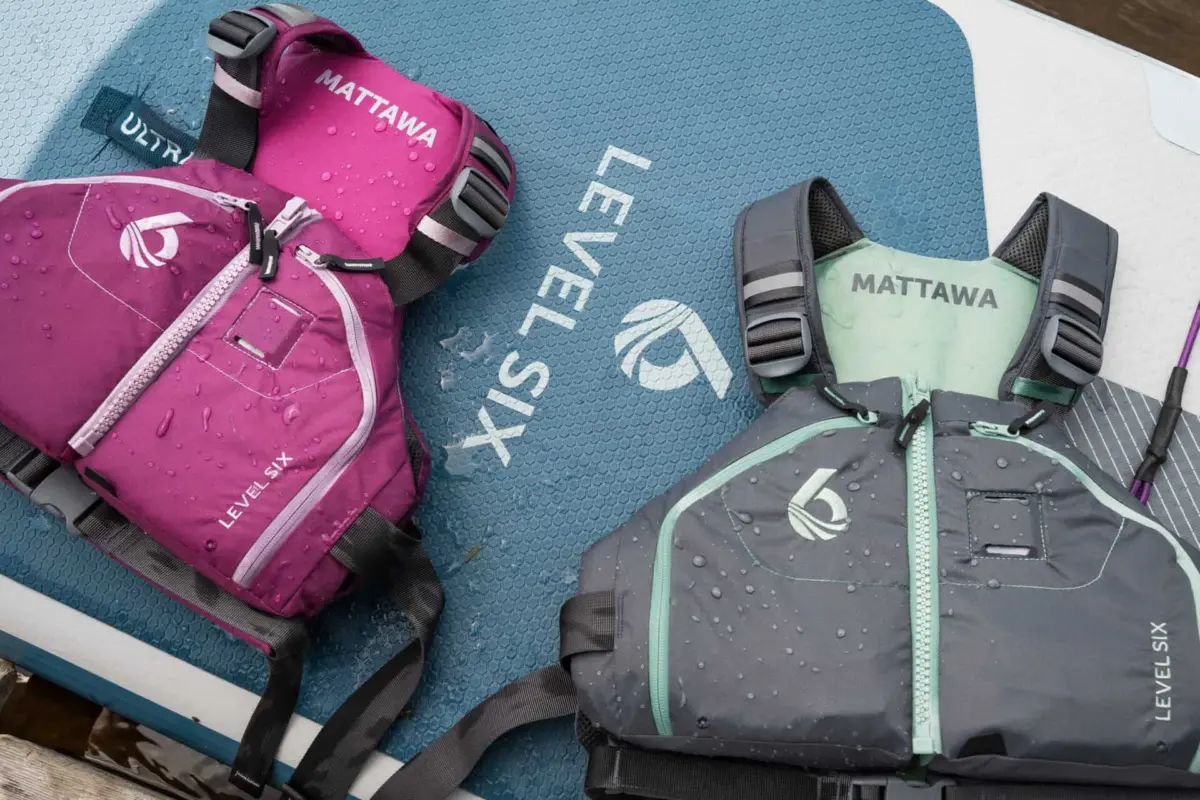
Ottawa-based paddlesports apparel giant Level Six is poised to make a massive splash in the personal flotation device (PFD) market, setting the stage for a dramatic shift in how North American boaters and paddlers think about water safety. Celebrating its 30th anniversary in 2027, the company has officially certified an unprecedented 24 new life jacket models, with the first wave of 10 slated to hit retail shelves in March 2027.
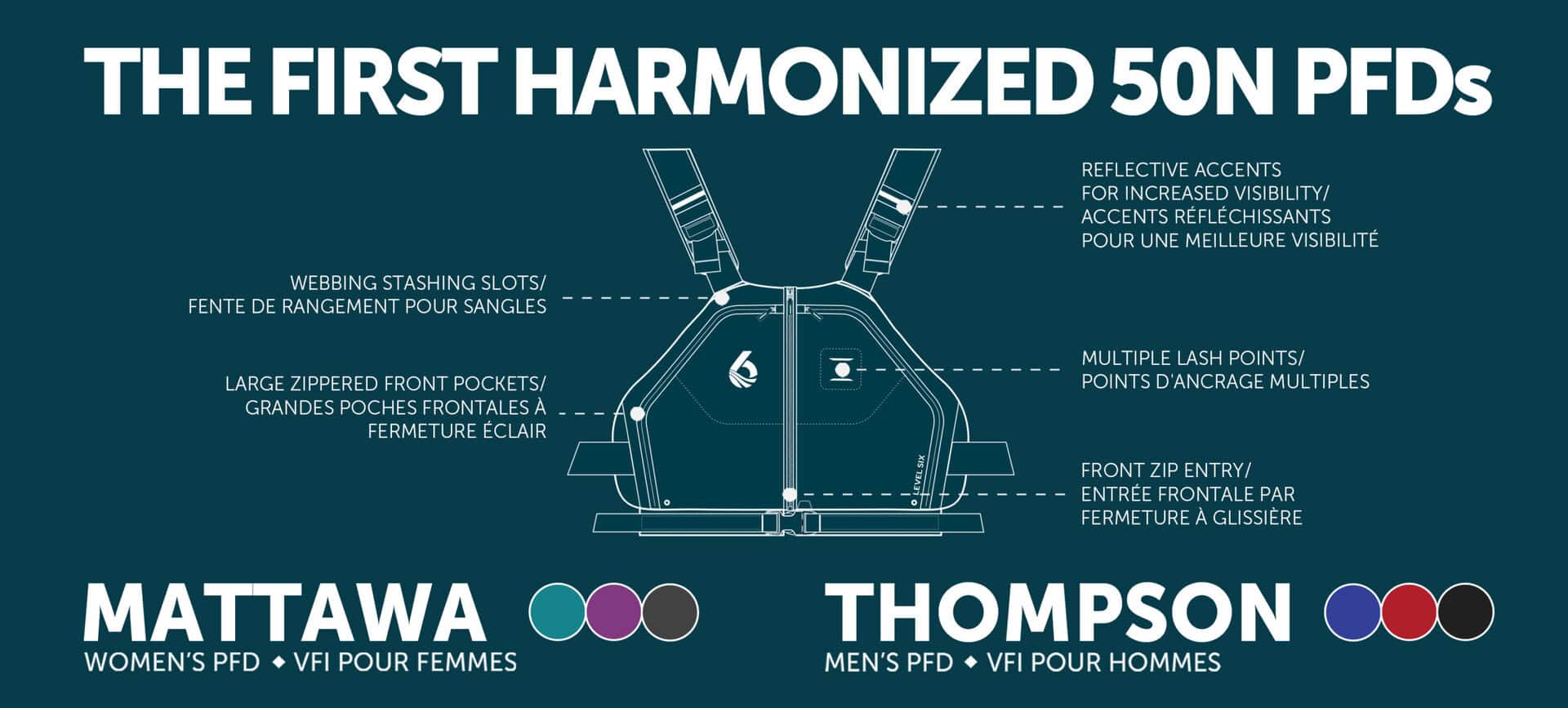
At the vanguard of this massive product launch is a genuine industry milestone: the introduction of the very first low-profile, 50-newton buoyancy aids approved simultaneously for the North American market by both the U.S. Coast Guard (USCG) and Transport Canada.
For decades, the standard North American PFD market has been dominated by bulky, traditional Type III or Level 70 life jackets, which typically provide 15.5 to 22 pounds of flotation. While effective at keeping users afloat, these high-volume vests often suffered from a fatal flaw: user resistance. Too hot, too restrictive, and too cumbersome, they frequently ended up clipped beneath boat seats or strapped to deck bungees rather than worn by the paddlers themselves.

The arrival of the harmonized Level 50 standard changes the calculus completely. By trading down to roughly 11 pounds (50 newtons) of buoyancy, manufacturers can craft dramatically slimmer, highly mobile, and significantly more comfortable buoyancy aids. It is a calculated regulatory and design compromise—the "grand bargain" of modern water safety—based on a foundational truth articulated by recreational boating safety specialist Scott Szczepaniak: "Eleven pounds of buoyancy on your body is better than 16 pounds of buoyancy clipped to your seat."
Detailed Chronology: From Concept to Regulatory Triumph
The road to Level Six’s 2027 life jacket catalog was neither short nor straight. Founder and CEO Stig Larsson admits that entering the heavily regulated PFD category has been an aspiration for over a decade. In fact, the company came within a hair’s breadth of submitting its initial designs for USCG approval just prior to the onset of the COVID-19 pandemic. However, global supply chain disruptions brought those plans to a temporary halt, forcing the Ottawa brand back to the drawing board.
That enforced delay proved to be a blessing in disguise. During the hiatus, market demographics shifted noticeably. Female participation in paddlesports surged, prompting Larsson to recognize a glaring gap in the market: women were too often underserved by unisex gear or poorly executed adaptations of men’s cuts. Level Six used the extra time to overhaul its design philosophy, committing to the development of a dedicated, high-performance women’s counterpart for every single men’s model in the line.
The true test of corporate nerve, however, arrived in 2025. While the U.S. Coast Guard had formally embraced the Level 50 standard, Transport Canada had yet to rubber-stamp the regulation. Standard corporate playbooks—particularly those governed by private equity or risk-averse management teams—would have dictated pumping the brakes and waiting for absolute regulatory certainty on both sides of the border.

Larsson, a former World Cup slalom racer, chose the opposite approach: he stepped on the gas.
Operating with the split-second decision-making framework of a whitewater athlete executing a rapid descent, Level Six bet heavily on where it anticipated Transport Canada’s final standard would land. While the company’s industrial design team finalized their work on traditional Level 70 models, they simultaneously plunged into speculative Level 50 designs. Using educated estimates of the regulatory hurdles ahead, they built and tested prototypes months in advance.
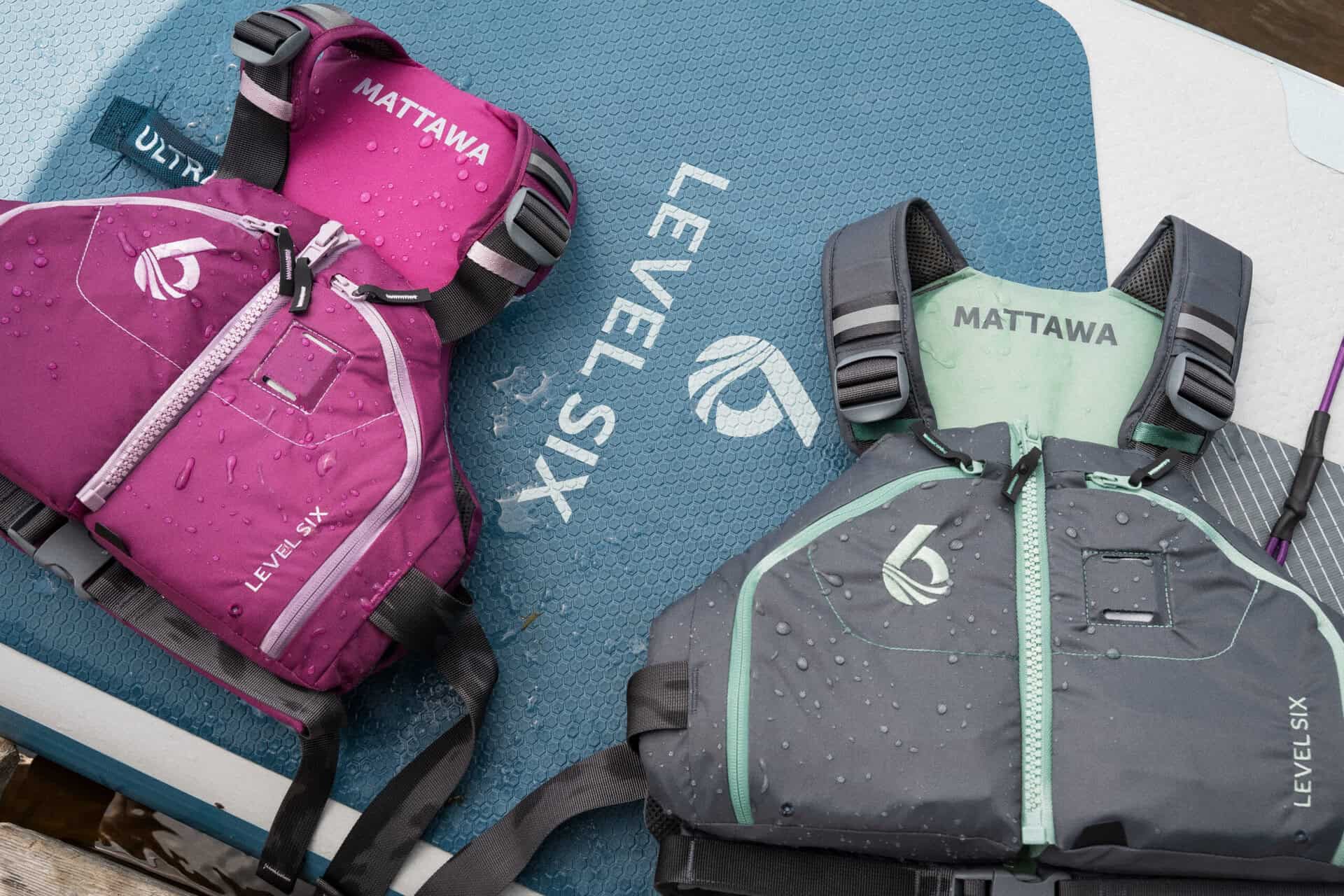
When Transport Canada officially approved the standard in early March 2026, Level Six found itself nearly eight months ahead of the competition. That aggressive gamble positioned the Canadian brand to capture first-mover advantage in a newly opened category, proving that independent, founder-led companies can still outmaneuver corporate monoliths when they are willing to accept high operational risks.
Supporting Context & Metrics: The Anatomy of Level 50 and the Economics of Risk
To appreciate the magnitude of Level Six’s gambit, one must understand the economics and engineering constraints of PFD certification. Certifying a single life jacket model is an extraordinarily expensive and time-consuming endeavor. Scaling that process up to 24 distinct models requires millions of dollars in capital expenditure, rigorous laboratory testing, and unwavering conviction.
Once a specific foam package and shell design are approved by regulators like the USCG or Transport Canada, designers lose almost all latitude to alter the product. Every millimeter of foam, every stitch, and every panel must match the certified blueprint precisely.
To bring this massive lineup to life, two of Level Six’s three full-time industrial designers dedicated themselves almost exclusively to the life jacket project for over a year. Operating out of the company’s Ottawa headquarters, they meticulously shaved, shaped, and tested foam blocks—adding or removing fractions of an inch at a time—to optimize wrap-around rib coverage, shoulder articulation, and core mobility.
The Metrics of the Level 50 Standard
- Buoyancy Rating: 50 Newtons (approximately 11 pounds of flotation), compared to the traditional 70+ Newtons (15.5+ pounds) found in Type III / Level 70 vests.
- Launch Timeline: 24 total models certified; the first wave of 10 models ships to global retailers in March 2027, with the remaining 14 rolling out progressively over the next few years.
- Global Reach: Level Six products, which began as rash guards sold out of the back of a van in 1997, are now retailed in over 450 stores worldwide. The 2027 launch coincides precisely with the company’s 30th anniversary.
- Environmental Commitments: The entire new PFD range utilizes PVC-free foam, PFC-free fabrics, and a high percentage of recycled materials.
Crucially, the Level 50 standard comes with strict stipulations that both dealers and consumers must understand. Because these buoyancy aids rely on a reduced volume of flotation to maximize comfort and mobility, they are explicitly intended for competent swimmers operating in relatively protected waters where immediate rescue is available. They are not certified carriage requirements for poor swimmers, non-swimmers, or those venturing into extreme, remote wilderness environments. Furthermore, to count toward legal USCG carriage requirements, a Level 50 device must be actively worn—stowing it under a deck bungee cord invalidates its legal status on the water.
Official Statements & Industry Perspectives
The convergence of regulatory reform and entrepreneurial daring was the focal point of a recent wide-ranging interview on the Paddling Business Talks podcast. Host Jeff Moag sat down with Level Six founder Stig Larsson and Scott Szczepaniak—a recreational boating safety specialist with the USCG and former owner of Sea Kayak Carolina—to dissect the philosophy behind the new gear.
Discussing the sheer financial and logistical risk of launching 24 models simultaneously, Larsson was candid about the advantages of private ownership:
"I think if Level Six were owned by a private equity firm, we would never have done it," Larsson remarked during the podcast. "The expense and regulatory risk of certifying two dozen new PFDs doesn’t pencil out on a spreadsheet, especially before proving the market. But as a founder, I didn’t need to get approval from anyone on some of these riskier or crazier ideas. There is nobody standing over me."
That independent streak traces directly back to Larsson’s origins in competitive sports. Reflecting on his time representing Canada on the World Cup whitewater slalom circuit in the late 1990s, he noted how a background in extreme athletics shapes business execution:
"Slalom racing is a game of calculated risk," Larsson explained. "Getting down the river is easy, but if you want to win, you have to commit to the fastest line—one that risks a costly gate touch or even a 50-second penalty for missing a gate altogether. Go big or go home."
From a regulatory standpoint, Scott Szczepaniak emphasized that the U.S. Coast Guard’s willingness to embrace the Level 50 standard was driven by a pragmatic desire to save lives through improved ergonomics.
"Fit and comfort are two of the top things a paddler looks for in a life jacket," Szczepaniak explained. "If you have an orange Type II horse-collar from a big box store, it’s going to float you. But you’re not going to wear it. It’s just not comfortable. Eleven pounds of buoyancy on your body is better than 16 pounds of buoyancy clipped to your seat."
Addressing the design ethos behind the company’s gender-specific approach, Larsson dismissed the lazy industry trope of simply resizing men’s gear:
"Across the whole range, we wanted to go for comfort and full range of movement first. You’ve got to want to wear it," Larsson said, adding pointedly, "We’re not just shrinking and pinking it."
Future Outlook: The Retail Evolution and Industry Ripple Effects
As Level Six approaches its milestone 30th anniversary in 2027, the rollout of its 24-model PFD collection represents far more than a routine category expansion. It is a calculated bet that the future of paddlesports safety belongs to uncompromising ergonomics, environmental stewardship, and gear so unobtrusive that users forget they have it on.
For specialty paddlesports retailers, the arrival of Level 50 PFDs presents both an incredible commercial opportunity and an educational imperative. Store owners and staff will bear the responsibility of guiding consumers toward the correct performance tier. They must actively communicate that while these ultra-low-profile vests offer unprecedented freedom of movement—reminiscent of the minimalist racing vests Larsson wore on the World Cup course—they demand responsible usage, competent swimming ability, and situational awareness.
By pushing past supply chain delays, anticipating cross-border regulatory shifts, and committing heavily to sustainable materials like PVC-free foam and PFC-free fabrics, Level Six has established itself as an undeniable powerhouse in technical paddlesports gear. As the first wave of 10 models hits retail floors in March 2027, the broader marine industry will be watching closely to see if America’s paddlers are finally ready to embrace the ultimate safety compromise: wearing their gear because they actually want to.