








Executive Overview
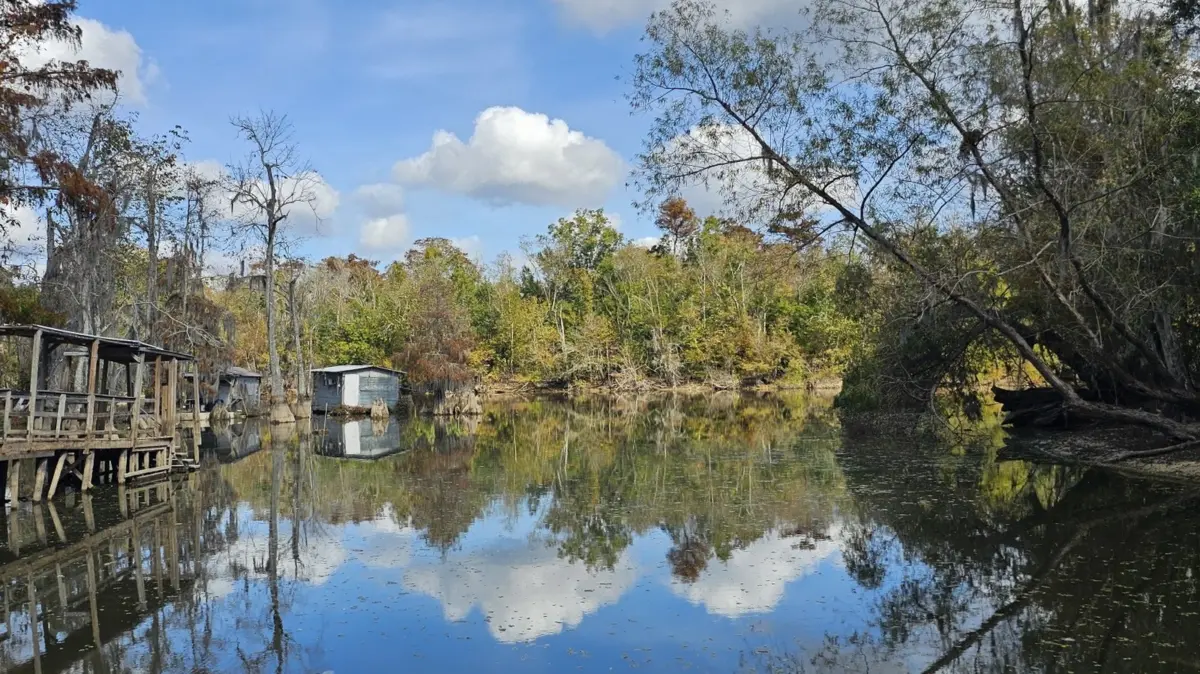
Deep within the alluvial plain of America’s southern gulf coast, the Pearl River Wildlife Management Area (WMA) stands as a monument to ecological resilience, biodiversity, and the enduring power of untamed wetlands. Encompassing more than 55 square miles of picturesque marshes, meandering bayous, and pristine bottomland hardwood forests, this protected sanctuary represents one of the most ecologically intact and visually stunning river swamp environments left in the United States.
Located just a short 45-minute drive—approximately 47 miles—northeast of New Orleans and less than an hour from Biloxi, Mississippi, the Pearl River WMA serves as an essential ecological buffer and a premier recreational destination. It bridges the gap between urban accessibility and profound wilderness immersion. Managed by the Louisiana Department of Wildlife and Fisheries (LDWF), the WMA offers a rare glimpse into the complex natural history of the Mississippi River delta system, providing critical habitats for hundreds of species of birds, mammals, reptiles, and aquatic life.
Yet, the significance of the Pearl River WMA extends far beyond its boundaries as a recreational playground for boaters, anglers, hunters, and campers. It is a dynamic, living laboratory where fragile ecosystems are continuously monitored and protected against the pressures of modern environmental change. From the legendary Honey Island Swamp at its northern tip to the sprawling estuarine marshes in the south, the reserve encapsulates the triumphs and challenges of wetland conservation in the 21st century. This report examines the rich history, ecological makeup, recreational frameworks, and future outlook of one of Louisiana’s most treasured natural resources.
Detailed Chronology: The Formation and Evolution of the Pearl River Basin
To understand the Pearl River Wildlife Management Area as it exists today, one must trace the geological and human history that shaped the lower Pearl River basin over millennia.
Geological Origins and Indigenous Stewardship
The landscape of the Pearl River WMA is the product of thousands of years of geological activity, shaped by the dynamic interplay of water, silt, and sediment deposition characteristic of Gulf Coast river systems. Long before European settlers arrived, the region was stewarded by Indigenous peoples, including the Choctaw and Bayougoula nations, who relied on the rich biodiversity of the river swamps for sustenance, trade, and navigation. The dense network of bayous and sloughs served as natural highways through a landscape that was otherwise heavily fortified by thick vegetation and seasonal flooding.
The Timber Era and Early Industrialization
By the late 19th and early 20th centuries, the vast cypress and hardwood forests of the Pearl River basin caught the attention of commercial timber barons. Vast stands of majestic bald cypresses—some centuries old—were systematically harvested to meet the booming national demand for rot-resistant lumber. This aggressive logging era permanently altered the structural composition of the swamp, leaving behind a scarred landscape characterized by abandoned log-boat channels and altered hydrological flows. However, the sheer density and inaccessibility of the deeper swamps spared portions of the ecosystem from total devastation, allowing resilient secondary-growth forests to take root over the subsequent decades.
Establishment of the Wildlife Management Area
Recognizing the urgent need to protect these vanishing wetlands from unchecked development and industrial exploitation, state conservationists and sportsmen advocated for public acquisition of the land. In the mid-to-late 20th century, the Louisiana Department of Wildlife and Fisheries officially established the Pearl River Wildlife Management Area.
The creation of the WMA shifted the paradigm from extraction to preservation and managed recreation. By consolidating ownership under state oversight, the LDWF laid the groundwork for systematic habitat restoration, wildlife population management, and regulated public access. Over the decades, infrastructure such as boat launches, primitive campsites, and boundary demarcations were introduced, transforming the remote swamp into a structured, accessible sanctuary for conservationists and outdoor enthusiasts alike.
Supporting Context & Metrics: Ecosystems, Biodiversity, and Infrastructure
The Pearl River WMA is not a monolithic landscape; rather, it is a complex mosaic of distinct ecological zones, each supporting specialized flora and fauna adapted to fluctuating water levels and rich alluvial soils.
Ecological Zones and Flora
Covering an expansive geographic footprint, the WMA transitions dynamically from elevated flat woodlands to water-logged cypress-tupelo swamps:
- Bottomland Hardwood Forests: Dominated by fragrant hickory, majestic magnolia, and various species of oak, these elevated areas provide crucial dry-ground refuges for terrestrial wildlife during seasonal high-water events.
- Bald Cypress Swamps: Featuring Louisiana’s state tree, the bald cypress, these areas are defined by towering canopies draped in Spanish moss and iconic "knees" protruding from the dark, slow-moving waters.
- Freshwater Marshes and Estuaries: Stretching toward the southern boundaries, these open aquatic zones blend freshwater inputs with tidal influences, creating highly productive nurseries for fish and crustaceans.
Avian and Terrestrial Biodiversity
The ecological health of the Pearl River WMA is perhaps best illustrated by its extraordinary avian diversity. Within the legendary Honey Island Swamp—situated at the northern tip of the reserve and named for the native honeybees that historically populated the hollows of ancient trees—researchers and birdwatchers have documented an astonishing 214 bird species.
- Raptors and Nesting Birds: The sanctuary is a critical stronghold for nesting raptors, including the elusive barred owl, the acrobatic swallow-tailed kite, and various species of hawks.
- Songbirds: Neotropical migrants, such as indigo buntings and summer tanagers, rely on the dense forest canopy during their biannual journeys.
- Terrestrial Mammals: The hardwood forests and swamp edges teem with white-tailed deer, wild turkeys, feral hogs, swamp rabbits, and furbearers such as otters, beavers, and bobcats.
- Reptiles and Amphibians: The native Pearl River map turtle (Graptemys pearlensis), an endemic species found only in the Pearl River drainage system, shares the waterways with American alligators, water snakes, and numerous amphibian species.
Infrastructure and Recreational Metrics
Managing a 55-square-mile wilderness area requires a delicate balance between public access and environmental protection. Key infrastructure metrics and access points include:
- Accessibility: Situated roughly 47 miles from New Orleans via Highway 90, the WMA offers multiple strategic boat launches, making water-based entry seamless for day-trippers and overnighters alike.
- Camping Facilities: Primitive camping is permitted within the reserve, most notably at Crawford’s Landing, which offers shaded sites beneath sprawling oak trees and immediate proximity to boat launches. For campers seeking modern amenities, fully serviced and rustic pull-through campgrounds are available a short drive away at Fontainebleau State Park.
- Permit Structures: To maintain ecological integrity and fund ongoing conservation efforts, the LDWF mandates that all visitors over the age of 18 engaging in fishing or hunting must possess a valid WMA access permit.
Official Statements and Conservation Management Perspectives
The management of a multi-use wildlife area like Pearl River requires constant vigilance, scientific research, and active stakeholder communication. State wildlife officials and environmental scientists emphasize the dual mandate of the WMA: fostering public recreation while safeguarding irreplaceable natural assets.
In recent policy briefings, representatives from the Louisiana Department of Wildlife and Fisheries have underscored the critical importance of habitat monitoring within the Pearl River basin. "Wetlands are our first line of defense against severe weather and coastal erosion, but they are also living museums of natural history," notes an internal LDWF conservation memo. "Our objective at Pearl River is to ensure that recreational access—whether through hunting, fishing, or eco-tourism—never compromises the ecological health of the native species that call these swamps home."
Environmental scientists monitoring the Honey Island Swamp have similarly highlighted the necessity of strict protections for the area’s core wilderness zones. Because Honey Island remains one of the least disturbed river swamps in the continental United States, it serves as a baseline benchmark for evaluating wetland degradation elsewhere in the Gulf region.
Furthermore, local conservation groups and tour operators emphasize the economic and educational value of responsible eco-tourism. Guided skiff tours, operating multiple times daily, provide visitors with firsthand interpretations of swamp ecology, demystifying the complex food webs and hydrological cycles that sustain the region. By engaging the public directly, authorities hope to cultivate a new generation of stewards dedicated to preserving Louisiana’s vanishing coastal wetlands.
Future Outlook: Challenges, Conservation, and Sustainable Recreation
Looking ahead, the Pearl River Wildlife Management Area faces a complex matrix of environmental, climatic, and anthropogenic challenges that will test the resilience of both the landscape and its managers.
Climate Change and Hydrological Pressures
Rising sea levels, altered precipitation patterns, and increased frequency of severe tropical weather events pose significant long-term threats to the Pearl River basin. Saltwater intrusion—exacerbated by upstream channelization and industrial modifications—represents an ongoing danger to freshwater flora, potentially converting diverse cypress-tupelo swamps into degraded marshlands. Wildlife managers are actively engaged in hydrological restoration planning to maintain optimal freshwater flows and mitigate the impacts of storm surges.
Balancing Public Access with Conservation
As urban populations in neighboring metropolitan areas expand, the demand for accessible outdoor recreation is projected to increase. Balancing this surge in foot and boat traffic with the biological carrying capacity of the WMA will require adaptive management strategies. This includes enhanced trail maintenance, stricter enforcement of anti-littering and anti-poaching regulations, and expanded digital check-in/check-out systems administered by the LDWF to accurately track visitor usage and wildlife harvest rates.
The Role of Community Engagement and Education
Ultimately, the long-term preservation of the Pearl River WMA depends on public appreciation and advocacy. Programs that connect urban youth and travelers with the wonders of the southern wetlands—ranging from low-impact kayaking excursions to guided birdwatching tours—foster a deep-seated personal connection to the land.
As the state of Louisiana continues to invest in comprehensive coastal and inland wetland restoration initiatives, the Pearl River Wildlife Management Area stands ready to serve as a beacon of ecological endurance. By harmonizing rigorous scientific management with sustainable public recreation, the WMA ensures that future generations will still be able to paddle through the silent, moss-draped bayous, listen to the haunting calls of barred owls at dusk, and witness the timeless beauty of America’s wild southern swamps.