







Executive Overview
As the autumn air grows crisp and the final days of October draw near, cultures around the globe brace for a collective plunge into the macabre. October 31—traditionally observed as All Hallows’ Eve—marks the ancient threshold of a three-day Christian festival of the dead. Its roots, however, stretch far deeper into human history, weaving through the agrarian rites of pagan antiquity. What began as a solemn spiritual commemoration of mortality and the afterlife has, over centuries, been secularized into a modern cultural phenomenon defined by sweet confections, elaborate disguises, and an enduring fascination with things that go bump in the night.
Yet, beneath the plastic skeletons and commercialized frights of contemporary Halloween lies a persistent psychological reality. Statistical data from sociological researchers in both the United Kingdom and the United States reveals that roughly one-third of the general population maintains an active belief in ghosts and paranormal phenomena. For this significant demographic, a night spent within the confines of a notoriously haunted house or an abandoned asylum is an exercise in genuine terror.
However, even the most dedicated skeptics are rarely immune to the primal, atmospheric dread generated by certain geographical locations. The instinctive sensation of being watched while navigating a dense, fog-choked forest; the sudden realization that one is not alone on warped, creaking floorboards; or the sharp flash of lightning that illuminates the terrifying depths of surrounding shadows—these moments trigger universal biological responses. When curated within the right environment, this visceral chill transforms from anxiety into exhilarating entertainment.
This report investigates ten of the most chilling, historically oppressive, and purportedly haunted destinations across the globe. Ranging from restricted Venetian isles scarred by plagues to subterranean vaults echoing with Victorian misery, these sites offer the ultimate itinerary for a harrowing Halloween getaway. Some are steeped in authenticated historical tragedies, while others thrive on the rich folklore of the supernatural. Regardless of the rumors that precede them, each location possesses an innate, bone-chilling atmosphere that requires no embellishment to disturb the senses.
Detailed Chronology: A Historical Timeline of Haunted Places
To fully comprehend the weight of these macabre destinations, one must examine the temporal layers of human suffering, architectural ambition, and cultural lore that bind them to the present day.
- 1278: An abbot travels to the Holy Land and returns to Kutná Hora, Czech Republic, scattering sacred soil from Jerusalem over a local monastic site. This gesture transforms the plot into a deeply coveted burial ground, planting the seeds for the future Sedlec Ossuary.
- 1298: King Edward I pauses at Chillingham Castle in Northumberland, England, before marching north to confront Scottish freedom fighter William Wallace in battle, embedding the fortress into the violent annals of medieval warfare.
- 14th Century: The natural islands and man-made octagons of Poveglia in the Venetian lagoon begin their centuries-long association with isolation and quarantine, eventually housing victims of the devastating European plagues.
- 1462: Vlad the Impaler—the 15th-century Transylvanian prince who would centuries later inspire Bram Stoker’s literary creation—is historically documented as being briefly imprisoned within the stony dungeons of Bran Castle.
- 1718: Philip, Duke of Wharton, a close confidant of King George I, founds the original Hellfire Club in London, establishing a precedent for elite, counter-cultural societies marked by secret rituals.
- 1740: Sir Francis Dashwood commissions the excavation of the chalky subterranean tunnels beneath West Wycombe, Buckinghamshire, creating the infamous meeting place for the Knights of St. Francis (later known as the Hellfire Caves).
- Late 18th Century: The South Bridge vaults are constructed beneath the newly engineered streets of Edinburgh, Scotland, initially designed as commercial workshops before rapidly deteriorating into squalid, disease-ridden slums and hiding spots for body snatchers.
- 1909: The opulent, colonial-revival Stanley Hotel opens its doors high in the Rocky Mountains of Estes Park, Colorado, setting the stage for a century of reported paranormal disturbances and legendary literary inspiration.
- Mid-20th Century: Don Julian Santana Barrera relocates to an isolated island in the wetlands south of Mexico City, initiating his macabre lifelong campaign to collect and display decaying dolls to appease the spirit of a drowned child.
- 1974: Horror novelist Stephen King spends a fateful night in Room 217 of the Stanley Hotel, experiencing a terrifying nightmare about a fire hose that directly inspires his seminal masterpiece, The Shining.
Supporting Context & Metrics: The Anatomy of Fear
Understanding why humans travel vast distances to court terror requires an examination of demographic metrics, historical documentation, and environmental psychology.
Public Perception and Paranormal Beliefs
According to recent cultural data compiled by research institutions such as Gallup, approximately 33% of adults in the United States and the United Kingdom express a firm belief in ghosts and paranormal entities. This statistical baseline ensures a multi-billion-dollar tourism market centered around dark heritage sites, ghost walks, and immersive historical tours.
Architectural Scales of Terror
The destinations featured in this investigation span drastically different geographical and structural footprints, each contributing to its unique brand of psychological oppression:
| Destination | Location | Primary Historical Era | Defining Feature |
|---|---|---|---|
| Poveglia Island | Venice, Italy | 14th–20th Century | Quarantined plague island and former psychiatric facility. |
| Bran Castle | Transylvania, Romania | 14th Century | Medieval fortress linked to Vlad the Impaler and Bram Stoker. |
| Edinburgh Vaults | Scotland, U.K. | Late 18th Century | Subterranean stone chambers beneath city bridges. |
| Sedlec Ossuary | Kutná Hora, Czech Rep. | 14th–19th Century | Chapel decorated with the skeletal remains of 40,000 individuals. |
| Hellfire Caves | Buckinghamshire, U.K. | 18th Century | Man-made chalk tunnels used for clandestine, hedonistic societies. |
| Island of the Dolls | Xochimilco, Mexico | 20th Century | Isolated wetland sanctuary draped in thousands of decomposing dolls. |
| Bhangarh Fort | Rajasthan, India | 17th Century | Expansive ruined royal city legally restricted after sunset. |
| Hoia Forest | Cluj-Napoca, Romania | Ancient–Modern | Geographically anomalous woodland famed for warped trees and UFO lore. |
| Chillingham Castle | Northumberland, U.K. | 12th Century | Extensively preserved medieval stronghold with documented dark tourism appeal. |
| The Stanley Hotel | Colorado, U.S. | 20th Century | Historic mountain resort immortalized by modern horror literature. |
Detailed Global Destinations: A Comprehensive Survey
1. Poveglia Island, Italy: The Forbidden Lagoon of the Damned
Lists of the world’s most haunted places are perpetually crowded with crumbling castles, fog-swept medieval fortresses, and wind-whipped woodlands. Rarely, however, does an entire island earn a blanket designation as a hotbed of ghoulish activity. Nestled deep within the Venetian lagoon, Poveglia is widely regarded as one of the most forbidden islands on Earth.
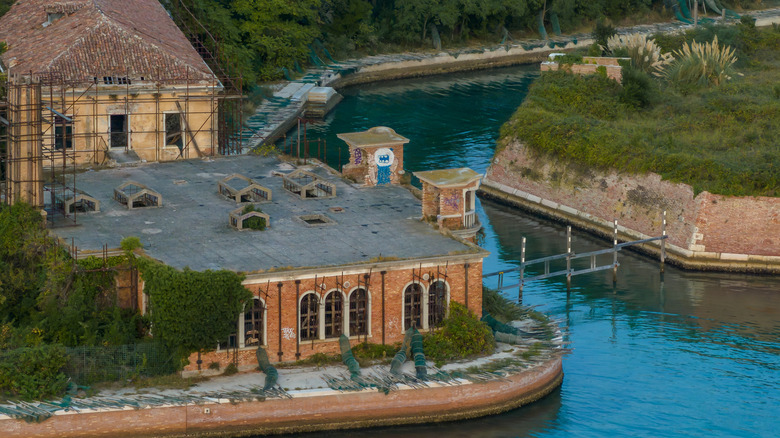
Comprising three distinct landmasses—including a 14th-century southern octagon—Poveglia served as a dumping ground for those suspected of carrying the plague into Venice. Abandoned to their fates, victims were quarantined, and local folklore insists that portions of the island’s soil are composed entirely of human ash. Later, a psychiatric hospital was erected on the site; local legend maintains that the chief physician was driven to madness by the tormented spirits before plunging from the towering bell tower into the rolling fog below. Because public access is strictly forbidden without rare governmental permits, viewing the decaying, foliage-choked ruins from the water at dusk offers an unforgettable brush with mortality.
2. Castle Dracula (Bran Castle), Transylvania, Romania
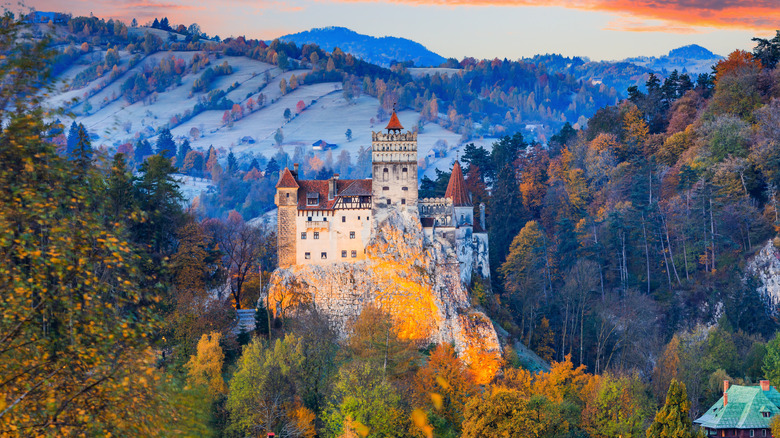
Situated roughly 110 miles north of Bucharest, the fairy-tale town of Brasov serves as an affordable gateway into the deeply forested hills of Transylvania. Just a thirty-minute drive to the southwest lies Bran Castle, internationally famous as Dracula’s Castle.
From a historical standpoint, the fictional vampire created by Bram Stoker did not reside here, nor did the real-life Vlad the Impaler permanently own the fortress. However, historical records confirm that Vlad may have been briefly imprisoned within its subterranean dungeons in 1462, and the fortress’s imposing architecture matches Stoker’s literary descriptions with uncanny precision. Featuring labyrinthine secret passages, medieval courtyards, and chilling torture chambers, Bran Castle hosts an exclusive, highly sought-after Halloween night event that allows brave visitors to tour the grounds deep into the witching hours while wolves howl in the surrounding Carpathian forests.
3. The South Bridge Catacombs, Edinburgh, Scotland
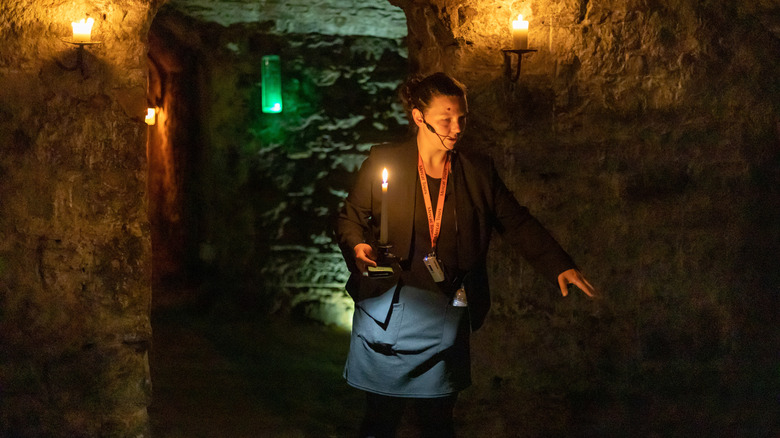
While Edinburgh boasts picturesque cobblestone streets, iconic castle vistas, and a rich literary heritage, its true terrors lie buried beneath the modern pavement. The South Bridge vaults, constructed near the end of the 18th century, were originally built as subterranean workshops and storage spaces beneath a soaring stone bridge.
As businesses fled the damp, windowless environment, the vaults were swiftly co-opted by Edinburgh’s destitute population, transforming into a festering underworld of crime, illegal whiskey stills, and body snatching. Today, guided ghost tours navigate the pitch-black corridors of the Blair Street underground, where visitors frequently report encounters with "Mr. Boots"—a towering phantom clad in a blue raincoat and faded leather boots who allegedly commands intruders to leave. Physical anomalies, unexplained skin markings, and sudden drops in temperature make a midnight descent into these caverns an exceptionally hazardous undertaking for the faint of heart.
4. Sedlec Ossuary at Kutná Hora, Czech Republic
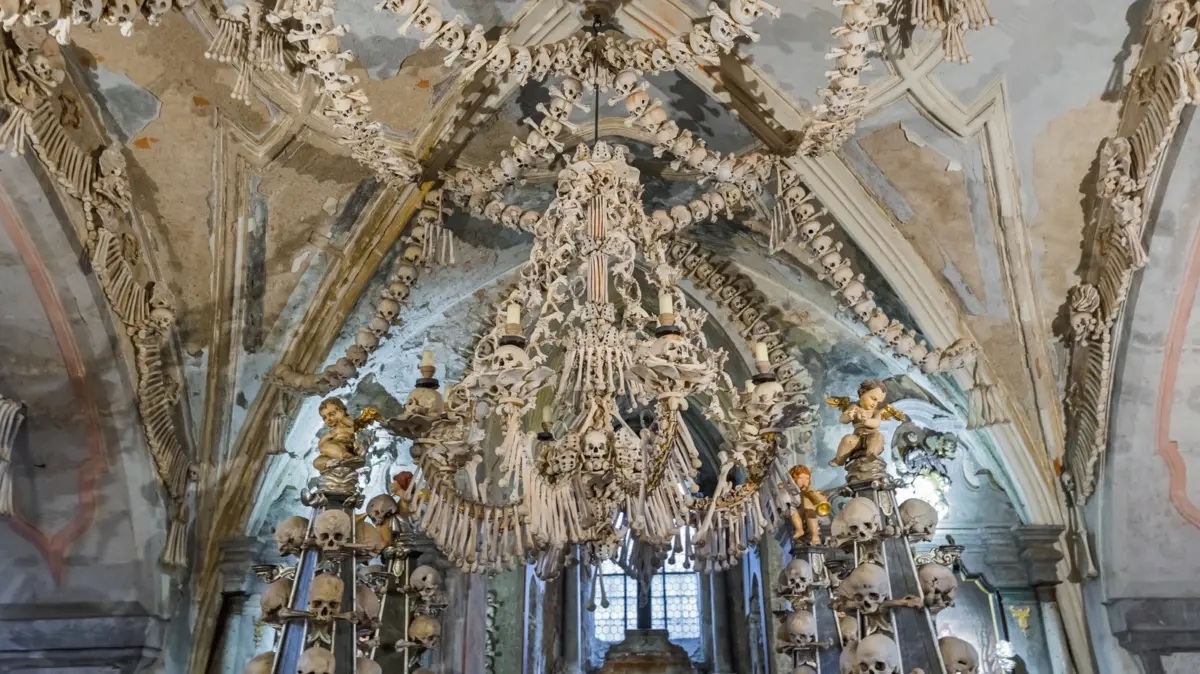
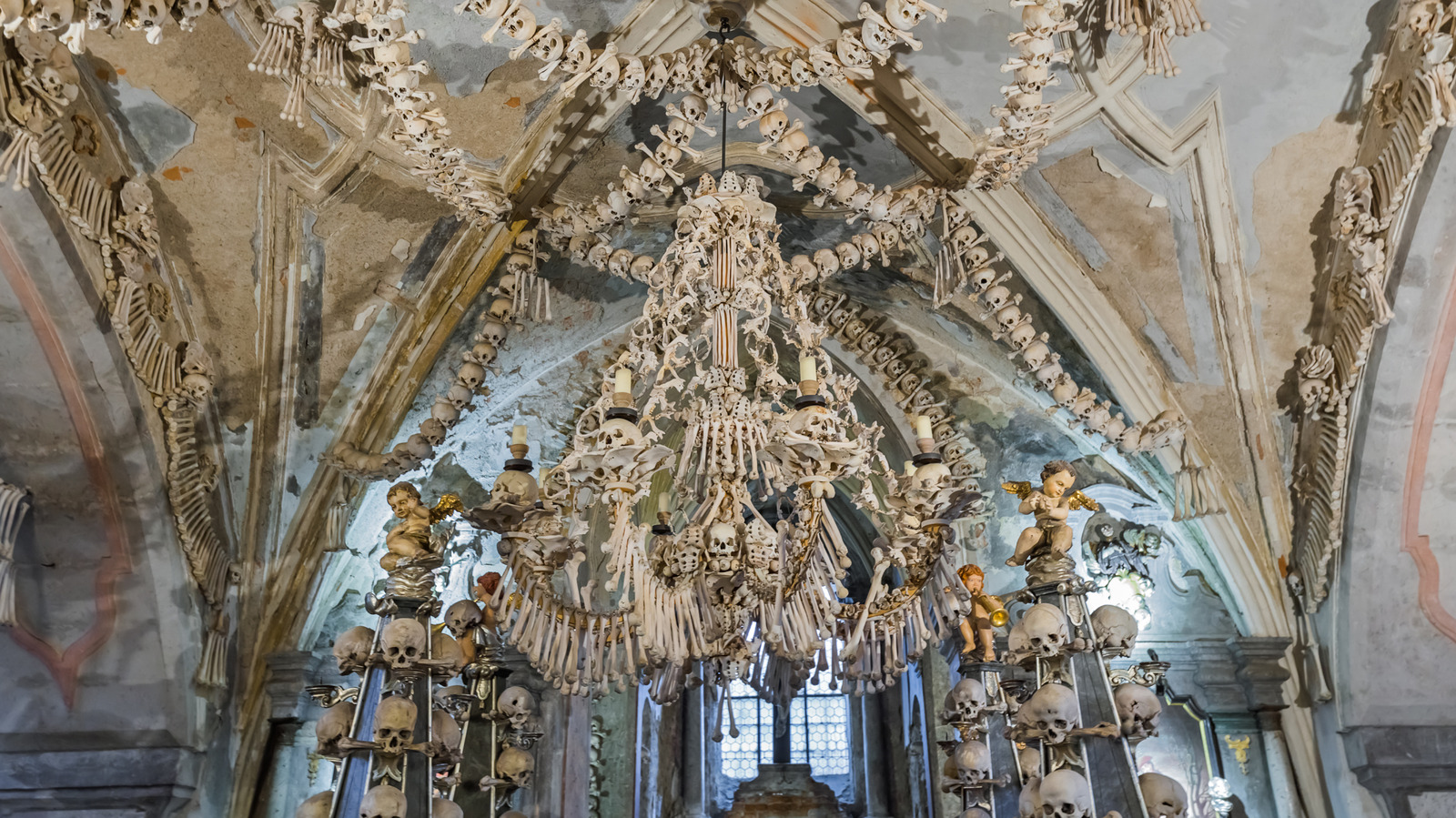
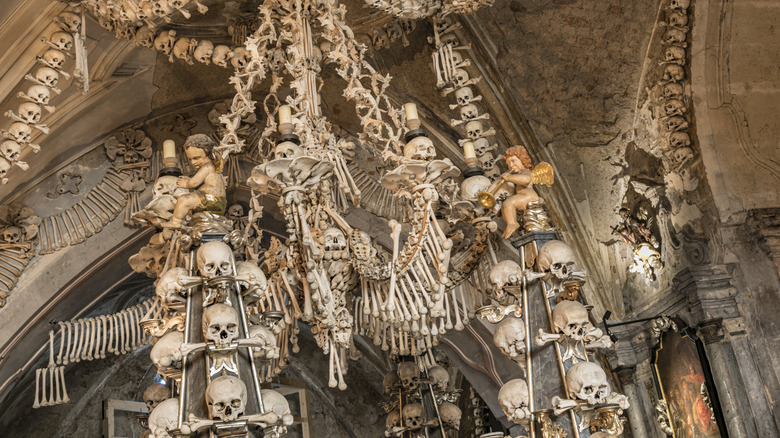
Located approximately 50 miles east of Prague, the tranquil UNESCO World Heritage town of Kutná Hora houses one of the most macabre artistic achievements in human history. The Sedlec Ossuary is a small Roman Catholic chapel adorned with the authentic skeletal remains of roughly 40,000 individuals.
The tradition began in 1278 when an abbot scattered sacred soil from Jerusalem across the graveyard. Following centuries of plagues and the devastating Hussite Wars of the 15th century, exhumed bones overwhelmed the cemetery. Master woodcarver and carpenter František Rint was subsequently commissioned to orchestrate the remains into astonishing decorative elements. Visitors are met with massive bone chandeliers, intricate family crests fashioned from skulls, and cascading festoons of femurs and ribs. While consecrated as a holy site devoid of traditional haunting legends, the profound, unyielding aura of mortality hangs heavily over every arched ceiling.
5. Hellfire Caves, Buckinghamshire, England
Tucked away beneath the rolling chalk hills of West Wycombe, the Hellfire Caves present a startling contrast to the idyllic market towns of rural Buckinghamshire. Excavated in the mid-18th century by Sir Francis Dashwood, these expansive subterranean chambers served as the clandestine meeting place for the Knights of St. Francis—a notorious brotherhood of aristocrats, politicians, and intellectuals (including founding father Benjamin Franklin) dedicated to hedonistic revelry and unorthodox philosophies.
The dimly lit, low-ceilinged tunnels open periodically into vast subterranean halls where rumors of black magic and satanic rituals have persisted for centuries. Modern management capitalizes on this dark heritage by hosting adult-only Halloween events featuring immersive mood lighting, live-action scare actors, and authorized late-night paranormal investigations that probe the deepest recesses of the chalk labyrinth.
6. Island of the Dead Dolls (Isla de las Muñecas), Mexico
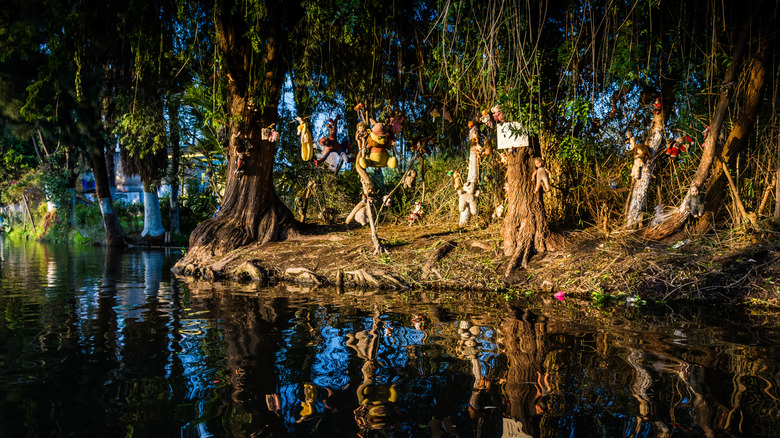
Located within the murky wetlands south of Mexico City, the Island of the Dolls is an arresting, dystopian landscape. Initiated by a hermit named Don Julian Santana Barrera—who spent decades retrieving discarded, decaying dolls from local canals to appease the tortured spirit of a drowned girl he allegedly discovered—the island is entirely festooned with thousands of plastic children’s toys.
Dolls missing eyes, limbs, and scalps hang suspended from twisting branches and rotting fences, creating an unnerving visual tableau. Local boatmen and adventurous tourists whisper tales of the dolls whispering amongst themselves or shifting their glass gazes as outsiders navigate the narrow waterways. Though Barrera passed away in 2001 under eerily symmetrical circumstances near the water’s edge, his monument to the supernatural remains one of Latin America’s most disturbing pilgrimage sites.
7. Bhangarh Fort, Rajasthan, India
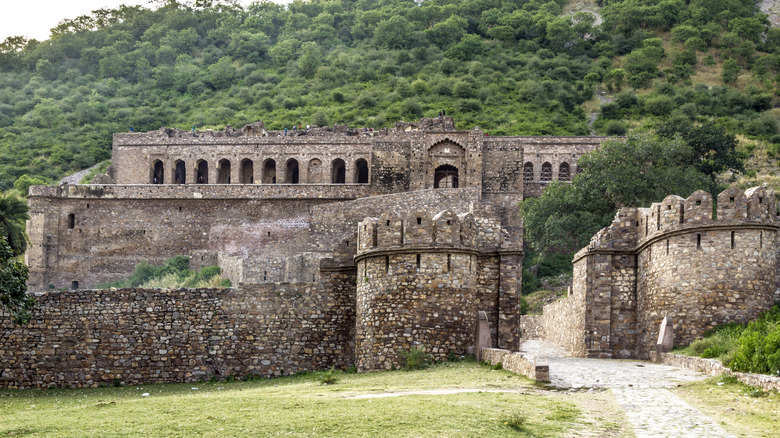
Amidst a nation teeming with vibrant spiritual traditions and ancient mysticism, Bhangarh Fort stands out as a unique monument to fear. Erected in the late 17th century in the state of Rajasthan, the sprawling royal complex was entirely abandoned during the 19th century.
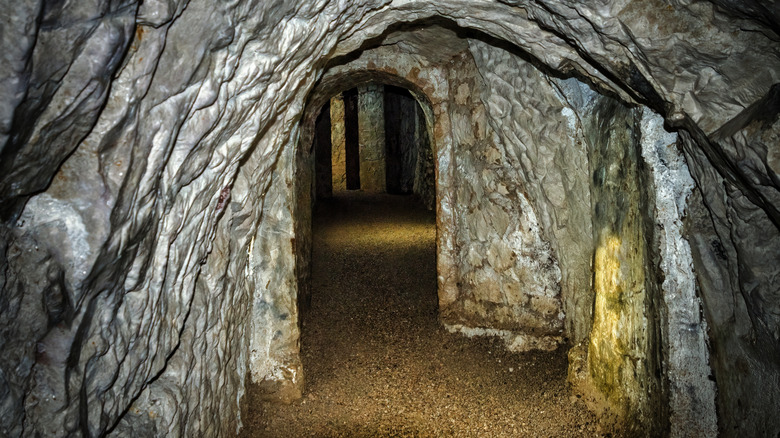
Local folklore attributes the desertion to a furious curse cast by an ascetic holy man whose meditation space was plunged into shadow by the fort’s expanding walls, or alternatively, by a rejected wizard seeking vengeance against a local princess. So pervasive is the belief that vengeful spirits roam the ruins after dark that the Archaeological Survey of India has erected official signage explicitly forbidding human entry to the complex between sunset and sunrise.
8. Hoia Forest, Cluj-Napoca, Transylvania, Romania
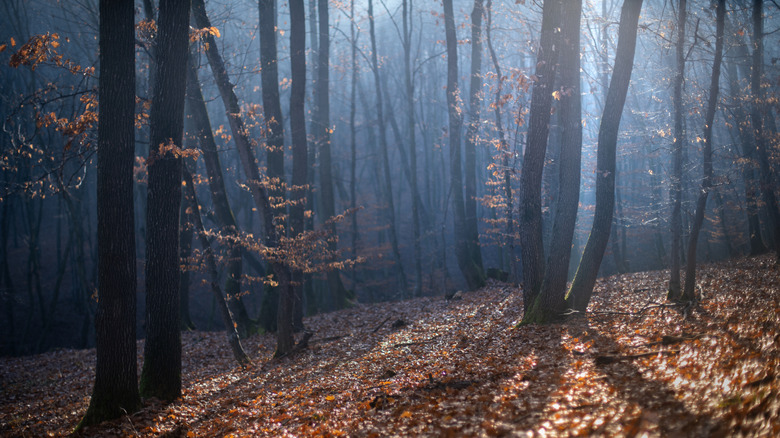
Widely dubbed the "Bermuda Triangle of Transylvania," the Hoia Forest near Cluj-Napoca is a sprawling patch of ancient woodland characterized by profound ecological and paranormal anomalies. While the city itself ranks among Europe’s premier destinations for scenic autumn travel, the forest inspires acute terror among local populations.
The woodland is globally famous for its unnaturally warped, twisting tree trunks that project writhing silhouettes against the night sky. Visitors frequently document sudden physical ailments, including unexplained rashes, intense nausea, and electromagnetic equipment failures. At the geographic center of the forest lies a perfectly circular clearing where vegetation stubbornly refuses to grow—a natural mystery that has repeatedly attracted UFO researchers, occult investigators, and fearless thrill-seekers.
9. Chillingham Castle, Northumberland, England
Situated just 20 miles south of the Scottish border, Chillingham Castle is a remarkably preserved 12th-century stronghold that doubles as one of the United Kingdom’s most active hotbeds of supernatural activity. Having hosted monarchs such as King Edward I and King Charles I during periods of intense national conflict, the castle’s stone walls are saturated with centuries of trauma.
Visitors touring the castle after dark regularly encounter the "Blue Boy," a spectral child whose skeletal remains—wrapped in tattered blue fabric—were discovered within a structural wall during 1920s renovations. Other documented phenomena include the phantom footsteps of Lady Mary Berkley wandering the halls and the heavy, oppressive atmosphere lingering within the castle’s medieval torture chambers, where swinging chandeliers and unseen brushes against visitors’ skin are routinely reported.
10. The Stanley Hotel, Estes Park, Colorado, U.S.
Perched high among the majestic peaks of the Rocky Mountains, the historic Stanley Hotel opened its doors in 1909 as a beacon of colonial-revival elegance. However, its enduring global fame stems from a single autumn night in 1974 when horror author Stephen King and his wife checked into Room 217.
Following a harrowing nightmare involving his young son being chased by a fire hose, King conceptualized the framework for The Shining. While ongoing reports of disembodied voices and phantom piano music keep paranormal enthusiasts engaged year-round, the hotel fully embraces its literary legacy every October by hosting the annual "Shining Ball." This premier masquerade gala combines high-end costumed revelry with the distinct, electrifying possibility of encountering a specter in the historic hallways.
Official Statements & Expert Perspectives
The intersection of dark tourism, historical preservation, and supernatural lore continues to draw commentary from cultural authorities, paranormal researchers, and tourism boards worldwide:
- Dr. Elizabeth Vance, Cultural Anthropologist: "Dark tourism is not merely about seeking out fear; it is an active mechanism of historical engagement. When individuals walk through the South Bridge vaults or the Sedlec Ossuary, they are physically confronting the collective trauma of our ancestors. Halloween provides a culturally sanctioned container for processing these deep-seated anxieties surrounding mortality."
- Management Board, Bran Castle Historical Association: "While the commercial association with Bram Stoker’s vampire is undeniable, our primary mission remains educational. We strive to balance the rich medieval history of Vlad the Impaler and the royal lineage of Queen Marie with the undeniable atmospheric magic that draws hundreds of visitors to our gates every autumn."
- Archival Preservationist, Sedlec Ossuary: "The human remains within this chapel are treated with the utmost dignity and historical reverence. They are not theatrical props; they are the physical records of fellow human beings who survived plagues and religious warfare. Their transformation into sacred art reminds every visitor of the transient nature of mortal life."
Future Outlook: The Evolution of Dark Tourism and Halloween Getaways
As the global travel industry continues to evolve, the appetite for immersive, historically grounded dark tourism is projected to expand significantly. Modern travelers increasingly reject sanitized resort experiences in favor of destinations that offer authentic historical weight, psychological depth, and visceral environmental engagement.
Looking ahead, destinations such as Poveglia Island, the Edinburgh Vaults, and the Hoia Forest are expected to implement more sophisticated visitor management frameworks to balance cultural preservation with public safety. Virtual and augmented reality integrations may soon allow remote enthusiasts to safely explore restricted zones like Poveglia or Bhangarh Fort after dark, broadening the accessibility of these macabre landscapes.
Nevertheless, physical travel to these haunted strongholds will remain the gold standard for thrill-seekers. Whether navigating the doll-strewn canals of Xochimilco or walking the creaking corridors of Chillingham Castle, the human drive to confront the unknown—especially under the pale autumn moon of late October—ensures that these shadowed corners of the world will continue to captivate, terrify, and inspire for generations to come.