








Executive Overview
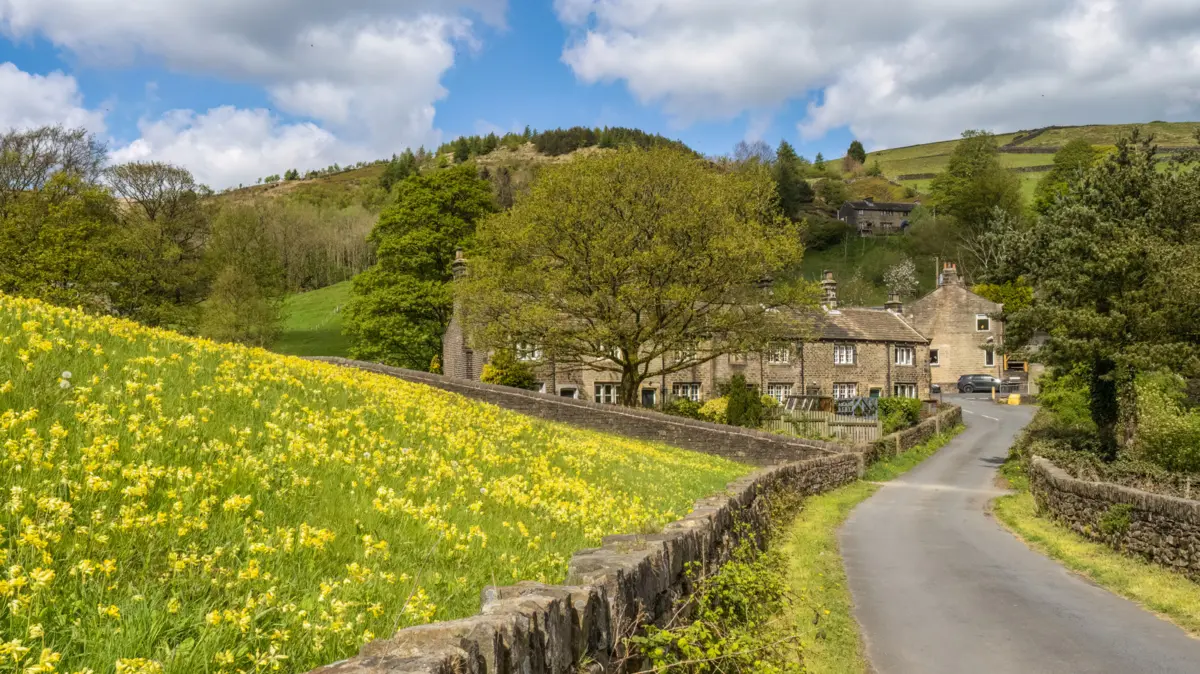
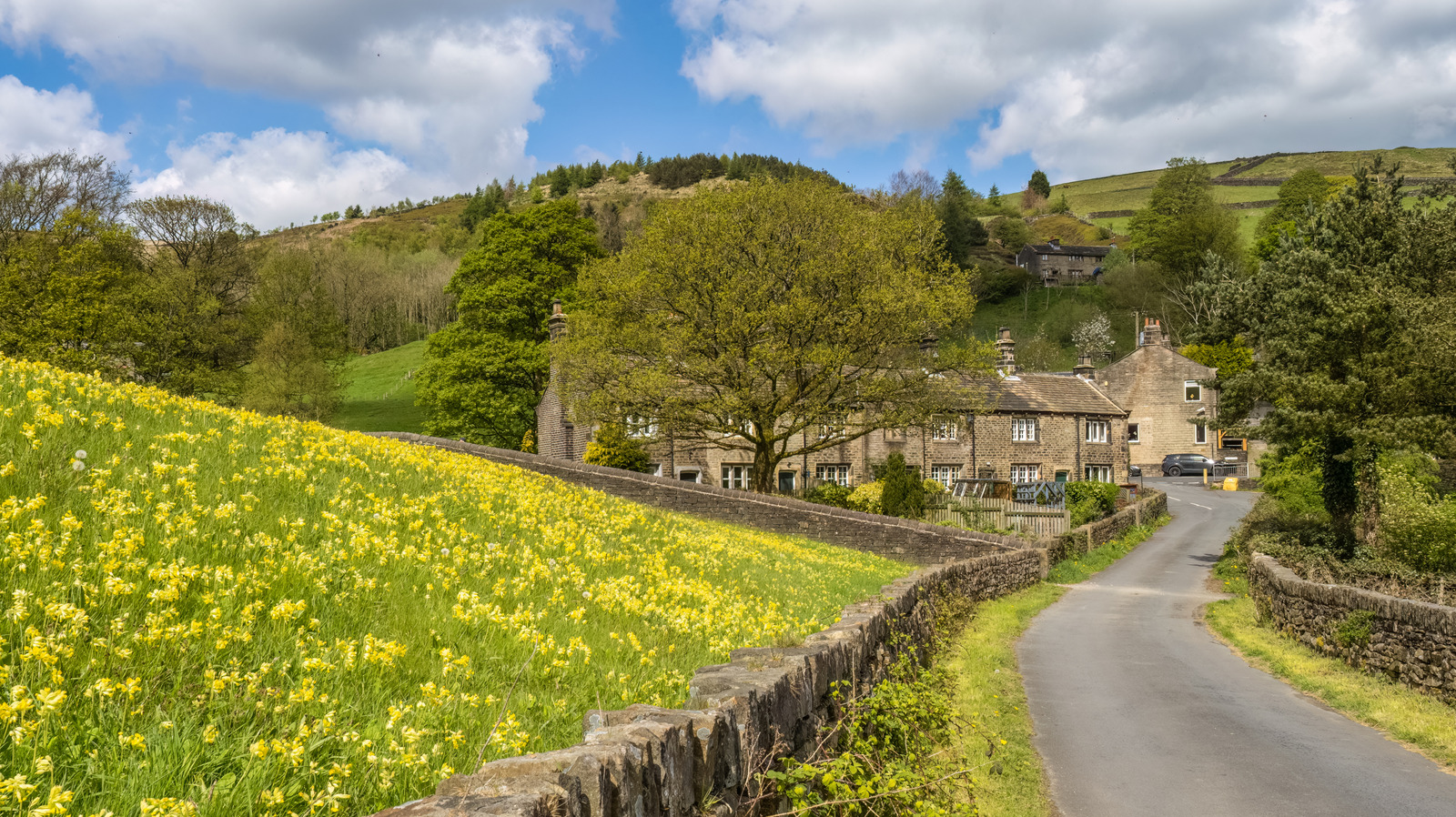
Tucked into the rugged contours of the South Pennines just beyond the northern fringe of the Peak District, the West Yorkshire village of Marsden presents a compelling study in contrasts. Situated approximately halfway between the industrial and cultural powerhouses of Manchester and Leeds—each reachable by a drive of less than an hour—Marsden maintains the steadfast character of an isolated moorland settlement. Straddling the banks of the River Colne, the village merges the sounds of a rushing river and abundant wildlife with a tight-knit commercial core defined by independent enterprise, historic stone architecture, and a deep-rooted cultural calendar.
While international travelers frequently flock to the limestone caverns and tree-tufted hills of the broader Peak District proper, Marsden serves as a gateway to an equally atmospheric, though distinctly wilder, landscape. Bordered by the 5,000-acre Marsden Moor Estate—managed by the National Trust—the village offers a seamless transition from traditional high street commerce to vast, heather-draped uplands.
This comprehensive review examines Marsden’s unique position as a rural destination bridging two major urban centers. It details the village’s thriving independent retail scene, analyzes the ecological and historical significance of the surrounding moorlands, and provides an authoritative guide for travelers seeking an authentic immersion into West Yorkshire’s cultural and natural heritage.
Detailed Chronology & Historical Context
To understand the architecture and layout of modern Marsden, one must examine the forces that shaped its development from a scattering of medieval agrarian settlements into a bustling hub of the Industrial Revolution, and subsequently into a contemporary haven for remote workers, artists, and outdoor enthusiasts.
Early Foundations and the Industrial Transformation
Long before the arrival of the textile mills that would define its Victorian footprint, the upper Colne Valley was characterized by isolated farming communities and sheep grazing on the high moors. The geography—defined by steep-sided valleys (cloughs) and fast-flowing water—dictated early settlement patterns.
By the late 18th and early 19th centuries, the Industrial Revolution transformed Marsden utterly. The introduction of water power, and later steam power, turned the River Colne into a dynamic engine of textile production. Mills sprang up along the valley floor, spinning wool and cotton, while stone terraced housing climbed the hillsides to accommodate the influx of mill workers.
A monumental engineering feat of this era was the construction of the Standedge Tunnels—a series of parallel tunnels piercing the Pennine ridge to carry the Huddersfield Narrow Canal and, later, the railway between Manchester and Leeds. Completed in the early 19th century, the canal tunnel stands as the longest, highest, and deepest canal tunnel in the United Kingdom. It required the labor of thousands of navvies, many of whom settled in the area, permanently altering the demographic and structural makeup of Marsden.
Post-Industrial Transition to Heritage Tourism
As the British textile industry declined in the latter half of the 20th century, Marsden faced the economic restructuring common across northern England. Many of the historic mills were either demolished, converted into modern industrial units, or repurposed for residential and commercial ventures.
Rather than succumbing to terminal economic stagnation, Marsden leveraged its striking natural backdrop and architectural heritage. The preservation of its 19th-century stone cottages, the revitalization of its canal infrastructure, and the protection of the surrounding moorlands by conservation bodies transformed the village into a destination for day-trippers, hikers, and cultural tourists. Today, the village functions as a living museum of industrial-era architecture interwoven with a progressive, independent-minded community spirit.
Supporting Context & Metrics
Evaluating Marsden requires analyzing the geographic, infrastructural, and economic metrics that define visitor experiences and local preservation efforts.
Geographic and Logistical Metrics
- Distance to Major Hubs: Approximately 20 miles southwest of Leeds and 20 miles northeast of Manchester. Both cities are accessible via direct rail links on the TransPennine Express line or via a drive of roughly 45 to 50 minutes, depending on traffic conditions through the Pennine passes.
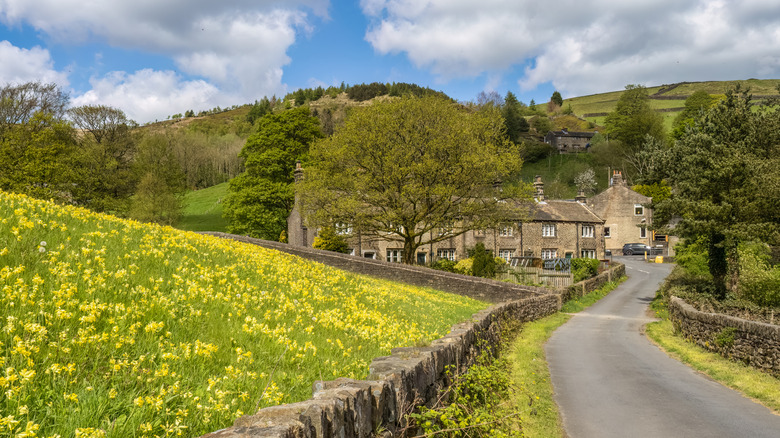
- Elevation and Terrain: The village center sits at roughly 150 meters (490 feet) above sea level, while the surrounding moorlands rise steeply to over 450 meters (1,475 feet), exposing visitors to rapid weather shifts characteristic of upland British environments.
- The Marsden Moor Estate: Comprising roughly 5,000 acres of protected moorland, the estate acts as a vital carbon sink, a catchment area for local water supplies, and a crucial habitat for upland bird species.
The Retail Ecosystem: Independent Commerce on Peel Street
Marsden’s commercial strategy relies heavily on independent entrepreneurship rather than corporate chains. The economic engine of the village centers around Peel Street and the immediate surrounding lanes, where specialized retailers cater to both locals and regional visitors.
- Hárd (Leather Workshop and Store): Established in 2011 as an online boutique repairing vintage leather flasks, this brick-and-mortar operation represents the modern artisanal shift in rural West Yorkshire. The shop offers locally crafted leather goods—including wallets, notebook covers, belts, and bespoke guitar straps—alongside personalized engraving services.
- A New Leaf (Bookshop and Community Hub): Originating in the neighboring village of Slaithwaite, the Marsden branch on Peel Street functions as an experiential bookstore. Beyond stocking general fiction, children’s literature, and local interest titles, the space operates as a community lounge, offering seating areas and serving wine, craft cocktails, and light snacks.
- Bits and Pieces and The Cuckoo’s Nest: Highlighting the village’s commitment to sustainable, circular economies, these establishments offer ladies’ apparel, handmade textiles, and charity-driven miscellany. The Cuckoo’s Nest operates dual storefronts splitting donated literature from household accessories and ornaments, directly funding community initiatives.
Official Statements & Conservation Perspectives
The management of Marsden’s natural and cultural assets involves close coordination between local authorities, community organizations, and heritage agencies such as the National Trust.
National Trust Stewardship on Marsden Moor
The preservation of the fragile peat moorlands surrounding Marsden is a matter of ongoing ecological urgency. Speaking on the environmental management of the estate, National Trust conservation leads have frequently emphasized the vulnerability of the landscape to climate shifts and wildfire risks.
"Marsden Moor is not merely a scenic backdrop for weekend ramblers; it is a complex, living ecosystem that stores vast amounts of carbon and manages water runoff for the valleys below," noted a senior National Trust countryside manager during a recent habitat restoration briefing. "Our ongoing bog restoration work—involving the re-wetting of degraded peat and the planting of thousands of native trees in the cloughs—is essential for safeguarding this landscape against future climate extremes while preserving its rich archaeological heritage."
Cultural Preservation and Community Identity
Local civic associations and festival organizers point to events like the Marsden Jazz Festival as vital manifestations of the village’s cultural autonomy. Running for over three decades, the festival draws thousands of visitors annually, utilizing unconventional venues ranging from parish churches and Victorian mills to outdoor towpaths.
Festival directors have consistently highlighted the collaborative nature of the event: "Marsden has a rare capacity to blend industrial heritage with avant-garde culture. The festival thrives because the entire village opens its doors—transforming local spaces into stages and welcoming artists and audiences from across the globe into the heart of the Pennines."
Future Outlook & Visitor Guidance
As domestic and international tourism increasingly prioritizes sustainable travel, slow tourism, and outdoor recreation, Marsden is positioned for steady, managed growth.
Infrastructure and Sustainable Tourism
Local stakeholders are currently focused on balancing visitor influx with ecological preservation. Key initiatives include:
- Public Transit Integration: Encouraging visitors to utilize the Marsden railway station—situated directly on the mainline between Manchester and Leeds—to reduce vehicular congestion on narrow Pennine lanes.
- Trail Maintenance: Expanding wayfinding signage across the 5-mile Marsden Moor and March Haigh Reservoir Circular and the more rigorous 14.5-mile Marsden to Greenfield route to prevent soil erosion and protect nesting habitats for ground-nesting birds such as the curlew and golden plover.
- Heritage Tourism Expansion: Developing interpretive trails that link industrial archaeological sites—such as the abandoned ruins of Dowry Castle and the massive engineering works of the Standedge canal infrastructure—with guided walks offered through the National Trust events calendar.
Recommendations for the Traveler
For those planning an excursion to this West Yorkshire enclave, a balanced itinerary should combine cultural exploration with outdoor preparedness. Visitors are advised to rent a vehicle if exploring remote trailheads, though the village center itself is entirely pedestrian-friendly. Due to the unpredictable nature of Pennine weather—where sudden mists and rain showers can sweep across the heather within minutes—sturdy footwear, waterproof outerwear, and navigational tools are mandatory when venturing beyond the village boundaries.
By maintaining its distinct architectural identity, supporting independent artisans, and safeguarding its dramatic moorland perimeter, Marsden offers a blueprint for how historic northern villages can thrive in the 21st century without sacrificing the authentic rural character that defines them.