










By Global Aviation Desk
Published: November 2024
Executive Overview
When an airline announces a new route, it is rarely a spur-of-the-moment gamble. By the time a destination moves from an economic planning spreadsheet onto the departure boards, it represents the culmination of months—sometimes years—of meticulous market research, yield management modeling, fleet optimization, and high-stakes capital allocation. Launching a single intercontinental route can cost tens of millions of dollars in marketing, ground handling contracts, slot acquisitions, and crew training. Not all of them will succeed; the graveyard of aviation history is littered with bold city pairings that looked brilliant on paper but withered under the harsh light of load factors and yield pressures.
As the global aviation industry heads into the final quarter of the year, a fascinating roll call of new routes is taking flight. These additions offer a masterclass in modern airline strategy, revealing precisely where network planners see resilient consumer demand, shifting corporate pockets, and untapped leisure niches.
From North American carriers deploying widebody aircraft to snowy northern Japanese hubs, to European operators mirroring Turkish Airlines’ daring one-stop playbook to the edge of the Southern Hemisphere, and U.S. mega-carriers testing high-stakes corridors in the Middle East, the fourth-quarter schedule is anything but conventional. This report investigates the economic forces, fleet dynamics, and strategic gambles driving the world’s most intriguing new route launches.
Detailed Chronology: Winter 2024’s Headline Route Launches
The final stretch of the year brings a wave of seasonal and permanent network expansions. The strategic sequencing of these rollouts highlights how airlines are responding to shifting travel habits.
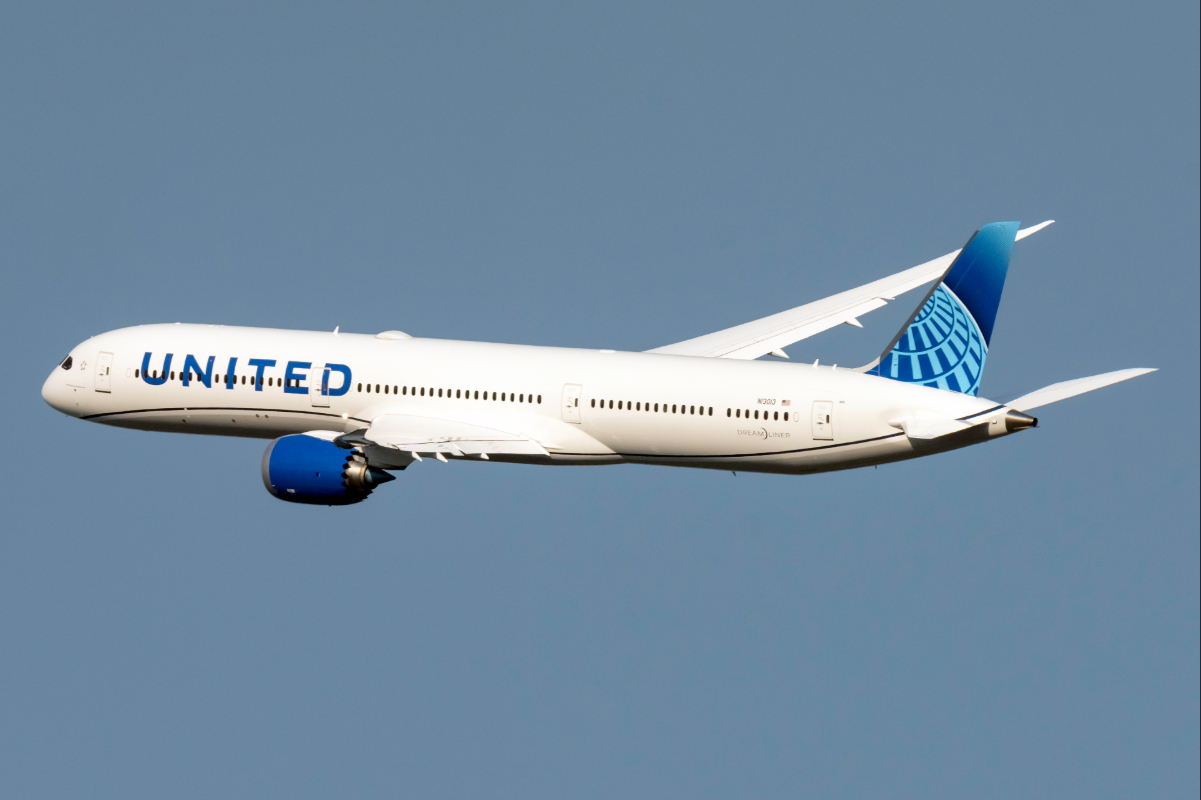
December 11: United Airlines Pioneers San Francisco to Sapporo (CTS)
United Airlines kicks off the winter season’s major novelty routes with a thrice-weekly seasonal service linking its San Francisco International Airport (SFO) hub directly to Sapporo’s New Chitose Airport (CTS) on the northern Japanese island of Hokkaido. Utilizing widebody aircraft equipped for long-haul operations, United is aiming squarely at the surging global demand for Japanese winter tourism—specifically, the legendary powder snow of Hokkaido, which has become a magnet for affluent North American skiers and outdoor enthusiasts.
December 17: Air Canada Connects Vancouver to Sapporo (CTS)
Hot on the heels of its Star Alliance partner, Air Canada launches its own thrice-weekly seasonal service to Sapporo, operating out of Vancouver International Airport (YVR). By capitalizing on the Pacific Northwest’s geographic proximity to Northern Asia and Vancouver’s robust Asian-diagonal connecting traffic, Air Canada provides a seamless alternative for Canadian travelers eager to bypass Tokyo’s congested Haneda and Narita airports when heading north.

Late Q4: The European Incursion into Melbourne
Mirroring the highly successful, one-stop connectivity model pioneered by Turkish Airlines—which stitches together Europe and Australia via strategic Middle Eastern and Asian hubs—two major European carriers are slated to roll out comprehensive schedule adjustments that fundamentally reshape the Europe-to-Melbourne market. These routes lean into the structural limitations of ultra-long-range flying, proving that intermediate stops remain vital tools for maximizing payload and passenger yields on the kangaroo routes.
Q4/Q1 Transition: Delta’s High-Stakes Saudi Gamble
Delta Air Lines is officially breaking new ground by launching the first-ever U.S. nonstop service into the Kingdom of Saudi Arabia. This move is particularly audacious given that its own SkyTeam transatlantic partner previously attempted to capture this exact market, only to retreat amid challenging yields and shifting bilateral dynamics. Delta’s entry signals a profound recalibration of corporate travel demand driven by the Kingdom’s massive Vision 2030 economic transformation projects.
Supporting Context & Metrics: Decoding the Economics of Novelty Routes
To understand why network planners greenlight these specific corridors, one must examine the macroeconomic and operational metrics underpinning modern route development.
Widebody Utilization and the Hokkaido Ski Gold Rush
The deployment of widebody aircraft—such as Boeing 767s, 777s, or Dreamliners—to secondary markets like Sapporo is a calculated risk. Widebody operations require high-yield cargo and premium cabin demand to break even. However, Hokkaido presents a unique economic profile:
- The Yield Premium: Ski tourism to Niseko and surrounding resorts is characterized by high-spending travelers who book months in advance and frequently check expensive sporting equipment.
- The Cargo Factor: Sapporo’s agricultural and seafood exports provide crucial belly-cargo revenue on the westbound return legs to North America, offsetting the costs of seasonal passenger fluctuations.
- Point-to-Point Bypass: By flying directly into CTS, United and Air Canada alleviate the friction of domestic Japanese connections, capturing passengers willing to pay a premium for journey-time reduction.
The Mathematics of One-Stop Long-Haul Playbooks
The expansion of European carriers into the Melbourne market via third-country hubs highlights a fundamental engineering reality: the tyranny of distance. While ultra-long-range (ULR) aircraft like the Airbus A350-900ULR and Boeing 777X enable point-to-point flights between Europe and Australia, they exact a heavy economic penalty.
To carry enough fuel for a 17-plus-hour journey, airlines must sacrifice payload, translating to fewer revenue-generating seats and restricted cargo capacities. By adopting the Turkish Airlines playbook—utilizing an intermediate fuel and traffic stop—carriers can:
- Optimize Seat Density: Configure aircraft for maximum passenger capacity without the severe weight penalties associated with absolute ULR fuel loads.
- Dual-Leg Revenue Generation: Sell tickets independently for the Europe-to-Hub and Hub-to-Melbourne segments, effectively doubling yield opportunities per aircraft frame.
- Mitigate Disruption Risk: If mechanical issues arise, handling them at a major hub is infinitely less costly and complex than dispatching rescue parts to a remote Australian outstation.
The Saudi Arabian Paradox: Following in a Partner’s Footsteps
Delta’s push into Saudi Arabia is one of the most closely watched network experiments of the decade. Historically, transatlantic and trans-Middle Eastern routes have been dominated by the "ME3" carriers (Emirates, Qatar Airways, and Etihad). When Delta’s SkyTeam partner previously attempted to serve the Saudi market directly from the U.S., the route ultimately failed due to a mismatch between corporate demand, aircraft capabilities, and seasonal leisure curves.
However, Saudi Arabia’s sweeping economic reforms under Vision 2030 have fundamentally altered the landscape. Metrics pointing to this shift include:
- Government-Backed Mobility: Billions of dollars in foreign direct investment have created unprecedented flows of American engineers, consultants, and executives traveling to Riyadh and Jeddah.
- Tourism Openness: The introduction of e-visas has transformed a historically closed corporate destination into an emerging leisure frontier.
- Corporate Agreements: Delta is banking on deep corporate travel accounts tied to energy, infrastructure, and technology sectors that require guaranteed connectivity.
Official Statements & Industry Perspectives
The announcement of these routes has sparked considerable commentary from airline executives and aviation analysts alike, illuminating the strategic vision driving these operational shifts.
Speaking on the rationale behind the Sapporo expansion, a senior network planning executive noted:
"When we look at winter leisure travel, consumers are no longer satisfied with standard beach getaways. There is an insatiable appetite for experiential, bucket-list travel. By launching direct services to Sapporo from San Francisco and Vancouver, we are removing friction for a demographic that values time above all else. These are routes built on high-yield leisure demand that traditional schedules simply could not service efficiently."
Addressing the complexities of long-haul partnerships and hub strategies, an aviation industry analyst based in London observed:
"The dogma that nonstop is always better is dying. Airlines are realizing that passengers will gladly tolerate a 90-minute stopover if the overall itinerary is seamless and the pricing is competitive. European carriers watching Turkish Airlines clean up on the kangaroo routes understand that capturing intermediate traffic is the secret weapon of modern network profitability. It’s all about sweating your assets across multiple legs."
Regarding Delta’s bold reentry into the Saudi market, a Middle Eastern aviation consultant offered this perspective:
"It takes immense institutional courage to fly where a partner has previously stumbled. But the Saudi Arabia of today is unrecognizable compared to five years ago. The structural demand coming out of U.S. financial and energy hubs into the Kingdom is real, sticky, and growing. Delta isn’t flying on hope; they are flying on forward-looking corporate booking data that indicates this market has finally matured past the pilot phase."
Future Outlook: What These Routes Mean for 2025 and Beyond
As the aviation industry digests the operational data from these Q4 launches, the trajectory for network planning in 2025 and beyond comes into sharper focus. Several key trends are emerging:
1. The Death of the Cookie-Cutter Hub-and-Spoke
Airlines are increasingly moving away from massive, centralized mega-hub routings when niche regional demand can support bespoke point-to-point or smart-hub architectures. The success of United and Air Canada’s Sapporo gambit will likely encourage North American carriers to look closer at secondary Japanese and Asian cities (such as Sendai or Fukuoka) that offer distinct seasonal appeals.
2. The Resurgence of the Intermediate Stop
As aerospace manufacturers grapple with delayed aircraft deliveries and the slow rollout of next-generation ultra-long-range widebodies, European and Asian carriers will continue refining the multi-leg playbook. Expect more creative fifth-freedom and intermediate-stop routings that bypass congested primary gateways while capturing high-yield traffic between mismatched economic zones.
3. Corporate Travel Resiliency vs. Geopolitical Volatility
Delta’s Saudi experiment will serve as an industry bellwether. If the route achieves sustainable profitability, it will trigger a broader western airline scramble for market share in the Gulf and Levant regions, challenging the historic dominance of Middle Eastern super-connectors. Conversely, any economic softening or geopolitical friction could make airlines hyper-cautious about investing in emerging corporate frontiers.
Conclusion
Ultimately, the route map of late 2024 is a testament to the resilience and adaptability of global network planners. Behind every inaugural water-salute and ribbon-cutting ceremony lies a complex matrix of risk management, consumer psychology, and economic forecasting. Whether slicing through the powder snow of Hokkaido, threading the needle between Europe and Melbourne, or planting a flag in the evolving deserts of the Middle East, today’s airlines are proving that calculated boldness remains the ultimate driver of aviation progress.