






Executive Overview
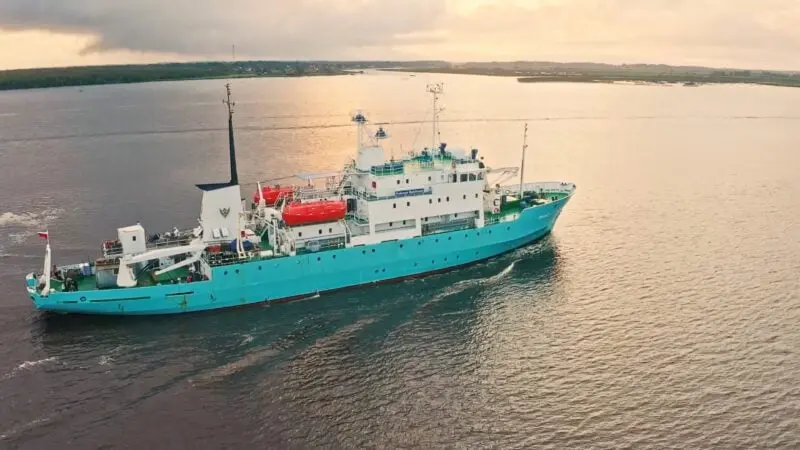
A high-stakes legal battle stemming from the 2014 annexation of Crimea has spilled into the icy waters of the High North. The court-ordered seizure of the Russian-flagged expedition and supply vessel Professor Molchanov in the remote Svalbard archipelago has triggered a diplomatic standoff between Oslo, Moscow, and Kyiv.
The vessel, which serves as a critical transport and supply link for Russian settlements in the region, was arrested by Norwegian authorities acting on a legal petition from the Ukrainian state-owned energy giant Naftogaz. The Ukrainian company is seeking to enforce a $4.22 billion international arbitration award against the Russian Federation for the illegal expropriation of its energy assets in Crimea.
The arrest of the vessel has drawn fierce condemnation from the Kremlin, which has accused Norway of "state piracy" and violating the unique international treaty governing the Svalbard archipelago. Oslo, meanwhile, finds itself walking a delicate diplomatic tightrope. While the Norwegian government insists its judiciary is independent and bound by international legal obligations, the Norwegian Foreign Ministry has moved quickly to defuse tensions by promising comprehensive humanitarian and logistical assistance to the stranded Russian passengers and crew.
This incident marks a significant escalation in the use of international courts to target Russian state-linked maritime assets. It also highlights the growing geopolitical vulnerability of Svalbard, a highly sensitive Arctic territory where Western sanctions, Ukrainian legal offensives, and Russian strategic ambitions increasingly collide.
Detailed Chronology
[2014] Russia annexes Crimea; Naftogaz assets seized.
   │
[April 2023] PCA awards Naftogaz $5B (with claims enforced at $4.22B).
   │
[Late August] Naftogaz files enforcement petition in Norwegian courts.
   │
[September] Norwegian court orders arrest of the "Professor Molchanov" in Svalbard.
   │
[Immediate Post-Seizure] Passengers and crew stranded; Moscow denounces "piracy."
   │
[September 4] Norway's Foreign Ministry pledges humanitarian aid to Barentsburg.
Phase 1: The Legal Catalyst and the Filing
The roots of the seizure lie in the immediate aftermath of Russia’s 2014 annexation of the Crimean Peninsula. Following the occupation, Russian authorities seized billions of dollars worth of oil and gas infrastructure belonging to Naftogaz and its subsidiaries, including valuable offshore drilling rigs, pipelines, and gas fields in the Black Sea.
Naftogaz initiated arbitration proceedings under the Russia-Ukraine Bilateral Investment Treaty. In April 2023, the Permanent Court of Arbitration (PCA) in The Hague ordered Moscow to pay Naftogaz compensation, a sum Naftogaz has sought to recover globally by targeting Russian state assets. Identifying the Professor Molchanov—a vessel with ties to Russian state scientific and commercial operations—within Norwegian jurisdiction, Naftogaz’s legal team filed an emergency attachment petition with the Norwegian judiciary.
Phase 2: The Arrest in Svalbard Waters
Upon receiving the enforcement petition, a local Norwegian court issued an arrest warrant for the Professor Molchanov. The vessel was intercepted and detained while operating near the Russian mining settlement of Barentsburg on the Svalbard archipelago.
The arrest immediately halted the ship’s operations, preventing it from departing on scheduled voyages and stranding its passengers and crew. The sudden detention disrupted the local supply chain, as the vessel was carrying both commercial tourists and essential supplies destined for the remote Russian enclave.
Phase 3: Moscow’s Diplomatic Backlash
The reaction from Moscow was swift and aggressive. The Russian Ministry of Foreign Affairs condemned the arrest as an act of "piracy" and a direct violation of both maritime law and the historic treaty framework that governs Svalbard.
Russian officials warned that the seizure of a vessel carrying civilian passengers and humanitarian supplies to isolated Arctic communities crossed a dangerous red line, threatening to permanently damage bilateral relations between Moscow and Oslo.
Phase 4: Oslo’s Humanitarian Intervention
Faced with an escalating diplomatic crisis and the presence of stranded foreign nationals on its sovereign territory, the Norwegian Foreign Ministry issued a formal statement on Friday, September 4.
While reaffirming the independence of the Norwegian judiciary and its obligation to comply with international legal rulings, the ministry announced that Norwegian authorities would step in to provide all necessary humanitarian assistance to the affected Russian citizens. Oslo also clarified that it continues to grant regular sanctions relief to ensure that food, medicine, and fuel reach the Russian communities on Svalbard.
Supporting Context & Metrics
The Vessel: Professor Molchanov
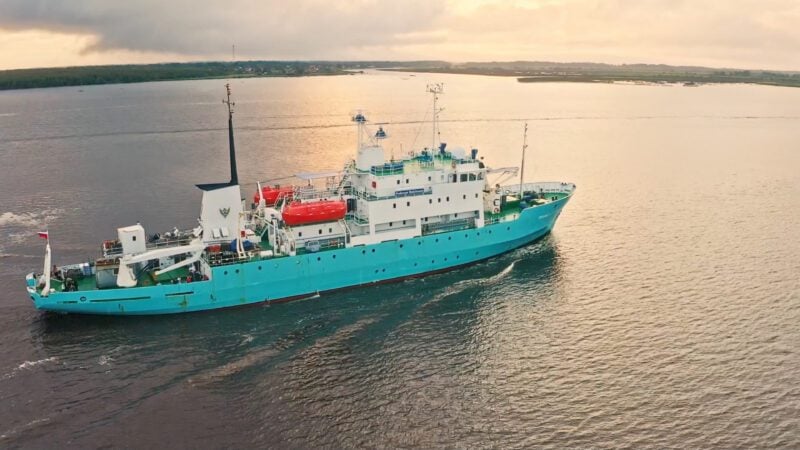
Built in 1982 at the Laivateollisuus shipyard in Turku, Finland, the Professor Molchanov is a specialized, ice-strengthened polar research vessel. Originally designed for high-latitude hydrometeorological research for the Soviet Union, the ship was later converted to accommodate commercial expedition tourism while continuing to support scientific missions.
| Parameter | Specification |
|---|---|
| Length Overall | 71 meters (233 feet) |
| Beam | 12.8 meters (42 feet) |
| Draft | 4.5 meters (15 feet) |
| Ice Class | UL (equivalent to Arc5 / Polar Class 6) |
| Capacity | 52 passengers / 32 crew |
| Onboard Amenities | Library, sauna, bar, two restaurants |
| Primary Use | Scientific expeditions, commercial Arctic cruises, local logistics |
The Geopolitical Powder Keg: Svalbard and the 1920 Treaty
The Svalbard archipelago occupies a highly strategic position in the Arctic Ocean, situated midway between mainland Norway and the North Pole. Its governance is defined by the unique Svalbard Treaty of 1920 (originally the Spitsbergen Treaty), which established a delicate geopolitical compromise:
- Sovereignty: The treaty recognizes the full and absolute sovereignty of Norway over the archipelago.
- Non-Discrimination: Citizens and companies of all signatory nations (which include both Russia and Ukraine) enjoy equal rights to access the islands, fish, hunt, and conduct maritime, industrial, and commercial operations (such as coal mining).
- Demilitarization: The treaty prohibits the establishment of naval bases, military fortifications, or the use of the islands for warlike purposes.
                  ┌──────────────────────────────┐
                  │   Svalbard Treaty of 1920    │
                  └──────────────┬───────────────┘
                                 │
         ┌───────────────────────┼───────────────────────┐
         ▼                       ▼                       ▼
┌──────────────────┐   ┌──────────────────┐   ┌──────────────────┐
│Full Sovereignty: │   │Equal Access:     │   │Demilitarized:    │
│Norway            │   │Signatory Nations │   │No Military Bases │
└──────────────────┘   └──────────────────┘   └──────────────────┘
Because of this treaty, Russia has maintained a continuous presence on Svalbard for decades, primarily through the state-owned coal mining enterprise Arktikugol, which operates the town of Barentsburg.
Svalbard Demographics (Source: Statistics Norway)
- Total Population of the Archipelago: 2,914 residents
- Russian Settlements (Barentsburg & Pyramiden): 392 residents (primarily Russian and Ukrainian mining staff)
- Norwegian Settlements (Longyearbyen & Ny-Ålesund): ~2,522 residents
The Financial Dispute: Naftogaz vs. Russian Federation
The legal action against the Professor Molchanov is part of a broader, aggressive asset-recovery strategy deployed by Naftogaz.
- The Claim: $4.22 billion (plus accrued interest and legal costs).
- The Origin: Compensation for the illegal expropriation of Chornomornaftogaz assets, including valuable offshore gas fields in the Black Sea and drilling rigs seized during the 2014 annexation of Crimea.
- The Strategy: Because Russia refuses to voluntarily pay the PCA arbitration award, Naftogaz is utilizing "forum shopping" to attach sovereign and state-linked Russian commercial assets in jurisdictions that respect international law, including the United States, Great Britain, and now Norway.
Official Statements
The Norwegian Foreign Ministry
In an official statement delivered to Reuters, the Norwegian Ministry of Foreign Affairs sought to balance its legal obligations with its humanitarian responsibilities under the Svalbard Treaty:
"Norwegian authorities are doing what we can to protect Russian citizens who have found themselves in a difficult situation in Svalbard now. Norway is complying with its international obligations, but we also remain committed to our responsibilities in the archipelago. Russian companies are regularly given sanctions relief to ensure the import of food and other necessary goods to the islands, ensuring the welfare of all residents remains protected."
The Kremlin and Russian State Media
Moscow’s response, channeled through diplomatic networks and state media, framed the seizure as an illegal act of political warfare disguised as a judicial proceeding:
"The arrest of a civilian vessel carrying passengers and essential supplies in the waters of Svalbard is nothing short of state-sanctioned piracy. Norway is hiding behind its judicial system to carry out a politically motivated attack on Russian interests in the Arctic. This action directly violates the spirit of the 1920 Svalbard Treaty, which guarantees non-discriminatory economic and maritime access. Russia will appeal this unlawful ruling and reserves the right to take retaliatory measures."
Naftogaz Legal Counsel
Lawyers representing the Ukrainian energy firm characterized the arrest as a legitimate, rule-of-law-based enforcement of a binding international judgment:
"For years, the Russian Federation has acted with impunity, stealing sovereign assets and ignoring international court rulings. The seizure of the Professor Molchanov is a clear signal: Russian state assets are no longer safe from enforcement actions, even in the remote reaches of the Arctic. We will continue to pursue Russian assets globally until the full compensation awarded by the Permanent Court of Arbitration is paid."
Future Outlook
Legal Appeals and Judicial Precedent
Russia has officially announced its intention to appeal the arrest of the Professor Molchanov through the Norwegian appellate courts. The legal battle will likely hinge on whether the vessel, which operates under a mix of scientific, commercial, and state-backed logistical mandates, qualifies for sovereign immunity or if it can be classified as a commercial asset subject to attachment.
If the Norwegian courts uphold the seizure, it will set a significant legal precedent, signaling to other Ukrainian entities that Russian state-linked vessels operating in European waters are highly vulnerable to foreclosure and sale to satisfy outstanding war-related damages.
Geopolitical Implications for the High North
The incident threatens to permanently disrupt the fragile peace that has historically characterized Svalbard. For decades, the "High North, Low Tension" doctrine kept the Arctic largely insulated from broader geopolitical conflicts.
However, by enforcing a Ukrainian judicial claim against a Russian ship in Svalbard, Norway has demonstrated that its commitment to Western legal structures and sanctions regimes supersedes regional diplomatic conventions. This could lead to a series of destabilizing developments:
┌────────────────────────────────────────────────────────┐
│  Upholding of "Professor Molchanov" Seizure by Courts   │
└───────────────────────────┬────────────────────────────┘
                            │
                            ▼
┌────────────────────────────────────────────────────────┐
│           Escalation of Arctic Tensions                │
└───────────────────────────┬────────────────────────────┘
                            │
         ┌──────────────────┴──────────────────┐
         ▼                                     ▼
┌─────────────────────────────────┐ ┌─────────────────────────────────┐
│     Increased Russian Naval     │ │   Restricted Access & Flight    │
│    Presence in Arctic Waters    │ │   Bans for Norwegian Aircraft   │
└─────────────────────────────────┘ └─────────────────────────────────┘- Increased Militarization: Russia may increase its naval presence in the international waters surrounding Svalbard to escort its state vessels, raising the risk of close-quarters encounters with NATO maritime forces.
- Asymmetric Retaliation: Moscow could retaliate by restricting Norwegian access to Russian Arctic airspace, imposing stricter controls on Norwegian vessels operating in the Barents Sea, or targeting Norwegian economic interests in Russia.
- The Future of Barentsburg: The long-term viability of the Russian community in Barentsburg may be called into question if its primary maritime supply lines are repeatedly subjected to legal attachments and sanctions-related delays.
Ultimately, the arrest of the Professor Molchanov demonstrates that in the modern era of hybrid warfare, the courtroom has become as critical a theater of conflict as the battlefield, with the ice-choked fjords of Svalbard serving as the latest arena.