




Executive Overview
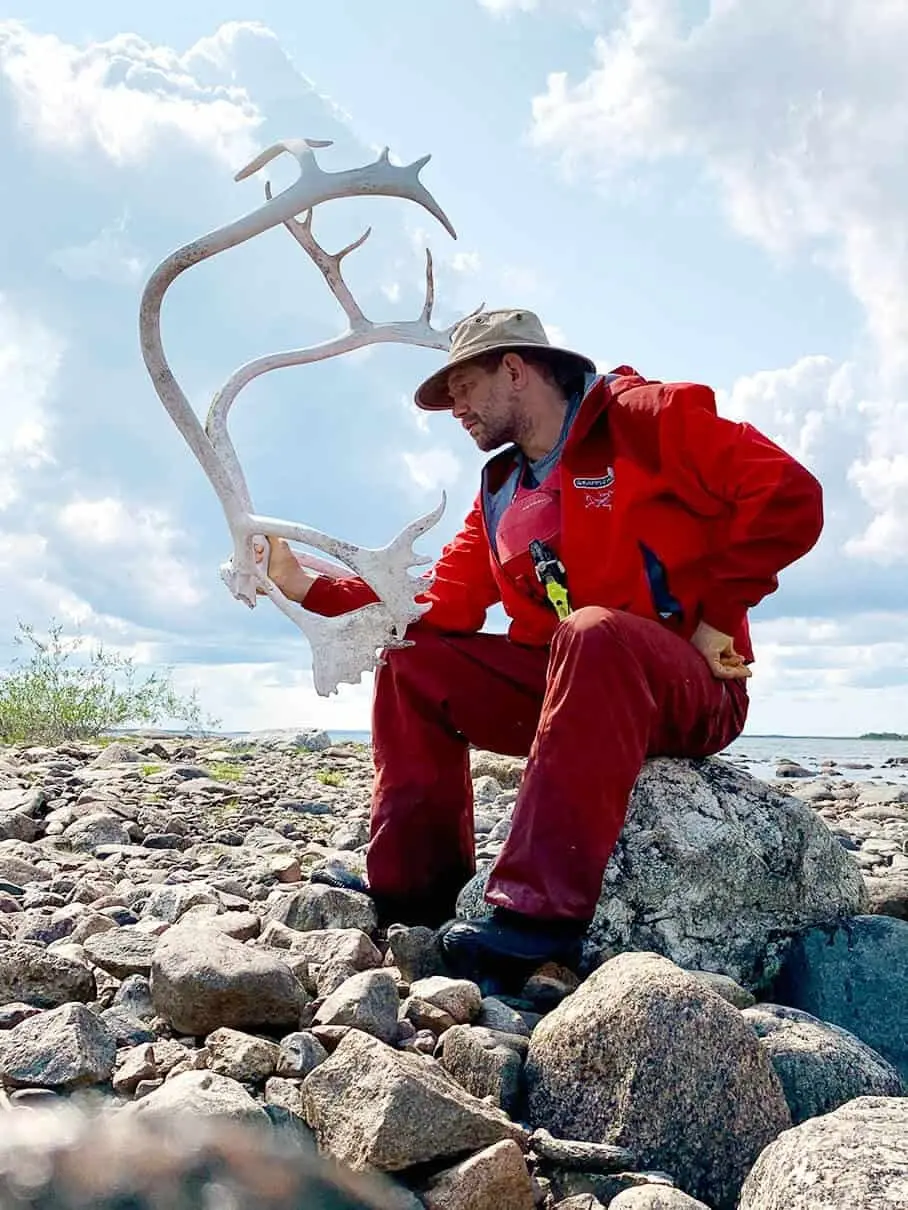
On the very first day of a grueling six-week solo expedition through the punishing expanse of the Canadian subarctic, disaster struck. Stephan Kesting, a seasoned outdoorsman, firefighter, and martial arts author, capsized his canoe. The freezing water soaked his gear, but the true magnitude of the blunder did not become apparent until the following morning: his vital navigation maps had been rendered into unreadable, water-logged pulp.
It was an inauspicious, terrifying start to a 42-day, 1,000-mile odyssey stretching from the deep boreal forests of northern Saskatchewan into the vast, unforgiving tundra of Nunavut. Ahead lay a punishing gauntlet of roaring rapids, exhausting portages, and unrelenting upstream travel. Yet, for Kesting, this baptism by fire was merely the latest chapter in a much larger, deeply personal war for survival.
Just a few years prior, Kesting was staring down his own mortality. Ravaged by polycystic kidney disease (PKD), his organ function had plummeted to a catastrophic 12 percent. He was trapped in a relentless fog of fatigue, rendered breathless by short walks, and facing the terrifying prospect of a life cut short. A successful kidney transplant from his brother in 2019 pulled him back from the precipice, transforming his recovery into a singular, laser-focused mission: to conquer the northern wilderness he feared he would never see again.
This article chronicles Kesting’s harrowing expedition—detailed through a comprehensive breakdown of his journey, the medical crucible that preceded it, the profound psychological transformation forged in deep solitude, and the powerful lessons he brought back to civilization.
Detailed Chronology: The 42-Day Subarctic Crucible
The Prologue: A Near-Disastrous Beginning
Kesting’s expedition began with a stark reminder of how quickly things can go wrong in the remote Canadian wilderness. The capsize on Day One soaked his equipment, but the destruction of his paper maps turned a manageable inconvenience into a heart-stopping crisis.
"It was a disaster," Kesting reflects. "It was a really useful experience to be knocked down a peg or three right at the beginning of the trip, because it made me super cautious. I was mortified. It really forced me to refocus."
With his margin for error reduced to zero, his internal mantra shifted to a strict rule: No more mistakes. Every move on the water required deliberate calculation, transforming a reckless start into a masterclass in hyper-vigilance.

The Middle March: Isolation and the Rhythm of Survival
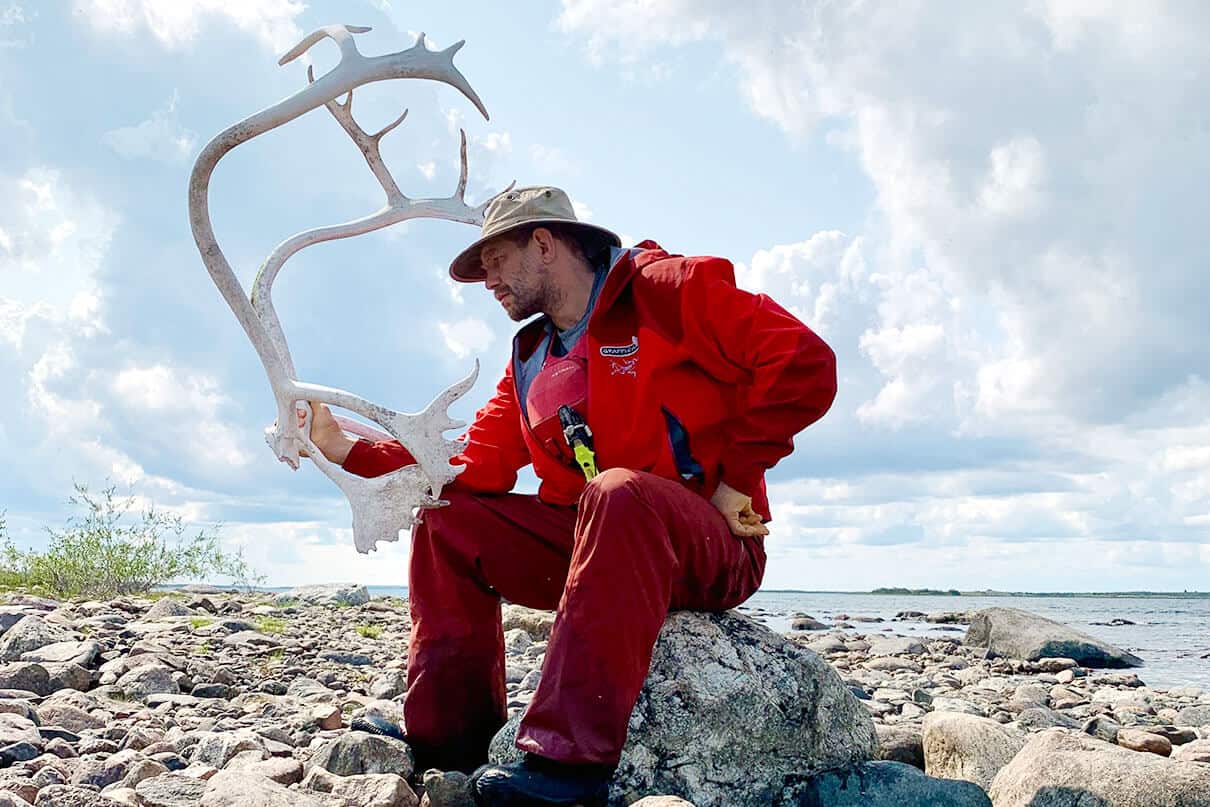
As Kesting pushed deeper into the Barren Lands, the human footprint faded entirely. For a staggering 26-day stretch of the journey, he saw no other human beings. In this vast, silent vacuum, the romanticized notions of wilderness solitude quickly gave way to the mundane, rhythmic demands of physical survival.
Far from spending his days lost in lofty, philosophical musings about the meaning of life, Kesting found his mind occupied by the immediate environment:
- Assessing the ever-shifting chop of the waves.
- Choosing between treacherous left and right river channels.
- Monitoring the ominous buildup of tundra storm clouds.
- Managing basic biological needs: hunger, fatigue, and sunscreen application.
Yet, this hyper-awareness of the present moment served as a psychological crucible. Stripped of modern distractions, Kesting was forced to process the profound trauma of his near-death experience with kidney failure. In a landscape where a minor error can spell death, the fragility of life was hammered home daily. He didn’t just fight the elements; he raced raging wildfires, narrowly avoided being trampled in his tent by a panicked caribou, and survived a heart-stopping, close-quarters encounter with an aggressive bear.
The Final Push: Triumphant Return
After 42 days of relentless paddling, navigating, and surviving against the odds, Kesting crossed the finish line of his expedition. He emerged from the bush nearly 20 pounds lighter, physically weathered, but mentally restored. The expedition that began with ruined maps and a terrified mindset concluded as a profound testament to human resilience, proving that the body and mind can recover from the most catastrophic breakdowns.
Supporting Context & Metrics: The Anatomy of Resilience
To truly understand the weight of Kesting’s subarctic journey, one must examine the intersection of his medical history, his professional background, and the raw statistics of his endeavor.
The Medical Battle: Polycystic Kidney Disease (PKD)
Polycystic kidney disease is a genetic disorder characterized by the growth of numerous fluid-filled cysts within the kidneys, eventually enlarging them and destroying surrounding tissue. For a decade, Kesting’s life was swallowed by the disease.
- Peak Illness: At his lowest point, Kesting’s kidney function dropped to a mere 12 percent.
- The Impact: He experienced crushing fatigue, debilitating brain fog, and severe shortness of breath after minimal physical exertion.
- The Artistic Analogy: Kesting describes the experience with stark clarity: "It was like a musician losing his hearing, or a painter losing the use of his hands. There was a ton of fear, because I didn’t know if I would survive and what I would recover. It was terrifying."
The Lifeline: The 2019 Transplant
In 2019, salvation arrived in the form of a living-donor kidney transplant, generously provided by his brother. Just minutes before slipping under anesthesia, as the medical team prepared the face mask, Kesting’s mind bypassed the operating theater and traveled north.
Years later, chronicling the experience in his published book Perseverance, he recalled:
"I had some of my most formative experiences in that landscape, but it had retreated beyond my grasp these last few years as my life had become a blur of doctor’s appointments and medical interventions. At the edge of a procedure that I might not resurface from, the North had emerged as a mirage I was reaching toward."
Expedition Metrics at a Glance
- Total Duration: 42 days (6 weeks).
- Distance Covered: Approximately 1,000 miles.
- Stretch of Complete Isolation: 26 consecutive days without seeing another human being.
- Physical Toll: Weight loss of nearly 20 pounds.
- Key Hazards Overcome: Raging subarctic wildfires, a close-call caribou stampede, a dangerous bear encounter, and completely compromised navigation maps.
Official Statements & Reflections
Throughout his recovery and the subsequent media and literary tours surrounding Perseverance, Kesting has offered profound insights into mortality, preparation, and the interconnectedness of human life.
On Facing Mortality and Reclaiming Purpose
Facing organ failure stripped away trivial concerns and forced Kesting to evaluate his legacy and unfulfilled dreams. He views his monumental expedition not merely as a vacation or a test of physical fitness, but as a symbolic retaliation against his illness.
"One of those things was to finally make good on that trip I’d been thinking about for decades," Kesting states, framing the journey as "kind of like a big middle finger to death—assuming I survived."
Reflecting on the existential revelations brought on by total solitude, he notes the razor-thin margin between life and death during his illness: "If my kidney function had dropped another five percentage points, I would have been dead."
On the Myth of the "Solo" Expedition
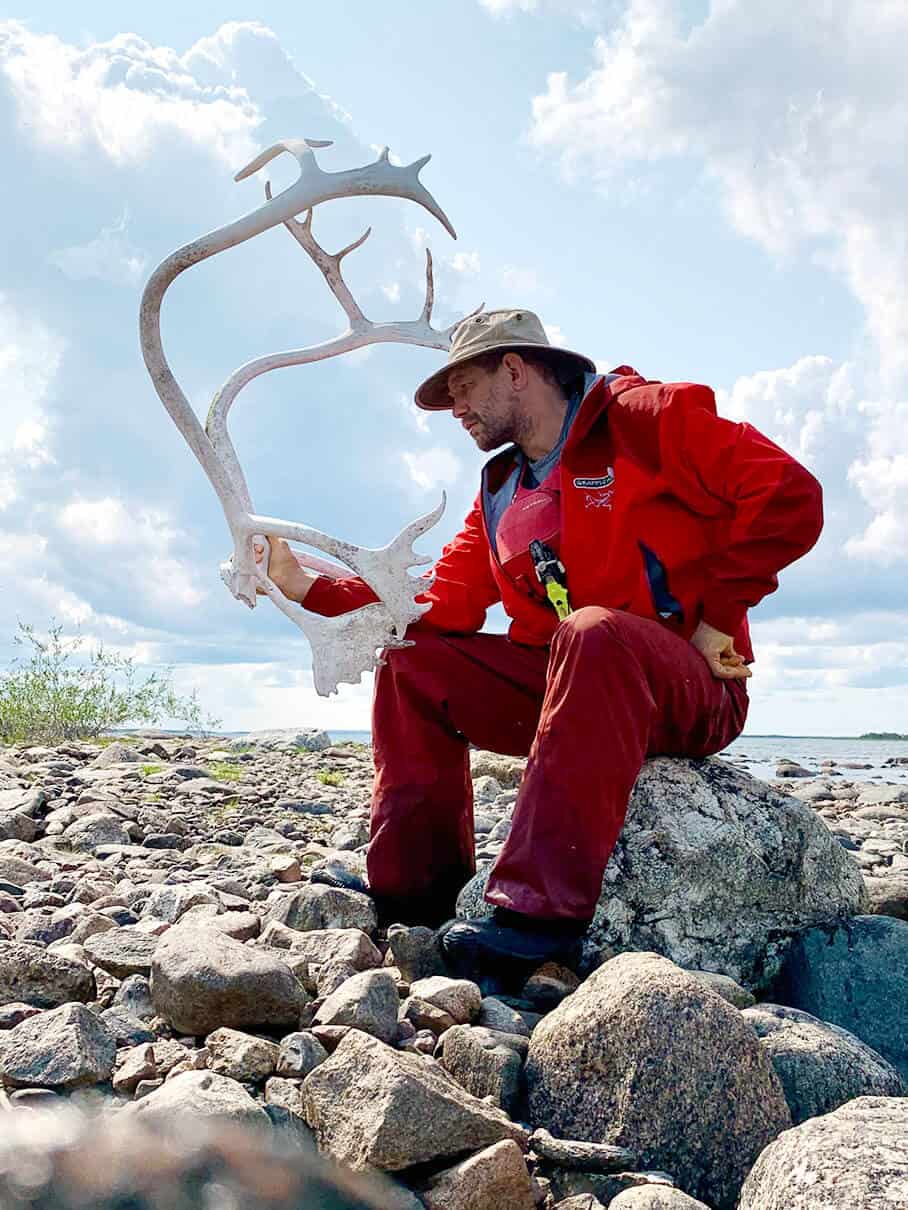
Despite spending nearly a month entirely alone in the Barren Lands, Kesting arrived at a counterintuitive and deeply humbling conclusion: no wilderness expedition is ever truly traveled alone.
"There was me out in the bush, but who’s enabling that?" he questions, breaking down the web of support that made his survival possible. "My brother, who gave me a kidney, first of all. My current wife and ex-wife are making sure my kids aren’t running feral. I’m relying on search-and-rescue infrastructure if I hit the emergency button. And I’m indebted to the explorers and the Native people who developed these routes."
He summarizes this realization with a poignant truth: "You can do a solo trip, but you’re not really solo. It connects you to the wider world."
Future Outlook: Breaking Down the Impossible
When Kesting returns to civilization, he is frequently met with a common refrain from admirers and casual observers: "I could never do something like that."
Kesting pushes back strongly against this self-limiting belief, identifying a critical flaw in how people measure grand achievements.
"They’re right in the moment, but they’re wrong at the scale of years," he argues.
Grand expeditions are rarely pulled off on a whim. The foundational skill sets required—ranging from advanced campcraft and river reading to wilderness first aid, navigation, and natural history—cannot be mastered overnight. They are acquired brick by brick, skill by skill, over an extended timeline.
"It’s a long checklist. You just gradually work at checking it off," Kesting advises. "It’s totally possible for people to do this. It just needs to be accumulated a little bit at a time."
As Kesting continues to share his story through Perseverance and his ongoing public engagements, his journey stands as an authoritative blueprint for anyone facing insurmountable odds. Whether fighting a terminal illness, recovering from major surgery, or looking to conquer their own personal wilderness, Stephan Kesting’s 1,000-mile resurrection proves that with careful preparation, relentless focus, and a refusal to surrender, the impossible can be brought within reach.