




Executive Overview
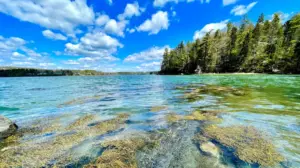
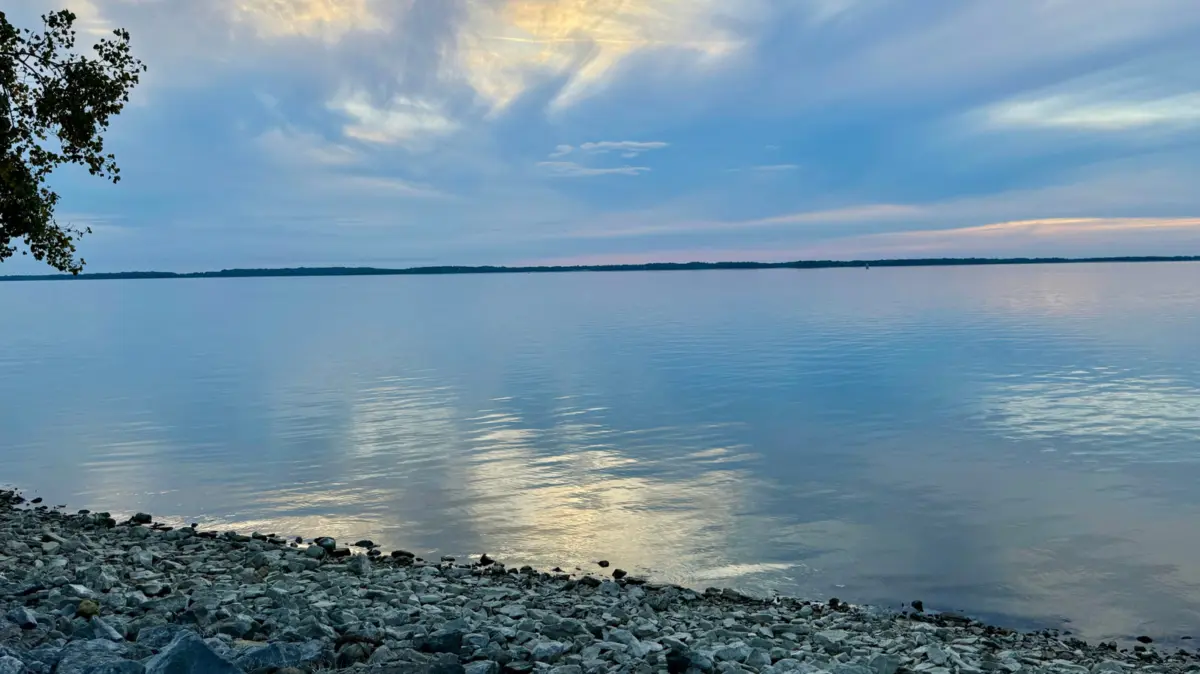
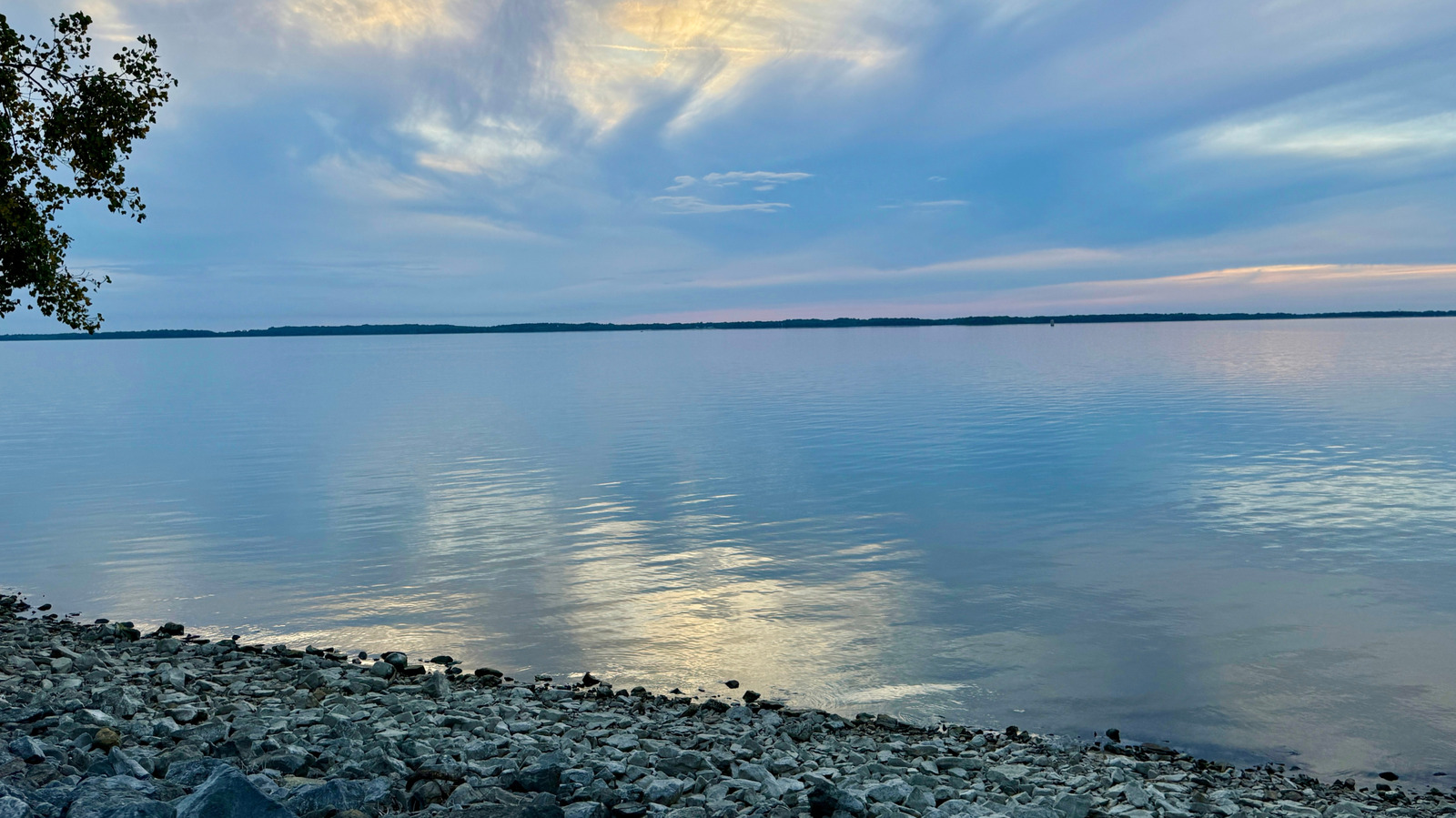
While the urban landscape of St. Louis, Missouri, effortlessly captivates travelers with its iconic Gateway Arch, world-class zoos, extensive park systems, and vibrant culinary scene, a serene wilderness escape lies just a short drive across the Mississippi River. Located roughly an hour east of the bustling metropolis in Carlyle, Illinois, the Dam East Recreation Area — South Shore Park offers an expansive sanctuary of calm waters, dense forests, and rocky shorelines. Stretching three miles along the edge of Illinois’ largest inland reservoir, this hidden gem has evolved from a neglected state property into a meticulously managed, premier outdoor destination.
Long cherished by regional anglers, boaters, and nature enthusiasts, the park provides a definitive counterpoint to city life. Whether visitors are seeking the thrill of a seasonal regatta, the quiet concentration of reeling in a largemouth bass, or simply an unobstructed view of a pastel-hued Midwestern sunset, this 26,000-acre aquatic paradise delivers. However, the modern iteration of this park is not merely a byproduct of natural beauty; it is the result of a deliberate administrative transformation. Through a strategic federal takeover, collaborative regional planning, and targeted infrastructural investments, South Shore Park was rescued from budgetary neglect to emerge as a gold standard for public land management and outdoor recreation in the American Midwest.
Detailed Chronology: From State Disrepair to Federal Revival
To understand the thriving ecosystem and pristine infrastructure of the Dam East Recreation Area today, one must examine its turbulent administrative history over the past decade. For decades, the park operated quietly under the jurisdiction of the Illinois Department of Natural Resources (IDNR) as South Shore State Park. Designed to give visitors intimate access to the southern banks of Carlyle Lake, the property served as a localized hub for camping, picnicking, and informal shore fishing.
However, as the 21st century progressed, the park faced mounting fiscal pressures. Severe budget constraints within the state government led to a systemic lack of funding for the IDNR. By the early 2010s, the consequences of these structural deficits became impossible to ignore. Essential maintenance was deferred, restroom facilities deteriorated, roadways cracked without repair, and general oversight dwindled. The physical degradation of South Shore State Park transformed it from a point of regional pride into an administrative liability, drawing mounting complaints from visitors and conservationists alike who watched a premier natural asset fall into disrepair.
The turning point arrived in 2016. Recognizing that the state agency lacked the financial capital and operational bandwidth to restore the park to acceptable safety and aesthetic standards, the U.S. Army Corps of Engineers (USACE)—which holds the overarching federal authority over the Carlyle Lake project and its surrounding flood-control infrastructure—exercised its contractual rights. The USACE formally terminated its lease agreement with the IDNR and reclaimed direct administrative control over the land.
Following the takeover, the federal agency initiated a comprehensive rehabilitation project. Recognizing the distinct identity of the shoreline, the USACE systematically upgraded boat ramps, reinforced deteriorating shorelines, overhauled day-use picnic zones, and integrated the property into its broader portfolio of high-standard recreational assets. By 2018, the transition was formalized. Rebranded as the Dam East Recreation Area — South Shore Park, the rejuvenated property officially reopened to the public under federal management. This pivotal administrative pivot not only saved the park from irreversible ecological and structural decline but also laid the groundwork for the modern, high-capacity recreation hub that travelers and St. Louis day-trippers enjoy today.
Supporting Context & Metrics: The Scale of Carlyle Lake
To fully appreciate the appeal of the Dam East Recreation Area, one must examine the sheer scale and ecological significance of the body of water it anchors. Carlyle Lake is not merely a local fishing pond; it is a monumental hydrographic and recreational feat.
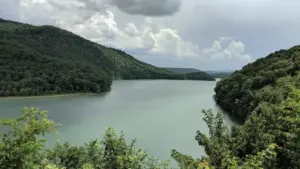
Spanning an impressive 26,000 acres, Carlyle Lake stands undisputed as the largest inland reservoir entirely within the state of Illinois. Created by the construction of the Carlyle Dam across the Kaskaskia River by the U.S. Army Corps of Engineers in the 1960s, the lake was originally engineered primarily for flood control and regional water supply. Over the decades, however, its secondary mandate—outdoor public recreation—has grown exponentially in economic and cultural importance for the region.
Key Metrics and Operational Infrastructure:
- Water Surface Area: Approximately 26,000 acres at normal pool elevation, expanding significantly during seasonal high-water events.
- Shoreline Length: Encompasses roughly 83 miles of varied terrain, ranging from forested coves and grassy banks to engineered stone riprap and sandy public beaches.
- Park Frontage: The South Shore sector alone stretches for 3 miles along the lakefront, maximizing water-to-land interface.
- Boating Facilities: Features two robust launch ramps, including a specialized high-water ramp designed to maintain operational capacity during elevated lake stages, paired with a modern courtesy dock to streamline the loading and unloading of watercraft.
- Aquatic Diversity: Stocked and naturally sustained populations include largemouth bass, crappie, bluegill, channel catfish, flathead catfish, and white bass.
- Educational Assets: Located nearby, the Carlyle Lake Visitor Center features a prominent 215-gallon native fish aquarium, offering educational insights into the watershed’s indigenous aquatic life.
These dimensions make the lake uniquely versatile. Unlike smaller regional lakes that quickly become congested, Carlyle Lake’s immense surface area allows high-speed powerboats, jet skis, peaceful pontoon cruisers, and wind-powered sailboats to coexist harmoniously without straining the carrying capacity of the ecosystem.
Official Statements & Stakeholder Perspectives
The revitalization and enduring popularity of the Dam East Recreation Area are best understood through the voices of those who manage its resources, study its ecosystems, and frequent its shores.
Federal land managers emphasize that the transition of authority was executed with long-term ecological preservation and public accessibility in mind. In official briefings following the 2016 reclamation, USACE representatives underscored that federal oversight was necessary to ensure that the infrastructure matched the natural grandeur of the site. A regional USACE spokesperson noted during the 2018 reopening phase:
"Our mandate at Carlyle Lake has always balanced rigorous flood risk management with the stewardship of public trust lands. Reclaiming and upgrading South Shore Park allowed us to eliminate safety hazards, modernize boating access for a new generation of visitors, and guarantee that this vital shoreline remains pristine, accessible, and resilient against environmental pressures."
State and local tourism advocates have equally praised the partnership, pointing out that the park serves as a critical economic driver for Clinton County and the broader Metro East region. By drawing outdoor enthusiasts from St. Louis—located just an hour’s drive to the west—the park injects vital revenue into local motels, bait-and-tackle shops, diners, and marinas.
Visitors and recreational users offer an equally compelling testament to the park’s restorative qualities. Online community feedback highlights the multi-generational attachment families hold toward the location. One long-time visitor encapsulated the sentiment in a widely cited local review, noting:
"Loved this place as a child. My love has grown. I now take my family here for summer vacation and fun!"
Furthermore, sailing enthusiasts frequently praise the lake’s unique wind patterns and wide-open horizons. Because Carlyle Lake is relatively shallow and unhindered by mountainous terrain or dense urban obstructions, it generates steady, reliable crosswinds that have made it a premier destination in the Midwest for annual sailing regattas. Local sailing clubs frequently coordinate events out of the recreation area, turning the horizon into a floating tapestry of colorful spinnakers and drifting hulls.
Future Outlook: Preservation, Expansion, and Regional Tourism
As the Dam East Recreation Area — South Shore Park looks toward the future, its trajectory points firmly toward sustainable growth, enhanced ecological management, and deeper integration into the regional tourism corridor of Southern Illinois.
1. Infrastructure Resilience and Climate Adaptation
With shifting weather patterns and increasingly volatile precipitation cycles in the Midwest, managing lake levels remains a primary operational challenge for the U.S. Army Corps of Engineers. Future capital improvements will likely focus on reinforcing shoreline erosion controls—particularly along the rocky banks exposed to heavy wind-driven wave action—and maintaining the high-water launch ramps to ensure uninterrupted access for emergency water rescue and recreational boaters alike.
2. Habitat Conservation and Biodiversity
Environmental stewardship will continue to take center stage. The IDNR and USACE maintain ongoing monitoring programs to protect migratory bird flyways, shoreline nesting habitats for waterfowl, and the overall water quality of the Kaskaskia River basin. Ensuring that increased recreational traffic does not degrade the fragile wetland ecosystems surrounding the lake’s coves is a top priority for conservation biologists working within the watershed.
3. Broadening the Regional Tourism Circuit
The park is increasingly marketed not as an isolated attraction, but as a crucial waypoint in a broader regional eco-tourism network. Day-trippers originating from St. Louis are frequently encouraged to combine a morning of boating and hiking at Carlyle Lake with subsequent excursions deeper into Southern Illinois. Travelers can easily extend their itineraries southward to the awe-inspiring sandstone cliffs of the Shawnee National Forest, marvel at the geological wonders of the Garden of the Gods Wilderness, or explore the dramatic topography of Illinois’ Little Grand Canyon.
By anchoring this robust regional tourism circuit, the Dam East Recreation Area transcends its local origins. It stands today as a shining example of how federal intervention, ecological respect, and community dedication can rescue a neglected natural landscape and elevate it into an enduring sanctuary for generations to come.