








Executive Overview
In the modern travel ecosystem, the journey from initial inspiration to a confirmed booking is rarely a straight line. For hospitality brands, tourism boards, and travel operators, understanding how consumers move from passively viewing a scenic reel on Instagram or TikTok to actively pulling out their credit cards has become one of the most complex puzzles in modern marketing.
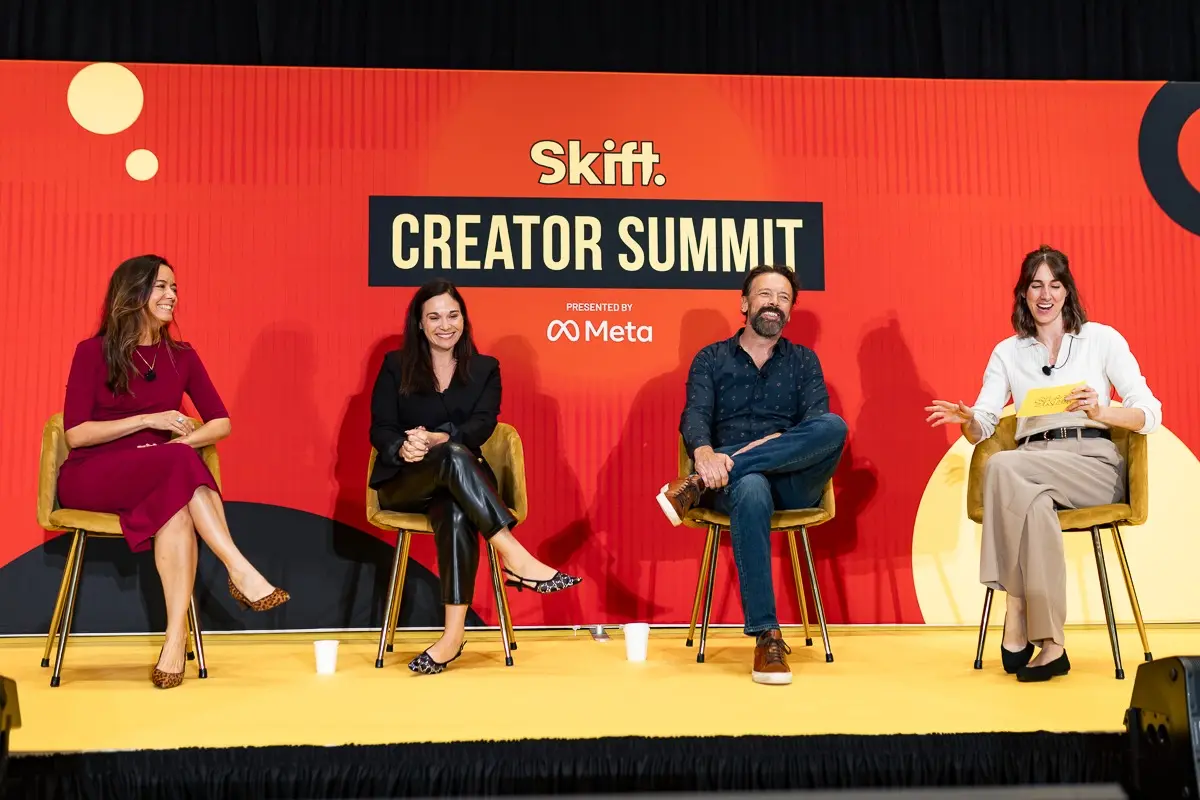
At the recent Skift Creator Summit in New York City on September 22, 2026, industry leaders converged to address this very challenge. Moderated and driven by prominent figures in the travel and tech spaces, the panel featured insights from Diana Lucas, Director of Marketing Science for North America at Meta Platforms; Laurie Blair, Senior Vice President of Global Marketing and Loyalty at Hyatt; and Ross Borden, Founder and CEO of Matador.
The core takeaway from the discussion was stark: traditional click-based attribution models are fundamentally broken when applied to social media video consumption. With months often passing between a user’s initial video impression and their final travel reservation, brands relying solely on immediate click-through rates are missing the vast majority of their marketing impact. As platforms like Instagram and Facebook continue to pivot heavily toward video—which now accounts for a staggering 60% of all content consumed on the platforms—marketers must fundamentally rethink how they measure, attribute, and monetize social media influence.
Detailed Chronology: Highlights from the Skift Creator Summit
The discourse on September 22, 2026, unfolded through a series of revealing panel discussions that mapped out the contemporary friction points between social media content creators, platform giants, and hospitality behemoths.
Morning Sessions: Setting the Stage on Social Attribution
The summit opened with a deep dive into the changing mechanics of discovery. Creators and platform representatives noted that travel planning no longer begins with search engines or travel agency brochures; it begins in the algorithmic feeds of mobile devices.
However, a recurring theme during the morning panels was the "attribution black hole." While creators can easily boast millions of views and hundreds of thousands of saves or shares on a destination video, tourism boards and hotel chains have historically struggled to tie those metrics back to room nights or flight bookings. This disconnect has occasionally led traditional finance and marketing departments to undervalue creator partnerships, viewing them as top-of-funnel brand awareness plays rather than direct revenue drivers.
Afternoon Panel: Meta, Hyatt, and Matador Take the Stage
The pivotal moment of the summit occurred during the afternoon session featuring Diana Lucas (Meta), Laurie Blair (Hyatt), and Ross Borden (Matador).

- Diana Lucas opened by highlighting the structural flaws in legacy metrics. She pointed out that travel is a high-consideration purchase. Unlike retail items bought on impulse, a vacation requires planning, budgeting, and coordination. Consequently, the window between inspiration and execution spans weeks or even months. Relying on a standard last-click attribution model, Lucas argued, is like judging a movie solely by its final frame.
- Laurie Blair brought the hospitality brand’s perspective to the table. For global hotel giants like Hyatt, balancing organic creator content with performance marketing requires a delicate ecosystem. Blair discussed how Hyatt works to capture that long-tail inspiration, ensuring that the brand remains top-of-mind during the weeks a consumer spends deliberating over where to stay.
- Ross Borden anchored the conversation in the realities of digital publishing and creator economics. As the founder and CEO of Matador, Borden emphasized that modern travelers—particularly younger demographics—do not want to feel marketed to. They trust authentic, narrative-driven video content from creators over polished corporate advertisements. Bridging the gap, therefore, requires brands to empower creators to tell genuine stories while utilizing advanced platform tools to track the downstream impact of those stories.
Supporting Context & Metrics: The Anatomy of Social Travel Inspiration
To understand why traditional marketing metrics are failing, one must examine the shifting behaviors of the modern traveler and the technological shifts within major social platforms.
The Rise of Video Dominance
According to data shared during the summit by Meta’s Diana Lucas, 60% of all content consumed on Instagram and Facebook is now video. Reels, stories, and long-form video walkthroughs have fundamentally replaced static photography as the primary medium of digital storytelling.
Video engages multiple senses simultaneously, evoking emotional responses that static images simply cannot replicate. A drone shot sweeping over a crystalline coastline or a first-person POV walkthrough of a luxury overwater bungalow triggers an immediate psychological desire for escape. However, this high emotional resonance creates a delayed action loop. The viewer feels inspired immediately, but the logistical execution of booking a trip is deferred to a later date when time and budget allow.
The Multi-Month Conversion Window
Industry studies indicate that for international or luxury travel, the consideration phase can range from 30 to over 90 days. During this multi-month window, a consumer might:
- Discover: Watch a TikTok or Instagram Reel featuring a boutique hotel in Tokyo.
- Save: Tap the "Save" icon to store the video in a digital collection for later reference.
- Forget/Digest: Let the idea simmer while navigating daily work and life obligations.
- Research: Weeks later, search for flights or look up reviews, perhaps influenced subconsciously by the earlier visual exposure.
- Convert: Finally make the booking—often directly through the hotel’s website or a third-party aggregator, completely bypassing the original social media link.
Because the final transaction occurs weeks after the initial click (or without a click at all, via direct navigation), attribution models that rely on a 7-day or 30-day cookie window fail to connect the dots.
Official Statements and Industry Perspectives
The convergence of tech platforms, hospitality leaders, and digital publishers at the Skift Creator Summit provided a multi-faceted view of how the industry is attempting to solve these attribution challenges.

Meta’s Perspective: Moving Beyond the Click
Diana Lucas emphasized that the industry must evolve past antiquated metrics like simple click-through rates (CTR).
"If you’re only focusing on click-based attribution, you miss the vast majority of the real-world impact that social media video has on consumer behavior," Lucas explained during the panel.
Meta has been pushing for advanced measurement solutions, such as conversion lift studies and multi-touch attribution models, which help brands understand how exposure to video ads influences search behavior, brand recall, and eventual offline or online conversions over extended time horizons.
Hyatt’s Perspective: Cultivating Loyalty and Trust
For hospitality brands, the challenge is not just capturing attention, but nurturing it through the long consideration funnel. Laurie Blair noted that Hyatt’s global marketing strategy increasingly relies on creating seamless touchpoints between social inspiration and loyalty program engagement.
By partnering with creators who align with Hyatt’s brand values, the company aims to embed its properties naturally into the traveler’s consideration set. Blair highlighted that customer loyalty is no longer built solely on point accrual, but on brand affinity forged through authentic storytelling long before a guest steps foot onto a property.
Matador’s Perspective: The Creator Economy Evolution
Ross Borden underscored the shifting power dynamics in travel media. Creators are no longer just independent hobbyists; they are sophisticated media enterprises that understand audience psychology better than many traditional ad agencies.
Borden argued that brands must grant creators greater creative freedom. When a brand tries to overly script a travel video, it loses the authenticity that makes social video effective in the first place. The key to closing the inspiration-to-booking gap, according to Borden, is trust: when consumers trust a creator’s recommendation, they are far more likely to retain that brand in their mental shortlist when booking time finally arrives.
Future Outlook: What’s Next for Social Travel Marketing?
As the travel and creator economies mature, several trends are poised to redefine how brands measure and capitalize on social media inspiration.
1. Advanced Measurement and AI-Driven Attribution
Tech platforms are investing heavily in machine learning and artificial intelligence to bridge the attribution gap. By utilizing aggregated, privacy-compliant data models, platforms like Meta are enabling brands to see correlations between video views and subsequent bookings, even when those actions happen weeks apart and across multiple devices. In the coming years, marketers can expect more sophisticated attribution dashboards that account for view-through conversions rather than just direct clicks.
2. Shoppable Video and Frictionless Checkout
Platforms are rapidly collapsing the funnel by integrating native commerce tools directly into video feeds. Features that allow users to book a hotel room, reserve a tour, or purchase travel gear directly from an Instagram Reel or TikTok video are transforming social media platforms from top-of-funnel inspiration engines into end-to-end transactional marketplaces. As these native checkout experiences become more frictionless, the drop-off rate between inspiration and booking is expected to shrink significantly.
3. Deeper Long-Term Partnerships
Transactional, one-off sponsored posts are giving way to long-term ambassadorships. Travel brands realize that repeated exposure to a property or destination across multiple pieces of content over several months is far more effective at guiding a consumer through the long consideration cycle than a single viral video.
Conclusion
The Skift Creator Summit made it clear that while the inspiration-to-booking gap remains a formidable hurdle, it is not insurmountable. By moving away from myopic click-based metrics, embracing advanced attribution science, and trusting authentic creator narratives, travel brands can finally connect the dots between a viral social video and a confirmed reservation. As video continues to dominate digital consumption, the brands that master this long-tail journey will capture the loyalty—and the wallets—of the next generation of travelers.