


Executive Overview
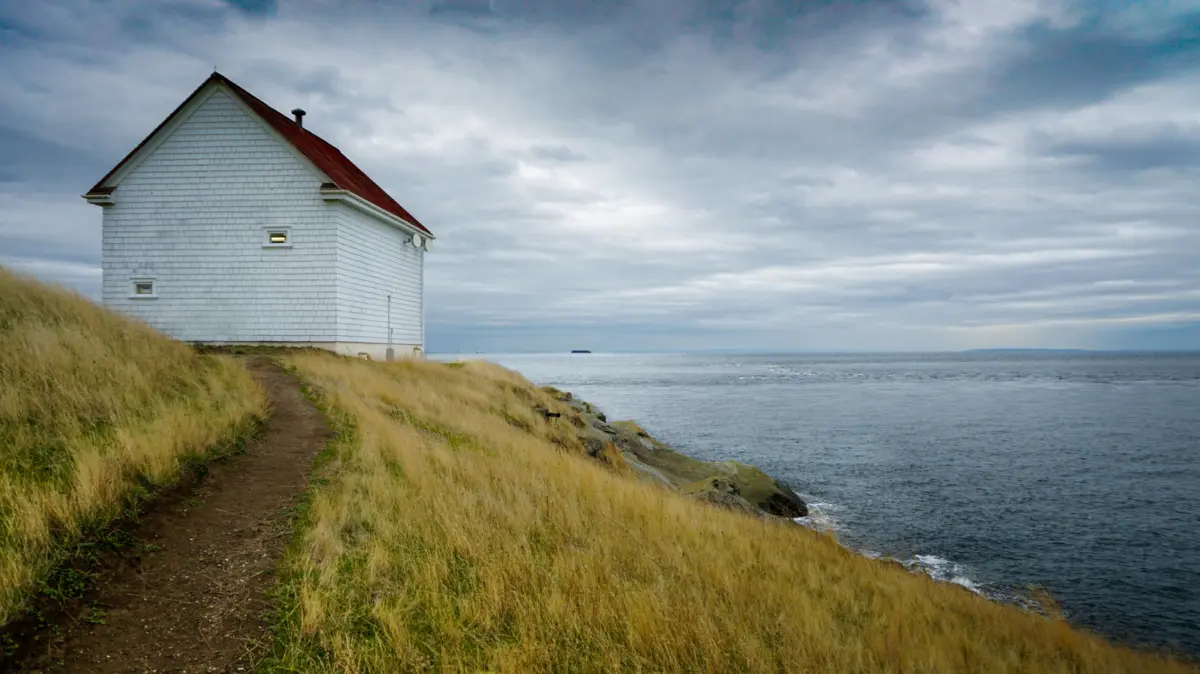
Tucked away in the windswept expanse of the Salish Sea between the vibrant Canadian mainland of British Columbia and Vancouver Island lies an archipelago of rugged, jewel-like landmasses known as the Gulf Islands. While many of these islands have experienced a steady influx of modern infrastructure, upscale boutique development, and weekend tourism, one remarkable sanctuary remains staunchly protected by geography, topography, and deliberate preservation: Saturna Island.
Reaching a permanent year-round population of only about 350 residents, Saturna Island serves as a masterclass in ecological conservation and quiet isolation. Over 40% of its roughly 12-square-mile land mass is officially protected under the auspices of the Gulf Islands National Park Reserve. Because it lacks direct ferry service from the Canadian mainland—requiring travelers to navigate a deliberate series of ferry transfers or arrive by private vessel and floatplane—Saturna successfully filters out the casual, high-volume tourist traffic that plagues other Pacific Northwest destinations.
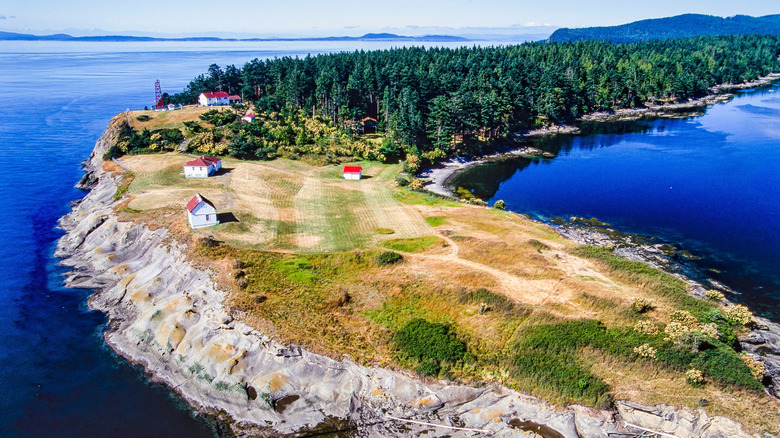
For the intrepid traveler willing to brave the journey, Saturna offers a rare window into a bygone era of coastal wilderness. Boasting Canada’s only true Mediterranean climate—experiencing significantly less rainfall than neighboring Vancouver or Victoria—the island presents a striking combination of golden grass plains, dramatic sandstone formations, rich marine wildlife, and a slower, more intentional pace of life. This comprehensive report explores Saturna Island’s unique geography, vibrant local culture, wildlife spectacles, and the logistics required to experience one of British Columbia’s best-kept secrets.
Detailed Chronology & Historical Context
To truly appreciate Saturna Island today, one must understand the deep roots that tether the land to its ancestral guardians and maritime pioneers.
- Pre-Contact and Indigenous Stewardship: Long before European explorers mapped the Pacific Northwest, the Gulf Islands were stewarded by Coast Salish Indigenous peoples. Saturna Island—historically known in the SENĆOŦEN language as Sadȯna—served as a vital resource harvesting ground, rich in shellfish, marine life, and native flora. The island’s sheltered bays and rich ecosystems sustained indigenous communities for millennia through sustainable, seasonal habitation.
- European Exploration and Naming (1794): The island received its modern moniker in 1794 from Spanish explorers in the naval vessel Sutil, commanded by Dionisio Alcalá Galiano and Cayetano Valdés. They named it Isla de Sapatrana in honor of a Spanish naval official, which eventually was anglicized to "Saturna."
- Pioneer Settlement and Agricultural Roots (Late 19th Century): European settlers arrived in the late 1800s, establishing homesteads focused on logging, sheep farming, and orchard cultivation. The rugged terrain and isolation meant that early settlers had to be entirely self-reliant, a resilient ethos that persists among the island’s modern community.
- The Conservation Era (2003): A monumental shift occurred with the establishment of the Gulf Islands National Park Reserve in 2003. This federal protection cemented Saturna’s ecological future, ensuring that nearly half of its territory would remain forever wild, safeguarding fragile Garry oak ecosystems, coastal bluffs, and vital marine habitats.
Supporting Context & Geographic Metrics
Understanding the scale, climate, and ecosystem of Saturna Island reveals why it occupies such a singular position in Canadian tourism and environmental conservation.
Geographic and Climatic Profile
- Land Area: Approximately 12 square miles (31 square kilometers) of varied topography, ranging from sea-level coves to elevated mountain ridges.
- Population: Approximately 350 permanent residents, creating an exceptionally low population density.
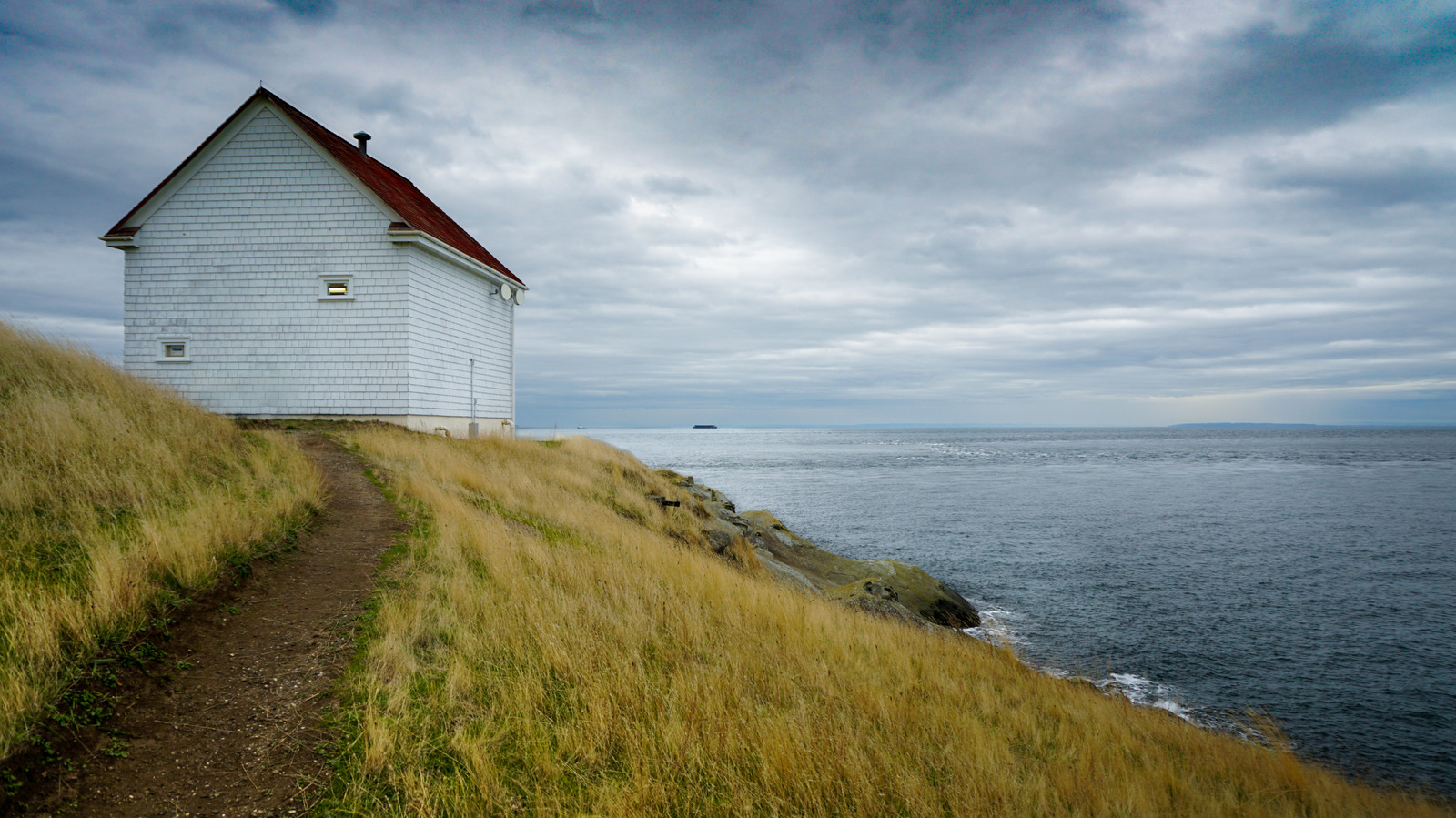
- Climate Anomaly: Despite its Pacific Northwest coordinates, Saturna experiences a unique Mediterranean microclimate. It receives significantly less annual rainfall than nearby urban centers like Vancouver and Victoria, resulting in prolonged dry, sun-drenched summers and mild winters.
- Park Encroachment: More than 40% of the island’s territory is managed under the Gulf Islands National Park Reserve, limiting commercial development and protecting native flora and fauna.
Infrastructure and Local Economy
Because of its small population and protected status, Saturna’s infrastructure is delightfully uncommercialized. There are no sprawling resort hotels, chain restaurants, or bustling commercial strips. Instead, visitors encounter a close-knit, self-sustaining community anchored by a handful of vital local businesses:
- The General Store & Saturna Cafe: The community hub providing essential provisions, groceries, and casual dining.
- The Lighthouse Pub: Located conveniently near the ferry dock, praised by travelers and locals alike as a premier destination for watching Pacific sunsets over the Salish Sea.
- Sage Haven Vineyards: A local winery featuring an onsite bistro that serves handmade pizzas crafted from fresh, local ingredients. Beyond its culinary offerings, the vineyard acts as a cultural center, hosting lively daytime events ranging from outdoor concerts and harvest festivals to vibrant drag brunches.
- Accommodation Alternatives: With zero traditional resort hotels, lodging on Saturna encourages immersive, slow travel. Visitors stay in small rental cottages, cozy woodland cabins, or intimate bed-and-breakfast inns, allowing them to temporarily integrate into the local rhythm.
What to Do and See on Saturna Island
Saturna’s raw, untouched landscapes invite travelers to step away from screens and schedules, offering world-class outdoor recreation, wildlife viewing, and scenic exploration.
East Point Regional Park and Marine Wildlife
Located at a thin spit of land jutting dramatically into the Salish Sea, East Point Regional Park is a crown jewel of the island. Ringed by intricately carved, swirling sandstone rock formations sculpted by centuries of wind and tide, East Point is internationally renowned as one of the finest land-based whale-watching locations in the world.
A unique geological phenomenon occurs here: rushing ocean water collides with an underwater ledge, creating a massive submerged waterfall that churns up dense layers of plankton from the deep ocean floor. This biological bounty triggers feeding frenzies among migrating orcas. In addition to killer whales, visitors frequently spot harbor seals, harbor porpoises, and—in an encouraging ecological comeback after years of absence—increasing numbers of majestic humpback whales.
Hiking Mount Warburton Pike and Brown Ridge Trail
For those seeking terrestrial adventure, a hike up Mount Warburton Pike via the 3.8-mile Brown Ridge Trail is an absolute necessity. Ascending the trail rewards hikers with sweeping, unobstructed panoramic views of the Gulf Islands archipelago stretching across the horizon.
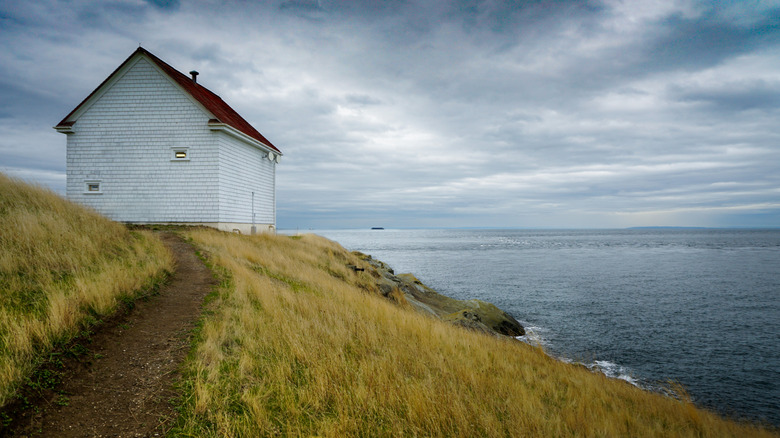
As one awestruck traveler noted on TripAdvisor: "One of the most beautiful views I’ve ever seen. The deep quiet amplified the magnificence of this place." The serene acoustic profile of the park—unmarred by highway noise or heavy industrial hums—enhances the transcendental experience of standing atop the ridge.
Ocean Kayaking and Coastal Exploration
Given that Saturna is entirely defined by the marine environment, exploring its coast by kayak is an unforgettable adventure. While casual visitors can rent kayaks by the hour for brief excursions, the ultimate Pacific Northwest challenge is a multi-day circumnavigation of the island. Taking roughly two to three days, this classic Canadian expedition involves boat-in camping along secluded shores. For those less confident in navigating open waters independently, outfitters such as KayakingSkills Saturna Island offer professionally guided tours that ensure safety while unlocking hidden coves and tidal secrets.
Getting to Saturna Island: A Journey That Is Half the Adventure
Unlike Galiano Island, which enjoys swift ferry connections from Vancouver’s Tsawwassen terminal, Saturna Island is intentionally difficult to reach. This logistical hurdle serves as its greatest preservation tool.
The Ferry Journey
There is no direct ferry service from the Canadian mainland to Saturna. Travelers departing from the Tsawwassen terminal typically must make at least one ferry transfer—often stopping at Galiano Island before changing vessels at Mayne Island. An alternative, equally scenic route begins at Swartz Bay, north of Victoria.
Rather than viewing these transfers as an inconvenience, seasoned travelers treat the ferry voyage through the Salish Sea as a mini-cruise. The maritime passage through the Gulf Islands offers some of the most breathtaking coastal vistas in the Pacific Northwest. For an exceptionally epic route, travelers can even depart from Seattle, navigate the wild San Juan Islands by ferry to Victoria, and then continue onward into the Gulf Islands.
Floatplane Transit
For travelers seeking speed and convenience, the most direct route is via floatplane from Richmond (near Vancouver). Operating twice daily (morning and evening), these 20-minute flights land directly at the island’s ferry dock.
Getting Around On-Island
Once ashore, visitors have unique eco-friendly options for navigating the island’s steep, rolling terrain:
- Volunteer Community Shuttle: Operated by local volunteers from the Lions Club, this reservable shuttle service allows visitors to explore the island car-free while gleaning invaluable, firsthand local lore.
- Cycling and E-Bikes: Because Saturna’s topography is notably hilly, traditional bicycling can be physically demanding. Renting an e-bike offers the perfect compromise, allowing visitors to conquer hills effortlessly while soaking in the open-air coastal atmosphere.
Future Outlook
As overcrowding and overtourism increasingly impact traditional global hotspots, destinations like Saturna Island face a delicate balancing act. The pressure to modernize or expand tourism infrastructure is a constant threat to fragile ecosystems.
However, the steadfast commitment of Saturna’s permanent community, combined with the stringent legal protections enforced by the Gulf Islands National Park Reserve, paints a promising picture for the future. By maintaining its difficult-to-reach status and rejecting high-density commercial development, Saturna Island ensures that its dramatic sandstone shores, ancient forests, and abundant marine life will remain untouched for generations to come.
For travelers searching for profound silence, untamed nature, and an authentic connection to the Canadian wilderness, Saturna Island stands ready—unapologetically secluded, brilliantly pristine, and waiting at the edge of the Salish Sea.