








Executive Overview
In an era when municipal management is frequently characterized by budgetary shortfalls, bureaucratic gridlock, and deteriorating infrastructure, exceptional local governance stands out like a beacon. According to WalletHub’s comprehensive 2026 municipal study, which evaluated 148 of the largest cities across the United States, Manchester, New Hampshire, has captured the prestigious title of the best-run city in New England—and an astonishing third place nationwide.
For travelers, remote workers, and those looking to relocate away from congested metropolitan cores, this top-tier municipal ranking translates directly into tangible everyday benefits. Behind WalletHub’s complex algorithms, financial spreadsheets, and per-capita efficiency metrics lies a vibrant, safe, and remarkably clean East Coast destination. Manchester offers an inviting blend of world-class arts, thriving independent shopping districts, exceptional culinary hotspots, and abundant outdoor recreation.
Rather than merely existing as an industrial relic of the past, Manchester has successfully reinvented itself into a modern, forward-thinking urban center. Its high marks in fiscal stability, low traffic congestion, minimal property crime, and exceptionally clean air make it one of the most appealing secondary cities in the United States. This report examines the data behind Manchester’s success, explores its cultural and recreational highlights, and analyzes what the future holds for New England’s premier urban escape.
Detailed Chronology: From Industrial Pioneer to Modern Municipal Model
To understand Manchester’s current status as a model of civic efficiency, one must trace its historical evolution from a gritty 19th-century manufacturing powerhouse to a diversified 21st-century service and technology hub.
The Mill Town Roots (19th to Mid-20th Century)
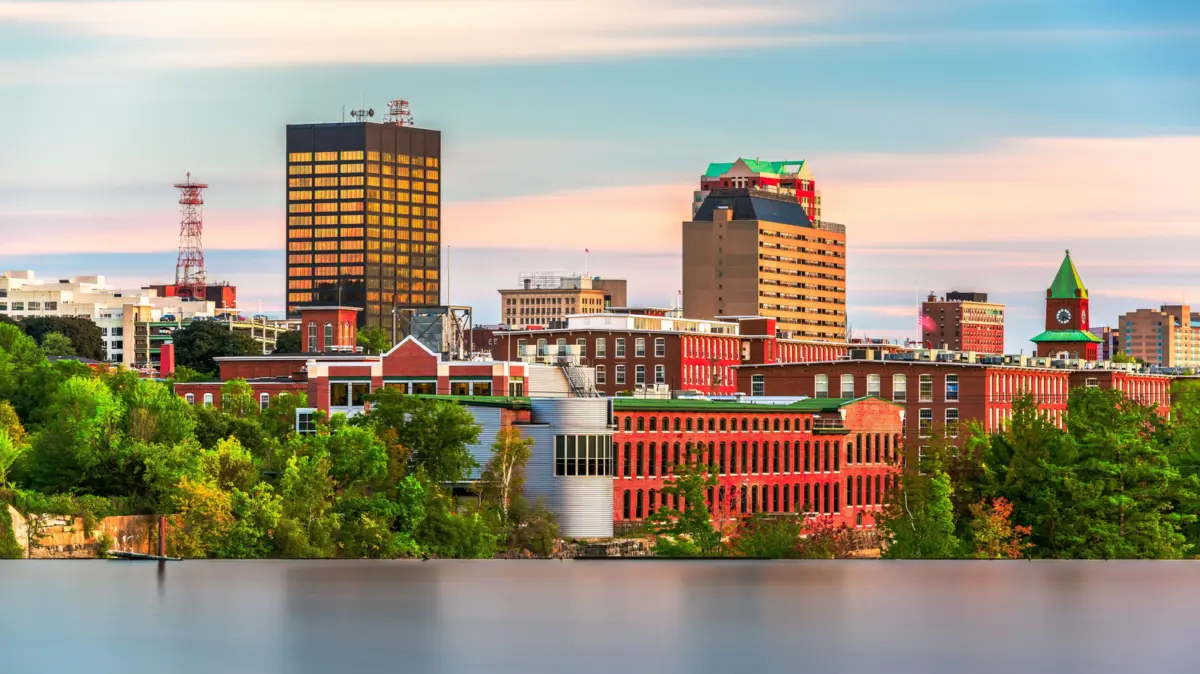
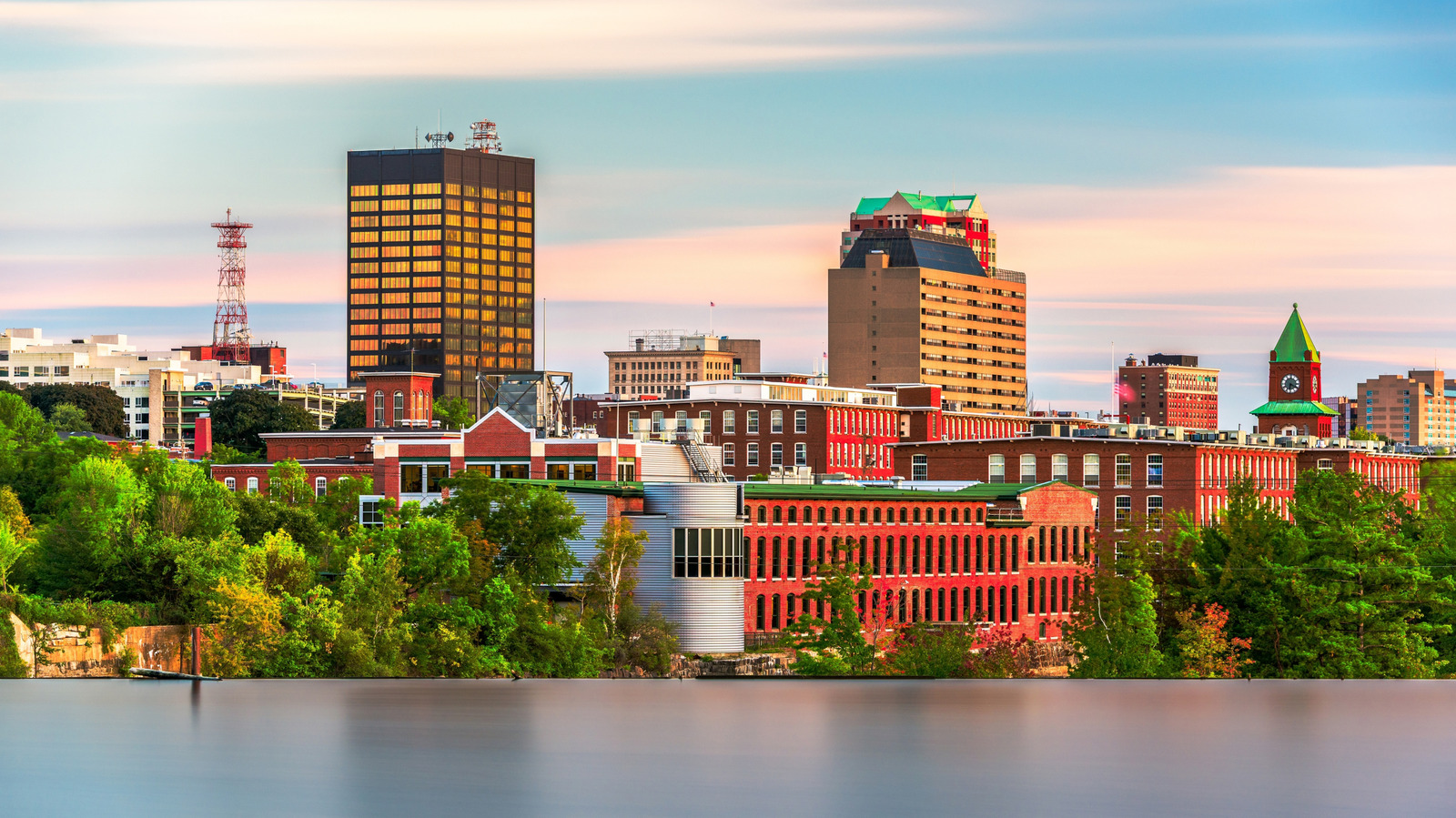
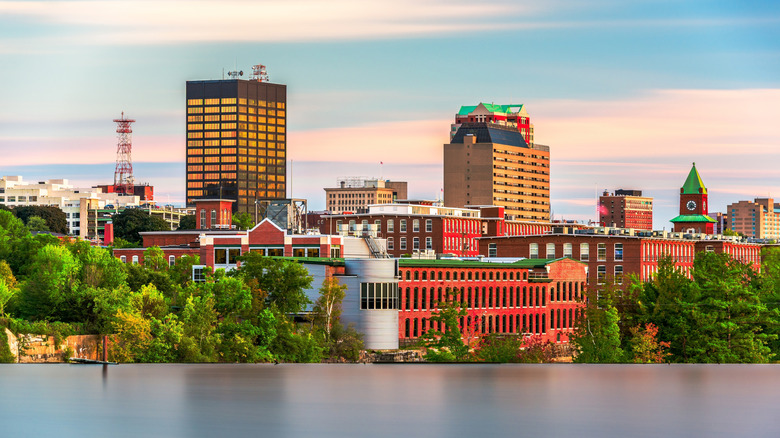
Founded alongside the powerful currents of the Merrimack River, Manchester grew rapidly during the Industrial Revolution. For decades, the Amoskeag Manufacturing Company dominated the city, operating the largest cotton textile plant in the world. The sprawling brick mill complexes stretched along the riverfront, defining the city’s identity, economy, and architectural landscape.
However, like many classic New England industrial centers, Manchester faced profound economic shocks when the textile industry declined and the Amoskeag mills closed in the mid-1930s. For years, the city struggled to redefine its purpose, leaving massive industrial infrastructure underutilized and municipal budgets strained.
The Pivot to Diversification (Late 20th Century)
The turning point for modern Manchester began in the latter half of the 20th century, when civic leaders aggressively pursued economic diversification. Instead of relying on a single manufacturing sector, the city fostered an environment welcoming to healthcare, higher education, financial services, and light technology.

Concurrently, municipal authorities recognized that long-term sustainability required strict fiscal discipline. City planners focused on revitalizing the downtown core, preserving historic assets like the red-brick mill buildings—which were later converted into residential lofts, offices, and educational spaces—and investing heavily in public safety and infrastructure.
The 2026 Recognition and Contemporary Renaissance
Fast forward to 2026, and these decades of strategic planning have culminated in national recognition. WalletHub’s annual best-run cities study cemented Manchester’s status at the top of the New England municipal hierarchy. Today, the city serves as a living laboratory for effective governance, proving that mid-sized cities can successfully balance economic development, environmental stewardship, and high quality of life without incurring debilitating municipal debt.
Supporting Context & Metrics: Decoding the Data Behind the Ranking
WalletHub’s methodology is rigorous, designed to measure how effectively local governments translate taxpayer dollars into tangible community services. The research organization evaluated 148 of the largest U.S. cities across six core categories:
- Financial Stability
- Education
- Health
- Safety
- Economy
- Infrastructure and Pollution
Each city’s cumulative score was measured against its total budget per capita to determine operational efficiency—essentially calculating the "return on investment" for local taxpayers.
Where Manchester Excelled
Manchester’s stellar overall placement was propelled by standout performances in specific sub-categories that directly impact both residents and visitors:
- Air Quality and Environmental Health: Manchester ranked as the sixth-lowest for air pollution among all evaluated U.S. cities. For travelers seeking an outdoor-oriented escape free from the heavy smog of larger coastal metropolises, this pristine air quality is a major asset.
- Traffic Management: Urban gridlock is the bane of modern travel. Manchester earned the 12th-lowest traffic congestion score in the country. Navigating from the city’s cultural hubs to its expansive parks requires minimal time spent idling in traffic.
- Public Safety: Safety remains a paramount concern for urban explorers. Manchester secured the 19th-lowest property crime rate among the study cohort, creating an environment where visitors can comfortably stroll downtown streets and explore public parks day or night.
Economic Prudence and Grant Initiatives
Behind these favorable metrics are active municipal and quasi-municipal agencies. Organizations like the Manchester Development Corporation (MDC) actively inject vitality into the streetscape through targeted programs. For instance, the Enhance MHT matching grant program provides financial assistance to local businesses for storefront improvements, outdoor seating, dynamic window displays, and creative signage. This public-private cooperation ensures that downtown Elm Street remains visually appealing, economically resilient, and welcoming to pedestrians.
Official Statements and Civic Leadership
Local officials and urban planning experts attribute Manchester’s success to a culture of collaboration, fiscal conservatism, and proactive community investment.
In statements regarding the city’s economic strategies, municipal leaders have consistently emphasized that efficient governance is not about spending less, but about spending wisely. By prioritizing long-term infrastructure maintenance over short-term political fixes, Manchester has avoided the deferred maintenance crises plaguing larger urban centers.
Furthermore, the city’s institutional bodies—such as the Manchester Arts Commission—play a vital role in funding public art displays and community programs. By embedding the arts directly into the civic infrastructure, the city has created an environment where cultural enrichment is accessible to all residents and visitors, bridging the gap between municipal administration and community soul.
Cultural Immersion: Arts, Independent Shopping, and Culinary Delights
A well-run city ultimately proves its worth through the lived experiences of those who walk its streets. Manchester offers a surprisingly rich cultural tapestry that rivals cities twice its size.
The Art Scene and Architectural Marvels
At the cultural heart of the city is the renowned Currier Museum of Art. Housing an impressive permanent collection that features masterworks by Claude Monet, Pablo Picasso, and Georgia O’Keeffe, the museum anchors Manchester’s reputation as a regional arts capital. In addition to its rotating world-class exhibitions, the museum acts as a steward of architectural history, managing two residential properties designed by legendary American architect Frank Lloyd Wright, which visitors can tour by reservation.
Downtown Shopping Along Elm Street
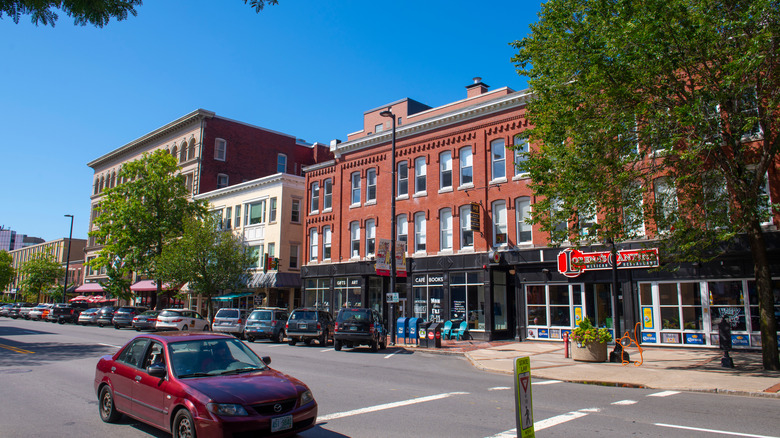
Manchester’s commercial core centers on leafy, vibrant Elm Street. Unlike homogenized suburban strip malls, downtown Manchester champions independent retailers and specialty shops:
- Fishtoes: A funky, curated vintage boutique specializing in authentic clothing, furniture, and home decor spanning the 1950s through the early 2000s.
- Bookery Manchester: A community-centric independent bookstore on Elm Street featuring an integrated café, cozy reading nooks, and a robust weekly calendar of author readings and community events.
- Granite State Candy Shoppe: Operating right next door in a classic old-fashioned brick storefront, this local institution has been serving handmade fudge, chocolates, and traditional maple sugar candies for generations.
Beyond shopping, Manchester has increasingly earned a reputation among foodies, offering an eclectic culinary scene that ranges from farm-to-table New England bistros to international eateries reflecting the city’s diverse demographic heritage.
Great Outdoors: Fresh Air and Green Spaces
Thanks to its exceptionally clean air and minimal pollution rankings, Manchester invites visitors to step outside and explore its natural assets.
Livingston Park
Located just a five-minute drive from the Currier Museum of Art, Livingston Park is a beloved 131-acre green space centered around Dorrs Pond. Boasting stellar ratings from thousands of visitors, the park features a flat, accessible pond-side walking trail, excellent freshwater fishing opportunities, and a frozen pond that transforms into a community ice-skating rink during the winter months.
Derryfield Park
For those seeking elevation and panoramic vistas, Derryfield Park offers a wooded hilltop setting overlooking the Manchester skyline. The park includes expansive open fields, tennis courts, a children’s playground, a historic gazebo, and an outdoor fitness area, making it a popular destination for active travelers and families.
The Merrimack River and Heritage Trail
No exploration of Manchester is complete without acknowledging the Merrimack River, which cuts a scenic path directly through the city. Arms Park, situated right along the riverfront in downtown, provides a tranquil setting for a riverside stroll equipped with ample seating. The park serves as a primary access point for the broader 6.1-mile Heritage Trail, providing a continuous, safe corridor for long-distance walkers, joggers, and cyclists.
Venturing Beyond the Core: Massabesic Lake
For an extended outdoor excursion, travelers can take a brief 10-minute drive east of the city center to Massabesic Lake. Bordering the historic Youngsville neighborhood, this expansive body of water is surrounded by historic multi-use trails, making it an ideal spot for hiking, birdwatching, and enjoying authentic New England tranquility just minutes from urban amenities.
Future Outlook: What’s Next for New England’s Model City?
As Manchester looks toward the remainder of the decade and beyond, its status as New England’s best-run city brings both accolades and new responsibilities.
Sustaining Growth Without Losing Character
The primary challenge facing municipal leaders will be managing prospective population growth and increased tourism without eroding the very qualities that earned Manchester its top-tier ranking. As remote workers and urban refugees continue to discover New England’s hidden gems, housing demand and real estate pressures will require careful zoning and proactive infrastructure planning.
Continued Infrastructure and Green Investments
City planners have signaled a continued commitment to smart growth, with upcoming municipal budgets prioritizing green energy transitions, expanded bike-lane networks, and further revitalization of the riverfront. By maintaining its disciplined approach to fiscal management, Manchester is well-positioned to fund these future-proofing initiatives without overburdening taxpayers.
Accessibility and Tourism
Reaching Manchester has never been easier. Situated just a 15-minute drive from the Manchester-Boston Regional Airport (MHT) and roughly an hour’s drive north of Boston, the city offers an effortless escape for weekend travelers and long-term vacationers alike.
As cities across America grapple with modern urban crises, Manchester stands as proof that visionary leadership, efficient financial stewardship, and a commitment to quality of life can create a thriving, safe, and deeply rewarding destination. Whether you come for the art of the masters, the charm of Elm Street, or the fresh air of the Merrimack River, Manchester, New Hampshire, sets the gold standard for urban living in New England for 2026 and beyond.