By Philippe Lazaro, Digital Content Manager 6-Minute Read
Executive Overview
Storytelling is arguably humanity’s oldest surviving technology. Long before the invention of modern oceanography, satellite mapping, or marine biology, our ancestors relied on oral traditions to decode the complex, often perilous behaviors of the sea. Across diverse continents and isolated archipelagos, coastal communities built expansive networks of myth, legend, and ritual. Far from being mere entertainment or superstitious fancy, these narratives functioned as sophisticated ecological data repositories. They encoded vital survival mechanisms, seasonal migration patterns, and unwritten conservation ethics that ensured human survival without devastating marine ecosystems.
Today, as contemporary marine science documents the rapid degradation of our global oceans—from climate-induced warming and coral bleaching to ocean acidification and abandoned fishing gear—researchers are increasingly turning back to indigenous and traditional knowledge systems. These ancient stories reveal a profound truth: humanity has historically viewed the ocean not as an endless garbage dump or a purely extractable resource, but as a reciprocal relationship demanding profound respect. By examining coastal legends from Scotland to Vietnam, the Caribbean to the Pacific, we discover a blueprint for modern conservation, proving that cultural heritage and marine protection are inextricably linked.
Detailed Chronology: The Evolution of Ocean Lore and Ecological Ethics
To understand how traditional stories protected marine environments, it is necessary to trace how oral histories evolved across distinct geographical epochs and cultural landscapes.
Scotland: The Selkie Taboo and Seal Preservation
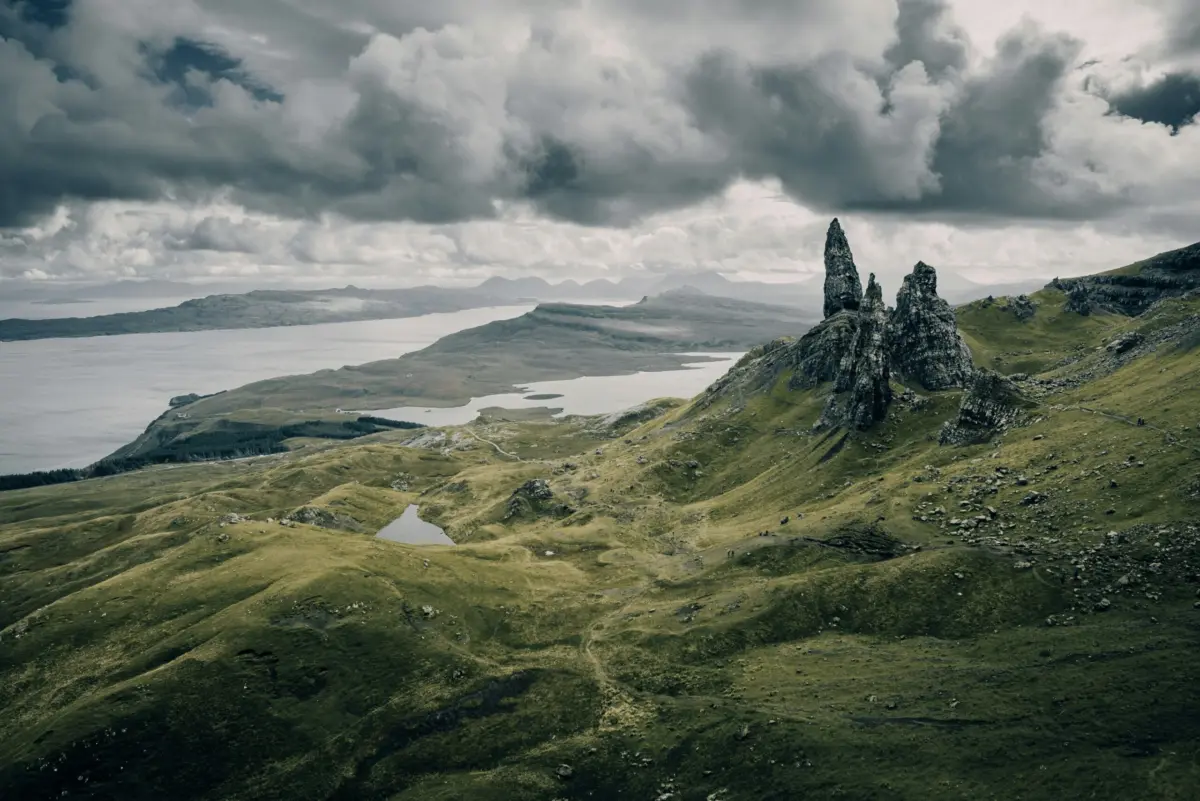
In early written and oral records from the rugged northern coasts of Scotland, coastal dwellers spoke of the selkie—seal-people capable of shedding their aquatic skins to walk upon the earth as humans. The archetypal narrative follows a human who discovers a selkie’s sealskin on the shore, hiding it to force a matrimonial bond. Though the selkie often raises a human family, an undercurrent of melancholy persists until the skin is recovered, prompting an immediate and unhesitating return to the sea.
Conservation Impact: By humanizing seals through folklore, Scottish coastal communities inadvertently created a powerful cultural taboo against the over-hunting and slaughter of these marine mammals. Today, modern conservation groups frequently look to the selkie as a cultural emblem to combat ongoing threats to Scottish gray seal populations, such as entanglement in abandoned fishing gear and historical culling pressures.
Pasifika: Wayfinding Through Myth and Star Lore
For over three thousand years, the Indigenous Peoples of the Pacific Islands—collectively known as Pasifika—have mastered the art of traversing the vast, featureless expanse of the Pacific Ocean without modern instrumentation. Their navigational framework relied heavily on oral traditions.
Ecological Roots: Navigators memorized intricate tales of the demigod Māui and his celestial canoe, Waka-a-Māui, alongside stories of Tāwhirimātea, the god of wind and storms. The appearance of specific stellar clusters, such as the Pleiades, served as empirical calendars indicating optimal weather windows for long-distance seafaring.
Conservation Impact: Wayfinding is fundamentally an empirical science built on millennia of observation. By embedding meteorological and oceanographic data into memorable narratives, Pasifika cultures successfully preserved and transmitted complex ecological tracking methods across countless generations.
Mexico: Chalchiuhtlicue and the Dual Nature of Water
In Aztec cosmology, Chalchiuhtlicue reigned as the goddess of rivers, lakes, streams, and the open ocean, acting as the divine guardian of fishermen and mariners. Frequently depicted in dual roles as both creator and destroyer, her narratives reflected the unpredictable volatility of aquatic environments.
Ecological Roots: Mexico’s Pacific and Gulf coastlines represent some of the most biologically productive yet storm-vulnerable marine ecosystems on Earth.
Conservation Impact: The mythology of Chalchiuhtlicue instilled a deep societal respect for the hydrological cycle. Indigenous communities recognized that water could sustain agriculture or unleash catastrophic floods, encouraging a balanced, sustainable approach to watershed and marine resource management.
Vietnam: Grandfather Whales and Reciprocal Mourning
Along the coastal villages of Vietnam, fishermen have long worshipped whales as divine protectors, affectionately referring to them as Cá Ông or "Grandfather Whales."
Ecological Roots: Numerous historical accounts document sperm whales, humpbacks, and gray whales exhibiting protective behaviors toward distressed swimmers or capsized vessels, matching the folklore of cetacean rescue missions.
Conservation Impact: Because of this deep reverence, Vietnamese fishing communities hold biannual Whale Prayer Festivals and perform formal Confucian funerals for beached whales. Scientifically, these massive carcasses—often called whale falls—provide critical nutrition to hundreds of deep-sea species, turning a moment of grief into a vital ecological milestone.
Caribbean: Mami Wata and the Sacred Species Effect
Carried across the Atlantic by enslaved Africans, the worship of the water deity Mami Wata—known as La Sirène in Haiti, River Mumma in Jamaica, and Yemonja in Brazil—permeates Caribbean culture.
Ecological Roots: Often envisioned as a mermaid with a dual nature (generous yet dangerous), scholars note that early sightings of Mami Wata were frequently inspired by West Indian manatees—large, slow-moving marine mammals with humanlike nursing behaviors.
Conservation Impact: The decline of local manatee populations has historically mirrored the fading adherence to traditional spiritual taboos. This phenomenon, recognized by modern conservationists as the "sacred species effect," demonstrates that cultural and moral imperatives can often enforce environmental protection far more effectively than top-down legal statutes.
Supporting Context & Metrics: Bridging Ancient Wisdom and Marine Science
While ancient storytellers lacked sonar equipment and satellite telemetry, their long-term, localized observations yielded remarkably accurate ecological insights.
Biodiversity Preservation: Regions with deeply rooted indigenous conservation ethics—such as the whale-protecting villages of Vietnam and the Pacific Islander marine stewardship zones—consistently exhibit higher biodiversity retention rates compared to unregulated, industrial exploitation zones.
The Cost of Modern Neglect: According to marine conservation data, aging offshore oil and gas infrastructure currently litters the ocean floor, corroding silently and threatening delicate marine habitats. Corporate actors frequently exploit regulatory loopholes to evade cleanup responsibilities.
The Power of Community Taboos: Sociological studies indicate that when local communities view a marine species or ecosystem through a sacred or cultural lens, illegal harvesting drops by upwards of 40% compared to regions governed solely by punitive fines.
Official Statements and Conservation Perspectives
As global environmental pressures mount, leading conservation organizations are increasingly advocating for the integration of traditional ecological knowledge (TEK) into modern policy frameworks.
"The ocean has always been more than a simple economic resource; it is a living entity that demands a reciprocal relationship," notes a leading marine policy analyst at Ocean Conservancy. "When we look at the oral histories of coastal peoples around the world, we find centuries of empirical wisdom that modern science is only now beginning to fully validate and incorporate into our conservation models."
Experts emphasize that modern legislative efforts must reflect this holistic mindset. Whether fighting against plastic pollution, establishing marine protected areas, or holding fossil fuel conglomerates accountable for abandoned offshore infrastructure, lawmakers must listen to the voices of those who have historically inhabited and protected our coasts.
Future Outlook: Protecting Our Oceans Through Accountability
The convergence of ancient maritime folklore and modern marine science offers a clear path forward. The stories told about the sea remind us that humanity’s fate is inextricably linked to the health of our global waters. However, cultural reverence alone cannot neutralize the immediate threats posed by corporate negligence and industrial pollution.
Right now, aging offshore oil and gas infrastructure is decaying on the ocean floor, directly threatening iconic marine species and fragile ecosystems. Corporations must not be allowed to walk away from their environmental obligations.
Take Action Today
The proposed Offshore Leasing Standards and Accountability Act, currently before Congress, would mandate that oil and gas companies take full financial and operational responsibility for their drilling infrastructure before, during, and after extraction.
The ocean has sustained human culture, art, and survival for millennia. It is time for us to return the favor.