








Executive Overview
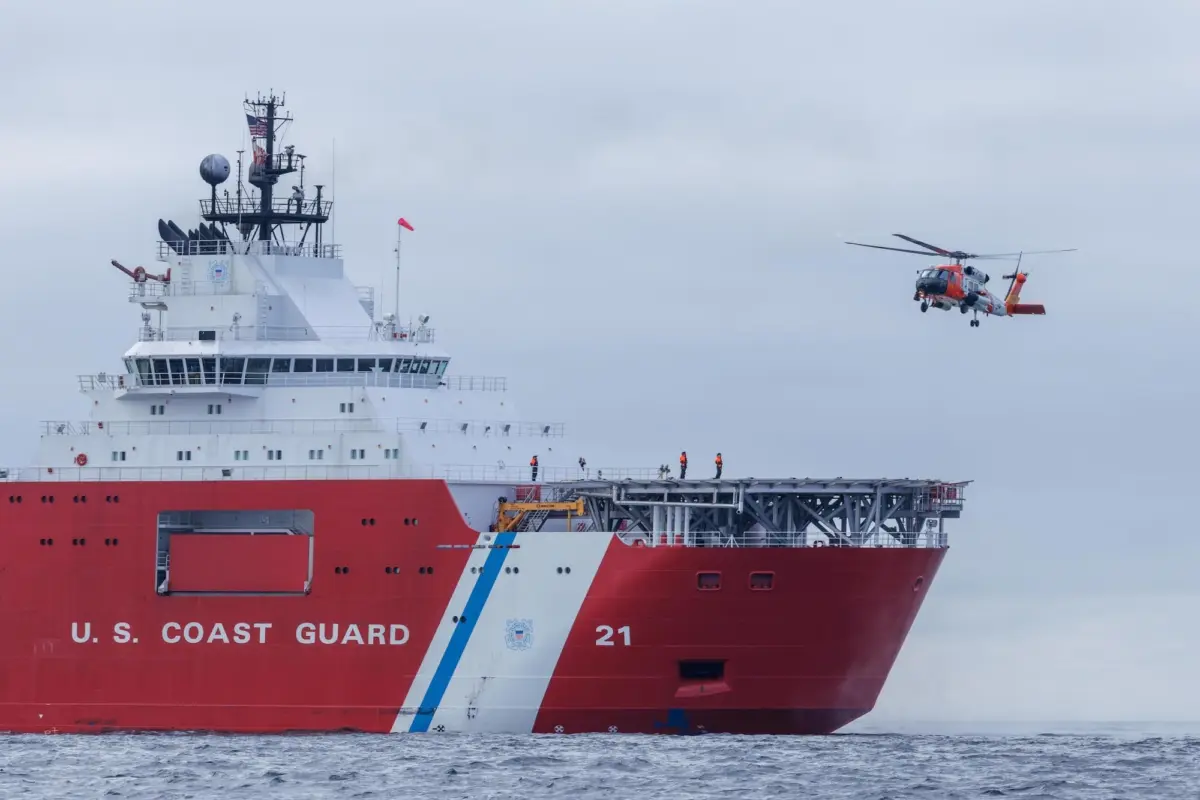
In a decisive move to fortify its strategic posture in the high northern latitudes, the United States Coast Guard (USCG) has awarded a $315 million contract to construction giant Tutor Perini Corporation. Announced on September 11, 2024, the massive infrastructure undertaking is designed to transform Base Kodiak, Alaska, into a premier, state-of-the-art operating hub capable of supporting the next generation of polar security vessels.
The centerpiece of this initiative is the design and construction of a new, high-capacity fuel pier and a major cutter mooring facility. This development comes at a critical geopolitical juncture. As climate change rapidly diminishes Arctic ice cover, the region is transitioning into a highly contested theater of commercial shipping, resource extraction, and naval posturing. The United States, facing aggressive Arctic expansion from both Russia and China, has found itself structurally bottlenecked by aging polar infrastructure and a severely limited icebreaker fleet.
By modernizing the waterfront at Base Kodiak, the Coast Guard is laying the physical foundation required to project sustainable maritime power, enforce sovereignty, and conduct critical search-and-rescue operations across the northern border and maritime approaches. The project, funded through a complex mosaic of federal infrastructure and defense appropriations, is scheduled for completion in the fall of 2030.
                       BASE KODIAK EXPANSION TIMELINE

   May 2024             June 2024            Sept 2024            2028                 Fall 2030
      │                    │                    │                  │                       │
      ▼                    ▼                    ▼                  ▼                       ▼
┌───────────┐        ┌───────────┐        ┌───────────┐      ┌───────────┐           ┌───────────┐
│ Housing & │        │ Homeport  │        │ $315M Pier│      │ 1st ASC   │           │ Project   │
│ Child Care│        │ Plan      │        │ Contract  │      │ Delivery  │           │ Completion│
│ Contract  │        │ Announced │        │ Awarded   │      │ Expected  │           │ Target    │
└───────────┘        └───────────┘        └───────────┘      └───────────┘           └───────────┘
Detailed Chronology of the Infrastructure Campaign
The $315 million waterfront contract represents the latest and largest phase in a multi-year, coordinated campaign to scale up Base Kodiak’s capabilities. To understand the trajectory of this expansion, it is necessary to examine the sequence of strategic decisions and contract awards that have unfolded over the past year:
- May 2024 – Laying the Human Foundation: Recognizing that advanced hardware requires expanded personnel, the Coast Guard awarded Tutor Perini two critical task orders totaling $143.4 million. This initial phase focuses on the human element of the expansion, funding the construction of 30 modern family housing units and a new, state-of-the-art child development center. These facilities are designed to support the influx of service members and their families required to crew and maintain the incoming fleet.
- June 2024 – The Homeporting Blueprint: The Coast Guard formally announced its long-term Arctic homeporting strategy. The service designated Base Kodiak as the future homeport for its first two newly designed Arctic Security Cutters (ASCs). Additionally, plans were unveiled to homeport a third ASC at Seward, Alaska, contingent upon the completion of supporting local infrastructure.
- July 2024 – The Operational Crisis: Highlighting the fragility of the current U.S. polar posture, the medium icebreaker USCGC Healy suffered a catastrophic engineering casualty in the Gulf of Alaska. The mechanical failure forced the vessel to abort its highly anticipated high-latitude summer patrol and return to Seattle for extensive repairs. This incident underscored the urgent, compounding need for new vessels and resilient regional bases.
- September 11, 2024 – The Waterfront Contract Award: The Coast Guard officially finalized the $315 million contract with Tutor Perini Corp. to execute the design and construction of the new fuel pier and major cutter mooring.
- 2028 – The Arrival of the Vanguard: The first of the new Arctic Security Cutters is scheduled for delivery. Because the vessel will arrive approximately two years before the Kodiak waterfront project is fully completed in 2030, the Coast Guard will have to rely on interim mooring strategies and existing regional infrastructure during the transitional phase.
- Fall 2030 – Full Operational Capability: The new fuel pier, cutter berths, and auxiliary utility systems are slated to become fully operational, officially establishing Kodiak as the primary logistical springboard for American polar operations.
Supporting Context & Technical Metrics
The scale of the Base Kodiak modernization project requires an extraordinary engineering effort, dictated by the unforgiving Alaskan environment and the specialized requirements of polar-class vessels.
Engineering and Technical Specifications
The contract awarded to Tutor Perini goes far beyond basic dock construction. The scope of work is a comprehensive civil and marine engineering overhaul designed to withstand extreme sub-zero temperatures, high-velocity winds, and seismic activity:
- Waterfront Grading and Ground Stabilization: Kodiak’s coastal geology requires extensive earthwork and advanced ground stabilization techniques to ensure that the heavy concrete structures of the pier do not shift under seismic stress or frost heave.
- High-Capacity Fueling Utility Building: A new dedicated facility will manage the high-volume transfer of marine diesel and aviation fuel, enabling rapid refueling of major cutters and supporting aircraft.
- Demolition and Environmental Remediation: The project mandates the complete demolition of the existing, outdated fuel pier. A recent Coast Guard environmental assessment outlines strict mitigation measures to minimize the impact of demolition on local marine mammal populations and fisheries.
- Unexploded Ordnance (UXO) Mitigation: Given Kodiak’s history as a critical, heavily fortified military outpost during World War II, the construction footprint will undergo comprehensive scanning and clearing to safely remove any legacy unexploded ordnance.
- Cold-Ironing Shore Connections: The new mooring will feature high-voltage shore-power connections. This "cold-ironing" capability allows docked cutters to shut down their auxiliary diesel engines and run on shore power, significantly reducing localized air emissions, fuel consumption, and mechanical wear-and-tear while in port.
| Project Metric | Specification / Details |
|---|---|
| Total Waterfront Contract Value | $315,000,000 |
| Primary Contractor | Tutor Perini Corporation |
| Anticipated Completion Date | Fall 2030 |
| Berthing Capacity | Up to two major cutters simultaneously |
| Auxiliary Housing Investment | $143,400,000 (30 housing units & child care center) |
| Primary Funding Sources | Infrastructure Investment and Jobs Act (IIJA), FY23 MASI, FY25 Budget Reconciliation |
                       PORT COMPARISON & CAPACITY

      [Current Base Kodiak Pier]             [New Base Kodiak Pier (2030)]
      ┌────────────────────────┐             ┌────────────────────────┐
      │  Single-Berth Capacity  │             │ Dual-Cutter Berthing   │
      │  Aging Fuel Systems    │     vs      │ High-Speed Fuel Lines  │
      │  No Shore Power        │             │ Cold-Ironing Support   │
      │  Structural Wear       │             │ Seismic Stabilization  │
      └────────────────────────┘             └────────────────────────┘
The Geopolitical Imperative
The expansion of Base Kodiak is directly linked to the changing physical and geopolitical landscape of the Arctic. As sea ice thins, the Northern Sea Route along Russia’s coast and the Northwest Passage through Canadian waters are seeing unprecedented levels of maritime traffic.
Russia has aggressively rebuilt its Soviet-era Arctic military infrastructure, deploying advanced radar systems, S-400 missile batteries, and maintaining a fleet of over 40 icebreakers, several of which are nuclear-powered. Simultaneously, China has declared itself a "Near-Arctic State," investing heavily in northern ports and deploying its own polar research vessels to establish a presence along the "Polar Silk Road."
In contrast, the United States has historically operated with a profound capability gap. The U.S. heavy icebreaker fleet consists of a single operational vessel, the USCGC Polar Star, which was commissioned in 1976 and is kept running through sheer engineering ingenuity and annual overhauls. The breakdown of the medium icebreaker Healy in July 2024 left the U.S. temporarily without any active government icebreaking capability in the Arctic, forcing the service to rely on smaller, less capable patrol assets.
The new infrastructure at Kodiak is designed to resolve these logistical bottlenecks, ensuring that when the new Arctic Security Cutters finally enter service, they will have a world-class, resilient base from which to operate.
Official Statements
The leadership of the U.S. Coast Guard has framed this project not merely as a construction contract, but as an essential element of national defense.
Coast Guard Commandant Adm. Kevin Lunday emphasized the direct link between shore-side infrastructure and operational readiness:
"This contract represents a major investment in the infrastructure that supports Coast Guard crews and families in Alaska. Modernizing Base Kodiak’s waterfront delivers the capabilities we need to be ready and carry out the missions to secure our northern border and maritime approaches in the Arctic."
Military analysts and regional strategists have echoed these sentiments, noting that a ship is only as effective as the port that supports it. Without adequate fueling, maintenance, and housing facilities in close proximity to the theater of operations, even the most advanced cutters would be forced to make lengthy, inefficient transit voyages back to the Pacific Northwest for basic sustainment, leaving the Arctic frontier unguarded.
Future Outlook
Looking ahead to the next decade, the expansion of Base Kodiak will serve as the anchor for a broader, systemic restructuring of American polar strategy.
Bridging the Infrastructure Gap
The primary challenge facing the Coast Guard over the next six years will be managing the operational transition. With the first Arctic Security Cutter scheduled to arrive in 2028, and the new pier not scheduled for completion until 2030, there will be a critical two-year window where the Coast Guard must utilize temporary mooring solutions. This gap highlights the urgency of the ongoing work and the potential risks of any construction delays.
A Multi-Port Strategy
The long-term plan envisions a multi-layered defensive and logistical network across Alaska:
- Base Kodiak (The Heavy Hub): Serving as the primary logistics, maintenance, and command hub, housing the bulk of the support personnel and the heavy-berthing infrastructure.
- Seward (The Forward Operating Station): Acting as the homeport for the third planned Arctic Security Cutter, providing strategic redundancy and expanding the Coast Guard’s tactical footprint.
- Deepwater Port at Nome: While still in the planning and early dredging phases under the U.S. Army Corps of Engineers, a future deepwater port at Nome would provide a critical refueling stop even closer to the Bering Strait, further extending the reach of Kodiak-based assets.
As Tutor Perini begins mobilization and site preparation in Alaska, the defense community will be watching closely. The successful execution of this $315 million project will ultimately determine whether the United States can successfully transition from a reactive posture to a proactive, dominant force capable of safeguarding its economic and national security interests in the rapidly changing Arctic.