








Executive Overview
Seattle is globally renowned for its iconic downtown skyline, its pioneering role in the modern coffee renaissance—housing the world’s very first Starbucks—and the mesmerizing, snow-capped backdrop of Puget Sound. Yet, beyond the bustling urban core and the shimmering waters lies a deeply rooted culture of green stewardship and outdoor recreation. The city boasts an extraordinary 489-plus municipal parks, ranging from waterfront expanses along Lake Washington to secluded pathways winding through ancient, old-growth forests.
This lush Pacific Northwest topography does not stop at the municipal boundary. For outdoor enthusiasts willing to venture slightly beyond city limits, the surrounding landscape opens into a dramatic tapestry of temperate rainforests, alpine foothills, and expansive river valleys. Located approximately 26 miles northeast of downtown Seattle sits one of the region’s best-kept secrets: the Paradise Valley Recreation Area.
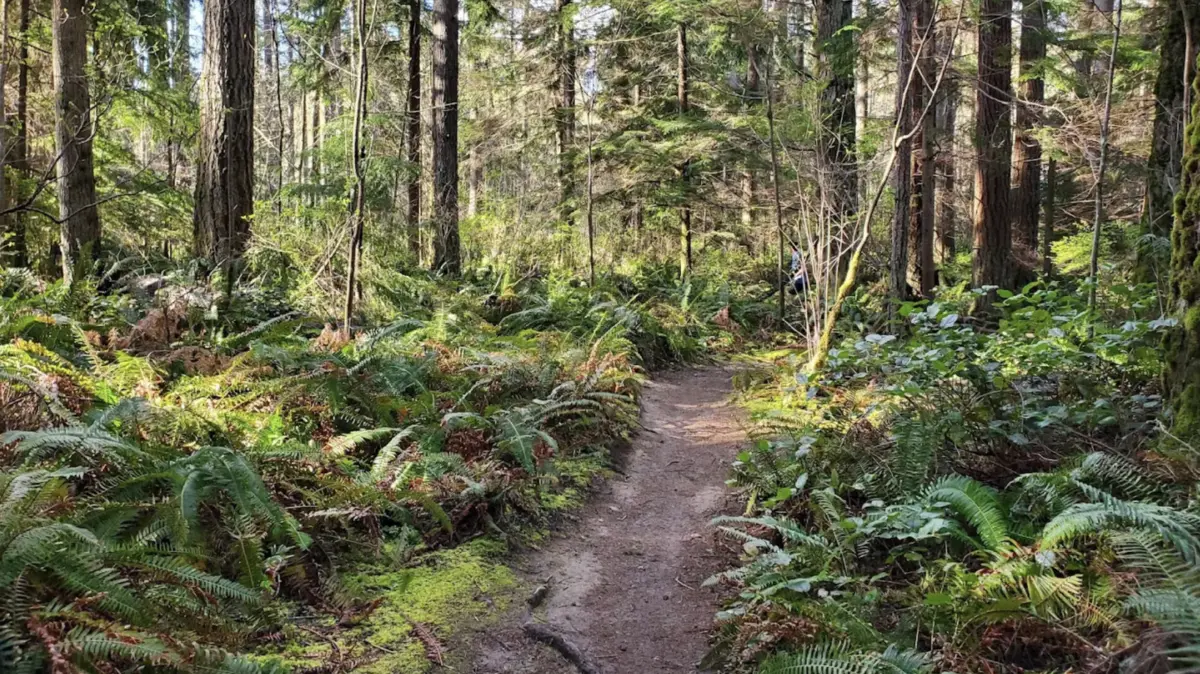
Encompassing 793 acres of protected woodlands, fragile wetlands, and gently rolling hills in Snohomish County, this sprawling sanctuary offers a portal into the primordial beauty of Washington State. Once a thriving private timber farm and homestead, the land has undergone a remarkable transformation over the past two decades. Today, it operates as a premier multi-use public refuge where hikers, mountain bikers, and equestrians can immerse themselves in a jungle-like landscape of towering evergreens, delicate ferns, and critical wildlife habitats.
This comprehensive report explores the deep history, complex ecosystems, trail systems, and strategic management of the Paradise Valley Recreation Area, examining how a 19th-century logging tract evolved into an essential ecological buffer and recreational haven for the greater Seattle metropolitan area.
Detailed Chronology: From Frontier Homestead to Modern Conservation Area
To understand the serene majesty of Paradise Valley today, one must trace its roots back through more than a century of intensive land use, industrial development, and eventual ecological restoration.
The 19th Century: Logging and Homesteading
Long before European settlers mapped the dense thickets northeast of Seattle, the Snohomish River watershed and its tributary basins were ancestral homelands for regional Indigenous peoples who managed the forests through sustainable practices. However, the mid-to-late 19th century brought a dramatic shift. Attracted by the staggering density of old-growth Douglas fir, western red cedar, and hemlock, commercial loggers quickly descended upon the region.
Among the early pioneers to stake a claim in the area was the Lloyd family. In the late 1800s, the Lloyds established a homestead on the very acreage that now constitutes the core of the Paradise Valley Recreation Area. For generations, the family balanced agrarian survival with commercial enterprise, managing pasture farms while selectively logging sections of the expansive property. The harvested timber was floated down waterways or hauled out by rail to fuel the booming regional lumber industry that built the physical foundations of early Seattle and its surrounding towns.
The 20th Century: The Private Tree Farm Era
For much of the 20th century, the landscape functioned primarily as a private tree farm. While industrial timber harvesting altered the original old-growth composition of the forest, the land proved resilient. Second- and third-growth timber regenerated rapidly in the damp, nutrient-rich Pacific Northwest soil.
Despite changing hands through various commercial timber interests, the property remained entirely closed to the general public. It served as a working working-forest where human intervention shaped the hydrology, clearing paths for machinery and altering natural stream channels to accommodate logging roads and log-staging areas.
The Turn of the Millennium: Acquisition and Public Access
As suburban expansion began pushing outward from Seattle toward Snohomish County in the late 1990s, the ecological and recreational value of large, contiguous forest tracts became increasingly apparent. Recognizing the threat of residential development fragmenting this crucial wildlife corridor, local conservation groups, county officials, and environmental stakeholders initiated acquisition talks.
In 2000, a critical turning point arrived when Snohomish County officially acquired the former private tree farm, safeguarding it from impending real estate development. The acquisition marked the beginning of a meticulous, multi-year planning and restoration phase. Ecologists assessed the impact of historical logging roads, mapped the sensitive wetlands, and designed a sustainable trail network capable of absorbing public foot, bike, and equestrian traffic without compromising the integrity of the ecosystem.
After nearly a decade of careful infrastructure development—including the installation of parking facilities, informative trail markers, and bridges over delicate stream crossings—the Paradise Valley Recreation Area officially opened its gates to the public in 2009.
Supporting Context & Metrics: Ecology, Geography, and Trail Infrastructure
The Paradise Valley Recreation Area is far more than a simple weekend walking park; it is a complex, living ecosystem that plays an essential role in the environmental health of the Puget Sound lowlands.
Topography and Ecological Metrics
Spanning 793 acres, the conservation area protects a diverse mosaic of habitats:
- Wetlands and Headwaters: The park serves as the vital protective headwaters for Bear Creek, a major salmon-bearing stream system that flows southward toward Lake Washington. The dense wetland complexes within the reserve act as natural sponges, absorbing heavy winter rainfall, filtering impurities, and releasing water slowly to prevent downstream flooding and erosion.
- Flora: The forest canopy is dominated by second-growth Douglas fir, western hemlock, and red alder, while the understory thrives with sword ferns, salal, Oregon grape, and devil’s club. Moss-covered nurse logs litter the forest floor, serving as fertile nurseries for the next generation of conifers.
- Fauna Diversity: The convergence of dense woods, permanent streams, and quiet wetlands creates an ideal habitat for an array of wildlife. Birdwatchers regularly spot pileated woodpeckers, varied thrushes, Steller’s jays, red-tailed hawks, and the occasional majestic bald eagle soaring above the canopy. Mammalian residents include white-tailed deer, river otters, beavers, and coyotes.
Important Visitor Advisory: The reserve is also part of the natural home range for apex predators, including cougars and black bears. While sightings are relatively rare, park authorities strongly advise visitors to remain alert, keep dogs on leashes, and practice standard wilderness safety protocols.
Comprehensive Trail System Metrics
The park’s extensive, multi-use trail network is engineered to accommodate hikers, mountain bikers, and horseback riders simultaneously. Designed with loops of varying lengths and difficulties, the trail system features clear signage at major intersections to assist navigation.
| Trail Name / Route | Approximate Length | Terrain & Characteristics | Primary User Groups |
|---|---|---|---|
| Wetland Plateau, Forest Ridge & Mainline Loop | 4.9 miles | Relatively flat terrain, combines multiple trail sections, verdant forest and wetland views, occasional exposed roots. | Hikers, Trail Runners |
| Mainline Trail (Out-and-Back) | 3.3 miles (canopied) | Moderate difficulty, highly technical in sections with rocks and exposed roots, winding canopy views. | Mountain Bikers, Hikers |
| Woodland Plateau and Lloyd Trail Loop | < 3.0 miles | Short, highly accessible loop; ideal for tight schedules while capturing signature scenery. | Casual Walkers, Families |
| Ephemeral and Big Leaf Loop | < 3.0 miles | Compact loop showcasing seasonal wetlands and towering bigleaf maples. | Hikers, Nature Photographers |
Official Statements and Conservation Management
Managing a heavily frequented 793-acre natural area situated on the edge of a rapidly expanding metropolitan region requires a delicate balancing act between public access and environmental protection.
In public administration reports regarding the management of the Paradise Valley Conservation Area (PVCA), Snohomish County Parks and Recreation emphasizes a commitment to "recreational sustainability."
"Our primary directive at Paradise Valley is twofold: to provide high-quality, accessible nature-based recreation for the residents of Snohomish County and the greater Seattle area, and to fiercely protect the sensitive ecological functions of the Bear Creek watershed," notes an official county parks briefing. "Every foot of trail maintenance, every bridge placement, and every seasonal restriction is designed to ensure that human visitation does not degrade the very wilderness our visitors come to enjoy."
Local conservation groups, including watershed stewardship volunteers, work hand-in-hand with county rangers to monitor trail erosion, combat invasive plant species (such as Himalayan blackberry and English ivy), and preserve wildlife migration corridors.
Furthermore, park authorities stress the importance of community compliance with park rules. Because the recreation area operates as an off-leash or strictly managed dog area depending on specific zoning, officials continually remind visitors to pack out all waste, respect seasonal trail closures during heavy saturation periods to prevent mud erosion, and maintain a respectful distance from local wildlife.
Future Outlook: Preservation, Regional Growth, and Ecotourism
As the urban footprint of the Seattle-Tacoma-Bellevue metropolitan statistical area continues to swell, the value of protected open spaces like the Paradise Valley Recreation Area will only appreciate. Looking toward the future, Snohomish County’s long-term master planning focuses on several key initiatives:
1. Climate Resilience and Watershed Protection
With shifting regional weather patterns bringing more intense winter storms and prolonged summer dry spells, the wetlands of Paradise Valley are frontline defenders against climate change. Future management strategies will heavily prioritize wetland restoration and canopy health to ensure the headwaters of Bear Creek remain resilient against siltation and temperature fluctuations, thereby protecting downstream salmon runs.
2. Enhanced Trail Connectivity and Maintenance
To accommodate rising visitor numbers without expanding the park’s footprint into untouched ecological zones, planners are focusing on sustainable trail hardening. Upgrading older, erosion-prone segments with gravel beds, raised boardwalks over sensitive bog areas, and improved drainage channels will ensure the trail network remains viable for decades to come.
3. Expanding Environmental Education
County officials are exploring partnerships with local school districts and conservation non-profits to turn Paradise Valley into an outdoor classroom. By developing guided interpretive walks, youth conservation programs, and citizen-science wildlife monitoring initiatives, the park aims to cultivate the next generation of Pacific Northwest environmental stewards.
Planning Your Visit
For travelers and locals looking to step away from Seattle’s urban rhythm, Paradise Valley offers an immediate, immersive escape. The park opens daily at 7:00 a.m., features free public admission, and welcomes well-behaved, leashed dogs (Fido-friendly). Whether embarking on the challenging 3.3-mile mountain bike descent along the Mainline Trail or taking a quiet, contemplative stroll along the 4.9-mile wetland loop, visitors step directly into a living history of the Pacific Northwest—where the echoes of 19th-century loggers have been permanently replaced by the rustle of ferns, the calls of songbirds, and the quiet flow of protected waters.