





Executive Overview
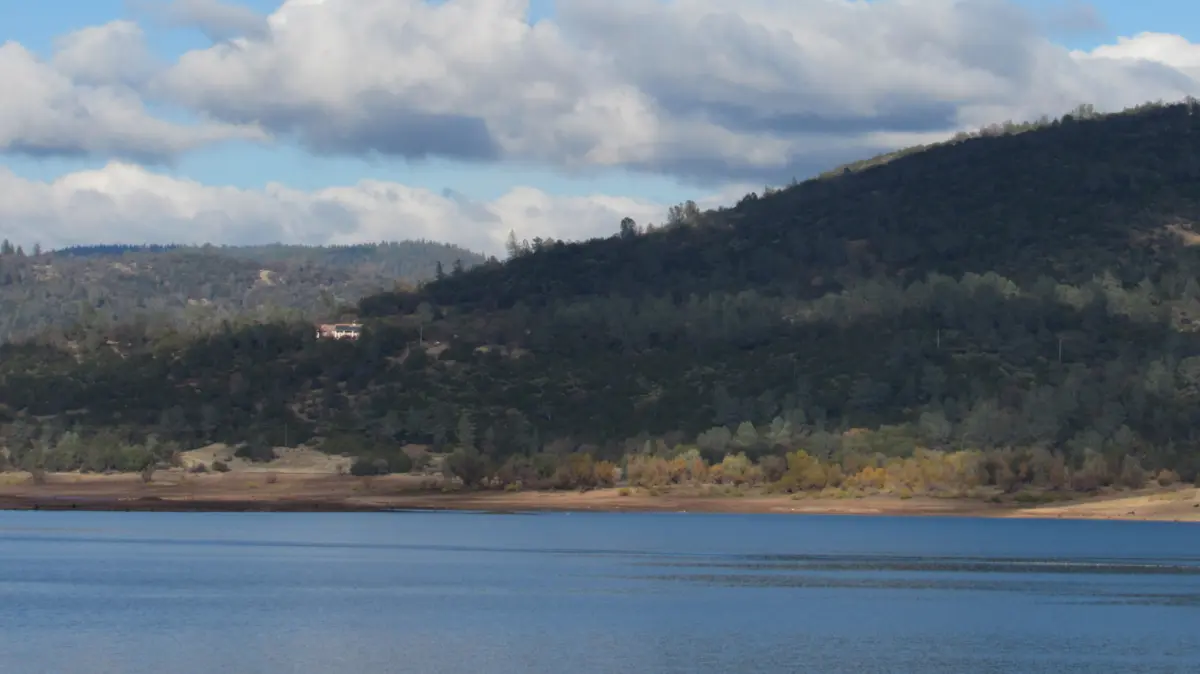
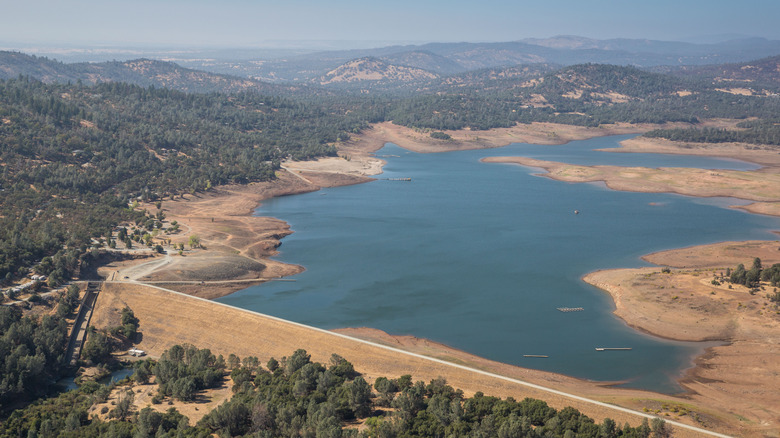
Nestled within the rugged, pine-studded foothills of the Northern Sierra Nevada Mountains sits Collins Lake, a premier aquatic sanctuary offering a dynamic blend of high-country scenery and accessible outdoor recreation. Located just a little over an hour’s drive northeast of Sacramento, this 1,600-acre reservoir represents a masterclass in regional resource management, balancing heavy recreational use with ecological preservation. Positioned at an elevation of 1,200 feet—safely nestled between the thick winter fog line of the Central Valley and the heavy snow line of the higher peaks—Collins Lake offers unobstructed visibility, temperate microclimates, and dependable year-round accessibility.
While California is internationally celebrated for its expansive national parks and high-altitude wilderness areas, destinations like Collins Lake prove that world-class outdoor adventures do not require deep backcountry expeditions. Spanning 12 miles of diverse shoreline, the destination accommodates a wide range of outdoor enthusiasts, from casual weekend campers and paddleboarders to trophy-seeking anglers. Featuring meticulously managed fisheries, diverse lodging configurations, and strategic proximity to notable regional landmarks such as the South Yuba River State Park and Tahoe National Forest, Collins Lake stands out as a foundational pillar of California’s Gold Country tourism and recreational economy.
Detailed Chronology & Geographical Context
To understand the modern appeal of Collins Lake, one must look closely at its geography and the historical context of California’s Gold Country. The reservoir sits in Yuba County, an area deeply shaped by the mid-19th-century California Gold Rush. While miners once scoured the surrounding riverbeds and hillsides for precious metals, today’s visitors traverse the same landscape in pursuit of leisure, tranquility, and sport.

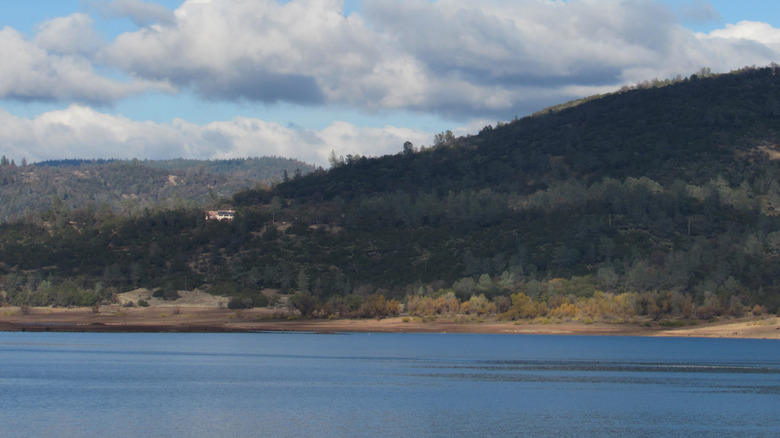
The lake’s physical footprint—covering 1,600 surface acres with a 12-mile perimeter—strikes a rare balance. It is large enough to support varied watercraft activities without feeling congested, yet intimate enough to maintain a quiet, secluded atmosphere. The western shoreline is traced by the Hidden Spruce Trail, a 3-mile multi-use path designed for hikers and mountain bikers. This trail cuts through dense stands of native pines and oaks, offering sweeping vistas of clear waters framed by rolling foothills.
Beyond the designated trail network, public land access along the shoreline invites visitors to explore further on foot. During the peak summer season, a designated swim beach along the sandy shores becomes a focal point for families. This swim zone is heavily buoyed to separate swimmers completely from motorized boating traffic, ensuring safety and relaxation.
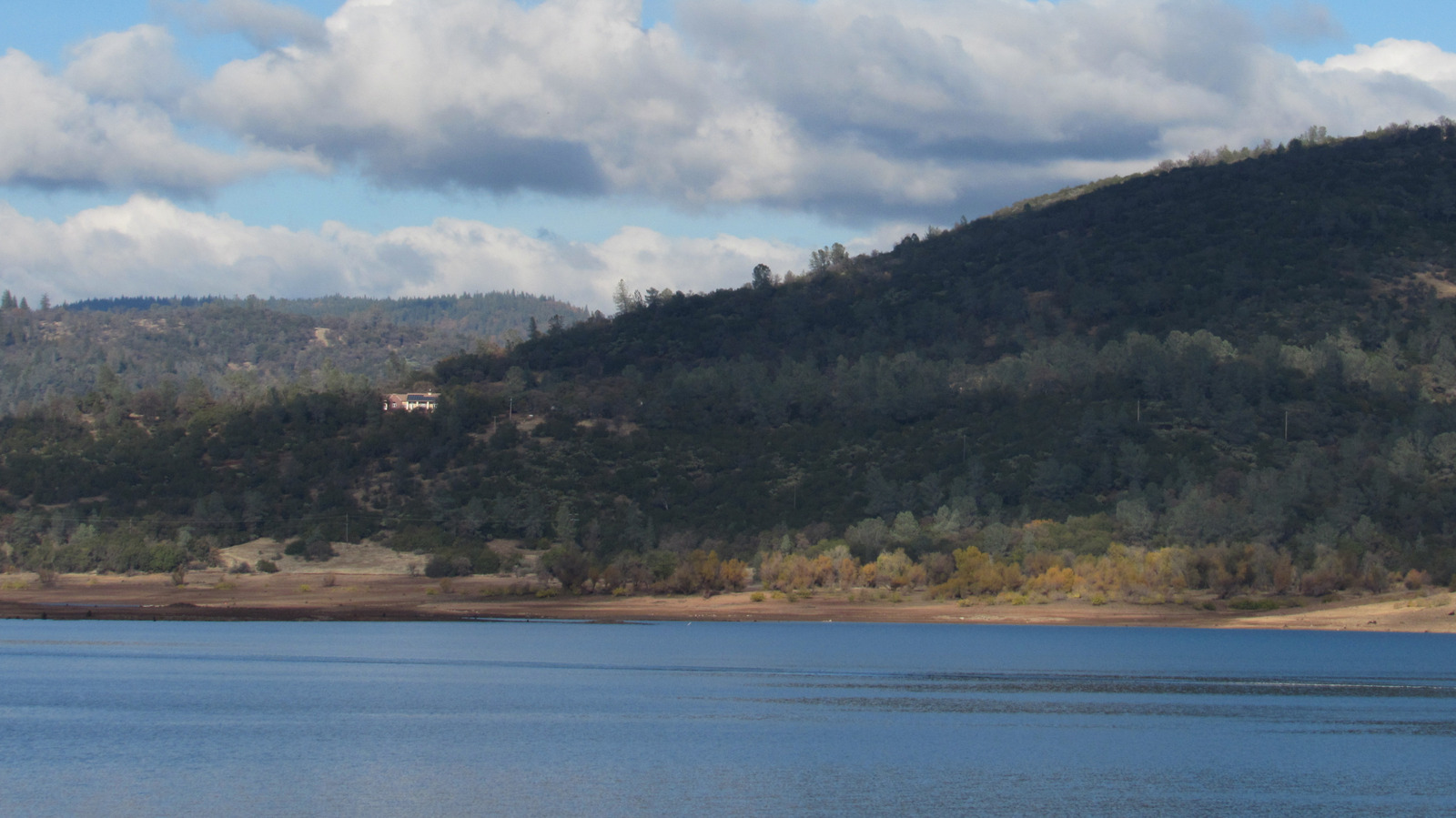
Geographically, the 1,200-foot elevation is a vital asset. It spares visitors the extreme winter weather closures typical of higher-altitude Sierra Nevada destinations like Lake Tahoe or Mammoth Lakes, while remaining elevated enough to clear the oppressive summer inversion layers and tule fog that settle over the Sacramento Valley floor.
Supporting Context & Metrics: Fisheries, Recreation, and Infrastructure
The defining characteristic of Collins Lake—and the primary driver of its stellar regional reputation—is its elite fishery. Producing trophy-size largemouth bass and rainbow trout in the same body of water is notoriously difficult due to differing thermal and nutritional requirements. However, Collins Lake achieves this feat through deliberate, intensive resource management. The lake is subjected to frequent, strategic fish stockings and proactive aquatic habitat creation, ensuring a robust ecosystem that consistently yields impressive catches.
Fisheries Breakdown by Season
- Largemouth Bass: While catchable year-round, the prime window for targeting trophy-size largemouth bass is the late spring, when warming water temperatures drive fish toward the shallows.
- Rainbow Trout: Trophy trout fishing peaks from late fall through the winter and into early spring, capitalizing on the cooler water columns.
- Catfish: Summer emerges as the premier season for catfish angling, particularly during warmer evening hours.
- Bluegill & Crappie: These panfish populations provide consistent, year-round action, making the lake ideal for youth anglers and casual fishers.
Boating Regulations and Marina Amenities
Anglers and boaters utilize an expansive marina and boat launch facility located within the Collins Lake Recreation Area. The marina functions as a full-service hub, offering a diverse rental fleet that ranges from traditional small fishing boats and kayaks to stand-up paddleboards and spacious, two-story patio boats equipped for leisurely group cruising on the water. Slips are also available for visitors who prefer to trailer and launch their own watercraft.
Management enforces specific navigational and seasonal parameters to ensure safety and environmental harmony:
- Water Skiing Season: Permitted annually from May 1 through October 15.
- Jet Ski Prohibition: Personal watercraft (such as jet skis) are strictly prohibited on the lake to preserve the tranquil acoustic environment and protect non-motorized water sports enthusiasts.
Overnight Accommodations and Camping Infrastructure
Visitors seeking an extended stay will find an array of overnight options within the Collins Lake Campground network. The facility is designed to accommodate various styles of outdoor living:
- Cabins: Options include large two-bedroom cabins and compact one-bedroom units. All standard cabins feature fully equipped kitchens and private bathrooms. Additionally, rustic two-room bunkhouses (outfitted with multiple bunk beds) are available for rent, though they exclude kitchens and restrooms.
- Campsites: Traditional tent and RV sites are distributed across lakefront and interior forest settings. Both hookup-equipped sites and primitive, unassigned open-camping permits (available during select summer and fall periods) cater to different styles of campers.
- Group Campgrounds: Four distinct group areas serve larger gatherings. The largest site accommodates up to 60 campers with prime lake views; the Water’s Edge group site holds 40; and two additional sites each accommodate up to 30 people.
Official Statements & Regional Stakeholder Perspectives
Local tourism boards, regional conservation groups, and municipal authorities consistently highlight Collins Lake as a model for sustainable multi-use recreation in the Sierra Nevada foothills.
Representatives from regional economic development partnerships emphasize the critical role that accessible nature destinations play in supporting urban populations. "Urban centers like Sacramento offer incredible cultural and culinary vitality, but residents need an immediate, high-quality escape valve to nature," notes regional tourism literature. "Collins Lake bridges that gap perfectly. In a little over an hour, a traveler can transition from the capital cityscape to an alpine-adjacent retreat without navigating the severe mountain congestion often found further up the range."
Fisheries management teams also stress the scientific rigor behind the lake’s ecological success. Unlike wild alpine lakes that suffer from nutrient depletion or over-fishing, Collins Lake’s active management protocol treats the reservoir as a living asset. "Sustaining a premier multi-species fishery requires constant monitoring of water quality, forage availability, and stocking cadence," wildlife management experts explain. "Our goal is to ensure that both the seasoned tournament angler and the child catching their first bluegill find a healthy, vibrant aquatic ecosystem."
Furthermore, local park authorities praise the community’s adherence to safety and conservation guidelines. The strict ban on personal watercraft and the well-maintained trail systems reflect a shared community commitment to preserving the natural aesthetics of California’s Gold Country for future generations.
Future Outlook & Regional Integration
Looking ahead, Collins Lake is positioned to remain a cornerstone of Northern California’s outdoor recreation economy. As populations in the Sacramento metropolitan area and the broader Central Valley continue to expand, the demand for accessible, high-quality natural sanctuaries will only intensify. Management anticipates steady investments in infrastructure maintenance, shoreline habitat restoration, and sustainable camping amenities to meet this growing demand without compromising the natural serenity that defines the region.
For travelers looking to expand their itineraries beyond the boundaries of the reservoir, Collins Lake serves as an ideal basecamp. The surrounding Yuba County and adjacent jurisdictions offer a wealth of secondary destinations:
- Daugherty Hill Unit: Located directly below the reservoir’s dam and bordering the campground, this public unit offers expanded hiking opportunities through classic foothill terrain.
- South Yuba River State Park: Situated approximately 30 miles away, this park is internationally renowned for its dramatic granite canyons and crystal-clear swimming holes.
- Emerald Pools: Located within the Tahoe National Forest roughly an hour’s drive from the lake, these ethereal, glacier-carved emerald swimming pools offer a more rugged alpine experience for adventurous day-trippers.
Travelers arriving via commercial air services typically fly into Sacramento International Airport (SMF), located approximately 50 miles southwest of the lake. From Sacramento, motorists head north along CA-70 toward Yuba City before transitioning east on CA-20 directly to the Collins Lake entrance.
As outdoor enthusiasts increasingly seek destinations that combine ecological health, diverse recreational offerings, and convenient geographic placement, Collins Lake stands out as a shining example of Northern California’s natural splendor—proving that profound wilderness experiences are often much closer than they appear.