




Executive Overview
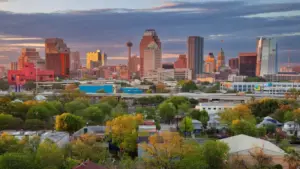
Nestled gracefully on the edge of the scenic Texas Hill Country, Austin commands attention as both the political epicenter of the Lone State and one of the most rapidly expanding metropolitan areas in the United States. As the fourth-largest city in Texas, Austin has experienced an unprecedented population boom over the last half-century, welcoming hundreds of thousands of new residents drawn to its vibrant culture, booming tech industry, and mild southern climate.
Yet, despite this explosive urban growth, the capital city has successfully managed to preserve an impressive footprint of natural greenspaces. Austin’s deeply ingrained conservation mindset sets it apart from other sprawling metropolises, ensuring that urban development does not completely eclipse the region’s native ecosystems.
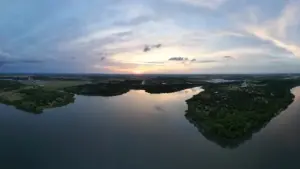
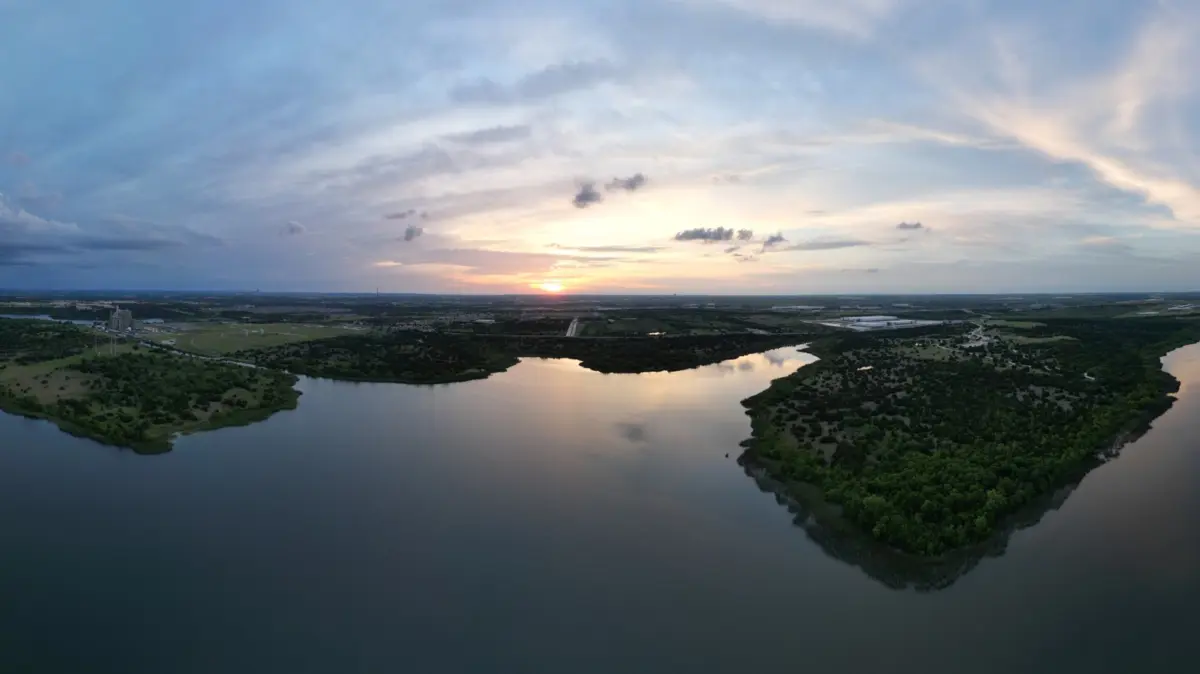
Nowhere is this balance between urban progress and natural preservation more evident than at Walter E. Long Metropolitan Park. Spanning nearly 2,500 acres just nine miles east of the Texas State Capitol building, this sprawling lakeside haven offers a peaceful counterweight to the bustling energy of downtown Austin. Featuring an idyllic nature walk, exceptional freshwater fishing, quiet swimming spots, and protected wildlife habitats, the park serves as a vital ecological sanctuary and a recreational crown jewel for Central Texas.
Detailed Chronology: From Reservoir to Regional Sanctuary
To truly understand the ecological and recreational significance of Walter E. Long Metropolitan Park, one must examine its origins and evolution over the past half-century. The landscape we see today was born out of industrial utility before transforming into a dedicated public and conservation zone.
The Late 1960s: Impoundment and the Birth of Decker Lake
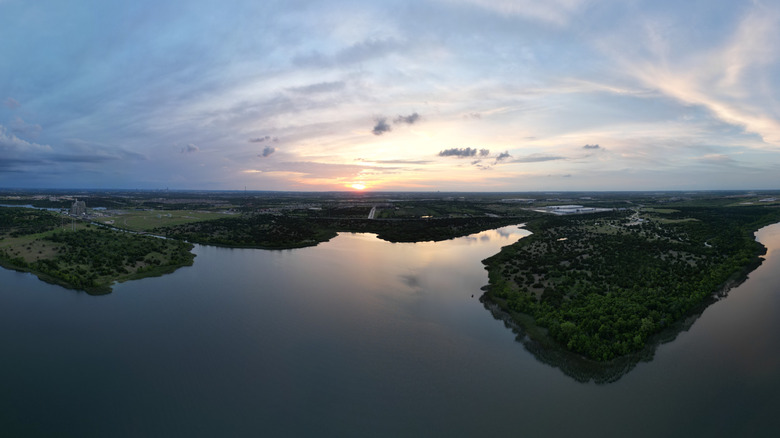
The history of the park is inextricably linked to the creation of its centerpiece body of water: Walter E. Long Lake, historically and locally referred to as Decker Lake. In 1967, the lake was officially impounded as a cooling reservoir for the Decker Creek Power Station, a natural gas and oil-fired power plant operated by Austin Energy.
Recognizing the immense recreational potential of the massive body of water and its surrounding terrain, the City of Austin acquired the adjacent lands. Just two years after the lake’s creation, Walter E. Long Metropolitan Park officially opened to the public in 1969. Named in honor of Walter E. Long, a prominent Austin civic leader and attorney who played a pivotal role in the city’s economic and infrastructural development, the park quickly became a favorite spot for local anglers and outdoor enthusiasts.
Decades of Balanced Stewardship
Throughout the 1970s, 1980s, and 1990s, the park operated primarily as a standard municipal recreation area, offering boat ramps, picnic sites, and shoreline access. However, as Austin’s urban footprint crept closer to the eastern edges of the city limits, municipal planners and environmental advocates recognized the urgent need to protect the fragile ecosystems surrounding the lake.

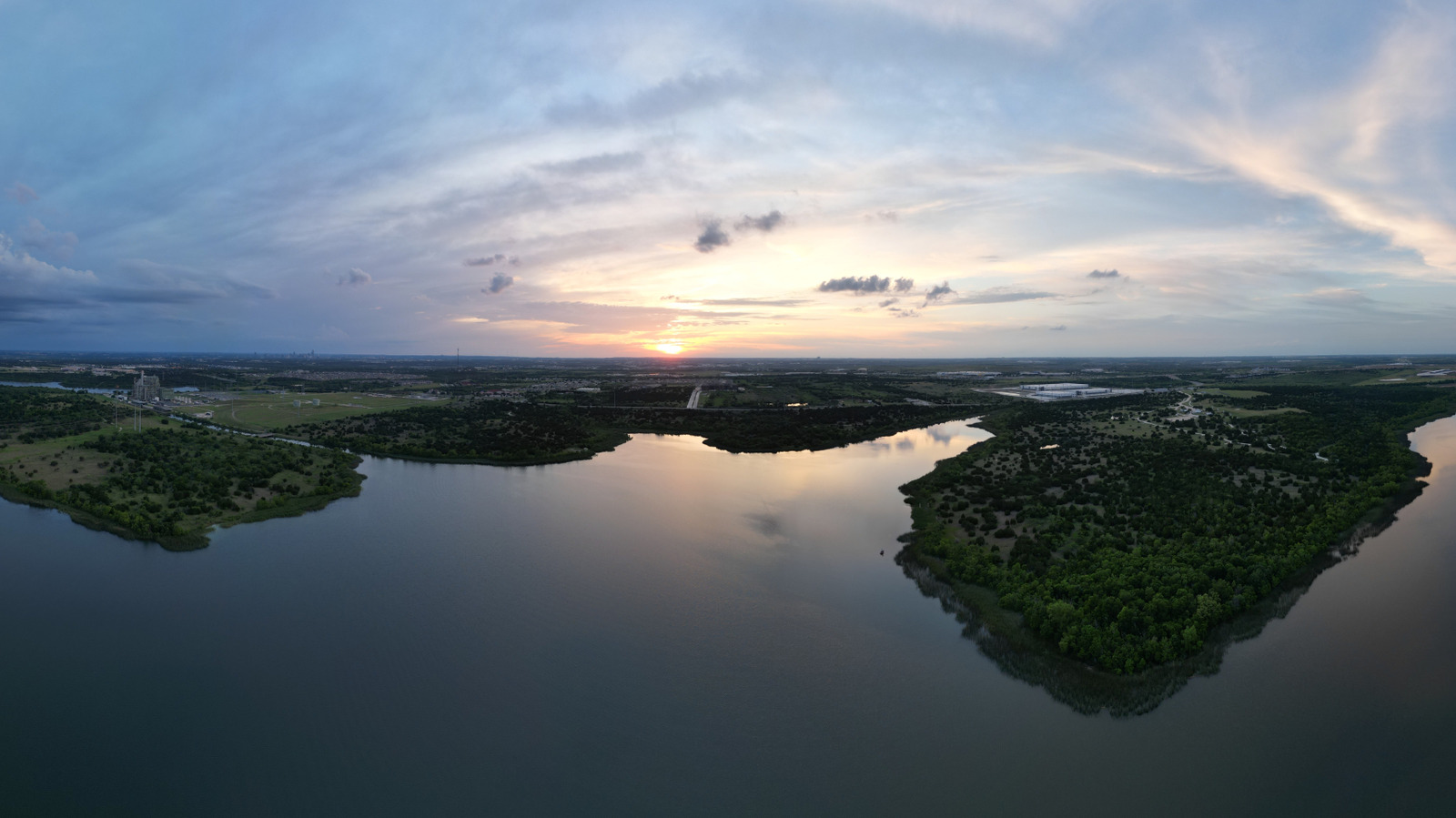
A significant shift occurred when portions of the park’s immense acreage were formally designated as protected conservation zones. The establishment of the Decker Tallgrass Prairie Preserve and the Louis René Barrera Indiangrass Wildlife Sanctuary marked a turning point in the park’s history, shifting its mission from pure recreation to a dual mandate of public enjoyment and rigorous ecological preservation.
The Modern Era: Infrastructure Updates and 2027 Projections
In recent years, Walter E. Long Metropolitan Park has entered a new phase of modernization and rehabilitation. Most notably, ongoing dam safety inspections and structural repairs mandated by state and federal guidelines have lowered the lake’s water levels. While this has temporarily impacted motorized boating access, it has also catalyzed broader city conversations regarding long-term park investments, trail expansions, and habitat restoration. The complete reopening of the primary boat ramp, scheduled for 2027, marks the next major chronological milestone for this evolving Texas paradise.
Supporting Context & Metrics: The Anatomy of a 2,500-Acre Oasis
To appreciate the scale and ecological value of Walter E. Long Metropolitan Park, one must look closely at the numbers, geography, and biodiversity that define the property.
Key Metrics and Geographic Breakdown
- Total Park Acreage: Just under 2,500 acres, making it the single largest municipal park in the City of Austin’s extensive parks system.
- Lake Surface Area: Approximately 1,269 acres of open water, providing a massive aquatic playground within city limits.
- Proximity to Urban Centers: Located precisely 9 miles east of the Texas State Capitol building and less than 10 miles from Austin-Bergstrom International Airport (AUS).
- Conservation Zones: Includes the Decker Tallgrass Prairie Preserve and the Louis René Barrera Indiangrass Wildlife Sanctuary, which are strictly managed to protect native flora and fauna.
Flora, Fauna, and the Prairie Ecosystems
Unlike heavily manicured urban parks that rely on imported landscaping, Walter E. Long Metropolitan Park preserves significant patches of original Texas blackland prairie and post-oak savannah. The restricted access to the Decker Tallgrass Prairie Preserve and the Indiangrass Wildlife Sanctuary allows native grasses such as big bluestem, little bluestem, switchgrass, and indiangrass to thrive without the disruptive pressures of heavy foot traffic.
These protected areas serve as critical stopover habitats for migratory birds, making the park a premier destination for ornithologists and nature watchers. Bird species commonly spotted across the park’s varied terrain include bald eagles, ospreys, great blue herons, pelicans, and a wide array of migratory waterfowl that winter on the expansive lake. Mammals such as white-tailed deer, bobcats, and various foxes also inhabit the quieter, undeveloped boundaries of the property.
Official Statements and Stakeholder Perspectives
Managing a multi-use facility that balances heavy public recreation with strict environmental conservation is a complex balancing act. Local authorities, environmental groups, and community stakeholders have continuously voiced their perspectives on the park’s role in Austin’s future.
City of Austin Parks and Recreation Department (PARD)
According to municipal planning documents and statements from the City of Austin Parks and Recreation Department, Walter E. Long Metropolitan Park represents a vital "green lung" for the rapidly developing eastern corridor of Travis County. PARD officials have repeatedly emphasized that while public access is a top priority, the ecological integrity of the lake and its surrounding prairies cannot be compromised.
In public briefings regarding the ongoing water level management and dam infrastructure repairs, municipal engineers noted:
"The stewardship of Walter E. Long Lake requires a careful calibration between industrial utility, flood management, and public safety. While temporary drawdowns necessary for dam remediation have altered certain recreational activities, they have simultaneously safeguarded the long-term structural viability of the entire park ecosystem for generations to come."
Conservationists and Environmental Advocates
Local ecological groups have praised the city’s decision to restrict public access to the Decker Tallgrass Prairie Preserve and the Louis René Barrera Indiangrass Wildlife Sanctuary. Biologists point out that the blackland prairie is one of the most endangered ecosystems in North America, with less than 1% of its original historic range remaining intact in Texas. By cordoning off these sensitive zones—allowing public entry exclusively through pre-approved educational hikes or supervised volunteer events—the city ensures that fragile ground-nesting birds and rare native plant species are shielded from habitat fragmentation.
Future Outlook: What Lies Ahead for Austin’s Eastern Gem
As Austin continues its meteoric rise as a national economic and cultural powerhouse, the value of pristine, accessible natural escapes will only appreciate. Walter E. Long Metropolitan Park stands uniquely positioned to meet the demands of a growing population while serving as a model for urban ecological conservation.
The 2027 Reopening and Recreational Renaissance
The most anticipated milestone on the horizon is the scheduled 2027 reopening of the park’s central three-lane boat ramp. Once water levels are fully restored following the completion of comprehensive dam engineering projects, the park is expected to experience a major resurgence in motorized water sports. Pleasure boaters, jet skiers, and competitive anglers will once again have full access to the expansive 1,269-acre lake.
Expanding Trail Networks and Connectivity
In alignment with regional mobility and greenway initiatives, future master planning for the eastern Austin corridor includes enhanced connectivity to the Austin to Manor Trail. Portions of this regional trail system already weave through the park and its bordering tallgrass preserves. Future expansions aim to seamlessly link Walter E. Long Metropolitan Park to neighboring East Austin communities, making it easier for cyclists, runners, and pedestrians to access the park without relying exclusively on personal automobiles.
A Sanctuary Amidst Growth
Even as East Austin transforms into one of the hippest, most trendy cultural districts in the country—brimming with art galleries, eclectic world cuisine, and booming residential developments—Walter E. Long Metropolitan Park remains a timeless sanctuary. Whether visitors come to cast a line for trophy-sized largemouth bass, paddle a kayak along the silent shores of the wildlife sanctuary, or simply escape the urban hum for an afternoon nature walk, this sprawling Texas paradise ensures that Austin’s deep-rooted love affair with the outdoors will endure for decades to come.