







Executive Overview
In an era defined by constant hyper-connectivity, digital notifications, and the relentless pace of modern urban life, the psychological and physical necessity of unplugging has never been more acute. Travelers increasingly seek destinations that promise genuine isolation without the logistical nightmare of navigating ultra-remote wilderness areas. Enter Paul Grist State Park—a picturesque, 1,080-acre woodland sanctuary nestled in the heart of Alabama.
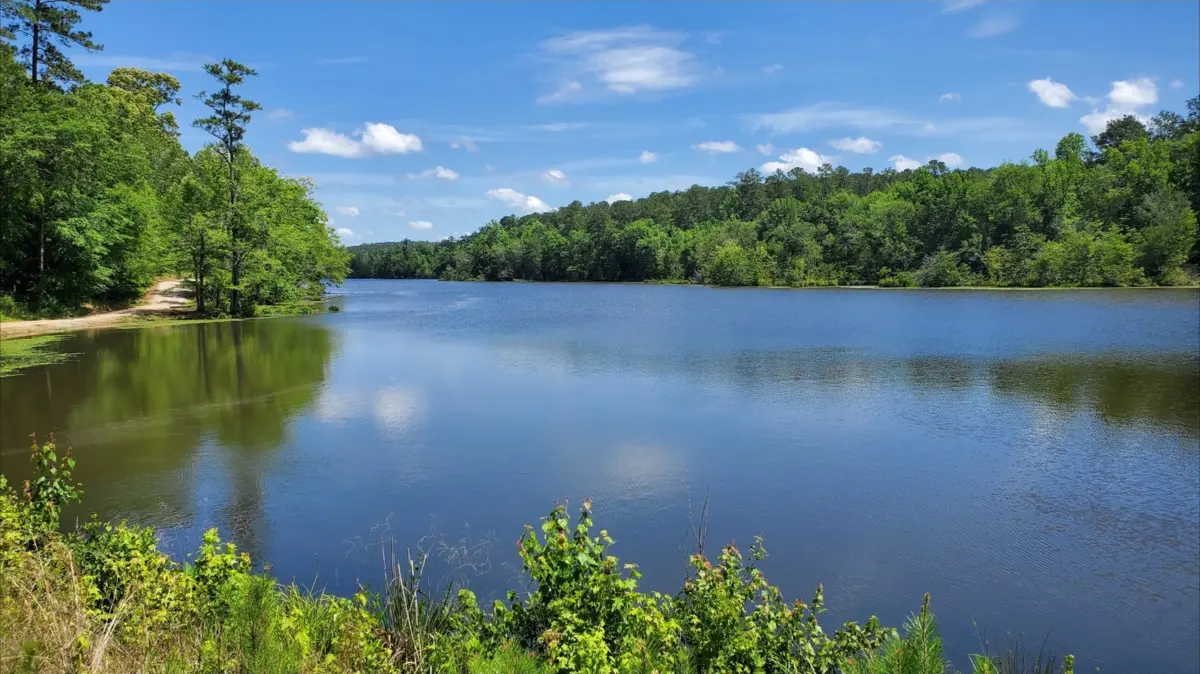
Established in the 1930s, this historic recreational haven bridges the gap between deep-woods seclusion and accessible civilization. Located just a short drive from major metropolitan hubs like Montgomery and Birmingham, Paul Grist State Park delivers an authentic, old-school outdoor retreat characterized by towering pines, diverse wildlife, and the serene expanse of the 100-acre Valley Creek Lake.
Far from the commercialized mega-resorts that dominate modern tourism, this park remains a beloved hidden gem. It offers visitors a masterclass in low-impact, high-reward ecotourism—featuring affordable camping, robust multi-use trail systems, and unhurried lakefront recreation. This comprehensive report explores the historical evolution, recreational offerings, structural metrics, and future outlook of one of Alabama’s most enduring state parks.
Detailed Chronology: From Valley Creek Origins to Modern Sanctuary
To fully appreciate the tranquil atmosphere of Paul Grist State Park, one must examine the socio-political and environmental landscape that birthed its existence nearly a century ago.
The 1930s: Genesis and Early Development
The origins of the park date back to the 1930s, a decade profoundly shaped by the Great Depression and the subsequent establishment of the Civilian Conservation Corps (CCC). During this era, federal and state governments heavily invested in reclaiming eroded lands, planting timber, and creating public recreational spaces. Originally designated as Valley Creek State Park, the land was earmarked to preserve the natural watershed and provide working-class families with affordable access to nature.
Local laborers and early conservationists shaped the foundational landscape, carving out trails, constructing rudimentary earthen dams, and establishing the ecological footprint that defines the park today. The centerpiece of this early infrastructure was the creation of Valley Creek Lake—a 100-acre body of water engineered to support local aquatic ecosystems and provide recreational angling.
The Mid-20th Century: Renaming in Honor of a Leader
For decades, the park operated under its original moniker while quietly cementing its reputation as a regional favorite for hunters, anglers, and weekend campers. In honor of its long-standing community leader and tireless advocate for conservation, the park was officially renamed Paul Grist State Park.
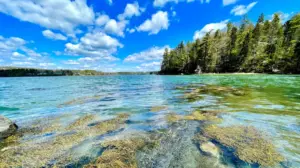
Paul Grist’s vision for the area aligned with the broader American conservation movement: to protect natural habitats while ensuring public access. The renaming cemented the park’s identity not merely as a recreational facility, but as a living monument to local stewardship and environmental preservation.
The Modern Era: Preservation Meets Accessibility
As Alabama’s surrounding cities expanded, Paul Grist State Park successfully maintained its rustic integrity. While neighboring state parks occasionally faced commercial overdevelopment or heavy structural modernization, Paul Grist doubled down on its commitment to a "back-to-basics" philosophy.
Recent decades have seen careful upgrades to critical infrastructure—such as the addition of ADA-accessible shower facilities and optimized RV electrical hookups—while strictly preserving the dense canopy of towering pines, native wildlife corridors, and the peaceful shoreline that drew visitors in decades past. Today, the park serves as a vital green lung for central Alabama, balancing historic charm with contemporary outdoor needs.
Supporting Context & Metrics: Navigating the Park’s Ecosystem
Understanding the operational metrics and geographic layout of Paul Grist State Park is essential for planning an efficient and deeply immersive excursion. The park’s statistics reveal a destination optimized for intimate, low-density outdoor recreation.
Geographic and Spatial Metrics
- Total Acreage: 1,080 acres of protected rolling woodlands, hardwood forests, and aquatic habitats.
- Lake Surface Area: 100 acres dedicated to Valley Creek Lake, providing a premier backdrop for fishing, paddling, and shoreline relaxation.
- Proximity to Urban Centers:
- From Montgomery: Approximately 1 hour and 10 minutes west (ideal for a spontaneous day trip or weekend getaway).
- From Birmingham: Approximately 1.5 hours south.
- Entry Fees: Exceptionally economical, ranging from $2 to $3 per person depending on age, ensuring accessibility for all socioeconomic brackets.
Campground Infrastructure & Financial Breakdown
The park’s camping facilities are divided into two distinct zones, catering to both modern RV travelers and purist primitive campers:
-
RV and Electric Sites:
- Capacity: 11 dedicated RV sites.
- Amenities: 30/50-amp electrical hookups, prime lakefront positioning, and close proximity to an ADA-accessible modern shower house.
- Peak Season Rates (April through October): $22 per night (Monday–Thursday); $25 per night (Friday–Saturday).
- Off-Season Rates (November through March): $22 per night flat rate.
- Note: Discounted pricing structures are available for qualifying demographic groups.
-
Primitive Camping Zone:
- Location: Situated along the lake near the park’s structural dam, offering maximum solitude.
- Rates: $13 per tent, per night.
- Target Audience: Backpackers, tent campers, and individuals seeking an authentic wilderness immersion without modern electrical distractions.
Trail Systems and Recreational Metrics
- The Purple Trail: A 2.4-mile, low-difficulty loop guiding hikers through dense hardwood forests and along the southwest shoreline of Valley Creek Lake.
- The Paul Grist Lake Loop: A more rigorous 3.8-mile trail designed for hikers seeking an elevated physical workout combined with sweeping waterfront views. (Note: This trail is multi-use, accommodating both hikers and equestrians).
- Boating & Watercraft Metrics: The park office facilitates on-site rentals of flat-bottom fishing Jon boats, canoes, and pedal boats. For private watercraft owners, a dedicated boat launch ramp is available, subject to a strict electric-trolling-motor-only policy to preserve acoustic peace and water quality.
Official Statements and Visitor Perspectives
Public sentiment and institutional philosophy play a vital role in defining the character of Paul Grist State Park. The collective voice of the community highlights the park’s unique ability to deliver profound psychological restoration.
The Voice of the Visitor: Unfiltered Reviews
Public review platforms consistently validate the park’s off-the-grid ethos. One prominent Google reviewer famously characterized the destination as a genuine "hidden gem," elaborating that “the lake provides a gorgeous backdrop for fishing or simply sitting and soaking in the scenery.”
Another camper underscored the isolation of the campground infrastructure, describing it as a "beautiful campground tucked away from everything." This sentiment is echoed by outdoor enthusiasts who praise the absence of commercial congestion, light pollution, and urban noise. Unlike hyper-developed state parks featuring sprawling asphalt parking lots and gift shops, Paul Grist remains stubbornly authentic—a quality that modern travelers increasingly covet.
Institutional Philosophy and Conservation Goals
Park management and the Alabama State Parks division have historically championed a conservation-first approach for Paul Grist. Officials emphasize that the park’s value lies precisely in its restraint. By limiting large-scale commercial expansions, the park protects vital wildlife habitats for migratory birds, white-tailed deer, wild turkeys, and aquatic species.
Furthermore, park authorities stress the importance of personal accountability regarding water and wilderness safety. Because the designated swimming beach operates without on-site lifeguards, and the multi-use trails are shared between hikers, equestrians, and dogs, the park fosters a culture of mutual respect and self-reliance among its visitors. This community-driven stewardship ensures that the park remains pristine for generations to come.
Future Outlook: Preservation and Sustainable Growth
As central Alabama experiences steady population growth and suburban expansion, the strategic importance of protected green spaces like Paul Grist State Park will only intensify. Looking ahead, park planners face the delicate challenge of balancing increased recreational demand with uncompromising environmental conservation.
Infrastructure Modernization vs. Rustic Integrity
The primary directive for the future of Paul Grist State Park is the preservation of its rustic identity. While minor investments in Wi-Fi connectivity near administrative buildings or upgraded gray-water disposal systems for RVs may be evaluated, wholesale modernization is firmly off the table. Stakeholders recognize that the park’s primary competitive advantage is its ability to transport visitors back in time. Protecting the towering pines, maintaining the structural integrity of Valley Creek Lake, and keeping camping tariffs affordable remain top priorities.
Expanding Educational and Ecotourism Initiatives
Future strategic plans also point toward expanding ecotourism and educational programming. Environmental groups and park rangers are exploring the implementation of guided bird-watching excursions, native flora identification workshops, and junior ranger programs designed to instill conservation ethics in younger generations. Given the park’s rich biodiversity—ranging from its thriving bass and sunfish populations to its extensive hardwood canopy—it serves as an ideal outdoor classroom.
Conclusion
Paul Grist State Park stands as a testament to the enduring power of quiet landscapes. Whether you are an avid angler looking to test your skills on Valley Creek Lake, a hiker seeking solace along the Purple Trail, or a stressed urbanite eager to pitch a tent beneath a canopy of southern pines, this 1,080-acre refuge offers an unmatched escape. By refusing to compromise its historic charm for the sake of commercial trends, Paul Grist remains a timeless sanctuary—proving that sometimes, the best destination is the one that lets you leave the modern world behind.