








Executive Overview
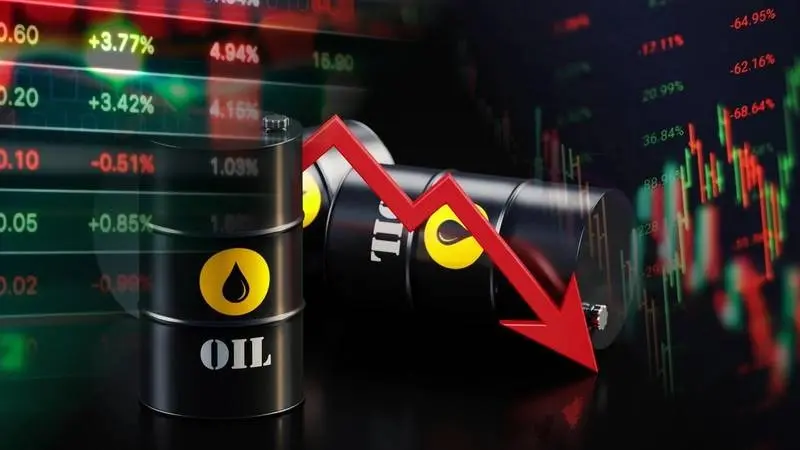
Global energy markets experienced a notable shift on Friday as oil prices fell by approximately 2%, extending a three-session losing streak. The downward movement highlighted a critical pivot in market sentiment: the immediate relief provided by physical supply buffers and rapid logistical re-routing successfully offset deep-seated anxieties over a widening conflict in the Middle East.
By the close of Friday’s trading window, Brent crude futures (LCOc1) had dropped $2.14, or 2%, to settle at $102.68 a barrel. Concurrently, U.S. West Texas Intermediate (WTI) crude futures (CLc1) fell by $1.83, or 1.8%, to close at $100.08 a barrel. This downward trajectory positioned benchmark Brent for its first weekly loss in three weeks, a stark reversal from the bullish momentum that had characterized the first half of the week.
Friday Price Performance:
=========================================
Benchmark    Closing Price    Change ($)  Change (%)
-----------------------------------------
Brent        $102.68          -$2.14      -2.0%
WTI          $100.08          -$1.83      -1.8%
=========================================
The correction suggests that while geopolitical risk premiums remain high, the physical availability of crude and refined products is currently sufficient to prevent runaway pricing. A combination of tactical interventions by Saudi Arabia—specifically the utilization of Omani ports to bypass regional chokepoints—alongside a significant surge in refined product exports from China and building inventories in Western hubs, has temporarily insulated the market from supply disruptions. However, with the Strait of Hormuz remaining highly volatile and diplomatic channels between Washington and Tehran stalled, analysts warn that the market’s current calm rests on a fragile foundation.
Detailed Chronology of a Volatile Week
The weekly trajectory of global crude prices represents a classic study in how modern energy markets digest geopolitical shocks and logistical countermeasures.
Timeline of Key Events:
[Early Week] Attack on Saudi East-West Pipeline -> Yanbu loadings suspended -> Brent nears 4-month high
     │
[Mid-Week]   Saudi Aramco targets 50% pipeline recovery -> Crude rerouted via Oman
     │
[Thursday]   Cross-border Saudi-Houthi strikes -> Togo-flagged tanker struck in Hormuz
     │
[Friday]     China reports 12.7% YoY export surge -> Brent falls 2% to $102.68
The Initial Shock: Pipeline Sabotage and Yanbu Suspension
The week began under intense bullish pressure. Prices surged to near four-month highs following reports that Saudi Arabia’s crucial East-West pipeline had sustained significant damage in a targeted attack. The 745-mile pipeline, which transports crude from the Kingdom’s Eastern Province to the Red Sea port of Yanbu, serves as a vital strategic alternative to the Strait of Hormuz.
In the immediate aftermath of the strike, Riyadh was forced to suspend crude loadings at the Yanbu export hub and cancel several scheduled shipments to European refiners. This sudden disruption of a major maritime exit route triggered immediate concerns of a physical supply squeeze, driving Brent toward the upper limit of its recent trading range.
The Turnaround: Rapid Remediation and Alternative Logistics
The panic began to subside mid-week as Saudi Aramco demonstrated its logistical resilience. Reports emerged indicating that the Kingdom was on track to restore approximately half of the East-West pipeline’s capacity within days. While industry sources speaking to Reuters offered varying estimates regarding the exact timeline required to return the pipeline to full, normalized capacity, the speed of the partial recovery reassured traders.

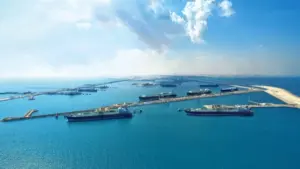
Furthermore, Riyadh mitigated the closure of the Red Sea terminal by rerouting significant volumes of crude. By utilizing land-based transport and loading oil via ports in neighboring Oman, Saudi Arabia successfully bypassed the disrupted domestic infrastructure, maintaining its export commitments to key global clients and taking the wind out of the market’s bullish sails.
Geopolitical Escalation Shrugged Off
By Thursday and Friday, the market exhibited a surprising resilience to direct military escalations. On Thursday, Saudi forces and Yemen’s Iran-backed Houthi rebels exchanged fresh rocket and drone strikes across their shared border, marking a clear expansion of the regional conflict.
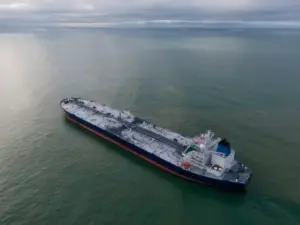
Almost simultaneously, the maritime corridor grew more dangerous. Early Friday, Iranian state media reported that the Islamic Revolutionary Guard Corps (IRGC) Navy had struck a Togo-flagged oil tanker in the Strait of Hormuz on Thursday, alleging the vessel was attempting "illegal passage."
In previous months, such a combination of a border war escalation and the physical targeting of a commercial vessel in the world’s most critical transit chokepoint would have triggered a double-digit price spike. Instead, on Friday, the market focused on physical supply metrics, allowing Brent to slide below the $103 threshold.
Supporting Context & Metrics: The Mechanics of Supply Relief
To understand why the geopolitical risk premium deflated so rapidly, one must look at the underlying physical data. The bearish turn on Friday was driven by three main factors: rising global inventories, surging Chinese exports, and strategic rerouting.
1. Global Inventory Accumulation
According to energy analysts, the immediate anxiety surrounding the Saudi pipeline disruption was neutralized by a steady accumulation of refined product inventories in key global trading hubs.
- The United States: Weekly energy data indicated a surprise build in middle distillates and gasoline, signaling that domestic refinery runs were outpacing immediate consumption.
- Singapore and Europe: Storage facilities in the Amsterdam-Rotterdam-Antwerp (ARA) region and the Singapore bunkering hub reported comfortable inventory cushions, reducing the urgency for spot-market purchases.
2. The Chinese Export Surge
China’s domestic economic policies and refining dynamics played a major role in easing global supply concerns. Customs data released on Friday revealed that Chinese exports of refined oil products in August rose by an impressive 12.7% year-on-year.
Chinese Refined Oil Product Exports (August):
=========================================
Metric                          Value
-----------------------------------------
Year-on-Year Increase           +12.7%
Key Driver                      Record-high jet fuel exports
September Policy Trend          Easing of export controls
=========================================
Notably, jet fuel exports reached a historic high. Eager to capture lucrative overseas refining margins, Chinese authorities are expected to continue easing export controls through September. This policy shift ensures a steady flow of diesel, gasoline, and aviation fuel into the global market, compensating for any localized crude shortfalls in the Middle East.
3. The Omani Detour
Saudi Arabia’s ability to utilize Omani ports to load crude served as a vital logistical safety valve. By moving oil overland or via coastwise tankers to Omani terminals outside the Persian Gulf, Saudi Aramco managed to insulate a significant portion of its export volume from both the damaged East-West pipeline and the volatile Strait of Hormuz. This strategic flexibility proved to the market that Riyadh possesses redundant export pathways capable of weathering infrastructure attacks.
Official Statements and Expert Analysis
Market observers and geopolitical analysts remain divided on whether Friday’s price drop represents a temporary pause or a structural shift toward a lower trading range.
The Analytical Perspective: Fundamentals vs. Geopolitics
Tamas Varga, a veteran analyst at PVM Oil Associates, emphasized that the drop was a logical response to improved physical metrics, though he cautioned against expecting a total market collapse:
"Immediate concerns over supply tightness have been eased by a combination of Saudi Arabia loading more crude via Oman, a build in oil product inventories in the U.S., Singapore and Europe, plus increased fuel exports from China. While continuous pre-weekend profit-taking cannot be ruled out, the current fundamental outlook would not justify a prolonged fall below $100 a barrel basis Brent."
Varga’s analysis suggests that while the $102.68 level reflects a necessary cooling off, the structural realities of the market—including OPEC+ production discipline and the ongoing regional war—will likely prevent prices from falling much further.
The Transport Risk Factor
Priyanka Sachdeva, head of market insights at Phillip Nova, focused on the critical relationship between maritime security and price volatility:
"The key question is whether physical flows can normalize and what the timeline could be. If we see a sustained improvement in Hormuz traffic, some of the geopolitical premium can unwind further."
Sachdeva’s comments highlight the underlying tension: the market is currently pricing in a "best-case scenario" of rapid repairs and successful rerouting, but any prolonged closure or systemic campaign against commercial shipping in Hormuz would quickly reverse Friday’s losses.
Key Market Perspectives:
=============================================================================
Source                 Key Takeaway
-----------------------------------------------------------------------------
Tamas Varga (PVM)      Physical buffers prevent spikes, but Brent has a $100 floor.
Priyanka Sachdeva      Unwinding the risk premium depends on normalized Hormuz traffic.
IRGC (State Media)     Seizure of Togo-flagged tanker shows persistent shipping risks.
US State Department    UNGA offers a diplomatic venue, but US-Iran talks remain stalled.
=============================================================================
Future Outlook & Strategic Geopolitical Risks
As the market enters a new trading week, the balance of risk remains tilted toward high volatility. Several critical factors will determine whether Brent crude stabilizes around the $100 mark or embarks on another upward run.
Key Risk Factors to Watch:
┌──────────────────────────────┐     ┌──────────────────────────────┐
│   UN General Assembly        │     │  Hormuz Maritime Security    │
│  • Diplomatic breakthrough?  │     │  • Risk of further seizures  │
│  • Continued US-Iran freeze? │     │  • Insurance premium hikes   │
└──────────────┬───────────────┘     └──────────────┬───────────────┘
               └───────────────┬────────────────────┘
                               ▼
               ┌──────────────────────────────┐
               │    Global Oil Price Path     │
               │  • Above $100 floor?         │
               │  • Return to $110 resistance?│
               └──────────────────────────────┘
The Diplomatic Arena: The United Nations General Assembly
The geopolitical focus now shifts to New York, where the United Nations General Assembly is scheduled to convene next week. The ongoing conflict in the Middle East and its broader economic implications are set to dominate the agenda.
The U.S. State Department has confirmed that an Iranian delegation will be permitted to attend the assembly. This development has sparked quiet speculation about potential backchannel diplomacy. However, formal prospects for de-escalation remain low; the United States and Iran have held no substantive peace talks since the collapse of their interim agreement in June. Should the UNGA fail to produce any diplomatic breakthroughs, market participants are likely to re-establish their defensive, high-premium positions.
The Fragility of the Hormuz Chokepoint
While the market chose to ignore Thursday’s tanker incident, the reality of transit risk through the Strait of Hormuz cannot be overlooked. The IRGC’s targeting of the Togo-flagged vessel demonstrates Tehran’s willingness to disrupt maritime commerce to project power and deter regional adversaries.
If shipping companies begin to reroute vessels away from the Gulf due to rising insurance premiums and physical threats, the resulting delays and increased transport costs will inevitably push oil prices back up, regardless of how much refined product China exports.
The Structural Floor of $100 Brent
Ultimately, the fundamental consensus among energy economists points to a hard floor for Brent crude at around $100 a barrel. Even with rising inventories and a recovering Saudi pipeline, global demand remains resilient.
The upcoming winter heating season in the Northern Hemisphere, coupled with OPEC’s proven willingness to defend high prices through production cuts, suggests that Friday’s 2% drop is a healthy market correction rather than the start of a prolonged bear market. Traders should prepare for continued volatility, where any sudden change in infrastructure security or diplomatic progress will quickly dictate the next move in global energy prices.