








Executive Overview
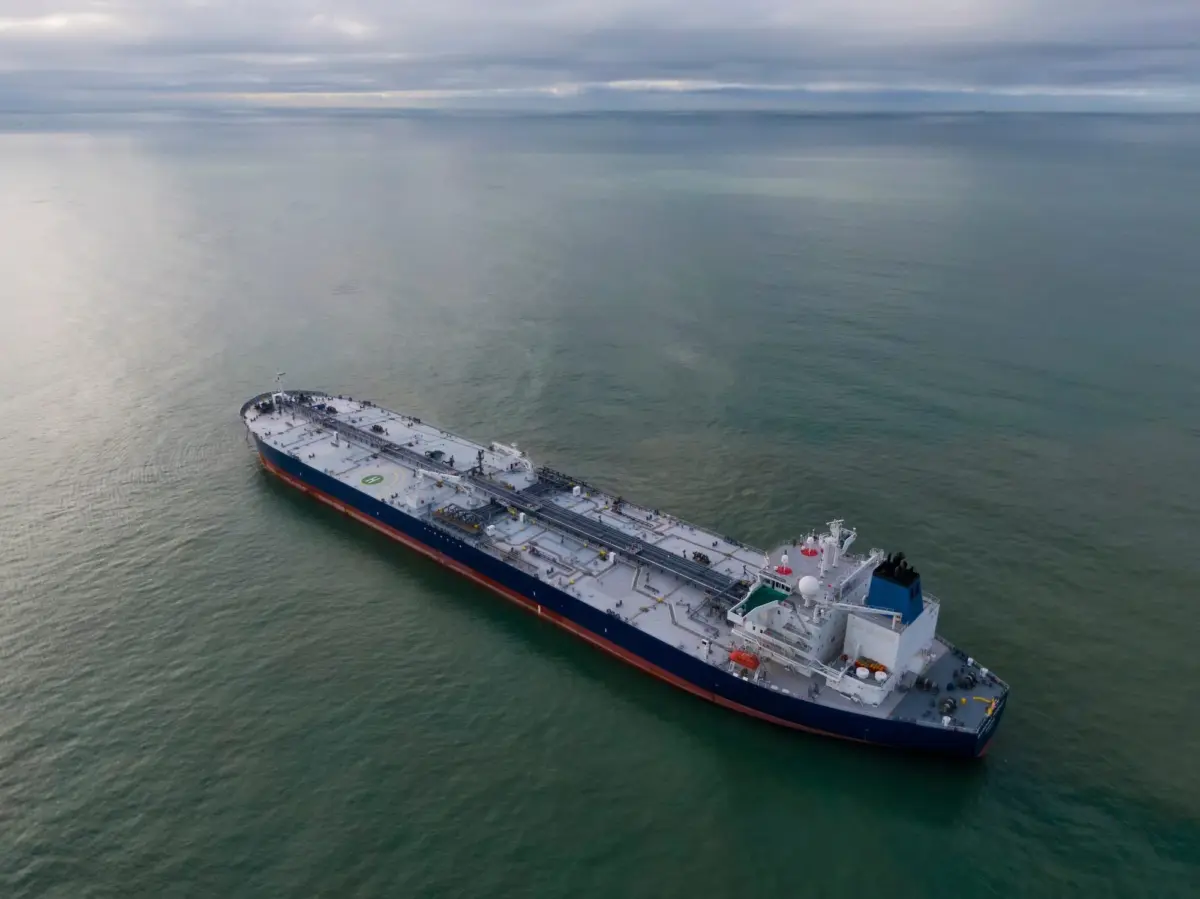
In late August, a highly unusual and coordinated security operation unfolded in the warm waters of the Gulf of Mexico, signaling a chilling escalation in the global cyber-warfare landscape. Armed tactical units from the United States Coast Guard (USCG) and forensic specialists from the Federal Bureau of Investigation (FBI) executed emergency boarding operations on two foreign-flagged commercial vessels bound for American ports. The catalyst for this high-stakes maritime intervention was intelligence indicating that sophisticated, state-sponsored cyber actors had compromised the internal computer networks of both ships.
This joint operation, conducted on August 21 and August 24, represents a watershed moment for international shipping and national security. While maritime cyberattacks have historically been characterized by quiet data theft or localized IT disruptions, this incident points to a far more dangerous trend: the targeting and potential manipulation of shipboard Operational Technology (OT).
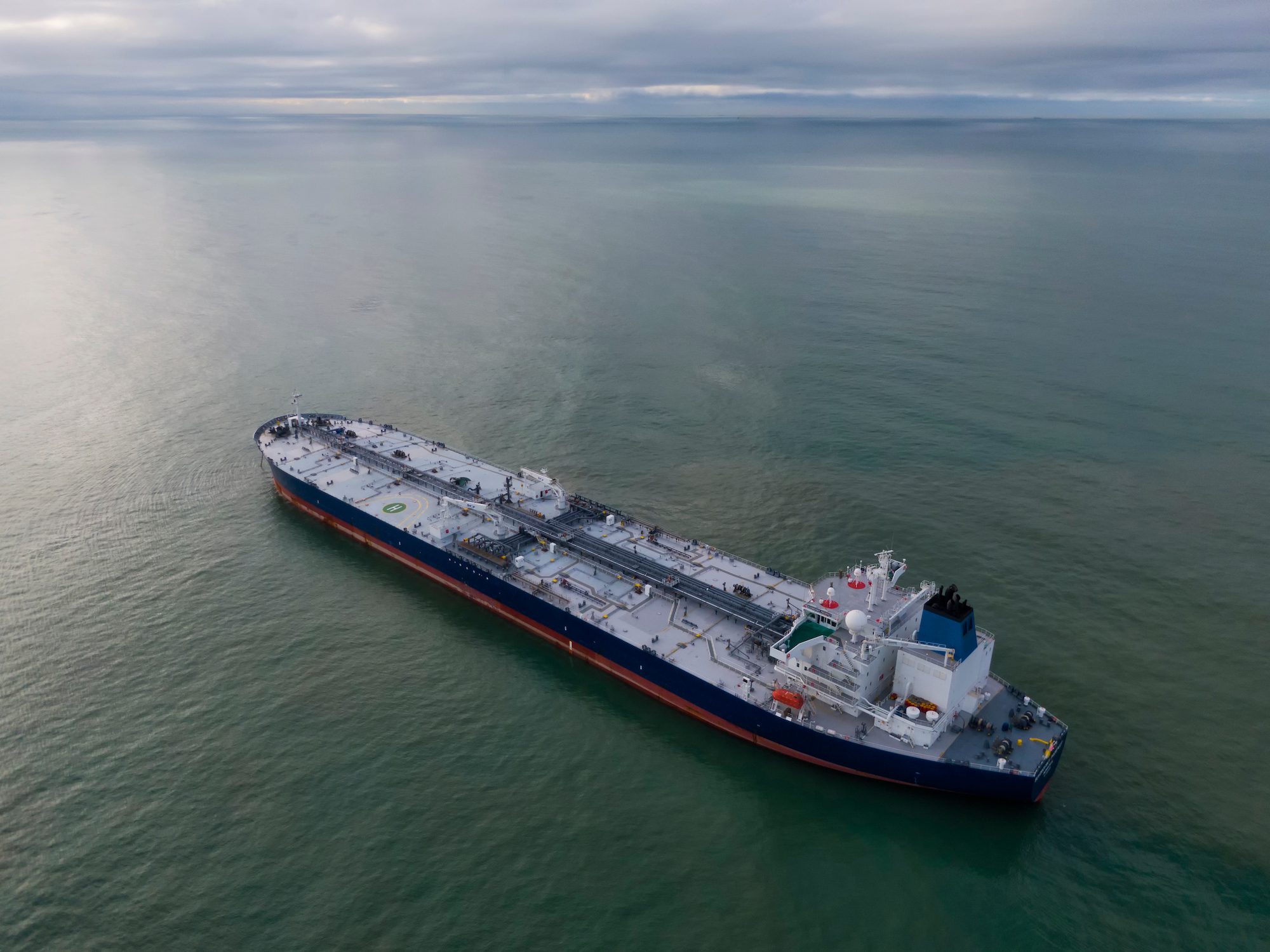
The targeted vessels, which included the Liberian-flagged bulk carrier VL Prosperity, were intercepted as American intelligence agencies grappled with a surge in hostile cyber activity. Security analysts have increasingly linked these activities to Iranian state-backed hacking groups, occurring against a backdrop of heightened geopolitical friction between Washington and Tehran. The vulnerability of global supply chains to digital disruption is no longer a theoretical risk; it is an active, physical threat playing out in the strategic shipping lanes of the Western Hemisphere.
Detailed Chronology
The timeline of these cyber interdictions reveals a highly coordinated, fast-moving threat that spanned continents and strategic maritime chokepoints before culminating in the Gulf of Mexico.
[August 20]
Iran's Mehr News Agency reports a "major cyberattack" on the VL Prosperity during its transit through the Strait of Gibraltar. Communications are severed for 30 hours.

[August 21]
First Joint Interdiction: USCG and FBI personnel board a compromised vessel (later identified as the VL Prosperity) in the Gulf of Mexico.

[August 24]
Second Joint Interdiction: US authorities board a second, unnamed foreign-flagged commercial vessel in the Gulf of Mexico following signs of network compromise.

[Late August - September]
The VL Prosperity is ordered to anchor near Galveston, Texas, under close monitoring as federal investigators conduct deep-dive digital forensics.
The Strait of Gibraltar Incident (August 20)
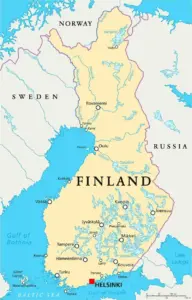
The ordeal first came to light through unusual channels. On August 20, Iran’s state-affiliated Mehr news agency published a detailed report claiming that the VL Prosperity had suffered a "major cyberattack" while transiting the Strait of Gibraltar—a vital global shipping chokepoint. According to the Iranian report, which cited an unnamed crew member, the vessel’s primary and redundant communication systems were completely knocked offline for approximately 30 hours.
More alarmingly, the hackers did not limit their intrusion to the ship’s administrative IT networks. The report detailed a systematic penetration of the ship’s industrial control systems. The intruders reportedly:
- Infiltrated the engine-room automated control networks.
- Artificially reduced the main engine’s cooling water flow, risking catastrophic thermal damage.
- Unilaterally manipulated the engine speed.
- Disabled the monitoring and safety systems for the ship’s primary fuel and engine-oil tanks.
The First Interdiction (August 21)
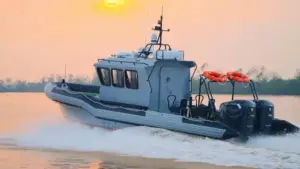
Just one day after the Iranian media report, as the VL Prosperity crossed into the US Exclusive Economic Zone in the Gulf of Mexico, American authorities acted. On August 21, a joint team consisting of US Coast Guard maritime security personnel and FBI cyber-forensics specialists boarded the vessel. The boarding was executed under strict security protocols, aimed at securing the physical premises while preserving volatile digital evidence on the ship’s server racks and industrial control systems.
The Second Interdiction (August 24)
Three days later, on August 24, the same joint task force executed a second boarding operation on another foreign-flagged commercial vessel transiting the Gulf of Mexico. US authorities confirmed that this second ship exhibited identical indicators of compromise, suggesting a coordinated campaign targeting multiple commercial vessels bound for the United States. Following the operations, the VL Prosperity was directed to an anchorage area off the coast of Galveston, Texas, where it remained under close watch as federal analysts worked to purge the malicious code.
Supporting Context & Metrics
The maritime shipping sector carries over 80% of global trade by volume, making it the literal backbone of the global economy. Yet, the rapid digitalization of this sector has outpaced its cybersecurity defenses, creating a soft target for asymmetric state-sponsored warfare.
+-------------------------------------------------------------------------+
|                    THE DUAL-LAYER MARITIME THREAT                       |
+-------------------------------------------------------------------------+
|                                                                         |
|  [ INFORMATION TECHNOLOGY (IT) ]  --->  [ OPERATIONAL TECHNOLOGY (OT) ] |
|  - Email & Crew Communications         - Main Engine Controls           |
|  - Cargo Manifests & Logistics         - Ballast Water Management       |
|  - Billing & Port Documentation        - Steering & Navigation (ECDIS)   |
|                                                                         |
|  *Threat: Financial/Data Theft*        *Threat: Kinetic/Physical Havoc* |
+-------------------------------------------------------------------------+
The IT vs. OT Vulnerability Gap
Historically, ships were considered "air-gapped" systems—physically isolated from the internet and therefore immune to remote digital attacks. Today, modern vessels are essentially floating, highly connected micro-enterprises. The vulnerability lies in the intersection of two distinct environments:
- Information Technology (IT): This includes satellite communications (VSAT), crew Wi-Fi, email, and administrative computers used for customs and cargo manifests. This is the traditional vector of entry for hackers, often initiated via phishing emails or compromised software updates.
- Operational Technology (OT): This comprises the physical machinery that keeps the ship moving and safe—engine controls, ballast water pumps, steering gear, and electronic chart display and information systems (ECDIS).
Historically, OT networks were kept entirely separate from IT networks. However, to optimize fuel efficiency, allow engine manufacturers to perform remote diagnostics, and facilitate real-time tracking, shipowners have increasingly bridged these two networks. When an IT network is compromised, a skilled hacker can traverse the bridge into the OT network, gaining direct, physical control over the vessel’s propulsion, steering, and safety systems.
Geopolitical Motives: The Gray Zone
The boarding actions occur amidst a marked increase in "gray-zone" maritime activities. Cyber operations offer nation-states a method of projection and retaliation that stops just short of open kinetic conflict. By targeting commercial vessels bound for the United States, hostile actors can signal their capability to disrupt critical supply chains, cause ecological disasters via forced groundings or oil spills, and force Western military and intelligence assets to redirect critical resources to defensive civil operations.
Official Statements and Discrepancies
The response from official channels has been characterized by a mix of cautious confirmation and tight-lipped silence, highlighting the sensitive diplomatic and national security implications of the incident.
Federal Bureau of Investigation (FBI)
In a statement confirming the joint operations, the FBI asserted that its personnel, alongside the Coast Guard, boarded the vessels after receiving "indications that the networks of both vessels were compromised." The Bureau emphasized its role in identifying the source of the compromise and mitigating potential threats to domestic maritime infrastructure.
United States Coast Guard (USCG)
The Coast Guard, which officially acknowledged only the August 21 boarding, was more specific regarding the nature of the threat but stopped short of naming the perpetrators. A spokesperson stated that "foreign cyber actors" were actively involved in the network breach. The USCG declined to comment on the second boarding or clarify the discrepancies in the timelines provided by the two agencies, referring further technical inquiries to the Cybersecurity and Infrastructure Security Agency (CISA). CISA, in turn, redirected all press inquiries back to the Coast Guard.
Dryad Global
Corey Ranslem, Chief Executive Officer of the prominent maritime security intelligence firm Dryad Global, provided critical independent validation of the event. Ranslem confirmed that his analysts had tracked the VL Prosperity to its anchorage off Galveston, Texas. Commenting on the technical feasibility of the intrusion, Ranslem noted:
"Although dramatic in its effects, a ship-centered cyberattack is not that difficult to pull off. The integration of legacy shipboard systems with modern, internet-facing communication tools has left many shipowners wide open to this brand of exploitation. We are expecting these types of attacks to continue and to expand in the very near future."
The Silent Parties
Notably absent from the public discourse was the Liberian Registry. As the world’s second-largest flag state by shipping tonnage, Liberia is responsible for the regulatory and safety oversight of thousands of vessels, including the VL Prosperity. The registry did not respond to multiple requests for comment, reflecting the shipping industry’s historical reluctance to publicly address cybersecurity vulnerabilities for fear of reputational damage and soaring insurance premiums.
Future Outlook: Securing the High Seas
The interdiction of the VL Prosperity and its sister vessel represents a stark warning to the global shipping registry. The maritime industry can no longer view cybersecurity as an auxiliary IT concern; it is now a core component of seaworthiness and national defense.
Regulatory Pressures and IMO 2021
The International Maritime Organization (IMO) addressed this threat vector through Resolution MSC.428(98), commonly referred to as the IMO 2021 Cyber Risk Management mandate. This regulation requires shipowners and operators to integrate cyber risk management into their existing, safety management systems (SMS) no later than their first annual verification.
However, industry experts argue that compliance-based security is failing. Many operators treat the IMO guidelines as a "paperwork exercise" rather than implementing robust technical controls, such as:
- Network Segmentation: Strictly isolating OT systems from IT networks using unidirectional gateways or data diodes.
- Intrusion Detection Systems (IDS): Deploying specialized maritime IDS capable of monitoring legacy serial-bus communications (such as NMEA 0183 protocols) used by shipboard machinery.
- Continuous Threat Hunting: Conducting active, remote monitoring of shipboard systems rather than relying on periodic dockside audits.
The Cyber-Kinetic Threat
The details surrounding the VL Prosperity‘s engine room manipulation point to the emergence of cyber-kinetic attacks. In these scenarios, digital code is used to cause physical destruction. If a hostile state actor can remotely command a massive tanker to shut down its cooling systems or alter its rudder angles while transiting a narrow channel like the Houston Ship Channel, the result would be indistinguishable from a physical act of war, yet significantly harder to attribute.
As the FBI and USCG conclude their forensic analysis of the seized servers in Texas, the maritime sector must brace for a new reality. The oceans, once secured solely by naval power and physical steel, are now fully integrated into the global digital battlefield. For shipowners, crews, and the nations that rely on them, the threat is no longer over the horizon—it is already on board.