






Executive Overview
For decades, the American Midwest has been broadly celebrated for its vast agricultural belts, the sweeping shorelines of the Great Lakes, and a dynamic urban fabric spanning several states. However, woven quietly between these bustling metropolitan centers and rolling farming plains lies an extraordinary network of horticultural masterpieces. Cultivated meticulously over generations, these public gardens and arboretums represent some of the most diverse, historically significant, and visually stunning landscapes in North America.
From formal European-inspired parterres and tranquil Asian water gardens to immense, multi-thousand-acre forest reserves and soaring tropical conservatories, the Midwest offers a botanical journey that rivals any coastal destination. This comprehensive report examines the ten most gorgeous gardens to visit across the region, evaluating them through the rigorous criteria of landscape architecture, horticultural diversity, ecological preservation, and overall visitor experience. Whether seeking the peak summer scent of thousands of heirloom roses, the structural brilliance of geodesic conservatories, or immersive tree-top canopy walks, travelers will find that the heartland blooms with world-class natural beauty.
Detailed Chronology: The Evolution of Midwestern Horticulture
The development of public green spaces in the Midwest is deeply tied to the region’s industrial expansion, civic maturation, and an evolving nineteenth- and twentieth-century philosophy regarding nature, public health, and education. To understand how these 10 magnificent destinations came to be, one must trace their historical roots.
- 1849: The historical foundation is laid in St. Louis with the planning of the Tower Grove estate, which would eventually blossom into the Missouri Botanical Garden, setting a precedent for scientific horticulture in the American interior.
- 1859: The Missouri Botanical Garden officially opens to the public under the vision of founder Henry Shaw, establishing it as one of the oldest botanical institutions in the United States.
- 1890s–1930s: The dawn of regional park systems and arboretums. Institutions such as the Holden Arboretum in Ohio (founded in 1931) emerge from a growing conservationist desire to protect native forests while providing accessible outdoor recreation for industrializing populations.
- 1932: The International Peace Garden is established straddling the North Dakota-Manitoba border, utilizing landscape design as an enduring geopolitical symbol of international friendship.
- 1930s–1950s: Municipal greening initiatives take root, highlighted by the creation of spaces like the Munsinger Gardens along the Mississippi River in St. Cloud, Minnesota, transforming lumber-industry lands into civic floral displays.
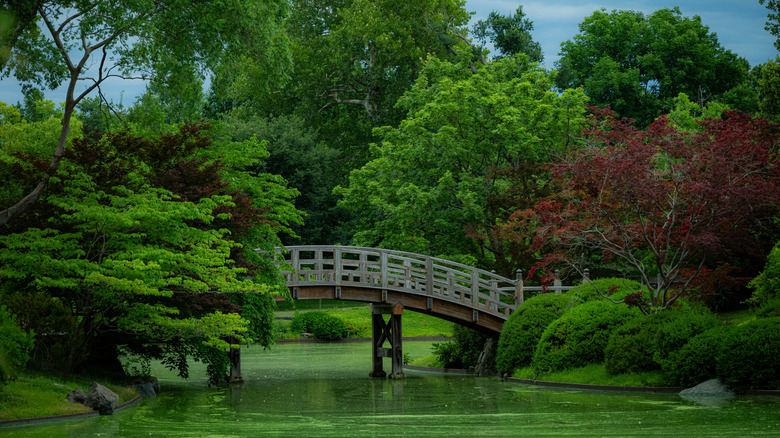
- 1960s–1980s: A cultural shift toward global landscape representation occurs. Institutions like the Chicago Botanic Garden (opened in 1972) and the Missouri Botanical Garden intentionally incorporate expansive Asian-inspired gardens, introducing authentic Japanese and Chinese garden design philosophies to the Midwest.
- 1990s–Present: Modern botanical parks redefine the medium by integrating contemporary monumental art with ecological restoration. The opening of the Frederik Meijer Gardens and Sculpture Park in Michigan (1995) and the continuous expansion of modern conservatories—such as Omaha’s Marjorie K. Daugherty Conservatory—elevate these sites into world-class cultural and ecological sanctuaries.
The 10 Most Gorgeous Gardens to Visit in the Midwest
1. Chicago Botanic Garden — Glencoe, Illinois
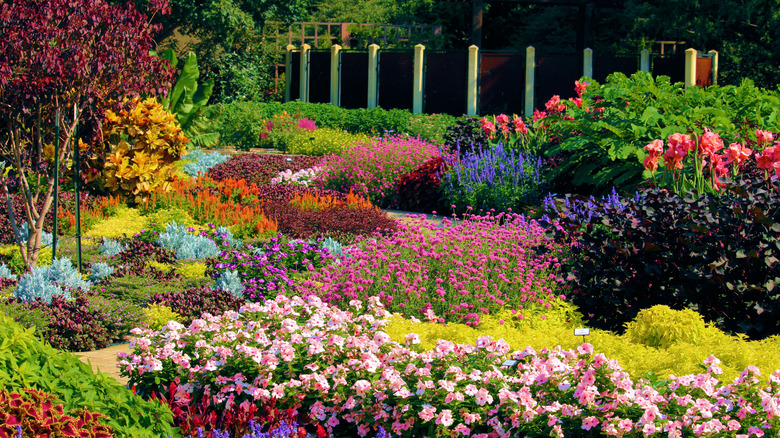
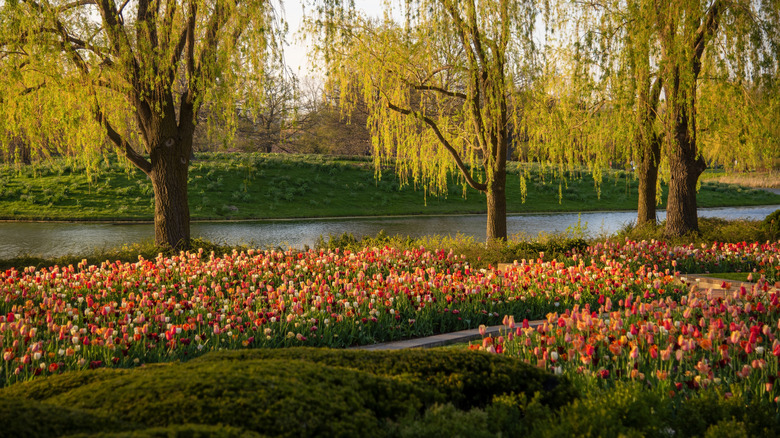
Spanning 385 acres roughly 25 miles north of downtown Chicago, the Chicago Botanic Garden is a crown jewel of Midwestern horticulture and a premier summertime destination for locals and tourists alike. Surrounded by nine islands and nearly six miles of pristine lakeshore, the property nurtures over 2.5 million plants.
- Key Highlights: The Elizabeth Hubert Malott Japanese Garden, the Krasberg Rose Garden, the English Walled Garden, and the Heritage Garden.
- Seasonal Appeal: Spring bulbs transform the landscape with vibrant color, summer perennials offer rich textural contrast, and autumn brings brilliant foliage mirrored across the glacial lakes.
2. Dubuque Arboretum and Botanical Gardens — Dubuque, Iowa
Perched dramatically on 56 acres overlooking the majestic Mississippi River bluffs, the Dubuque Arboretum and Botanical Gardens presents a staggering collection of over 60 specialized garden types. Open year-round, it merges formal design with rugged natural topography.
- Key Highlights: The Formal Herb Garden, a tranquil Japanese Garden, the Gottschalk-Hoeger Rose Garden, the whimsical Children’s Storybook Garden, and more than 50 permanent sculptures.
- Seasonal Appeal: Exceptional displays of colorful annuals peak during the warm summer months, while woodland paths provide cool, shaded escapes.
3. Botanica, The Wichita Gardens — Wichita, Kansas
Situated in the heart of Wichita, Botanica covers 20 thoughtfully designed acres featuring over 30 distinct themed gardens. This institution masterfully weaves water features—including cascading waterfalls, streams, and koi ponds—throughout its diverse collections.
- Key Highlights: Koch Carousel Gardens, Cissy Wise Wildflower Meadow, the Chinese Garden of Friendship, the Butterfly Garden and House, and the Shakespeare Garden.
- Seasonal Appeal: The Sally Stone Sensory Garden engages visitors throughout the growing season, while the property transitions into a winter wonderland during its famed Illuminations holiday light display.
4. Frederik Meijer Gardens and Sculpture Park — Grand Rapids, Michigan
Covering 158 acres in Grand Rapids, this premier institution seamlessly blends world-class modern sculpture with breathtaking horticultural design. It features 16 distinct outdoor gardens alongside expansive indoor facilities.

- Key Highlights: The Richard and Helen DeVos Japanese Garden, Michigan’s Farm Garden, and the Lena Meijer Tropical Conservatory—home to the state’s largest annual butterfly exhibition. Monumental outdoor works by artists such as Ai Weiwei and Magdalena Abakanowicz stand sentinel among the flora.
- Seasonal Appeal: Springtime brings the indoor migration of thousands of tropical butterflies, while summer perennials and autumn leaves frame the sculpture park’s monumental art installations.
5. Munsinger Clemens Gardens — St. Cloud, Minnesota
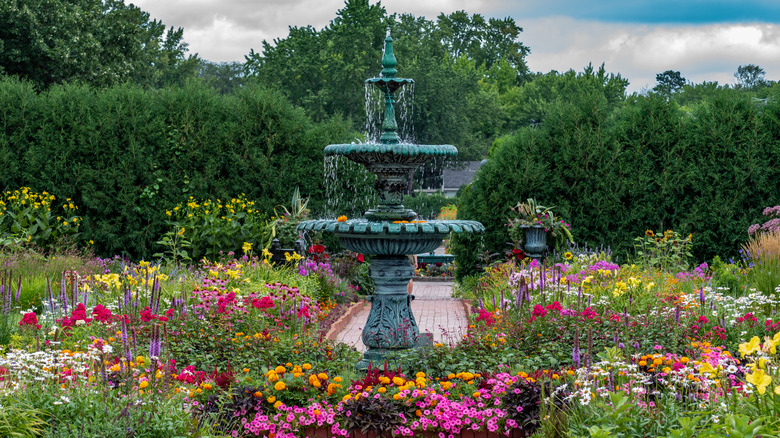
Stretching serenely along the banks of the Mississippi River, the adjacent Munsinger and Clemens Gardens combine to cover 21 acres across seven meticulously maintained zones. The property is celebrated for its classic geometric design and towering, mature shade trees.
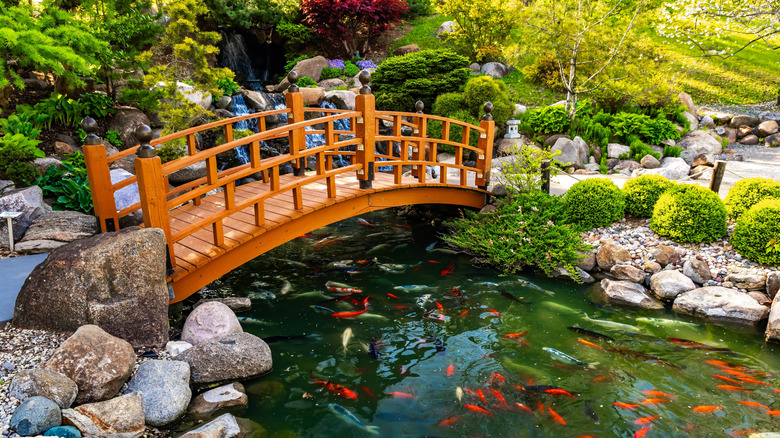
- Key Highlights: The Virginia Clemens Rose Garden, featuring four distinct rose varieties centered around a classic fountain, and the Formal Garden, characterized by geometric beds and bathing swan statuary.
- Seasonal Appeal: Summer showcases peak rose blooms and vibrant annual beds, while the riverfront paths offer exceptional views of changing fall colors.
6. Missouri Botanical Garden — St. Louis, Missouri
Founded in 1859 by Henry Shaw, this 79-acre urban oasis in St. Louis is a historic titan of American botany. It encompasses 23 specialized gardens, historical architecture, and globally renowned scientific research facilities.
- Key Highlights: Seiwa-en (the 14-acre Japanese Garden), the English Woodland Garden, the Bavarian Garden, and the iconic Climatron Geodesic Dome Conservatory—recognized as one of the top architectural achievements in U.S. history.
- Seasonal Appeal: Spring flowering trees draw massive crowds, while heated indoor conservatories provide lush green escapes during the cold winter months.
7. Lauritzen Gardens — Omaha, Nebraska
Overlooking the rolling Missouri River valley, Lauritzen Gardens spans 100 acres of rehabilitated industrial landscape transformed into more than 20 themed gardens.
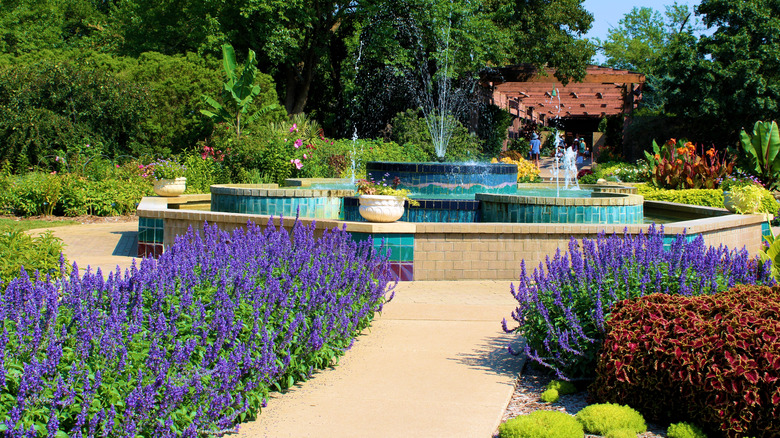
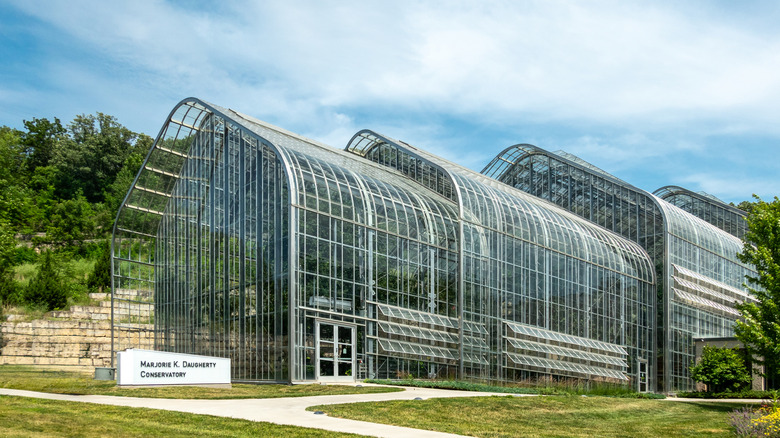
- Key Highlights: The Model Railroad Garden, the Hitchcock-Kountze Victorian Garden, a traditional Japanese Park, a rose garden featuring nearly 2,000 plants, and the glass-enclosed Marjorie K. Daugherty Conservatory.
- Seasonal Appeal: Dynamic rotating flower displays and sprawling bulb plantings ensure that spring, summer, and fall deliver entirely distinct aesthetic experiences.
8. International Peace Garden — Dunseith, North Dakota
Straddling the international boundary between North Dakota and the Canadian province of Manitoba, this expansive 2,400-acre site serves as a profound monument to peace and cross-border cooperation.
- Key Highlights: Over 80,000 annual flowers planted each June, a monumental floral clock, the Carillon Bell Tower, woodland and wetland hiking trails, and an extensive indoor cactus collection.
- Seasonal Appeal: Mid-summer marks the peak of the grand floral displays, while autumn highlights the quiet, untouched wilderness of the surrounding northern forest.
9. The Holden Arboretum — Kirtland, Ohio
As one of the largest arboretums in the United States, The Holden Arboretum encompasses over 3,600 acres of protected native forests, ravines, and cultivated display gardens.
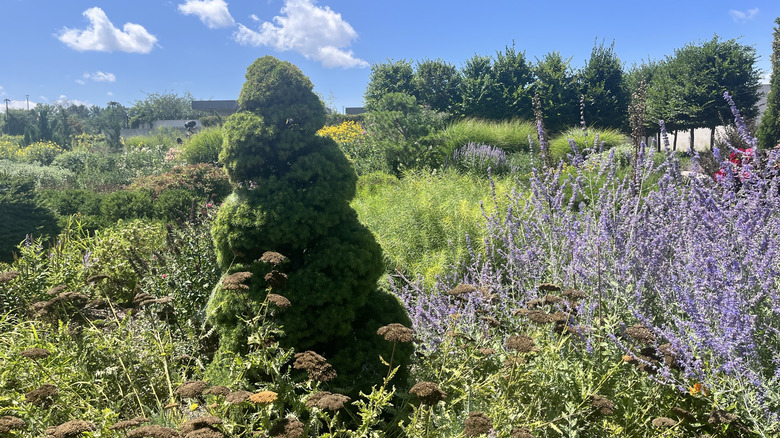
- Key Highlights: The Helen S. Layer Rhododendron Collection, the Murch Canopy Walk (suspended 65 feet in the air), the 12-story Kalberer Emergent Tower, and the Arlene & Arthur S. Holden Jr. Butterfly Garden.
- Seasonal Appeal: Spring brings brilliant wildflower blooms to the forest floor, summer offers deep green canopy exploration, and autumn turns the rolling Ohio hills into a sea of brilliant red and gold.
10. Olbrich Botanical Gardens — Madison, Wisconsin
Spanning 16 acres on the east side of Madison, Olbrich Botanical Gardens transports visitors across global climate zones through 20 distinct outdoor and indoor spaces.
- Key Highlights: The Royal Thai Pavilion and Garden—an authentic, ornate pavilion gifted by the Thai government, surrounded by reflective ponds and tropical plants—alongside the Sunken Garden and the Bolz Conservatory.
- Seasonal Appeal: The glass pyramid Bolz Conservatory offers a warm tropical paradise complete with free-flying birds and orchids in winter, while the outdoor gardens burst with color from spring through fall.
Supporting Context & Metrics
Operating and maintaining these vast botanical institutions requires immense logistical coordination, scientific oversight, and community support. The table below outlines key institutional metrics that underscore the scale of these Midwestern treasures:
| Garden Name | Location | Approximate Acreage | Notable Architectural/Design Feature | Primary Focus |
|---|---|---|---|---|
| Chicago Botanic Garden | Glencoe, IL | 385 Acres | 9 Islands & 6 miles of shoreline | Horticultural display & conservation |
| Dubuque Arboretum | Dubuque, IA | 56 Acres | River bluff overlooks, 50+ sculptures | Regional biodiversity & education |
| Botanica, The Wichita Gardens | Wichita, KS | 20 Acres | Woven streams, water features, carousel | Themed sensory & regional plants |
| Frederik Meijer Gardens | Grand Rapids, MI | 158 Acres | Lena Meijer Tropical Conservatory | Art, sculpture, & horticulture |
| Munsinger Clemens Gardens | St. Cloud, MN | 21 Acres | Mississippi riverfront pathways | Formal rose & perennial displays |
| Missouri Botanical Garden | St. Louis, MO | 79 Acres | Climatron Geodesic Dome | Scientific research & historic flora |
| Lauritzen Gardens | Omaha,-NE | 100 Acres | Marjorie K. Daugherty Conservatory | Regional ecosystems & display |
| International Peace Garden | North Dakota | 2,400 Acres | Floral clock, Carillon Bell Tower | International diplomacy & nature |
| The Holden Arboretum | Kirtland, OH | 3,600+ Acres | Murch Canopy Walk & Emergent Tower | Forest conservation & arboreal science |
| Olbrich Botanical Gardens | Madison, WI | 16 Acres | Royal Thai Pavilion & Bolz Conservatory | Global landscape styles & tropicals |
Official Statements and Horticultural Perspectives
Industry leaders and horticulturalists emphasize that Midwestern gardens serve a dual purpose: preserving rare and native plant species while offering vital psychological and educational sanctuaries for urban populations.
Dr. Peter Wyse Jackson, President Emeritus of the Missouri Botanical Garden, has frequently highlighted the critical role that regional botanical institutions play in global plant conservation:
"Botanical gardens are no longer merely pleasant places to stroll on a Sunday afternoon. They are the frontline defense against biodiversity loss, acting as living seed banks, scientific laboratories, and educational hubs that connect humanity back to the natural world that sustains us."
Similarly, municipal tourism boards and horticultural directors across the heartland point out that these spaces act as economic and cultural anchors. Representatives from the Chicago Botanic Garden note that public engagement surges year-round because modern visitors actively seek immersive, restorative natural spaces within driving distance of major metropolitan hubs. Arboretum directors in Ohio and Michigan further stress that investments in elevated infrastructure—such as canopy walks and interactive conservatory exhibits—have successfully attracted younger demographics to environmental stewardship.
Future Outlook: Trends in Midwestern Garden Design
Looking ahead, the future of Midwestern botanical gardens is being shaped by technological innovation, climate resilience, and an increased emphasis on accessibility and holistic wellness.
- Climate-Resilient Landscaping: As regional weather patterns fluctuate, landscape architects across the Midwest are increasingly prioritizing drought-tolerant native perennials, resilient urban tree species, and sustainable water management systems (such as rain gardens and advanced gray-water recycling) to maintain lush environments with minimal ecological footprint.
- Technological Integration & Education: Gardens are expanding digital interpretation tools, offering augmented reality (AR) plant identification apps, virtual conservatory tours, and data-driven educational programming that connects regional visitors with global climate science initiatives.
- Wellness and Horticultural Therapy: Spaces like sensory gardens and mindfulness walking paths are experiencing a surge in design investment. Institutions are recognizing the profound mental health benefits of nature immersion, leading to dedicated programs in horticultural therapy, forest bathing (shinrin-yoku), and accessible sensory-friendly pathways.
- Expanded Community Outreach: Moving beyond passive exhibition, future-focused arboretums are deepening partnerships with local urban agricultural programs, youth science camps, and neighborhood greening initiatives to ensure that the beauty and educational benefits of these green spaces are equitably distributed across all communities.
In sum, the Midwest’s premier gardens and arboretums are living testimonies to human creativity, botanical science, and ecological dedication. Far from being simple patches of green in flyover country, these ten destinations stand proudly among the finest horticultural achievements in the world, inviting travelers to slow down, explore, and marvel at the blooming heartland.