









Executive Overview
For decades, the cultural blueprint for American retirement pointed resolutely toward the Sunbelt—endless stretches of year-round sunshine, Florida beachfronts, and Arizona desert vistas. However, a structural shift in senior preferences is quietly redefining where and how older Americans choose to spend their golden years. A comprehensive national survey of 2,000 seniors conducted by The Motley Fool reveals that while climate remains a factor, it ranks secondary to practical, foundational pillars: cost of living, healthcare access, safety, and overall quality of life.
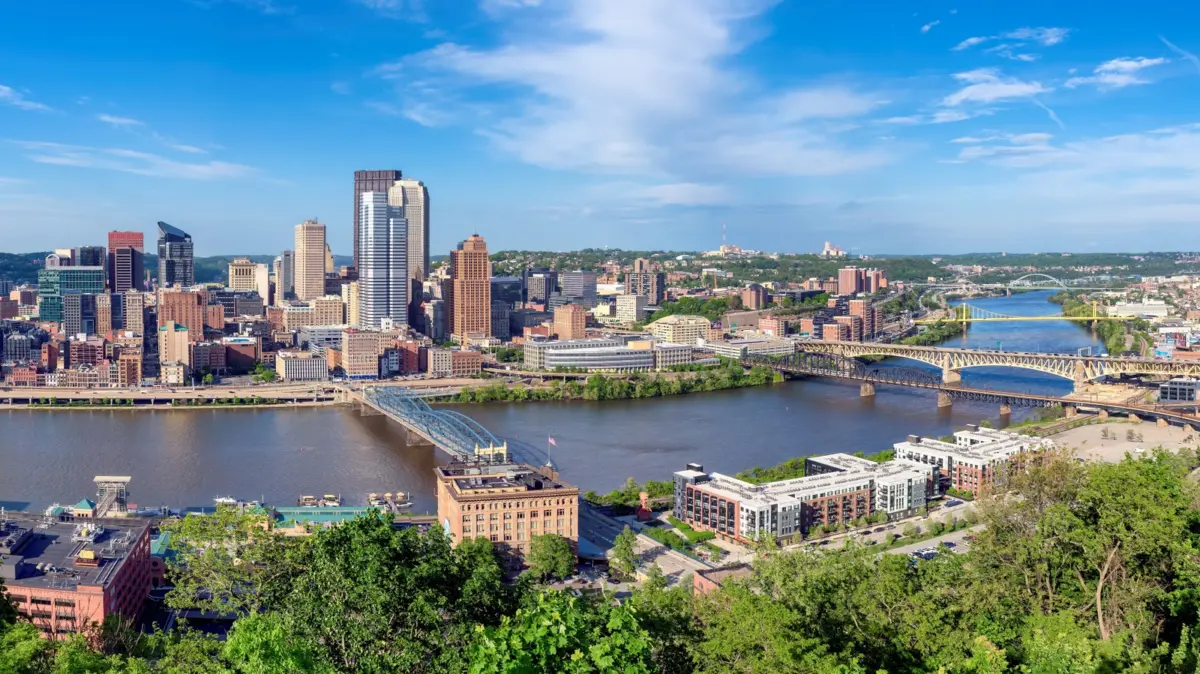
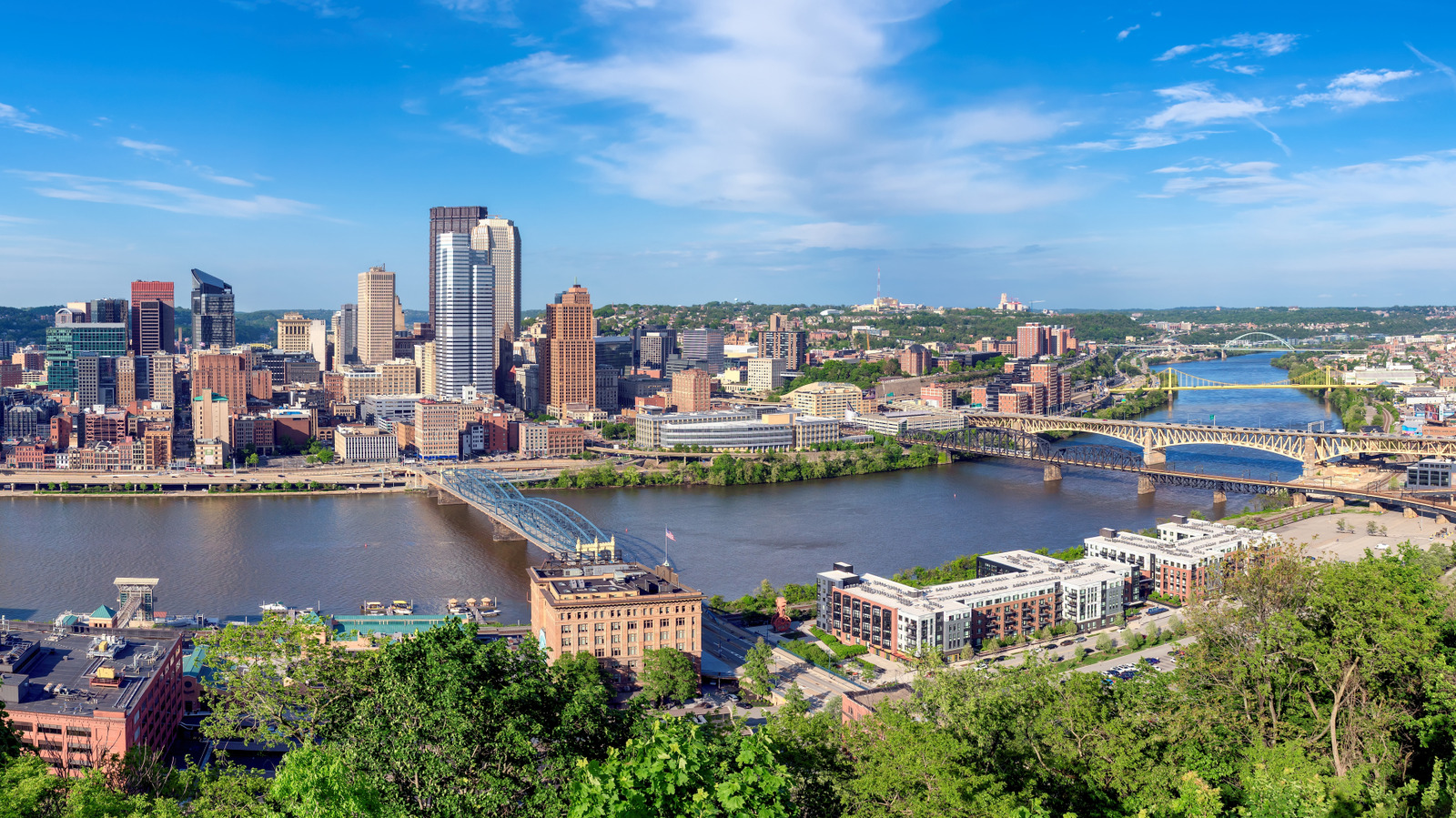
When evaluated through this holistic lens, the Northeast United States offers exceptional value, led by a surprising contender that blends metropolitan sophistication with sprawling natural landscapes. Ranked as the No. 3 best county to retire in the entire American Northeast, Allegheny County, Pennsylvania—anchored by the historic yet revitalized city of Pittsburgh—is capturing the attention of retirees seeking financial sustainability without sacrificing cultural enrichment or outdoor adventure.
Home to roughly 1.2 million residents, Allegheny County successfully bridges the gap between urban density and small-town community charm. Approximately a quarter of the county’s population resides within Pittsburgh, Pennsylvania’s second-largest city, while the surrounding municipalities range from bustling, suburban enclaves to tranquil, wooded boroughs. Backed by world-class medical institutions, an affordable housing market, vibrant arts scenes, and a profound ecological renaissance, Allegheny County presents a compelling case study in modern, multi-dimensional retirement planning.
Detailed Chronology: From Industrial Titan to Modern Senior Haven
To fully understand Allegheny County’s modern appeal, one must examine its historical trajectory—a narrative of reinvention that directly benefits today’s aging population.
The Industrial Era and the Great Transformation
For much of the late 19th and 20th centuries, the region defined the industrial might of the United States. Powered by steel mills, coal mining, and heavy manufacturing, Pittsburgh and its surrounding river valleys drove the nation’s economic engine. However, this prosperity came at an environmental and infrastructural cost. By the late 1970s and 1980s, the collapse of the domestic steel industry plunged the region into a severe economic depression, resulting in widespread job losses, population decline, and a legacy of industrial pollution.
The Renaissance Decades (1990s–2010s)
Recognizing the unsustainable nature of its rust-belt identity, civic leaders, academic institutions (such as the University of Pittsburgh and Carnegie Mellon University), and healthcare pioneers embarked on a decades-long revitalization campaign. Heavy industry gave way to a knowledge-based economy centered on robotics, biotechnology, artificial intelligence, and advanced medicine. Simultaneously, a sweeping environmental reclamation project scrubbed the air and restored the region’s waterways, transforming former industrial brownfields into expansive public green spaces, riverfront trails, and cultural districts.
The Modern Era: A Destination for Active Aging
Today, this decades-long metamorphosis has culminated in a region uniquely suited for retirees. The neighborhoods that once housed steelworkers now feature community art galleries, senior fitness centers, and pedestrian-friendly main streets. The physical infrastructure built during the industrial boom—such as extensive bridge networks, robust public transit systems, and dense urban neighborhood layouts—now provides the framework for a high-utility, highly walkable lifestyle for older adults navigating fixed incomes.

Supporting Context & Metrics: Cost, Healthcare, and Livability
When seniors evaluate a prospective retirement destination, concrete data frequently outweighs abstract appeal. Allegheny County performs exceptionally well across key economic, health, and logistical metrics.
Financial Viability and Cost of Living
According to data compiled by Best Places, the overall cost of living in Allegheny County sits 8.2% below the national average. For retirees transitioning to fixed incomes or drawing down retirement portfolios, housing costs represent the most significant variable. In Allegheny County, housing is exceptionally competitive:
- Homebuyers: Purchasing a home in the county is approximately 39% below the U.S. average.
- Renters: Rental costs track roughly 23.8% below the national average.
This financial breathing room allows retirees to allocate their savings toward experiential travel, healthcare, dining, and leisure rather than being house-poor in an inflated coastal market.
Premier Healthcare Infrastructure
Access to top-tier medical care is arguably the single most critical factor for aging populations. Allegheny County benefits immensely from the presence of the University of Pittsburgh Medical Center (UPMC) healthcare network, one of the most prestigious integrated global health enterprises in the country.
Key facilities anchored within the county include:
- UPMC Hillman Cancer Center: A National Cancer Institute (NCI)-designated comprehensive cancer center recognized globally for cutting-edge oncological research and patient care.
- UPMC Presbyterian Shadyside: Consistently ranked by U.S. News & World Report as the No. 2 hospital in Pennsylvania, with national rankings across 10 specialized medical disciplines.
This dense network of specialized care ensures that retirees have immediate access to world-class geriatric, cardiovascular, and oncological services without needing to travel to distant metropolitan centers.
Transit, Walkability, and Mobility
Mobility is vital for maintaining independence later in life. Allegheny County offers a surprisingly robust public transit infrastructure operated by Pittsburgh Regional Transit (PRT). Notably, individuals aged 65 and older ride the public transit system completely free, dramatically lowering the barrier to civic engagement, medical appointments, and social outings.
Furthermore, a 2025 report from Storage Café ranked Pittsburgh No. 3 among U.S. cities for a "walk-and-ride" lifestyle. While owning a car remains advantageous for those residing in the outermost suburbs, the city’s dense, pedestrian-friendly urban core allows residents to easily navigate daily errands, cultural events, and social gatherings on foot or via public transit.
Official Statements and Sociological Perspectives
The shift away from traditional retirement paradigms toward multifaceted regions like Allegheny County highlights changing generational priorities.
Retirement housing and aging-in-place experts point out that modern retirees are increasingly rejecting isolated, single-demographic retirement communities in favor of intergenerational, culturally rich environments. Analysts note that regions offering intellectual stimulation, robust healthcare systems, and accessible public amenities foster better cognitive and physical health outcomes among seniors.
Local municipal leaders and urban planners in Allegheny County have actively leaned into this demographic shift. Through initiatives spearheaded by Pittsburgh Citiparks—such as the operation of Healthy Active Living Senior Centers across 12 distinct neighborhoods—the county provides structured programming designed to combat senior isolation. These centers offer everything from low-impact physical fitness classes like tai chi and line dancing to cognitive engagement through mahjong, chess, and educational workshops.
Additionally, the county’s extensive library system—boasting over 70 distinct branches—serves as a vital social anchor. These institutions host active calendars featuring book clubs, crafting circles, and community forums, explicitly designed to help older adults forge new social networks and combat the loneliness epidemic frequently associated with aging.
Cultural Enrichment and Entertainment
A successful retirement is defined not just by health and affordability, but by engagement and joy. Allegheny County offers a surprisingly diverse array of cultural, artistic, and recreational pursuits.
Pittsburgh’s Distinct Neighborhoods and Arts Scene
Pittsburgh’s 90 distinct neighborhoods each maintain unique architectural and cultural identities. Art enthusiasts have access to world-class institutions, including:
- The Carnegie Museum of Art: Widely considered the crown jewel of the city’s museum scene, featuring an expansive contemporary and classical collection.
- The Andy Warhol Museum: The largest museum in North America dedicated to a single artist.
- The Frick Pittsburgh: A historic complex exploring art, history, and horticulture in the Point Breeze neighborhood.
For performing arts aficionados, the downtown Cultural District hosts year-round theater productions, Broadway tours, the Pittsburgh Symphony Orchestra, and the Pittsburgh Jazz Orchestra. Furthermore, a vast calendar of free community events—such as the Dollar Bank Three Rivers Arts Festival and the Pittsburgh International Jazz Festival—ensures that cultural engagement remains accessible to individuals living on fixed budgets.
Sports Culture
For decades, Pittsburgh has worn its identity as the "City of Champions" with pride. Retirees who are sports enthusiasts can easily plug into the local community by supporting iconic professional franchises: the Pittsburgh Steelers (NFL), the Pittsburgh Penguins (NHL), the Pittsburgh Pirates (MLB), and the Pittsburgh Riverhounds (USL soccer). Attending games or gathering at neighborhood watch parties serves as an effortless bridge for intergenerational bonding and community integration.
Outdoor Recreation and Environmental Wonders
Contrary to outdated industrial stereotypes, Western Pennsylvania is remarkably verdant. Decades of environmental recovery have transformed the landscape into an outdoor enthusiast’s paradise.
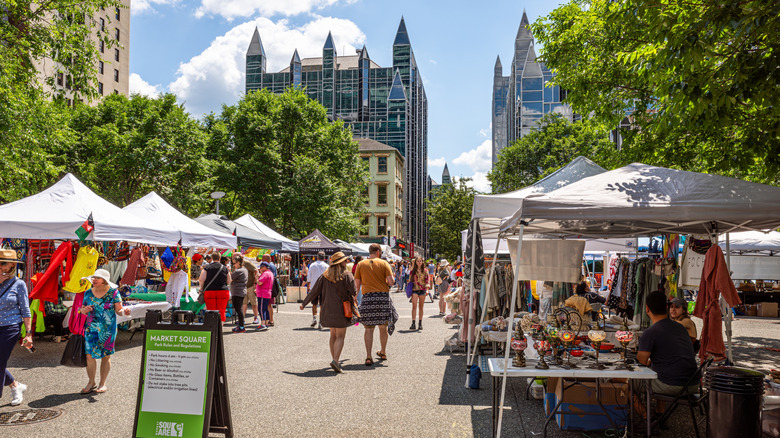
Parks and Waterways
Within Pittsburgh city limits alone, residents have access to 176 public parks, ranging from neighborhood pocket parks to sprawling urban woodlands like Frick Park, which encompasses 644 acres of wooded valleys, streams, and unpaved hiking trails.
For cyclists, runners, and walkers, the Three River Heritage Trail offers 35 miles of continuous multi-use pathways winding along the banks of the Allegheny, Monongahela, and Ohio Rivers. Water sports enthusiasts utilize the 34 dedicated non-motorized boat launch points along the Three Rivers Water Trail for kayaking and paddleboarding, while anglers regularly target smallmouth bass, muskellunge, walleye, and catfish. Organizations like Venture Outdoors regularly host accessible outdoor activities, including lunchtime fishing sessions in downtown’s Point State Park.
County Parks and Regional Adventures
Beyond the city center, Allegheny County’s broader park system provides world-class amenities:
- Settlers Cabin Park: Located roughly 10 miles west of downtown, this 1,600-acre park houses the Pittsburgh Botanical Garden, historic 18th-century structures, and rugged hiking networks.
- Deer Lakes Park: Situated in the county’s northeast corner, this park features three stocked fishing lakes and hosts public stargazing events at the facility’s Wagman Observatory.
- Golfing: Golf enthusiasts can play across two premier public USGA-ranked courses managed by the county park system, or experience the historic Bob O’Connor Golf Course located within Schenley Park.
Navigating the Seasons
While Allegheny County experiences distinct seasonal shifts—with average summer highs comfortably resting in the 80s and true winter conditions arriving between November and March—this climate variation is viewed by many active retirees as an advantage rather than a drawback. The changing seasons create distinct rhythms for outdoor recreation, while winter sports enthusiasts are situated just an hour south of world-class mountain resorts, such as Seven Springs Mountain Resort in Champion, Pennsylvania, offering skiing, snowboarding, and alpine getaways.
Future Outlook
As the demographic wave of aging Baby Boomers continues to reshape the American landscape, the criteria defining an ideal retirement destination will continue to evolve. The pursuit of perpetual sunshine is increasingly being balanced against the pragmatic realities of economic stability, robust healthcare infrastructure, intellectual stimulation, and environmental beauty.
Allegheny County, Pennsylvania, stands at the vanguard of this new retirement paradigm. By successfully converting its formidable industrial past into a modern, knowledge-driven, and green economy, the region offers seniors a rare combination: the economic relief of a below-average cost of living, the security of elite medical institutions, and the boundless lifestyle benefits of a major cultural hub seamlessly intertwined with the great outdoors. For retirees seeking a dynamic, engaging, and financially sustainable chapter in America’s Northeast, Allegheny County is no longer just a hidden gem—it is a gold standard.