





Executive Overview
When travelers sketch out their dream itineraries for the Centennial State, the destination names usually roll off the tongue with predictable familiarity: Aspen, Vail, Breckenridge, Telluride. These renowned resort towns have earned their legendary status through decades of heavy marketing, exclusive luxury boutiques, elite ski infrastructure, and an undeniable glitz that draws Hollywood A-listers and international jet-setters alike. Yet, beneath the glittering veneer of these high-priced alpine enclaves lies a growing fatigue among everyday travelers. Onerous lift ticket prices, exorbitant lodging rates, and bumper-to-bumper weekend traffic along the I-70 corridor have transformed what should be restorative mountain getaways into logistical and financial endurance tests.
Enter Rifle, Colorado—a rugged, unpretentious Western frontier town that is rapidly turning heads as an authentic alternative to its over-hyped neighbors. Situated just an hour’s drive northwest of Aspen and roughly ninety minutes from Vail, Rifle flips the script on traditional Colorado tourism. Rather than catering to the luxury-resort demographic with champagne lounges and valet parking, Rifle serves as the beating heart for true outdoor adventurers, cattle ranchers, and travelers seeking raw wilderness without the commercialized markup.
Boasting a dramatic landscape defined by gushing triple-cascade waterfalls, sprawling state parks, surreal ice caves, and world-class rock climbing, Rifle delivers an immersive, unvarnished mountain experience. Combined with a welcoming, historic downtown core featuring top-rated local eateries and a fraction of the visitor congestion found at premier resorts, Rifle is no longer just a pass-through town on the Western Slope. It is emerging as Colorado’s best-kept travel secret.
Detailed Chronology and Historical Evolution
To truly appreciate Rifle’s modern renaissance as an outdoor recreation hub, one must examine the arc of its evolution from a rugged 19th-century outpost to a contemporary sanctuary for travelers fleeing overcrowded tourist traps.
The Frontier Roots (Late 19th Century)
Long before luxury resorts defined Colorado’s tourism economy, the Western Slope was a dynamic landscape shaped by indigenous Ute tribes, trappers, and early homesteaders. The town of Rifle officially took root in the late 1880s, deriving its distinctive name from a local landmark: Rifle Creek, where a pioneer reportedly left his firearm leaning against a tree. Unlike mining camps that boomed and busted overnight, Rifle grew as a resilient agricultural and ranching community. Cowboys, cattle farmers, and timber workers established the economic and cultural foundation that still permeates the town today—one defined by hard work, self-reliance, and a deep respect for the surrounding wilderness.
The Industrial Shift and Conservation (Mid-20th Century)
Throughout the mid-20th century, Rifle’s economy experienced shifts tied to energy exploration, oil shale development, and regional infrastructure expansion, notably the construction of Interstate 70. However, as Colorado’s mountains transformed into a premier global ski destination during the 1970s and 1980s, towns like Aspen and Vail industrialized their tourism models, pricing out the average traveler. Rifle, fortunately, remained anchored to its rural identity.
State and federal conservation efforts gradually stepped in to protect the breathtaking natural assets surrounding the municipality. The establishment of Rifle Gap State Park in 1966 and Rifle Falls State Park in 1965 formally shifted local economic horizons toward outdoor recreation and environmental stewardship, laying the groundwork for the sustainable tourism boom the area experiences today.
The Modern Tourism Pivot (21st Century)
In recent years, the democratization of travel information and the rise of digital pathfinding have cast a bright spotlight on off-the-beaten-path destinations. As major ski resorts grapple with over-tourism, environmental pressures, and skyrocketing costs, travelers are actively seeking authentic, low-density alternatives. Rifle has seized this moment, positioning itself not as a direct competitor to Aspen or Vail, but as an intentional antidote to them. Today, the town bridges its proud Western heritage with modern eco-tourism, welcoming a new wave of hikers, rock climbers, and nature lovers who prefer starry skies and roaring waterfalls over velvet ropes and designer storefronts.
Supporting Context & Metrics: The Economics of Mountain Travel
To understand why travelers are pivoting away from legacy resort towns in favor of hidden gems like Rifle, one must look closely at the socioeconomic data shaping modern Colorado tourism.
The Cost Barrier of A-List Resorts
According to recent hospitality data, Aspen routinely ranks as America’s most expensive travel destination. Average daily hotel rates during peak winter and summer seasons frequently eclipse $800 to $1,000 per night, while fine dining, luxury equipment rentals, and resort fees add substantial financial strain. Vail exhibits a comparable pricing structure, making a week-long family vacation an elite financial commitment.
In contrast, Rifle offers a deeply economical travel model. Accommodations—ranging from comfortable local motels and historic inns to expansive campsites within state parks—cost a fraction of their eastern counterparts. Dining out at local staples like Capitol Deli or The Rough Bar & Grill provides hearty, high-quality portions at accessible price points, ensuring that travelers can extend their itineraries without draining their savings accounts.
Accessibility and Logistics
Despite its rugged, remote ambiance, Rifle is surprisingly accessible. Travelers can fly into Grand Junction Regional Airport (GJT), located roughly an hour southwest of Rifle, bypassing the notorious traffic bottlenecks often encountered when flying into Denver International Airport (DEN) and driving west over mountain passes. For those utilizing DEN, the 3.5-hour scenic drive along I-70 serves as an inspiring introduction to the Centennial State, leading motorists directly to a destination unburdened by local congestion.
| Travel Metric / Feature | Aspen / Vail (Legacy Resorts) | Rifle, Colorado (Hidden Gem) |
|---|---|---|
| Average Lodging Cost | High ($500 – $1,200+ / night) | Moderate ($120 – $250 / night) |
| Crowd Density | Extreme (Heavy weekend and holiday queues) | Low to Moderate (Peaceful, unhurried atmosphere) |
| Primary Visitor Vibe | Luxury, high-fashion, celebrity sightings | Ranchers, outdoorsmen, hikers, climbers |
| Proximity to Airports | Closest to regional jet strips; heavy pass traffic | Accessible via Grand Junction (1 hr) or Denver (3.5 hrs) |
| Recreation Focus | Groomed ski runs, luxury shopping, fine dining | Wild state parks, natural stone arches, vertical climbing |
Official Statements and Local Perspectives
The shift in tourist preference toward Rifle is championed not only by budget-conscious travelers but also by local tourism boards, park rangers, and hospitality owners who witness firsthand the transformative power of uncrowded nature.
The official tourism bureau, Visit Rifle, captures the municipality’s core ethos through its inviting regional tagline: "Real Western Adventure." Local tourism advocates emphasize that the town’s primary appeal lies in its refusal to manufacture authenticity. Unlike master-planned resort villages designed to mimic historic Alpine hamlets, Rifle’s historic downtown core is living history—where working cattle ranches meet modern conservation efforts.
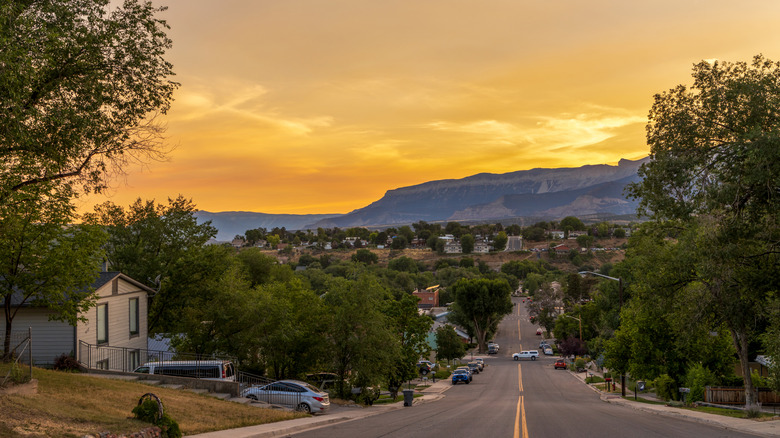
Park rangers managing the region’s state parks frequently highlight the unique ecological contrast Rifle provides. Unlike the high-alpine, timberline environments typical of central Colorado, Rifle’s unique geography creates diverse microclimates.
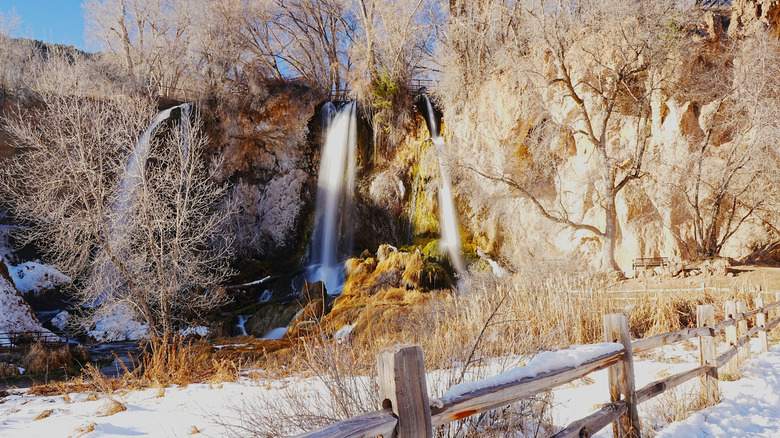
"When visitors step into Rifle Falls State Park and experience the convergence of lush travertine rock formations, cooling mist from the triple waterfalls, and the surrounding desert scrub, they realize they aren’t just seeing another mountain town," notes a regional parks spokesperson. "They are witnessing a geological crossroads where the Rocky Mountains meet the high desert plateaus."
Small business owners in the historic downtown district echo these sentiments, noting an influx of discerning travelers who appreciate personalized, community-driven hospitality. Whether chatting with staff behind the counter at Capitol Deli or sharing trail recommendations with fellow diners on the back deck of The Rough Bar & Grill, visitors are consistently struck by the genuine warmth of the local populace—a stark contrast to the transactional anonymity often experienced in high-density resort hubs.
Exploring Rifle: State Parks, Trails, and Culinary Gems
For the active traveler, Rifle is an embarrassment of natural riches. Situated just minutes from the town center are three distinct outdoor playgrounds that cater to every stripe of adventurer.
Rifle Gap State Park
Located a mere 20-minute drive north of town, Rifle Gap State Park centers around a glittering, deep-blue reservoir cradled by the dramatic, rust-colored ridges of the southern Rocky Mountains. The park is a haven for water sports enthusiasts, offering swimming beaches along its western banks, boating, paddleboarding, and premier freshwater fishing. As daylight fades, the park transforms into a premier stargazing sanctuary, where wide-open skies reveal crystalline constellations unobscured by urban light pollution.
Rifle Falls State Park and Iconic Hiking
Ten minutes further north along Route 325 lies Rifle Falls State Park, widely regarded as one of the most visually stunning state parks in the American West. The park’s crown jewel is a dramatic series of lush waterfalls cascading over a travertine dam, sending a refreshing mist across the valley floor. Stone steps carved directly into the rock face guide hikers up to mysterious limestone caves tucked behind the rushing water, inviting exploration and quiet contemplation.
For land-based exploration, the Rifle Arch Trail delivers a memorable 2.8-mile journey through dusty desert scrub, fragrant pinyon forests, and geological wonder. The trail culminates at an impressive, wind-carved natural stone arch that frames panoramic vistas of northern Rifle and the sweeping valley below. Deeper still into the backcountry lies Rifle Mountain Park, a dramatic limestone canyon internationally renowned as a world-class rock climbing destination, featuring steep vertical pitches, surreal ice caves in colder months, and an ethereal beauty that draws elite climbers from across the globe.
A Culinary Scene Rooted in Comfort
After a rigorous day of hiking, caving, or rock climbing, Rifle’s downtown dining scene offers the ultimate reward. Railroad Avenue anchors the historic core, lined with charming shops and eateries.
- Capitol Deli: Celebrated by visitors and locals alike for its pristine quality and friendly service, this Railroad Avenue staple serves up comforting, hearty fare. From rotisserie chicken to towering, meat-packed hoagies, it stands as the quintessential post-hike refueling station.
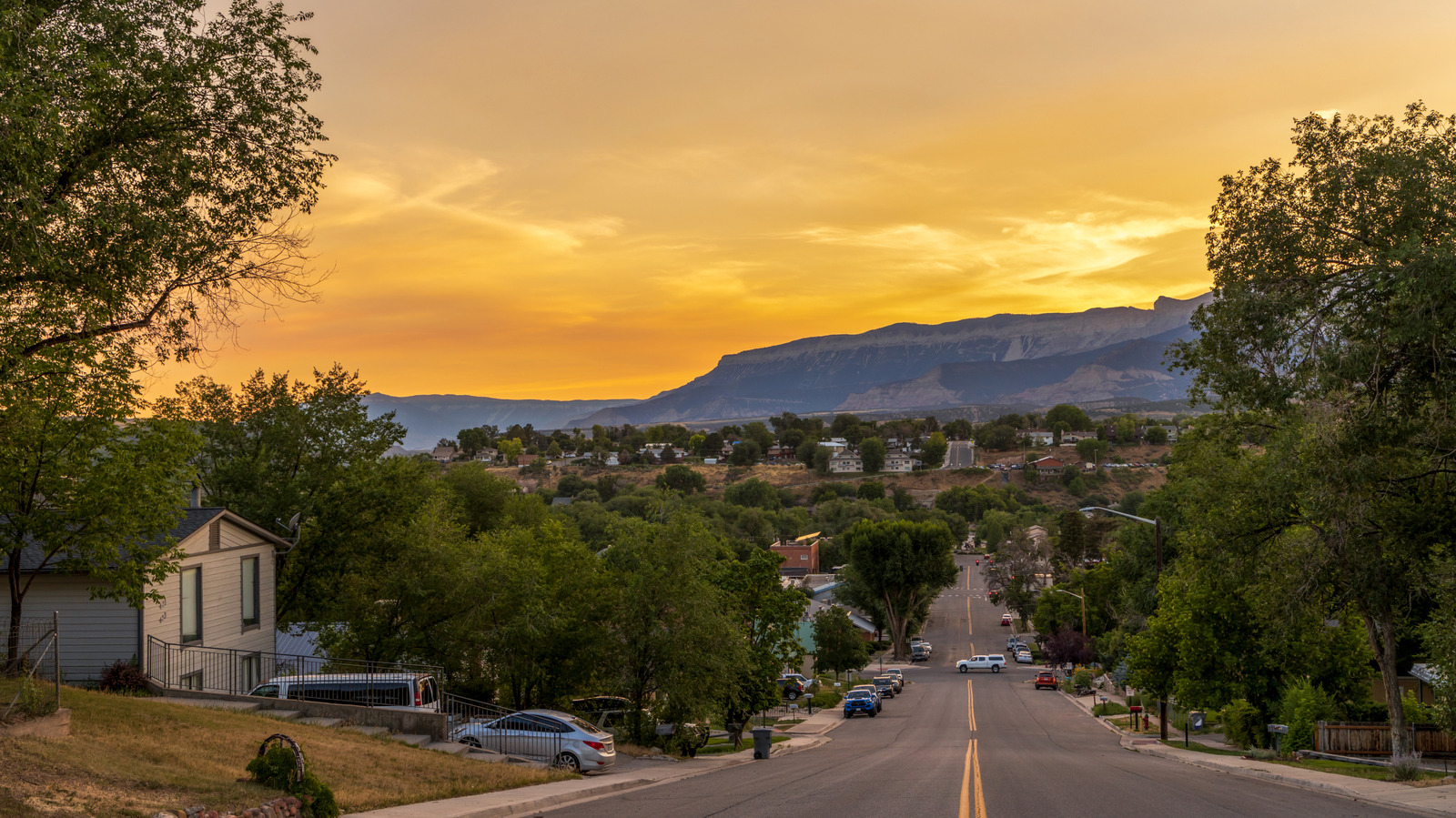
- The Rough Bar & Grill: Positioned strategically between the town center and Rifle Gap State Park, this restaurant pairs classic American comfort food—such as gourmet grilled cheese sandwiches and crispy sweet potato fries—with jaw-dropping panoramas. Diners on the expansive outdoor deck are treated to unobstructed views overlooking the rolling greens of the Rifle Creek Golf Course, with the rugged, imposing slopes of the Grand Hogback mountain rising majestically in the background.
Future Outlook
As the tourism landscape in the American West continues to evolve, the pressures facing legacy resort destinations like Aspen and Vail show no signs of abating. Escalating costs, environmental strain, and chronic overcrowding are driving a fundamental shift in how travelers define a successful mountain vacation.
Rifle, Colorado, stands at the vanguard of this paradigm shift. By prioritizing authentic Western heritage, accessible outdoor recreation, economic inclusivity, and genuine community hospitality, the town has carved out an enviable niche.
Looking ahead, local municipal planners and tourism stakeholders face the delicate task of managing sustainable growth while preserving the rugged, unpretentious charm that makes Rifle so alluring in the first place. Infrastructure investments continue to focus on trail maintenance, conservation education, and supporting locally owned businesses rather than fast-tracking hyper-commercialized development.
For the modern traveler seeking an escape from the cookie-cutter luxury and frantic pace of mega-resorts, Rifle offers a compelling invitation. Whether you come to feel the mist of triple waterfalls at Rifle Falls, scale world-class limestone walls in Rifle Mountain Park, or simply unwind with a hearty sandwich and a mountain view on a sun-drenched deck, Rifle proves that the true heart of Colorado’s wilderness was never locked behind high-priced resort gates—it was simply waiting to be discovered.