








Executive Overview
For decades, the standard Caribbean vacation script has followed a predictable, albeit costly, trajectory: book an all-inclusive resort, rent a car or pay exorbitant taxi fares, and crowd onto heavily commercialized stretches of sand where the ambient soundtrack is a mix of thumping beach-bar bass and the chatter of thousands of fellow tourists. In destinations like St. Thomas—the second-largest of the United States Virgin Islands at a modest 32 square miles—this mass-tourism model has concentrated visitors onto a handful of heavily marketed strands.
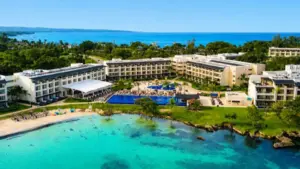
Foremost among these is Sapphire Beach, a destination famous for its vibrant waters and postcard aesthetics, but increasingly notorious for shoulder-to-shoulder crowds, steep chair and cabana rentals, and commercial bustle.
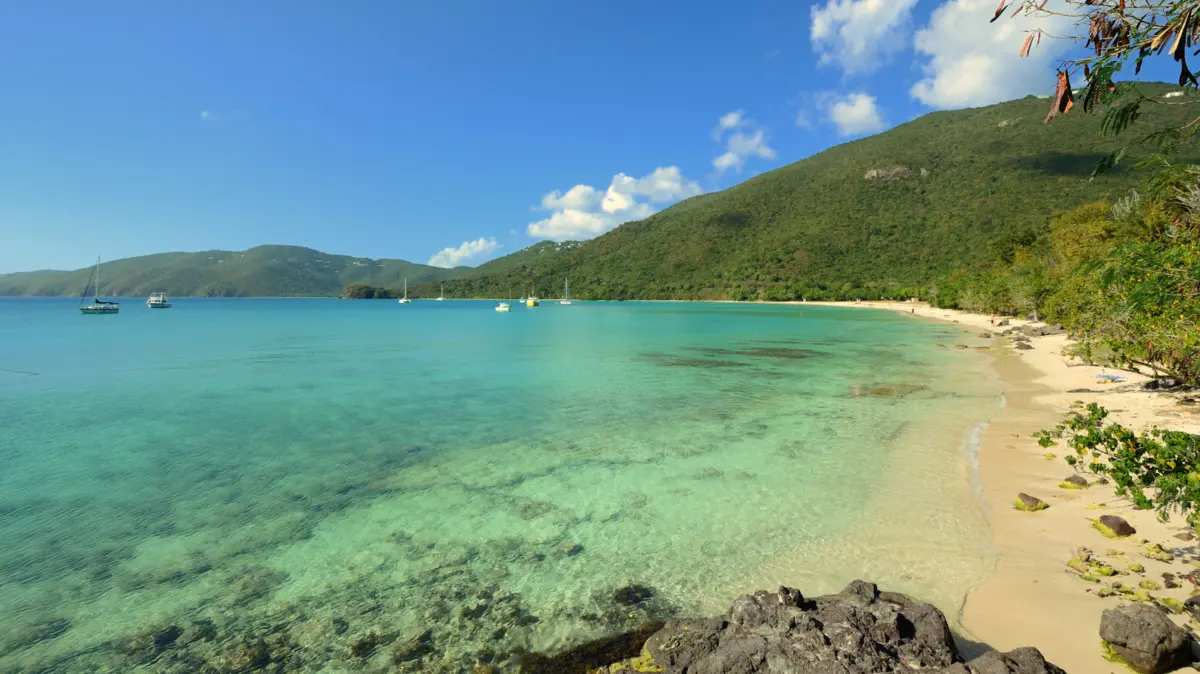
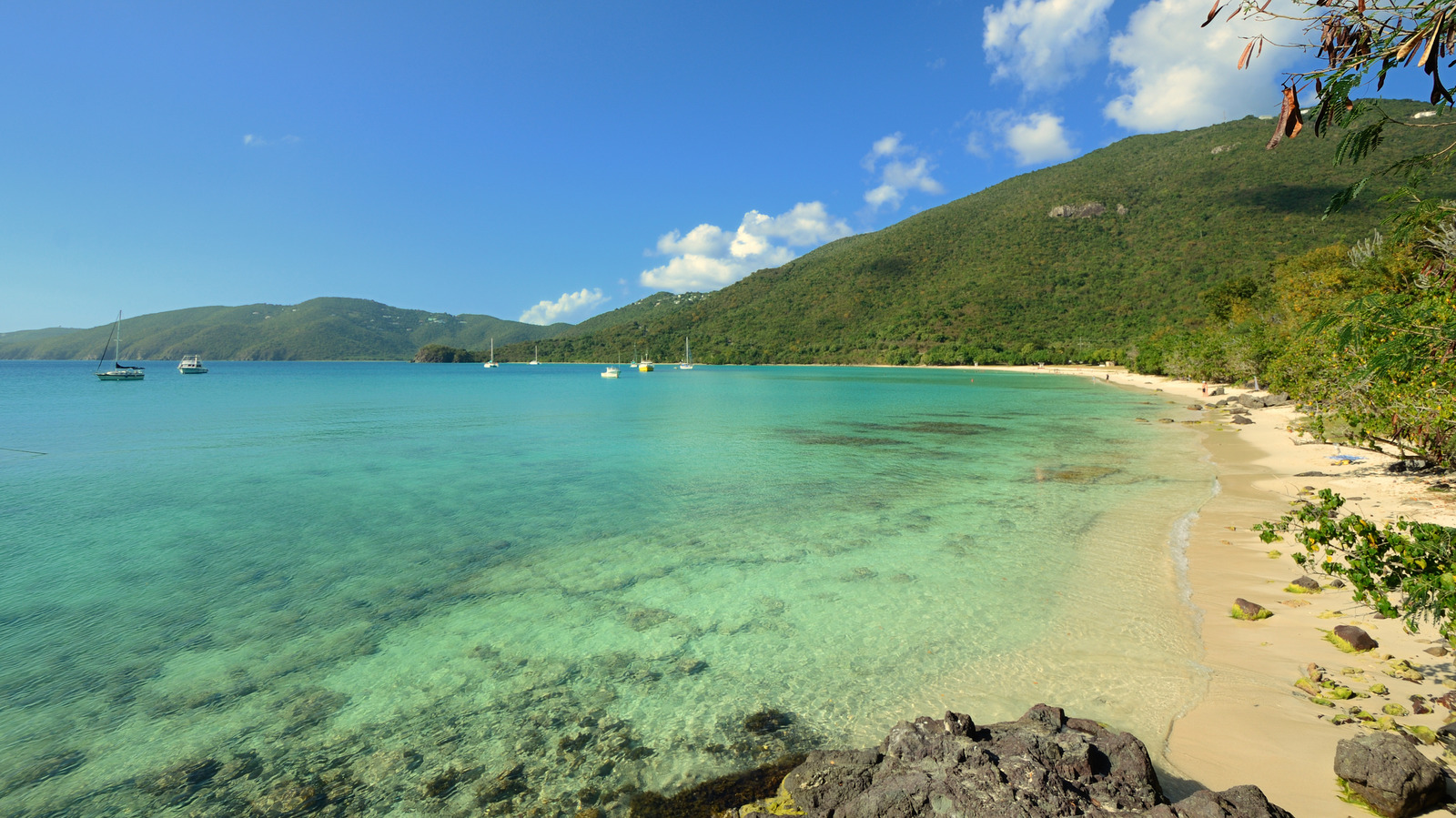
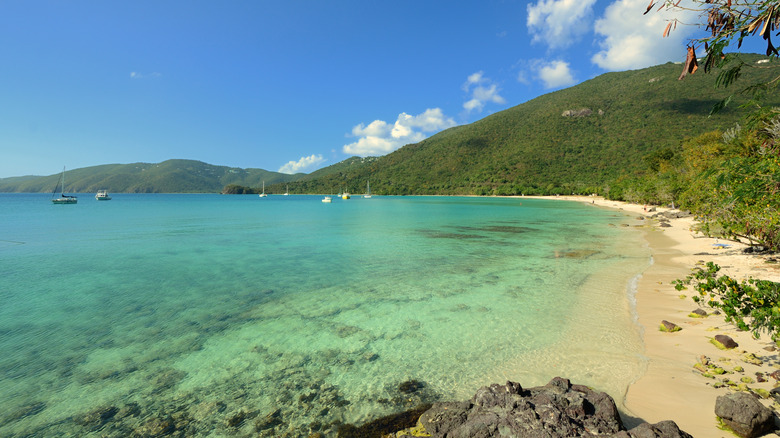
However, as global inflationary pressures continue to reshape travel budgets, a counter-movement is gaining momentum. Savvy travelers are seeking out destinations that offer authentic, unhurried, and budget-friendly alternatives. Recognized by Lonely Planet as one of the premier beach destinations in the U.S. Virgin Islands, Brewers Bay Beach has emerged as the definitive antidote to the over-commercialized Caribbean escape. Located on the southwestern coast of St. Thomas, this serene, wide-sweeping strand offers a masterclass in natural preservation. Free from the corporate trappings of motorized water sports and bustling beach clubs, Brewers Bay delivers a pristine shoreline where turquoise waters meet lush green hills, marine wildlife thrives undisturbed, and the only cost of admission is your time and respect for the environment.
Detailed Chronology & Evolution of St. Thomas Tourism
The Shift from Exclusive Haven to Mass-Market Cruise Hub
To understand why travelers are increasingly bypassing renowned locales like Sapphire Beach in favor of Brewers Bay, one must examine the evolution of tourism infrastructure in St. Thomas. Historically prized by early maritime traders, Danish colonists, and mid-20th-century aviation pioneers, the island transformed in the latter half of the 1900s into one of the Caribbean’s premier cruise ship ports of call.
As tourism boards focused heavily on developing high-traffic cruise corridors and mega-resorts, certain beaches naturally absorbed the bulk of the marketing and infrastructural investments. Sapphire Beach, with its adjacent marina and resort developments, became a textbook example of this commercialization. It evolved into a hub for parasailing, jet skiing, jet-boat tours, and densely packed beach bars. While this model successfully catered to short-term day-trippers seeking maximum convenience and entertainment, it alienated a growing demographic of travelers seeking acoustic and visual tranquility.
The Rise of the Anti-Tourist Movement
In recent years, particularly heading into 2026, travel trends have pivoted dramatically. Post-pandemic wanderlust combined with rising global living costs has sparked a demand for low-impact, high-authenticity travel. Travelers are increasingly rejecting the commodification of natural landscapes.
Brewers Bay—historically utilized more by locals, university students from the nearby University of the Virgin Islands campus, and knowledgeable naturalists—has transitioned into the spotlight. Rather than seeing an influx of concrete development, the local community and environmental stewards have fought to preserve its rustic integrity. The chronological timeline of Brewers Bay is defined not by the construction of high-rise hotels, but by the implementation of protective ordinances: bans on jet skis, strict regulations on alcohol consumption, and curfews on loud music designed to protect both the local fauna and the serene human experience.

Supporting Context & Metrics: Navigating St. Thomas on a Budget
Economic Realities of Caribbean Travel in 2026
Economic headwinds have forced a recalibration of vacation planning. With inflation impacting flights, lodging, and dining across major global tourism hubs, cost-efficiency has moved from a preference to a necessity.
St. Thomas presents unique financial hurdles for the uninitiated traveler. Unlike many destinations where public transit is expansive or car rentals are universally cheap, St. Thomas operates under specific logistical constraints:
- The Taxi Dilemma: Taxis on the island generally operate on a per-person, per-luggage-piece rate rather than a flat meter fee. For families or solo travelers moving between popular East End resorts (near Sapphire Beach) and various attractions, transportation costs can rapidly accumulate.
- Resort Markups: Beaches embedded within commercial complexes often levy indirect costs—renting a pair of loungers and a umbrella can easily exceed $30 to $50 daily, before factoring in mandatory resort food and beverage minimums.
The Brewers Bay Economic and Logistical Blueprint
By contrast, Brewers Bay offers a masterclass in budget-conscious travel. Because there are no commercial vendors operating beachfront concessions, chair rentals, or motorized water sports outfits, the visitor’s baseline financial footprint is near zero.
Public Transportation Integration
For travelers looking to minimize their carbon and financial footprint, getting to Brewers Bay via the island’s public bus system is an effective strategy.
- The Route: Catching the local bus drops passengers off directly at the Harvey Student Center stop, situated near the University of the Virgin Islands.
- The Walk: From the drop-off point, it is an easy, scenic 10-minute walk down to the shoreline.
- Logistical Caution: Because island bus schedules do not always run with clockwork precision, travelers must check outbound and inbound departure times via official Department of Public Works resources before setting out.
Alternative Transit: Renting vs. Taxis
For those who prefer a rental car, navigating to Brewers Bay is straightforward, with ample parking available directly along the shoulder of Brewers Bay Road. This eliminates parking fees and long walks from distant commercial lots.
Official Guidelines, Ordinances, and Ecological Stewardship
The preservation of Brewers Bay as a pristine sanctuary is not accidental; it is maintained through strict regulatory oversight and community-driven zoning and behavioral policies.
Local Ordinances and Beach Rules
To safeguard the tranquil atmosphere that distinguishes Brewers Bay from its louder, more crowded counterparts, the local government and community maintain strict operational boundaries:
- Noise Control: Loud music is strictly prohibited after 6:00 PM, ensuring that evening visitors experience the natural symphony of gentle waves and rustling coastal foliage rather than amplified sound systems.
- Motorized Water Sports Ban: The absence of jet skis, speedboats, and banana boats is intentional. This ban protects swimmers and snorkelers from vehicular water traffic and preserves the acoustic peace of the bay.
- Substance Regulations: Regulations regarding public consumption of alcohol help maintain a family-friendly, respectful environment devoid of rowdy party culture.
Aviation Proximity: Managing Expectations
Transparent travel journalism requires noting logistical nuances. Brewers Bay sits approximately two miles from the Cyril E. King Airport (STT). Consequently, commercial aircraft occasionally pass overhead during takeoff and landing patterns. While this introduces intermittent mechanical noise, frequent visitors universally agree that this minor disruption is a negligible trade-off for the beach’s isolation, lack of crowds, and sweeping natural beauty.
Flora, Fauna, and the Ultimate Brewers Bay Snorkeling Guide
Beyond its economic and acoustic advantages, Brewers Bay is an ecological treasure trove. The expansive crescent of white sand is naturally speckled with broken coral, weathered shells, and sea glass—testaments to the active marine life just offshore. A gentle, gradual slope into the Caribbean Sea makes wading exceptionally safe and comfortable, even for families with young children or novice swimmers.
The Marine Ecosystem: Green Sea Turtles and Rays
For snorkelers, Brewers Bay is arguably one of the most rewarding and accessible sites in St. Thomas, provided visitors adhere to responsible wildlife viewing protocols.
- The Turtle Habitat: The left (western) side of the beach is characterized by extensive patches of natural seagrass. This marine pasture serves as a primary feeding ground for resident green sea turtles. Snorkelers visiting this zone are almost guaranteed to encounter these graceful reptiles grazing peacefully on the seabed.
- Ray Sightings: In addition to sea turtles, the clear waters frequently host southern stingrays and majestic eagle rays gliding across the sandy bottom.
Ethical Wildlife Interaction Guidelines
As eco-tourism gains traction, responsible interaction with marine life is paramount. Wildlife experts emphasize the following protocols when snorkeling at Brewers Bay:
- Maintain Distance: Never crowd, corner, or pursue sea turtles or rays. Allow them unhindered access to the surface to breathe.
- Zero Contact: Touching, riding, or holding marine life disrupts their natural foraging behaviors, damages their protective mucous membranes, and induces high levels of biological stress.
- Passive Observation: Float quietly and let the animals approach you. Observing natural behavior in an undisturbed habitat remains the ultimate reward of a low-impact beach experience.
Culinary Interludes: Local Flavor Above the Shore
Because Brewers Bay lacks corporate resort restaurants, dining is an authentic local affair. Positioned along the road just above the beach, local food trucks and mobile vendors serve up authentic West Indian culinary staples. Visitors can sample traditional items such as savory meat and fish pates, spiced johnny cakes, and local fruit juices—ensuring that tourist dollars directly support local independent operators rather than multi-national hospitality conglomerates.
Future Outlook: Protecting St. Thomas’s Hidden Sanctuaries in 2026 and Beyond
As global travel trends shift toward sustainable, low-impact exploration, destinations like Brewers Bay face a delicate balancing act. The challenge heading into the latter half of the decade will be managing increased visitor awareness without inviting the over-commercialization that plagues beaches like Sapphire.
Sustainable Tourism as a Necessity
Conservationists and local policymakers in the U.S. Virgin Islands are increasingly recognizing that the long-term viability of the island’s tourism economy depends on protecting its natural assets from degradation. Overtourism places immense strain on local coral reefs, water tables, and waste management infrastructure. By championing beaches that lack heavy infrastructural footprints—such as Brewers Bay—travelers inadvertently support a decentralized tourism model that spreads the economic impact while preserving fragile coastal ecosystems.
The Traveler’s Pledge for 2026
For the modern traveler looking toward a 2026 getaway, the choice between Sapphire Beach and Brewers Bay represents a broader philosophical decision about how one wishes to experience the world.
If your travel ethos demands air-conditioned beach bars, cabana service, and high-octane water sports, commercial hubs will continue to serve those desires. But if you seek a genuine connection to the natural world—where your expenses are low, your stress levels evaporate under a canopy of sea grapes, and your afternoon is spent quietly treading water alongside grazing sea turtles—Brewers Bay stands uncompromised. It is not merely an alternative to the crowded resorts; it is the fresh, restorative escape that modern travel desperately needs.