





Executive Overview
Washington State is globally renowned for its sweeping, dramatic landscapes. From the jagged, snow-capped peaks of the Cascade Range to the temperate rainforests of the Olympic Peninsula, the Pacific Northwest draws millions of outdoor enthusiasts annually. Iconic destinations like Mount Rainier National Park, Olympic National Park, and the North Cascades command international attention, welcoming endless streams of travelers eager to capture postcard-worthy vistas. However, this immense popularity comes at a cost: overcrowded trails, congested parking lots, gridlocked access roads, and an increasingly commercialized visitor experience that can detract from the profound solitude nature is meant to provide.
For travelers seeking an authentic Pacific Northwest experience without the logistical headaches of high-traffic national parks, the solution lies just off the beaten path. Situated approximately 20 miles south of downtown Seattle and a mere 20 minutes from Seattle-Tacoma International Airport (Sea-Tac), Saltwater State Park offers a serene, highly accessible coastal sanctuary. Spanning roughly 137 acres along the glittering shores of the Puget Sound, this underrated state park delivers an impressive synthesis of marine biodiversity, dense temperate forest trails, family-friendly amenities, and striking sunset views.
Despite its tranquil atmosphere, Saltwater State Park is far from isolated. Located within the municipal boundaries of Des Moines—a thriving community of more than 30,000 residents—the park bridges the gap between urban convenience and wild coastal preservation. Whether you are looking to kayak over an 80-foot-deep artificial reef, explore thriving intertidal zones during low tide, hike through quiet stands of native red cedars and maples, or simply enjoy a quiet family picnic away from the metropolitan hum, Saltwater State Park stands out as one of Washington’s most versatile, accessible, and rewarding hidden gems.
Detailed Chronology and Historical Context
To truly understand Saltwater State Park, one must look beyond its current recreational appeal and examine the history of its land, development, and conservation. Long before European settlers arrived in the Puget Sound region, the shoreline and surrounding forests were inhabited by Indigenous peoples, notably bands of the Duwamish and Coast Salish tribes. These communities relied heavily on the rich marine resources of the Puget Sound, harvesting salmon, shellfish, and seaweed from the intertidal zones that modern visitors now explore for recreation.
Early 20th-Century Acquisition and Development
The modern era of Saltwater State Park began to take shape in the early 20th century as Washington State recognized the urgent need to secure public access to its increasingly privatized saltwater coastlines. In 1926, the land comprising the park was acquired by the state, making it one of the oldest parks within the Washington State Parks and Recreation Commission system.
During the Great Depression of the 1930s, the park saw significant infrastructure development through the Civilian Conservation Corps (CCC). Young men enrolled in the federal relief program were dispatched to the site to construct foundational infrastructure that visitors still utilize today. The CCC workers built rustic stone-and-timber structures, cleared initial trail systems, and implemented erosion-control measures along the steep bluffs descending toward the Puget Sound. These early conservation efforts preserved the heavily wooded character of the ravine while carving out sustainable pathways for the public to enjoy the waterfront.
Post-War Expansion and Modernization
As the post-war population boom surged across King County, the surrounding areas of Des Moines, Federal Way, and Burien transitioned from rural logging and agricultural settlements into bustling suburban communities. Consequently, Saltwater State Park transformed from a remote weekend retreat into a vital recreational refuge for urban and suburban families.

Over the decades, the park’s infrastructure underwent several phases of modernization to accommodate changing environmental standards and recreational demands. Crucially, marine conservation efforts shifted the park’s narrative in the late 20th century. Recognizing the depletion of local marine life due to overfishing and coastal development, conservationists and state agencies collaborated to establish a dedicated underwater artificial reef. Sunk off the coast of the park, this structure—extending up to 80 feet deep—became a landmark site for scuba divers and marine biologists alike, transforming the offshore waters into a thriving sanctuary for fish, invertebrates, and aquatic flora.
Supporting Context, Geography, and Recreational Metrics
Saltwater State Park’s unique geographic layout is defined by its dramatic elevation changes. The park sits within a heavily forested valley and steep ravine that slopes sharply from the upland plateau down to the marine shoreline of the Puget Sound. This topography creates distinct microclimates and habitats, dividing the park into a high-canopy temperate forest zone and a dynamic intertidal marine ecosystem.
The Marine Environment: Beaches and Artificial Reefs
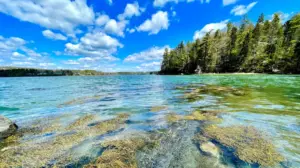
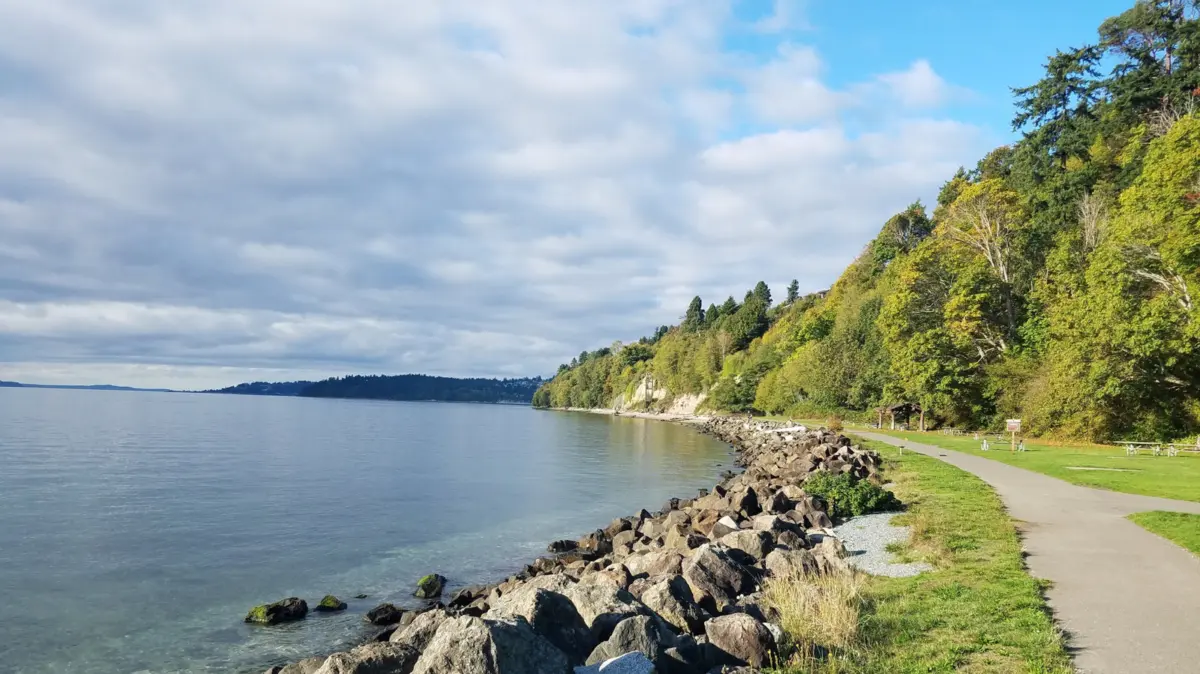
The park’s shoreline is a patchwork of sandy stretches, rocky outcrops, and heavy driftwood deposits characteristic of Puget Sound beaches. While the sandy areas are relatively compact compared to ocean beaches on the outer coast, they are meticulously maintained and offer exceptionally calm, shallow waters ideal for wading and swimming during the summer months.
For those eager to venture further into the water, the park serves as a premier launching point for non-motorized watercraft:
- Kayaking and Paddleboarding: The protected waters of the Sound—particularly during high tide—provide ideal conditions for beginner and intermediate paddlers. Early morning outings often feature glassy water surfaces and mist rising off the marine layer.
- Scuba Diving: Saltwater State Park is legendary within the Pacific Northwest diving community. The underwater landscape features a sloping sandy bottom that gives way to an artificial reef built from old tires, concrete blocks, and sunken vessels. This complex habitat attracts massive schools of perch, rockfish, lingcod, giant Pacific octopuses, and colorful anemones, with depths plunging down to 80 feet.
Intertidal Ecosystems and Tide Pooling
When the tide recedes, Saltwater State Park reveals a hidden world of marine biodiversity. The intertidal zone is peppered with rock pools and seaweed-covered boulders that shelter an array of organisms waiting for the return of the water.
Visitors engaging in tide-pool exploration frequently encounter:
- Purple and Ochre Sea Stars (Pisaster ochraceus)
- Giant Green Sea Anemones (Anthopleura sola)
- Black Katy Chitons and Blue Mussels
- Shield-backed Shore Crabs and Hermit Crabs
- Green Urchins and various species of marine snails
Park rangers and local conservation groups heavily emphasize "leave no trace" principles in these areas. Turning over rocks must be done with extreme gentleness, and organisms must be returned immediately to their original positions to prevent drying out or structural damage to delicate micro-habitats.
Terrestrial Trails and Flora/Fauna
Beyond the beach, the park’s 1.5-mile trail system—anchored by the primary Saltwater State Park Loop—invites hikers into a lush, secondary-growth temperate rainforest. The canopy is dominated by towering specimens of Douglas fir, western red cedar, bigleaf maple, and red alder. The forest floor is carpeted with sword ferns, Oregon grape, salal, and a rich understory of mosses and lichens that thrive in the damp maritime climate.
Birdwatchers frequently log diverse avian species within the park boundaries. According to data tracked via platforms like eBird, the park is an excellent hotspot for spotting:
- Marine Birds: Pelagic cormorants, various gull species, surf scoters, and pigeon guillemots bobbing on the water.
- Shorebirds: Sandpipers and wandering tattlers foraging along the waterline during low tide.
- Forest Dwellers: Pileated woodpeckers, varied thrushes, chestnut-backed chickadees, and bald eagles soaring over the coastal bluffs.
Note on Wildlife: While the forest ecosystem is rich and vibrant, hikers should remain mindful of local fauna, which includes a healthy population of native spiders, small mammals, and the occasional deer traversing the ravine.
Official Guidelines, Accessibility, and Visitor Logistics
Navigating Saltwater State Park requires an understanding of state park access regulations, seasonal operational updates, and transportation logistics. Because the park is managed by the Washington State Parks and Recreation Commission, specific entry fees and operational frameworks apply.
Access Passes and Fees
To park within Saltwater State Park, visitors must display a valid pass:
- Daily Fee: A one-day access pass is available for $10.
- The Discover Pass: For frequent visitors, purchasing an annual Discover Pass (priced at approximately $30) grants access to millions of acres of state-managed recreation lands, including state parks, water-access sites, heritage sites, wildlife areas, and natural areas.
Location, Transportation, and Accessibility
One of Saltwater State Park’s greatest strategic advantages is its proximity to major Pacific Northwest transit hubs:
- By Car: Located at 25205 8th Place South, Des Moines, WA 98198, the park is easily reached via Interstate 5 or State Route 509. It is roughly a 30-minute drive from downtown Seattle (northbound or southbound depending on starting point) and Tacoma.
- By Air: Travelers flying into Seattle-Tacoma International Airport (Sea-Tac) can reach the park via a rental car or rideshare in under 20 minutes, making it one of the most accessible state parks for out-of-state visitors.
- Public Transit: The area is serviced by King County Metro transit routes connecting Des Moines to neighboring transit hubs, though utilizing a personal vehicle or rideshare service remains significantly more convenient for carrying gear such as kayaks, scuba tanks, or picnic supplies.
Future Outlook, Conservation Challenges, and Ongoing Restoration
Like many coastal parks across the Pacific Northwest, Saltwater State Park faces significant environmental and infrastructural pressures heading into the mid-21st century. Rising sea levels, increasingly severe winter storm events, and heavy seasonal precipitation have accelerated coastal erosion and slope destabilization within the steep ravine.
Managing Climate Impacts and Infrastructure Repairs
In recent years, heavy rainfall events have triggered localized mudslides and flooding, occasionally resulting in temporary closures of specific park trails, parking areas, and beach access points. The Washington State Parks and Recreation Commission has prioritized structural engineering updates to reinforce the aging seawalls, stabilize the forested bluffs, and upgrade stormwater management systems to prevent upland runoff from degrading the marine water quality of the Puget Sound.
State park officials consistently urge travelers to check the official Washington State Parks website for real-time alerts regarding trail closures, facility maintenance, and parking restrictions before planning their trip.
Community Engagement and Ecological Stewardship
The long-term health of Saltwater State Park heavily relies on community-led conservation initiatives. Organizations such as the Friends of Saltwater State Park actively participate in habitat restoration projects, native tree planting, invasive weed removal (such as English ivy and Himalayan blackberry), and beach cleanup drives.
Furthermore, educational outreach programs targeted at schools and local families emphasize the fragility of the park’s marine and forest ecosystems. By balancing high public recreational demand with rigorous environmental stewardship, Saltwater State Park is poised to remain a vital ecological sanctuary and a beloved coastal retreat for generations of Washington residents and visitors to come.