





Executive Overview
The resilience of Hawaii’s tourism and maritime infrastructure faced a rigorous test as the Hawaiian Islands found themselves in the crosshairs of severe tropical weather. Following days of intense anxiety for travelers, industry operators, and port authorities alike, relief finally arrived on Sunday, August 16, 2026. Officials confirmed that the Port of Honolulu underwent a comprehensive safety inspection by the United States Coast Guard and maritime authorities, resulting in a safe reopening of the harbor facilities.
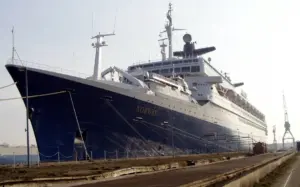
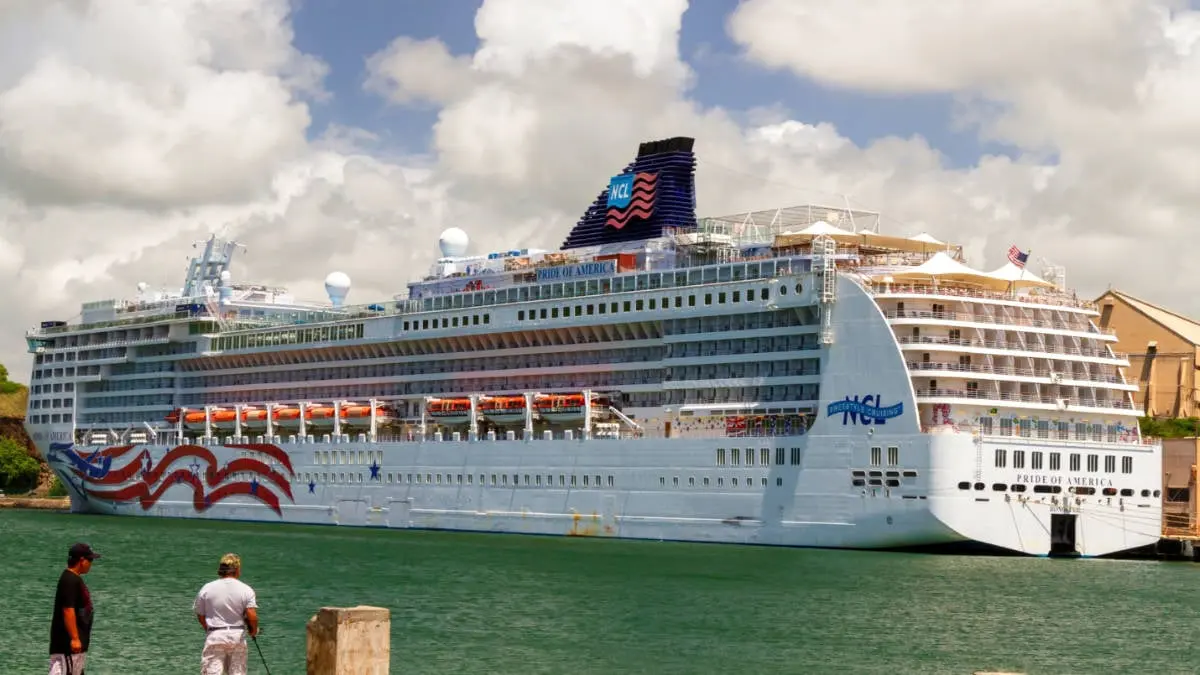
This decisive all-clear allowed Norwegian Cruise Line (NCL) to immediately reactivate homeport operations for two of its prominent vessels: the Hawaii-dedicated interisland stalwart Pride of America and the transpacific voyage vessel Norwegian Spirit.
Both ships experienced significant operational bottlenecks, forced schedule recalculations, and weather-induced delays sparked by Hurricane Lala. While the system was fortunately downgraded to a tropical storm by the time it brushed past the Aloha State, its lingering swells, high winds, and torrential downpours necessitated the total closure of Honolulu Harbor—the logistical beating heart of the state’s cruise industry.
With the port now fully operational, hundreds of eager vacationers who had been idling in local hotels, airports, or sitting at anchor offshore finally saw their travel plans jump-start. However, the temporary shutdown has left cruise executives grappling with cascading itinerary adjustments, compressed timelines, and the complex task of realigning a week’s worth of scheduled island stops. This report delves into the comprehensive timeline of the disruption, the strategic response by Norwegian Cruise Line, the metrics of the affected vessels, and the broader implications of cruising through the Pacific during active hurricane seasons.
Detailed Chronology of the Storm and Port Closure
The disruption began days before the weekend as meteorological models flagged the intensification of Hurricane Lala in the open waters of the Pacific. As the system tracked ominously toward the Hawaiian archipelago, local authorities activated emergency protocols designed to protect vessels, shore-side infrastructure, and local communities from potential storm surges and gale-force winds.
The Lockdown of Honolulu Harbor
By late Friday, August 14, and heading into Saturday, August 15, the United States Coast Guard Captain of the Port implemented a temporary closure of the Port of Honolulu. All commercial, cargo, and passenger vessel movements were suspended indefinitely. For Norwegian Cruise Line, this unexpected maritime lockdown struck right at the intersection of a major crew change, a guest turnover, and a pivotal fleet positioning schedule.
Pride of America, which was slated to welcome a fresh contingent of vacationers on Saturday, August 15, for a brand-new voyage, found herself indefinitely held. Meanwhile, Norwegian Spirit, navigating a complex 15-night transpacific journey from Vancouver, found her arrival blocked just as her passengers anticipated stepping ashore on Sunday, August 16.
Riding Out the Weather: The Experience at Sea and Ashore
For the 1,972-guest Norwegian Spirit, the captain elected to take the vessel out to open deep water, utilizing the safety of the sea to ride out the worst of the storm’s trajectory rather than trying to force entry into a shuttered harbor. In a proactive move prior to the full lockdown, Norwegian Spirit made a brief, early call to Honolulu, allowing a subset of passengers who preferred not to wait out the weather at sea to disembark early. However, a significant portion of the passenger manifest chose to remain onboard, turning the unexpected sea day into an extended cruise experience as the ship weathered the storm in the safety of the open ocean.
Simultaneously, thousands of guests scheduled for the August 15 departure of Pride of America received notification messages indicating that their embarkation was temporarily postponed. Stranded in local hotels or experiencing flight delays into Daniel K. Inouye International Airport, passengers were kept in a holding pattern while NCL shore-side teams coordinated closely with local port pilots and harbor masters.
The Sunday Afternoon Breakthrough
The meteorological situation began to improve by Sunday morning, August 16, as Hurricane Lala degraded into a manageable tropical storm after passing the Hawaiian island chain. Coast Guard inspection teams immediately deployed into the channel and basins of Honolulu Harbor to assess silting, evaluate navigational aids, and check pier integrity.
By Sunday afternoon, the rigorous inspections yielded positive results. The port was deemed safe for transit, prompting the U.S. Coast Guard to lift restrictions and officially reopen the harbor. At approximately 2:30 p.m. local time, NCL issued an automated, highly anticipated text alert to stranded guests:
"Thank you for your patience and understanding throughout this weekend’s weather-related delays. We are pleased to share that we have received the all-clear to begin embarkation, and check-in at Honolulu Harbor is now open through 9:00 p.m. local time."
True to their word, the terminal burst into activity. Ground staff processed lines of travelers at an expedited pace, ensuring safety clearances were met without sacrificing speed. Pride of America lifted her gangway and cast off lines late Sunday night, becoming the very first cruise ship to officially navigate back into and out of Honolulu Harbor following the storm’s clearance.
Supporting Context & Metrics
Operating cruises in the Hawaiian Islands presents a unique set of logistical parameters. Unlike Caribbean itineraries—where a closed port can often be bypassed for a neighboring island nation just a few hundred miles away—Hawaii’s geographical isolation means that options for unexpected sheltering are exceptionally limited.

Vessel Profiles and Capacities
Understanding the scope of this disruption requires looking closely at the hardware involved:
- Pride of America:
- Capacity: Approximately 2,180 guests (double occupancy)
- Homeport: Honolulu, Oahu
- Operational Niche: The only large cruise ship flying the U.S. flag, allowing her to operate year-round, 7-night interisland cruises without needing to make foreign port stops (complying with the Passenger Vessel Services Act).
- Standard Itinerary: Kahului (Maui), Hilo (Hawaii Island), Kona (Hawaii Island), and Nawiliwili (Kauai), returning to Honolulu.
- Norwegian Spirit:
- Capacity: Approximately 1,972 guests
- Operational Niche: Mid-sized vessel handling extended regional and transpacific repositioning voyages, connecting mainland North America (Vancouver) with the Hawaiian Islands.
The Domino Effect on Itineraries
The loss of more than 24 to 36 hours of operational time fundamentally alters the physics of cruise scheduling. For Pride of America, the original plan demanded an early departure on Saturday, August 15, allowing the ship to make a smooth transit to Kahului, Maui, for an overnight-style extended visit lasting through 6:00 p.m. on Monday, August 17.
Because the ship could not depart until late Sunday evening, August 16, the Maui call was severely compressed. Cruise executives were forced to review every subsequent port call—including Hilo, Kona, and Nawiliwili—to determine whether time could be safely made up at sea or if individual port durations would need to be trimmed.
As of late Sunday, NCL management confirmed via text communication with guests that itinerary modifications were actively under review:
"We are currently finalizing itinerary details and will communicate as soon as it becomes available."
For Norwegian Spirit, satellite tracking data early Monday morning, August 17, placed the vessel less than 10 miles south of Honolulu, slowly steaming toward the harbor entrance at a steady cruising speed of approximately 11 knots (12.5 mph). Guests who were originally scheduled to complete their journey or begin a new segment on Sunday had their disembarkation and embarkation windows shifted cleanly to Monday, with NCL honoring previously selected time slots to maintain crowd control at the terminal.
Official Statements and Industry Response
The handling of weather-related emergencies in the cruise industry requires a delicate balance between guest satisfaction, corporate liability, and absolute adherence to maritime law. Norwegian Cruise Line’s corporate communications team praised the swift responsiveness of the United States Coast Guard Sector Honolulu and the Hawaii Department of Transportation Harbors Division.
Maritime security protocols dictate that port infrastructure must be thoroughly scanned for hidden underwater debris, shifting shoals caused by storm run-off, and damaged fendering systems along the concrete piers before any multi-thousand-ton cruise liner can be permitted alongside. The collaborative effort between federal, state, and private entities ensured that the closure was measured in hours rather than weeks—a vital economic win for Hawaii’s tourism-dependent ecosystem.
Furthermore, NCL’s policy during weather interruptions emphasizes transparency. By maintaining open lines of communication via SMS text alerts and port updates, the line successfully mitigated the chaotic scenes often associated with mass travel delays. Guests waiting in local hotels were provided with continuous updates, and while frustration was inevitably present among travelers losing a day of their hard-earned vacations, the overwhelming consensus on the ground was one of appreciation for prioritizing safety above all else.
Future Outlook: Cruising Hawaii During Hurricane Season
The incident involving Hurricane Lala serves as a timely reminder of the unpredictable nature of maritime meteorology. Hurricane season in the Central Pacific officially runs from June 1 through November 30, overlapping heavily with the peak summer and early autumn family travel windows.
While tropical systems directly making landfall on the Hawaiian islands are statistically rare compared to the Atlantic basin or the Gulf of Mexico, storms frequently form or track through the surrounding waters, generating massive swells, gale-force winds, and heavy rainfall that can render narrow harbor channels unsafe.
Lessons Learned and Risk Mitigation
For travelers booking cruises in the Pacific during these months, industry experts emphasize several key takeaways:
- Flexibility is Paramount: Cruise tickets explicitly outline that itineraries are subject to change due to weather, safety, and civil authority mandates. Passengers must build buffer days into their travel plans, particularly regarding flight arrivals.
- The Value of Travel Insurance: Weather-related delays that cause missed embarkations or curtail pre-booked shore excursions are frequently covered under comprehensive travel insurance policies, protecting consumers from out-of-pocket lodging and air-change fees.
- Advanced Tracking Technology: Modern cruise ships are equipped with advanced meteorological routing software and powerful propulsion plants that allow them to outrun, outmaneuver, or safely ride out open-ocean systems far better than land-based infrastructure can.
As Pride of America steams away from Honolulu on her adjusted 6-night interisland journey and Norwegian Spirit wraps up her complex transpacific handling, Norwegian Cruise Line’s Hawaiian operations are officially back on stable footing. While the echoes of Hurricane Lala will require ongoing schedule management and customer service coordination, the rapid reopening of the Port of Honolulu underscores the resilience of Hawaii’s maritime network and ensures that guests can look forward to smooth sailing for the remainder of the season.