









Executive Overview
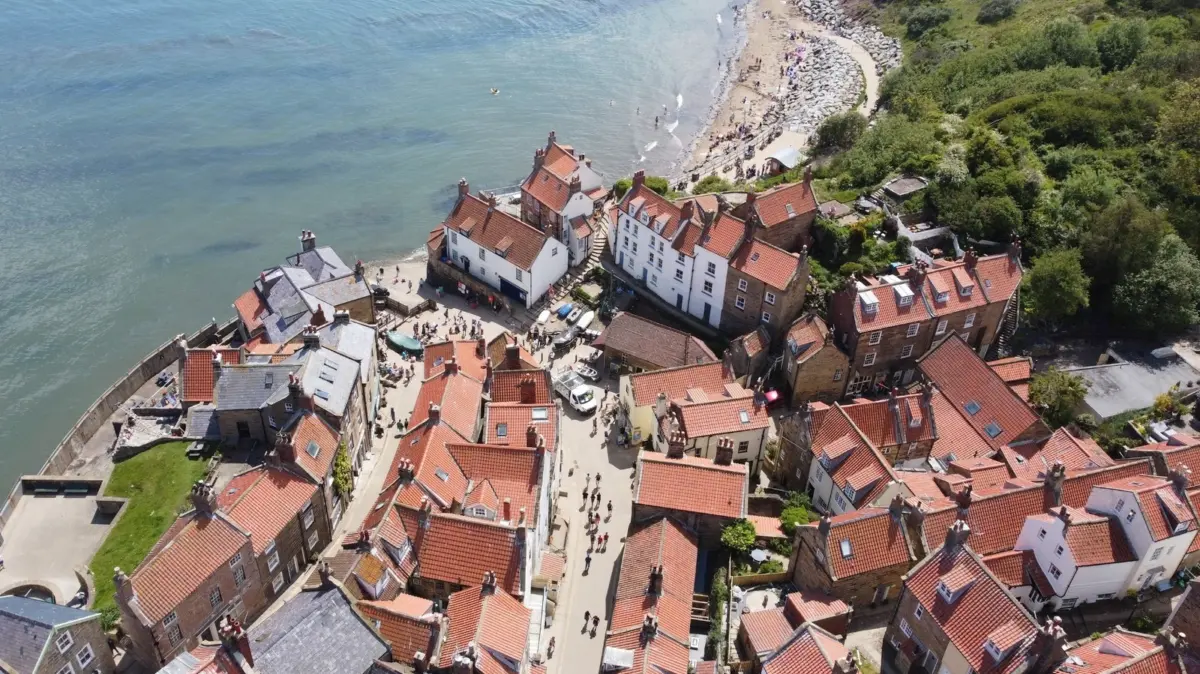
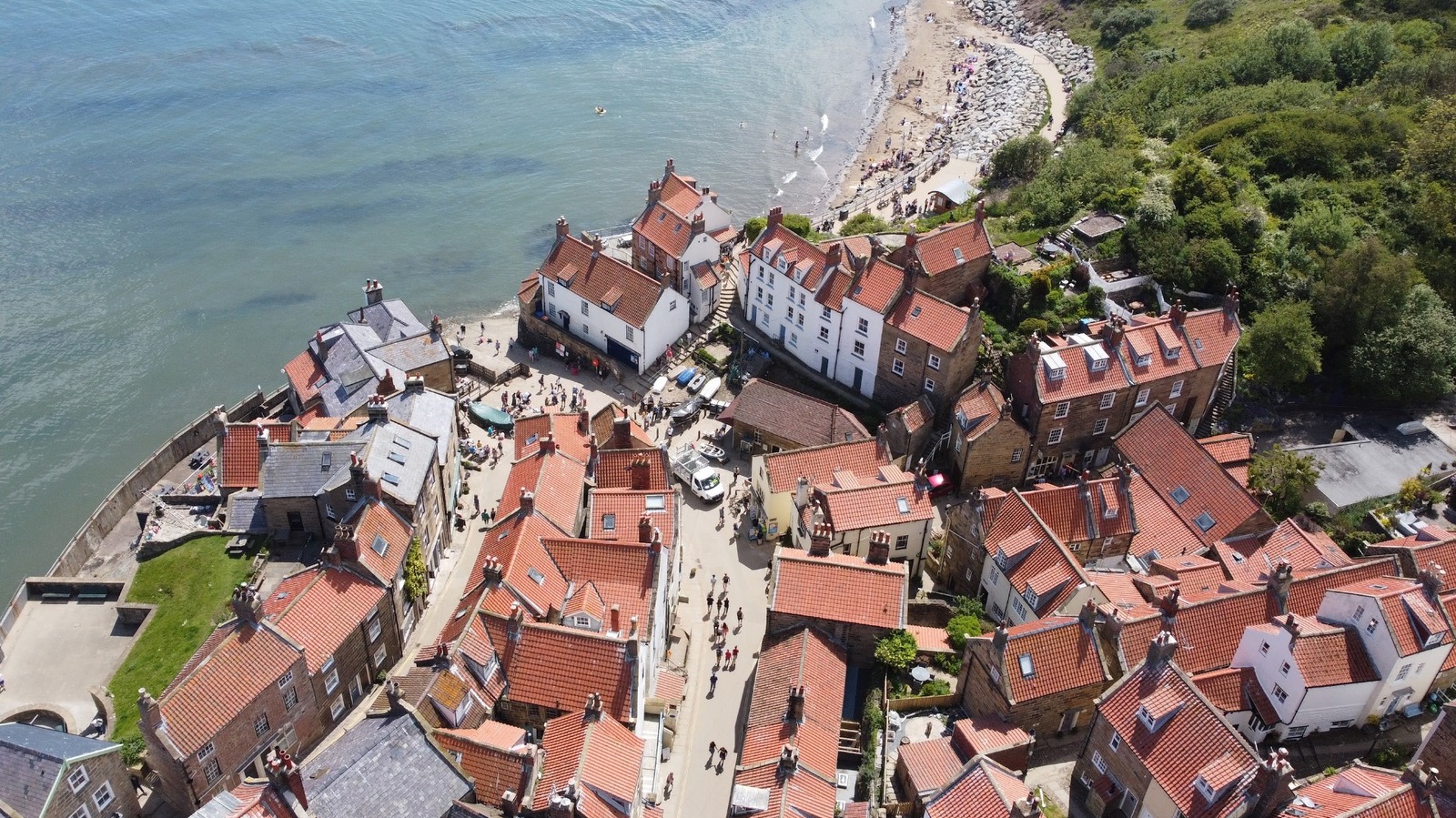
Nestled precariously on the rugged cliffs of England’s remote North Sea coast, Robin Hood’s Bay looks less like a modern settlement and more like an oil painting from the 1800s brought to life. Defined by a permanent soundtrack of crashing waves, stacked historic stone cottages, and a labyrinth of steep, winding alleys, this iconic fishing village sits right on the edge of the idyllic North York Moors National Park. For centuries, its geography has shaped its destiny—first as a hub for hardworking fishermen, later as a notorious smuggling haven for illicit contraband, and presently as one of England’s most treasured coastal escapes.
Beyond its picturesque aesthetics and cottagecore charm, Robin Hood’s Bay and the surrounding 108,000-acre national park offer travelers a deeply immersive journey through time. From prehistoric Bronze Age burial mounds and Jurassic fossils revealed at low tide to the imposing ruins of medieval monasteries and legendary tales of outlaws, the region bridges the gap between ancient history and vibrant modern tourism. Easily accessible from major regional hubs like Middlesbrough, Bridlington, and Teesside International Airport, this coastal enclave serves as a premier destination for history buffs, nature enthusiasts, hikers, and anyone seeking a restorative retreat far removed from the frantic pace of modern life.
Detailed Chronology: A Tapestry of Time and Tide
The history of Robin Hood’s Bay is deeply entwined with the shifting tides, the resilience of coastal communities, and a colorful past defined by both honest labor and covert enterprise.

Prehistoric Roots and Ancient Inhabitants
Long before the stone-built cottages and cobblestone slipways defined the landscape, human activity shaped the cliffs and moors of the North York Moors. Archaeological evidence indicates that the area was inhabited thousands of years ago. When the tide retreats from the bay, the exposed seabed yields ancient geological treasures, including prehistoric fossils embedded in the shale. On the surrounding headlands, Bronze Age burial mounds stand in silence, serving as enduring testaments to the ancient communities that once farmed, fished, and hunted along this dramatic coastline.
Medieval Folklore and the Legend of the Outlaw
Despite its name, there is no verified historical record that the legendary 12th-century outlaw Robin Hood ever set foot in the village. However, rich local folklore tells a captivating tale: when French pirates pillaged local merchant vessels and threatened the settlement, Robin Hood intervened. According to the legend, he forced the pirates to surrender their stolen treasures, which he subsequently distributed among the impoverished locals. Whether historical fact or fanciful myth, the legend has indelibly branded the village’s identity for centuries.
The Rise of the Fishery (1536)
The documented history of Robin Hood’s Bay as an organized settlement begins in earnest around 1536. During this period, a thriving fishing community took root along the shoreline. Fishermen capitalized on the rich marine life of the North Sea, building rudimentary shelters and staging areas at the base of the cliffs. Over the generations, these modest dwellings evolved into sturdy stone structures designed to withstand punishing sea gales. Today, over 220 historic, listed buildings populate the village, preserving the architectural heritage of its maritime pioneers.
The Golden Age of Smuggling (18th Century)
By the 18th century, Robin Hood’s Bay had earned a notorious reputation that extended far beyond Yorkshire. The village’s unique geography—characterized by a natural harbor, steep, easily defensible cliffs, and a tightly packed maze of houses—made it the ultimate haven for smugglers. Contraband such as tea, silk, spirits, and tobacco was routinely unloaded under the cover of darkness. Legend has it that smuggled goods could pass through multiple houses via secret tunnels and interconnected cellars without ever seeing the light of day, confounding customs officers and embedding a rebellious spirit into the local culture.

The Modern Era: Preservation and Tourism
As the industrial era shifted economic priorities, the traditional fishing and maritime trades waned, making way for a new chapter centered on heritage preservation and tourism. Today, stringent conservation efforts protect the architectural integrity of Robin Hood’s Bay. The village has successfully transitioned from a working maritime hub into a celebrated sanctuary for travelers, artists, and families seeking an authentic, uncommercialized encounter with England’s coastal past.
Supporting Context & Metrics
To fully appreciate the scope of a journey to Robin Hood’s Bay, one must examine the geographic, logistical, and ecological metrics that define the destination and its surrounding national park.
Geographic Accessibility and Travel Times
Robin Hood’s Bay is strategically situated between major northern urban centers, making it remarkably accessible for both domestic and international travelers:
- From Teesside International Airport (MME): International visitors can land at MME and enjoy a scenic 1-hour and 15-minute drive, or utilize regional train and bus networks that sweep past sprawling expanses of blooming heather.
- From Middlesbrough: Local residents are a convenient one-hour drive away, with rail options providing a relaxing journey through picturesque Yorkshire landscapes.
- From Bridlington: Travelers journeying from the south can complete the drive in just over an hour, or take trains and buses that trace a soothing pastoral backdrop of rolling farmland and dense forests.
The North York Moors National Park by the Numbers
Encircling the village is the expansive North York Moors National Park, a landscape defined by staggering ecological and historical metrics:
- Total Land Area: Spanning over 108,000 acres, the park offers vast wilderness areas for outdoor enthusiasts.
- Heather Moorland: It holds the distinction of boasting the largest continuous expanse of heather-blanketed moorland in all of England. In late summer, this immense plateau erupts into a vibrant, undulating sea of deep purple.
- Historic Structures: The village and its immediate surroundings feature over 220 historic, listed buildings, ensuring that architectural heritage remains visible at every turn.
- Monastic History: The park houses magnificent medieval ruins such as Rievaulx Abbey, Northern England’s premier Cistercian monastery, which has stood since its foundation in 1132 AD.
- Botanical Diversity: The nearby historic market town of Helmsley features the five-acre Helmsley Walled Garden, cultivating an extensive variety of edible and ornamental plants.
Official Statements & Preservation Insights
Preserving a fragile coastal village and a vast national park requires a delicate balance between welcoming global tourism and protecting ecological and architectural integrity.
According to representatives from the Robin Hood’s Bay Tourism Association, the preservation of the area’s deep-rooted history remains a top priority:
"The layers of human habitation here—from Bronze Age burial mounds and fossilized Jurassic coastlines to centuries-old smuggling legends and enduring fishing traditions—create an educational landscape unlike any other. Our mission is to allow visitors to experience this rich tapestry authentically while safeguarding the structural and environmental integrity of the bay for future generations."
Conservationists managing the historical assets within the North York Moors National Park emphasize the educational value of heritage sites like Rievaulx Abbey. Park administration notes that integrating audio tours and curated museum exhibitions helps visitors connect deeply with the monastic past without compromising the delicate ruins. Furthermore, local authorities encourage sustainable tourism practices—such as utilizing public transport links, supporting independent local shops, and respecting fragile coastal and moorland ecosystems—to ensure that the symbiotic relationship between community and nature endures.
Future Outlook: Sustainable Tourism and Preservation
As global interest in "slow travel" and cottagecore aesthetics continues to surge, Robin Hood’s Bay faces both exciting opportunities and notable challenges in the years ahead.
Balancing Growth and Conservation
The primary challenge for local authorities and community leaders moving forward will be managing the influx of tourists without eroding the quiet, timeless charm that draws visitors in the first place. Sustainable tourism initiatives—including enhanced promotion of off-peak travel seasons (such as fall stargazing excursions in the dark-sky designated national park) and support for eco-friendly local businesses—are critical components of the region’s long-term strategy.
Expanding Cultural and Natural Offerings
Looking ahead, regional stakeholders are investing in improved visitor education and trail maintenance. Projects aimed at preserving the structural integrity of the 17th- and 18th-century listed buildings ensure that future generations will continue to enjoy the village’s signature aesthetic. Meanwhile, collaborative efforts between English Heritage, local councils, and national park authorities seek to enhance accessibility to historic sites like Rievaulx Abbey and the geological wonders of the Jurassic coastline.
A Lasting Legacy
Whether visitors come to comb the tide pools for ancient ammonites at the Dinosaur & Fossil Shop, purchase hand-painted local art from Jessica Hogarth, don a classic fisherman’s jumper from Bertie’s of Bay, or hike the sweeping vistas of the Hole of Horcum, Robin Hood’s Bay remains an irreplaceable jewel. By honoring its rugged maritime past while embracing thoughtful, sustainable modern stewardship, this picturesque cliffside village is well-positioned to enchant travelers for generations to come.