






Executive Overview
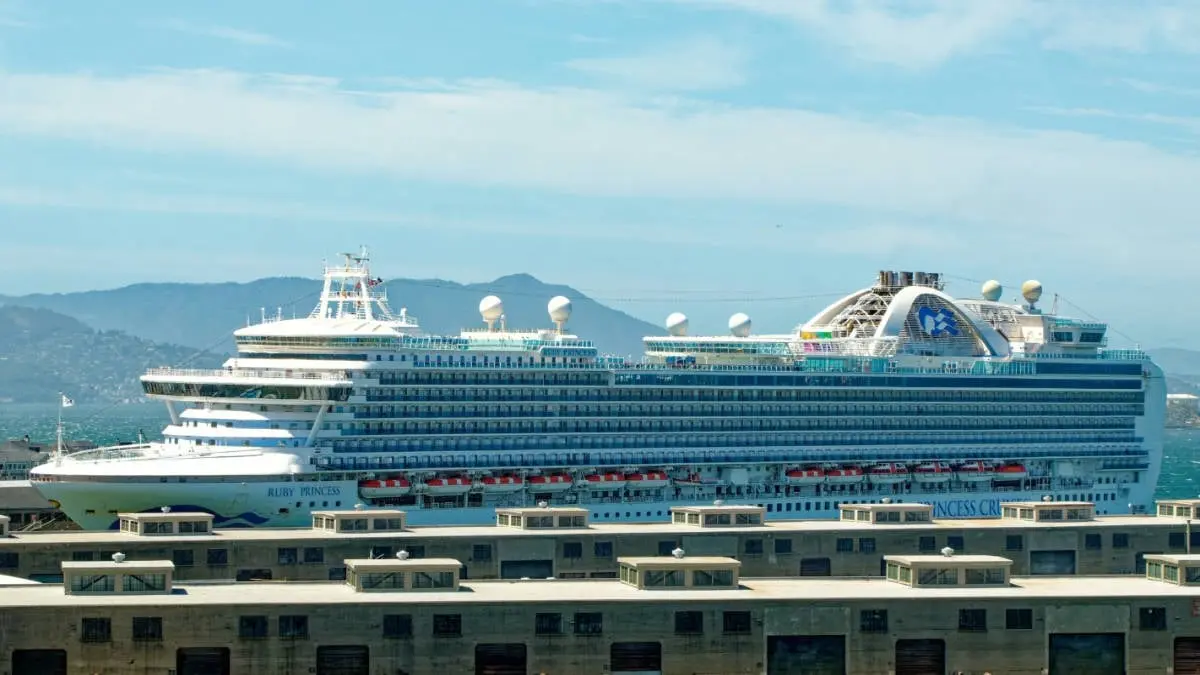
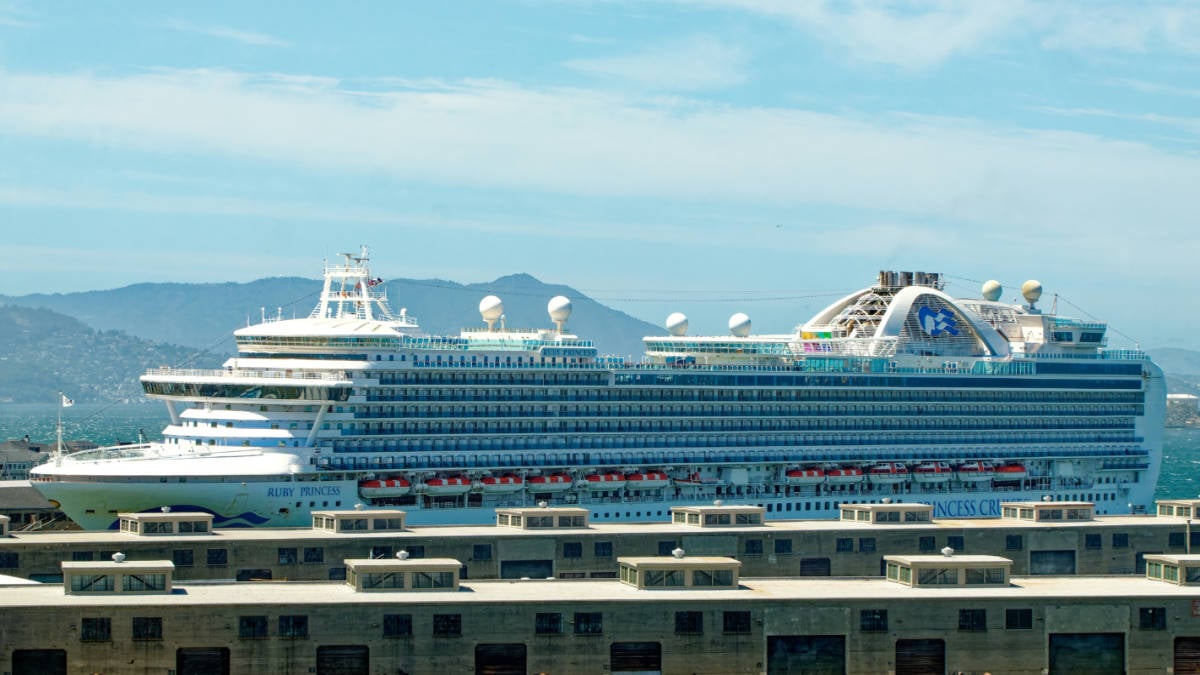
The vulnerabilities of Pacific maritime logistics in an era of intensifying weather patterns were underscored this week as Princess Cruises announced a significant itinerary overhaul for the Ruby Princess. The vessel, currently poised to embark on a 16-night roundtrip Hawaiian Islands voyage from San Francisco on September 17, 2026, has been forced to cancel its scheduled port call in Nawiliwili, Kauai.
The disruption stems from the lingering, catastrophic aftermath of Hurricane Lowell. Striking the western Hawaiian islands after peaking as a Category 5 monster and making landfall as a potent Category 2 system, Lowell represents a historic meteorological milestone. It is the first hurricane to directly impact Kauai since Hurricane Iniki in 1992.
Rather than attempting to dock at a devastated port, Princess Cruises has opted to redirect the 3,080-passenger ship directly to Honolulu. To compensate for the omission of Kauai, the cruise line has dramatically extended its stay in Oahu’s capital, transforming a standard daytime stop into an immersive, multi-day overnight call. This executive decision affords passengers an unprecedented 39-hour window to explore Honolulu, while mitigating the logistical nightmare of bringing a massive cruise ship into a disaster zone where critical municipal infrastructure remains crippled.
While the change injects an unexpected urban element into a voyage designed largely for tropical exploration, it highlights the delicate balance cruise operators must strike between guest satisfaction, regional recovery efforts, and maritime safety. As the 2026 Pacific hurricane season continues to throw curveballs at the travel industry, this incident provides a case study in crisis management, corporate adaptability, and the fragile nature of island-based tourism infrastructure.
Detailed Chronology of the Storm and Response
The Onslaught of Hurricane Lowell
The crisis began unfolding in early September 2026 as meteorologists tracked a rapidly intensifying system in the Eastern Pacific. By the time Hurricane Lowell reached its peak intensity as a Category 5 storm, emergency management teams across the Hawaiian archipelago were on high alert. Although the storm degraded slightly before its closest approach, it maintained its formidable Category 2 status as it swept past the western islands on Monday night, September 7, and into the morning hours of Tuesday, September 8.
Unlike storms that merely brush the islands with high surf and passing squalls, Lowell delivered a direct, punishing blow to Kauai. The island bore the brunt of the hurricane-force winds, torrential downpours, and violent storm surges. The consequences were immediate and catastrophic. According to data released by Kauaʻi Now, the storm knocked out electrical service to an astonishing 91% of the Kauaʻi Island Utility Cooperative’s (KIUC) customer accounts.
Infrastructure Collapse in Kauai
In the days following the storm, the scale of the destruction became fully apparent. As of September 16—just one day before the Ruby Princess was set to leave San Francisco—KIUC outage maps indicated that more than 3,100 utility customers remained without power. The island’s fragile grid had suffered catastrophic damage to transmission lines, substations, and poles.
Beyond the electrical grid, the physical infrastructure of Kauai suffered immensely. Hundreds of residential and commercial structures sustained wind and water damage. Crucially for the tourism industry and local logistics, vital arteries and secondary roads across the island were blocked by debris, washed out by flash floods, or rendered impassable by downed trees and mudslides.
Local authorities immediately pivoted to emergency recovery operations, prioritizing search-and-rescue efforts, medical access, and the clearing of primary roadways. In this environment, welcoming a cruise ship carrying thousands of passengers into the port of Nawiliwili was an operational impossibility. Emergency services were stretched too thin to manage tourist influxes, and the local attractions, tour operators, and transportation networks were in no position to host excursion groups.
Princess Cruises’ Decision-Making Process
Recognizing the untenable conditions in Nawiliwili, the executive team and marine operations department at Princess Cruises acted decisively. On September 16, the cruise line reached out directly to all guests booked on the September 17 departure to formally notify them of the itinerary modification.
The notification email read, in part:
"Due to the impact of Hurricane Lowell on the island of Kauai, Ruby Princess will no longer call to Kauai (Nawiliwili), Hawaii on Tuesday, September 22."
The original voyage plan anticipated the Ruby Princess arriving in Nawiliwili at 8:00 a.m. on September 22, serving as the cruise’s inaugural port of call after the multi-day Pacific crossing from San Francisco. By excising Kauai from the route, Princess eliminated the risk of bottlenecking local recovery operations and spared its guests from visiting a destination currently grappling with a humanitarian and infrastructural crisis.
Supporting Context & Metrics: The Human and Economic Toll
The disruption of the Ruby Princess itinerary is merely the maritime ripple effect of a disaster that has deeply affected the local population of Kauai. To fully understand why Princess Cruises bypassed Nawiliwili, one must examine the hard metrics of the storm’s aftermath.
KIUC Outage Metrics and Recovery Timeline
The staggering statistic that over 91% of KIUC customers lost power highlights the island-wide vulnerability to severe weather events. While utility crews mobilized immediately—bringing in mutual-aid workers and heavy equipment from neighboring islands and the mainland—the sheer geography of Kauai’s lush, mountainous terrain complicated repair efforts.
As of mid-September, the lingering outage pool of over 3,100 active accounts meant that entire neighborhoods were still operating on generators or living in the dark. Water systems, wastewater treatment plants, and local businesses relying on the grid faced intermittent disruptions. For a cruise port to function efficiently, it requires not only a safe berth for the vessel but also a functioning municipal infrastructure capable of supplying fresh water, provisioning services, waste management, and reliable transportation networks—none of which were operating at standard capacity in Nawiliwili.
Economic Implications for Kauai’s Tourism Sector
For an island economy heavily dependent on the cruise tourism sector, the cancellation of the Ruby Princess visit represents a painful financial blow. Local excursion operators, tour bus companies, rental car agencies, restaurants, and retail shops near the Nawiliwili harbor rely on the influx of cruise passengers to drive their daily revenues.
However, local business owners and community leaders largely supported the decision to bypass the port. In the wake of Hurricane Lowell, the community’s primary focus shifted inward toward rebuilding homes, stabilizing local commerce, and restoring basic quality of life for residents. Displacing local resources to ferry tourists to scenic waterfalls or canyon lookouts would have misallocated energy during a critical recovery window.
Official Statements and Passenger Adjustments
Princess Cruises has managed the operational pivot with a high degree of transparency, ensuring that impacted guests are compensated and offered alternative ways to maximize their vacation experience.
The Honolulu Extension
To offset the disappointment of missing Kauai, Princess restructured the ship’s time in Honolulu, transforming a standard port call into an extended overnight stay.
Originally slated to arrive in the capital on Wednesday morning, the Ruby Princess will now alter its trajectory to arrive in Honolulu at 8:00 a.m. on Tuesday, September 22. The vessel will remain docked through Wednesday, departing at its originally scheduled time of 11:00 p.m. on September 23.
This adjustment grants passengers an impressive 39-hour immersion in Honolulu. Guests will have ample opportunity to explore the historical significance of Pearl Harbor, hike Diamond Head, enjoy the culinary scene in Waikiki, or undertake comprehensive island tours that would otherwise be rushed during a standard single-day call.
Shore Excursion Policies and Refunds
Understanding that many travelers book Hawaiian cruises specifically to experience the diverse landscapes of multiple islands, Princess Cruises instituted a customer-friendly refund policy regarding the cancelled Nawiliwili stop.
The cruise line confirmed that all shore excursions booked directly through Princess Cruises for the Kauai port call will be automatically cancelled. Guests do not need to submit formal refund requests; the full financial value of these excursions is being systematically credited back to the passenger’s original form of payment.
Independent shore excursions booked through third-party vendors must be handled separately by the passengers, though most reputable operators in Kauai have implemented flexible cancellation policies in light of the natural disaster.
Future Outlook: Itinerary Continuity and Regional Weather Trends
With the major adjustment to the early portion of the voyage accounted for, Princess Cruises has confirmed that the remainder of the Ruby Princess itinerary remains stable, subject to ongoing maritime and weather monitoring.
The Remainder of the 16-Night Voyage
Following the extended stay in Honolulu, the Ruby Princess will continue its island-hopping schedule with minimal disruption:
- Kona, Hawaii: Scheduled to call on Thursday, September 24, from 9:00 a.m. to 6:00 p.m.
- Kahului, Maui: Scheduled to call on Friday, September 25, from 8:00 a.m. to 6:30 p.m.
- Sea Days: Five full consecutive days at sea during the trans-Pacific return journey.
- Ensenada, Mexico: A brief cultural and refueling call on Thursday, October 1, from 12:00 p.m. to 5:00 p.m.
- Final Return: One final day at sea before returning to San Francisco for final debarkation on Saturday, October 3, 2026.
A Volatile Pacific Hurricane Season
The disruption caused by Hurricane Lowell brings to light broader environmental trends defining the 2026 maritime travel season. In the Eastern Pacific basin, the official hurricane season spans from May 15 through November 30. This year has proven particularly active and unpredictable for the Hawaiian Islands.
Just weeks prior to Lowell’s strike, the region contended with Hurricane Lala. As previously reported by Cruise Hive in mid-August, Hurricane Lala forced severe itinerary adjustments, cancelled port visits, and caused temporary closures at the Port of Honolulu, leaving ships like the Pride of America and the Norwegian Spirit waiting out the storm’s fury.
Interestingly, while the Pacific has experienced a turbulent and active season, the Atlantic basin has exhibited an anomalous and eerie quiet. Since the Atlantic hurricane season officially commenced on June 1, 2026, zero official hurricanes have been recorded—a stark contrast to typical years where Caribbean and Bahamian itineraries are thrown into constant disarray by tropical systems.
Conclusion: Maritime Resilience in an Unpredictable Climate
The alteration of the Ruby Princess voyage serves as a powerful reminder of the intersection between modern cruise operations and planetary volatility. While cruise lines engineer their vessels to withstand harsh seas and design itineraries to maximize guest pleasure, Mother Nature ultimately dictates the terms of maritime travel.
By bypassing a battered Kauai and pivoting to an extended stay in Honolulu, Princess Cruises has demonstrated operational agility, prioritizing the safety and well-being of its passengers while respecting the sovereignty and recovery needs of a storm-ravaged island community. For the guests aboard the September 17 sailing, the voyage may not follow the map they originally purchased, but it promises an unforgettable testament to the resilience of Hawaii and the adaptability of modern cruise travel.